Best Spots to Fish the Gulf Stream From the Keys
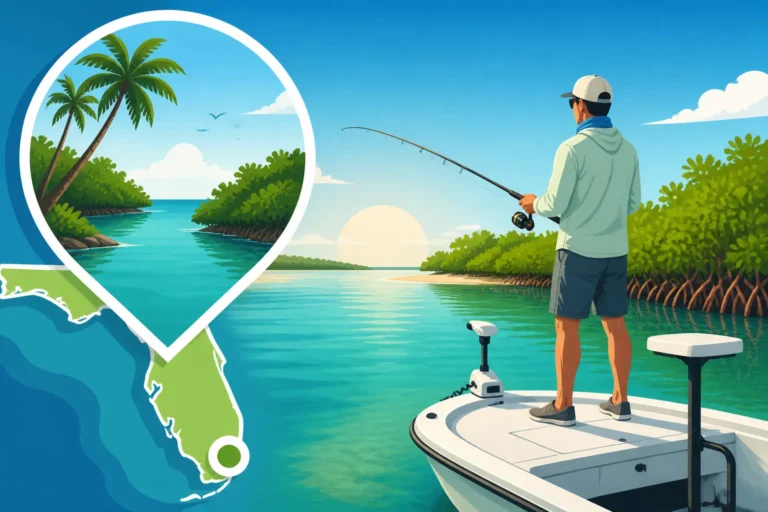
Heading out to fish the mighty Gulf Stream from the Florida Keys is an angler's dream, but for many, it can feel like trying to find a needle in an oceanic haystack. The sheer vastness of the open water, combined with the unpredictable nature of currents and fish movements, often leaves even experienced anglers wondering where to start. This comprehensive guide is designed to demystify Gulf Stream fishing, offering you the best strategies and specific spots to launch your adventure from the Keys, ensuring you spend less time searching and more time reeling in your next trophy catch.
Understanding the Gulf Stream's Influence on Florida Keys Fishing
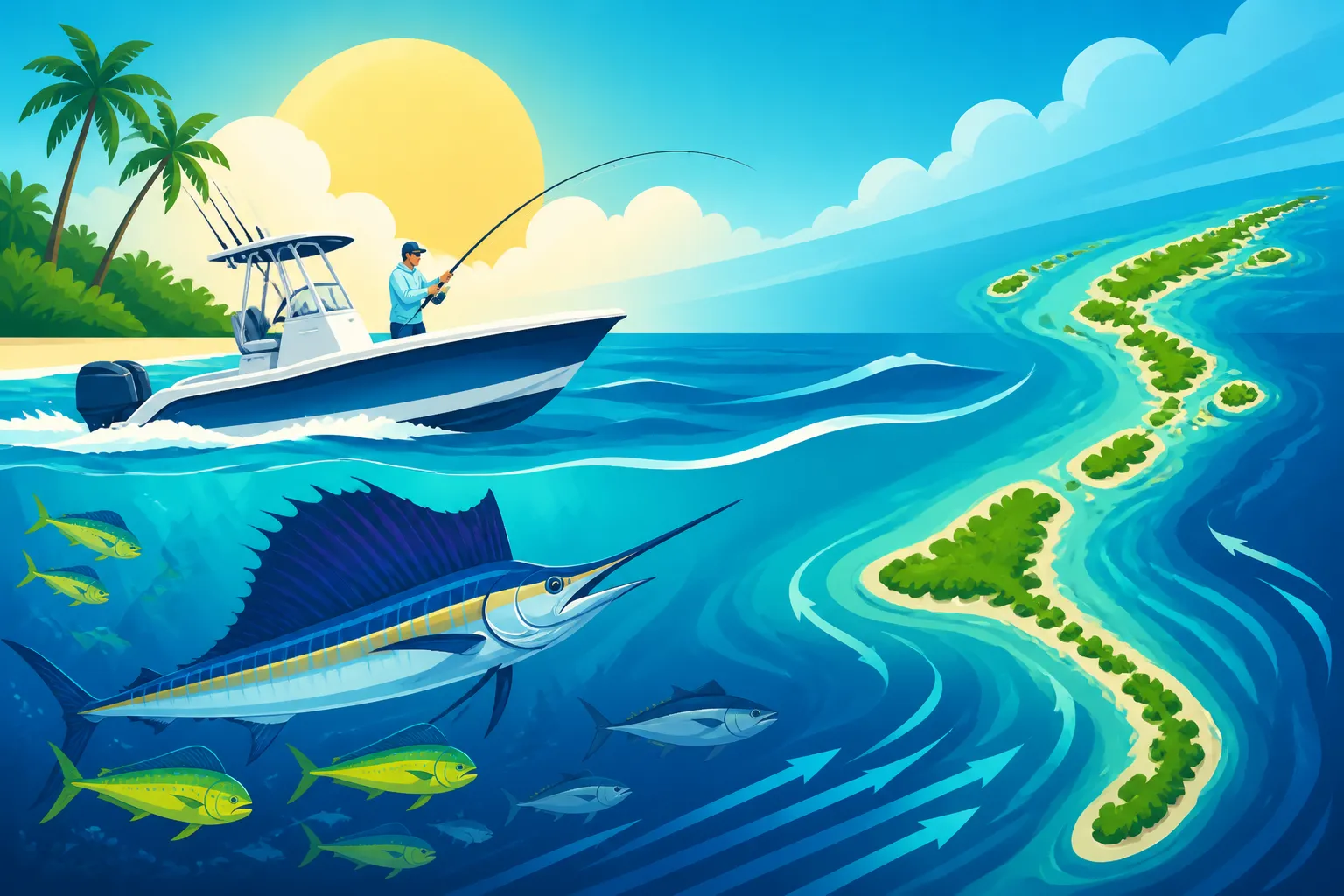
The Gulf Stream isn't just a strong current; it's a dynamic, biological superhighway that funnels nutrients and baitfish, creating an incredibly rich ecosystem right off the coast of the Florida Keys. This warm, swift current originates in the Gulf of Mexico, flows through the Florida Straits, and then hugs the Keys before heading north along the U.S. East Coast. Its unique characteristics are what make it such a legendary fishing destination.
What Makes the Gulf Stream So Productive?
Imagine a colossal, moving river of warm water teeming with life, pushing up against cooler, deeper ocean waters. That's essentially the Gulf Stream's magic. The friction and interaction between these different water masses create what we call "eddies," "rips," and "temperature breaks." These aren't just scientific terms; they're the very signs that astute anglers look for. These phenomena concentrate baitfish, like flying fish, pilchards, and ballyhoo, which in turn attract larger predatory species such as mahi-mahi, wahoo, tuna, and billfish. It's a natural aggregation point, where the food chain is constantly active and robust.
Furthermore, the Gulf Stream often carries floating debris, including Sargassum weed lines, which create miniature ecosystems of their own. Small baitfish and crustaceans hide within these weeds, drawing in hungry pelagics. These weed lines are not static; they drift with the current and winds, and finding a good, healthy line can be like striking gold. The deep, nutrient-rich waters brought up from the abyss by the current also provide a constant food source, sustaining populations of some of the most sought-after game fish in the world. It’s a perpetual motion machine of marine life, offering unparalleled opportunities for anglers willing to venture a bit offshore.
Key Markers and Depths to Look For
Fishing the Gulf Stream successfully isn't just about heading offshore; it's about understanding and interpreting the subtle cues the ocean provides. One of the most critical factors is water temperature. While the Gulf Stream itself is warm, the edges where it meets cooler water can create distinct "temperature breaks" that fish often hug. These thermal boundaries can be detected with modern fish finders and even by hand, feeling the water's temperature. A 1 or 2-degree difference can be enough to concentrate bait and predators.
Beyond temperature, look for visual markers such as current rips, which are lines where two currents meet, causing a noticeable disturbance on the surface. These rips often collect floating debris and baitfish, making them prime hunting grounds. Weed lines, particularly Sargassum, are another crucial visual cue. A thick, vibrant weed line, especially one with debris caught in it, is almost guaranteed to hold fish. As for depths, the Gulf Stream from the Keys generally begins to show its full potential as you move past the reef line and the shallow wrecks, usually in depths ranging from 300 feet and out to 1,000 feet or more. However, some species, particularly sailfish, can be found closer to the edge in 100-200 feet, especially during certain times of the year. Always consult your boat's electronics for depth, water temperature, and baitfish presence, and don't hesitate to troll along drop-offs or underwater structures even within the main current path.
Top Entry Points and Zones for Gulf Stream Access from the Keys
The Florida Keys offer several excellent launch points for chasing the Gulf Stream's bounty, each with its unique advantages. Your choice of departure point might depend on where you're staying, the species you're targeting, or simply the closest access to the desired fishing grounds.
Islamorada: The Sportfishing Capital's Gateway
Islamorada, famously known as the "Sportfishing Capital of the World," certainly lives up to its name, especially when it comes to Gulf Stream access. Located in the Upper Keys, Islamorada benefits from one of the shortest runs to the deep blue water where the Gulf Stream truly flexes its muscles. Within just a few miles offshore from the primary inlets, you can reach depths of several hundred feet, quickly transitioning from the vibrant reef system to the fertile grounds of the Stream. This short run means less travel time and more fishing time, which is a huge bonus, especially on a half-day trip.
Many renowned captains and charter operations call Islamorada home, offering a wealth of local knowledge and specialized boats perfect for offshore excursions. If you're looking for a charter, resources like FishingBooker can help you find reputable guides operating out of Islamorada. From here, anglers often head out through channels like Whale Harbor Channel or Channel Five and then navigate towards the strong blues. The proximity allows for quick adjustments if conditions change, or if a specific bite is happening further up or down current. Target species here include an abundance of mahi-mahi, especially during peak seasons, sailfish, particularly in winter, and various tuna species. The immediate access to deep water makes Islamorada an ideal spot for anglers looking to maximize their time targeting large pelagic fish. For more on what to expect, check out this guide on Islamorada, Florida Fishing Spots.
Marathon: Central Keys' Deepwater Access
Moving further south into the Middle Keys, Marathon provides another fantastic launching point for Gulf Stream adventures. Marathon is strategically located, offering relatively quick access to both the Atlantic Ocean's deep water and the Gulf of Mexico, making it a versatile fishing hub. For Gulf Stream fishing, Marathon's advantage lies in its central location, often putting it in a prime position for current eddies and temperature breaks that might develop between the Upper and Lower Keys. The run offshore from Marathon Key, through passes like Vaca Cut, typically takes you into productive waters within 10 to 20 miles, hitting depths from 300 to over 1,000 feet quite efficiently.
Marathon is home to a robust commercial and recreational fishing fleet, meaning there's a good support system for offshore anglers, from tackle shops to marine services. Anglers departing from Marathon frequently encounter large schools of blackfin tuna, impressive wahoo, and the ever-present mahi-mahi. During the right season, billfish are also a distinct possibility. The area around the Marathon Hump, an underwater seamount offshore, is a legendary spot that frequently holds bait and, consequently, large predators, though it's a bit further out than the immediate Gulf Stream edge. Considering a trip? This article on Marathon Florida Fishing Spots provides further details.
Key West: Western Keys' Proximity to the Deep
At the very end of the Florida Keys chain, Key West offers a unique perspective and excellent access to the Gulf Stream. Being the westernmost point, Key West is incredibly close to where the Gulf Stream gains significant strength and depth as it flows out of the Gulf of Mexico and into the Florida Straits. The deep water starts almost immediately offshore here, often less than 5 miles from the shore, which means an incredibly short run to depths exceeding 1,000 feet. This immediate proximity makes Key West an appealing option for anglers eager to get straight into the action without a long boat ride.
Key West is a vibrant and bustling port with a large fishing community, offering a wide array of charter options. Whether you're looking for a private charter or a spot on a party boat, you'll find plenty of choices. You can research various captains and their boats on platforms like FishingBooker, specializing in trips to these deep waters. From Key West, the currents can sometimes be even stronger, and the bait concentrations impressive. Anglers here regularly target massive mahi-mahi, particularly around floating debris and weed lines, while also having great opportunities for wahoo, tuna, and a variety of billfish including sailfish and even blue marlin further out. The deep drop-offs and structure just beyond the reef line, easily accessible from Key West, provide prime ambush points for these pelagic predators. Exploring this area further can be done by looking at Key West Fishing Spots.
Targeting Pelagic Species in the Gulf Stream
The Gulf Stream is renowned for its diverse array of pelagic species—those incredible fish that spend their lives in the open ocean, constantly on the move. Knowing what to target and how to approach them significantly increases your chances of success.
Mahi-Mahi (Dolphin): The Ocean's Colorful Acrobat
Mahi-mahi, often called dolphin (though unrelated to marine mammals), are arguably the most popular targets in the Florida Keys Gulf Stream. They're fast-growing, aggressive, beautiful, and delicious, making them a true angler's favorite. These vibrant fish are typically found near floating debris, weed lines (especially Sargassum), and current rips, using these features for cover and to ambush smaller baitfish. The best time to catch these beauties offshore from the Keys is typically from spring through fall, with May, June, and July often being the peak months. You can find out more about their seasonal movements in our guide on the Best Month to Catch Mahi Mahi Offshore Florida.
To target mahi-mahi, look for signs of life around floating objects: diving birds, showering baitfish, or even the mahi themselves leaping out of the water. Trolling is a highly effective method, using rigged ballyhoo, swimming plugs, or artificial lures in bright colors like pink, green, and chartreuse. When you hook one, leave a hooked fish in the water briefly as it often signals to the rest of the school, allowing you to "bail" multiple fish. Keeping a pitch bait (a live pilchard or a rigged ballyhoo) ready to cast to visible fish or schoolies is crucial. Light to medium-heavy spinning or conventional gear is ideal, typically spooled with 20-30 lb monofilament or braided line.
Wahoo and King Mackerel: Speed Demons of the Deep
Wahoo and king mackerel (often called kingfish) are two other prized species that patrol the edges and within the Gulf Stream, known for their incredible speed and razor-sharp teeth. Both are formidable opponents on the troll and offer exhilarating fights. Wahoo are highly migratory and can be caught year-round, but specific peaks occur during cooler months and around the full moon phases. King mackerel are also present year-round, with larger fish moving through the area during specific migrations, often found closer to the reef edges before the deep drop-offs. A great way to learn more about these fish is our dedicated guide on Florida King Mackerel Fishing Guide and Florida Wahoo Fishing Guide.
For both wahoo and kingfish, high-speed trolling is often the most productive method. For wahoo, specialized lures like high-speed wahoo lures or properly rigged ballyhoo with a skirt can be trolled at speeds of 10-20 knots or even faster. Wire leaders are essential due to their sharp teeth. For king mackerel, a slower troll with live bait such as pilchards, goggle-eyes, or blue runners, often fished on a "stinger" rig with wire, is very effective. Dead cigar minnows or spoons are also popular. When fishing for these toothy critters, always use heavy-duty gear to withstand their explosive runs and sharp bites. Conventional reels spooled with 30-50 lb test line are standard.
Sailfish and Marlin: The Ultimate Billfish Challenge
For many offshore anglers, the pinnacle of Gulf Stream fishing is the pursuit of billfish: the majestic sailfish and the powerful marlin. The Florida Keys, especially Islamorada, are globally recognized for their sailfish fishery, particularly during the cooler winter months when these acrobats migrate through the area in large numbers. Sailfish can be found patrolling depths from 90 to 300 feet, often along current edges and color changes where baitfish gather. Marlin, while less common than sailfish, are also present, with white marlin and occasional blue marlin being caught further out in the deeper Gulf Stream waters. Understanding the Florida Sailfish Fishing Guide is key to success.
Targeting sailfish typically involves kite fishing with live baits like goggle-eyes, pilchards, or threadfin herring, suspended at the surface to mimic injured bait. This technique allows for a natural presentation and spectacular surface strikes. Another effective method is slow-trolling live or dead baits, or even using dredges to create a "bait ball" illusion. When a sailfish appears in the spread, a quick drop-back with a natural bait is often irresistible. For marlin, heavier tackle and larger baits, such as Spanish mackerel or bonito, trolled offshore are necessary. Catching a billfish is often a catch-and-release endeavor, emphasizing conservation. Check out the Florida Offshore Fishing Techniques for more on the specific methods used.
Essential Gear and Techniques for Gulf Stream Success
Successfully navigating and fishing the Gulf Stream requires the right tools and a solid understanding of effective offshore tactics. It's a different ballgame than inshore or reef fishing, demanding specialized equipment and an adaptable mindset.
Rods, Reels, and Line Selection
When venturing into the Gulf Stream, your gear needs to be robust enough to handle powerful pelagic species and the rigors of offshore conditions. For general offshore trolling and bait fishing, a good starting point is a medium-heavy conventional rod, typically 6 to 7 feet in length with a fast action, paired with a reliable conventional reel like a Penn International, Shimano Talica, or an Accurate, spooled with 30 to 50 lb monofilament or braided line. Many captains prefer mono for its stretch, which can act as a shock absorber during violent strikes and runs, reducing the chance of pulling hooks. However, braid offers increased line capacity and sensitivity. A strong leader material, such as 80-150 lb fluorocarbon or monofilament, is essential, especially for species like wahoo that are not shy about slicing through lighter line.
For specific tactics like kite fishing for sailfish, lighter but still powerful conventional or heavy spinning setups (20-30 lb class) are preferred for the finesse required. If you're targeting giant bluefin tuna or marlin, you'll need much heavier 80-130 lb class gear. A comprehensive guide like Best Rod and Reel Setup for Florida Offshore Fishing can help you select the precise equipment for your target species and fishing style. Always ensure your drags are smooth and properly set, and that all knots are tied meticulously.
Trolling Patterns and Bait Strategies
Trolling is the quintessential technique for Gulf Stream fishing, covering large areas of water to locate actively feeding fish. A typical trolling spread involves deploying multiple lines at varying distances behind the boat, creating an enticing pattern that mimics a school of baitfish. Different lure types and baits can be used simultaneously to appeal to a wider range of species. For a detailed breakdown of this technique, refer to Trolling Technique for Offshore Fishing.
Live bait, such as goggle-eyes, pilchards, or blue runners, slow-trolled with a lead weight or planer, is incredibly effective for sailfish, kingfish, and even mahi-mahi. Dead bait, particularly rigged ballyhoo, is a staple. Rigged ballyhoo under a skirt or chugger head is irresistible to mahi, tuna, and wahoo. Artificial lures, including bullet-head lures, diving plugs, and soft plastics, are also highly productive. When trolling, look for color changes, weed lines, and current rips. Adjust your boat speed, vary your lure depths with planers or downriggers, and constantly observe your surroundings for birds, bait, or jumping fish. Having a few extra rods rigged and ready for a pitch bait is also a game-changer when you encounter a school of mahi-mahi.
Safety and Navigation Considerations
Fishing the Gulf Stream, while exhilarating, demands serious attention to safety and navigation. The open ocean can be unpredictable, and conditions can change rapidly. Always check the marine weather forecast thoroughly before heading out, paying close attention to wind, wave height, and potential for thunderstorms, which can pop up quickly in Florida. Equip your boat with all necessary safety gear, including life jackets for everyone on board, flares, a first-aid kit, a VHF radio, and an EPIRB or satellite messenger for emergencies. Make sure your vessel is in top mechanical condition and that you have sufficient fuel reserves.
Navigation offshore relies heavily on GPS and a reliable chart plotter. Pre-program your waypoints to the reef line, known humps, and your desired offshore fishing zones. Use your radar to watch for squalls and other vessels, and keep a sharp lookout for floating debris or other hazards. Communication with shore and other boats is critical; let someone know your float plan. If you're new to offshore fishing or unfamiliar with the area, consider booking a trip with a professional charter captain, especially one listed on platforms like FishingBooker. They possess invaluable local knowledge and prioritize safety, ensuring a more enjoyable and secure experience.
| Species | Best Seasons (Keys) | Common Depths (ft) | Primary Bait/Lure | Notes |
|---|---|---|---|---|
| Mahi-Mahi | Spring, Summer, Fall | 100 – 1000+ | Ballyhoo, Skirted Lures | Look for weed lines, debris, birds |
| Sailfish | Winter (Dec-March) | 90 – 300 | Live Goggle-eyes, Pilchards | Kite fishing, slow trolling |
| Wahoo | Year-round (peaks in cooler months) | 100 – 600 | High-speed Lures, Skirted Ballyhoo | Wire leader essential, fast troll |
| King Mackerel | Year-round (peaks spring/fall) | 50 – 200 | Live Bait, Spoons, Cigar Minnows | Often closer to reef edge, wire leader |
| Blackfin Tuna | Year-round (peaks spring/fall) | 150 – 1000+ | Trolling Lures, Live Pilchards | Often found near humps or offshore structure |
| Blue Marlin | Summer (June-Aug) | 600 – 1500+ | Large Trolling Lures, Bonito | Deeper water, less common |
Disclaimer
Fishing regulations, seasons, and bag limits in Florida can change. Always consult the latest rules and regulations from the Florida Fish and Wildlife Conservation Commission (FWC) before heading out on the water. This guide is for informational purposes only and does not supersede official FWC guidelines.