Florida Wahoo Fishing Guide
Oh, the wahoo! Just mentioning that name gets a Florida angler's blood pumping. These fish are like the Formula 1 race cars of the ocean – incredibly fast, unbelievably strong, and notoriously elusive. Many anglers dream of hooking into one, but getting a wahoo to bite, and then successfully bringing it to the boat, is a challenge that separates the casual fisher from the dedicated offshore enthusiast. If you've ever found yourself wondering how to crack the code on these magnificent pelagics, you're in the right place. This comprehensive guide is designed to demystify wahoo fishing in Florida, covering everything from understanding their habits to the specialized gear and techniques you'll need to land one of these striped torpedoes.
Understanding the Elusive Wahoo in Florida
Wahoo are in a league of their own. They're not just another fish; they're an experience. For many, catching a wahoo is the pinnacle of offshore angling, a true testament to skill, patience, and the right preparation. Let's dive into what makes them such a coveted catch in the Sunshine State.
What Makes Wahoo So Special?
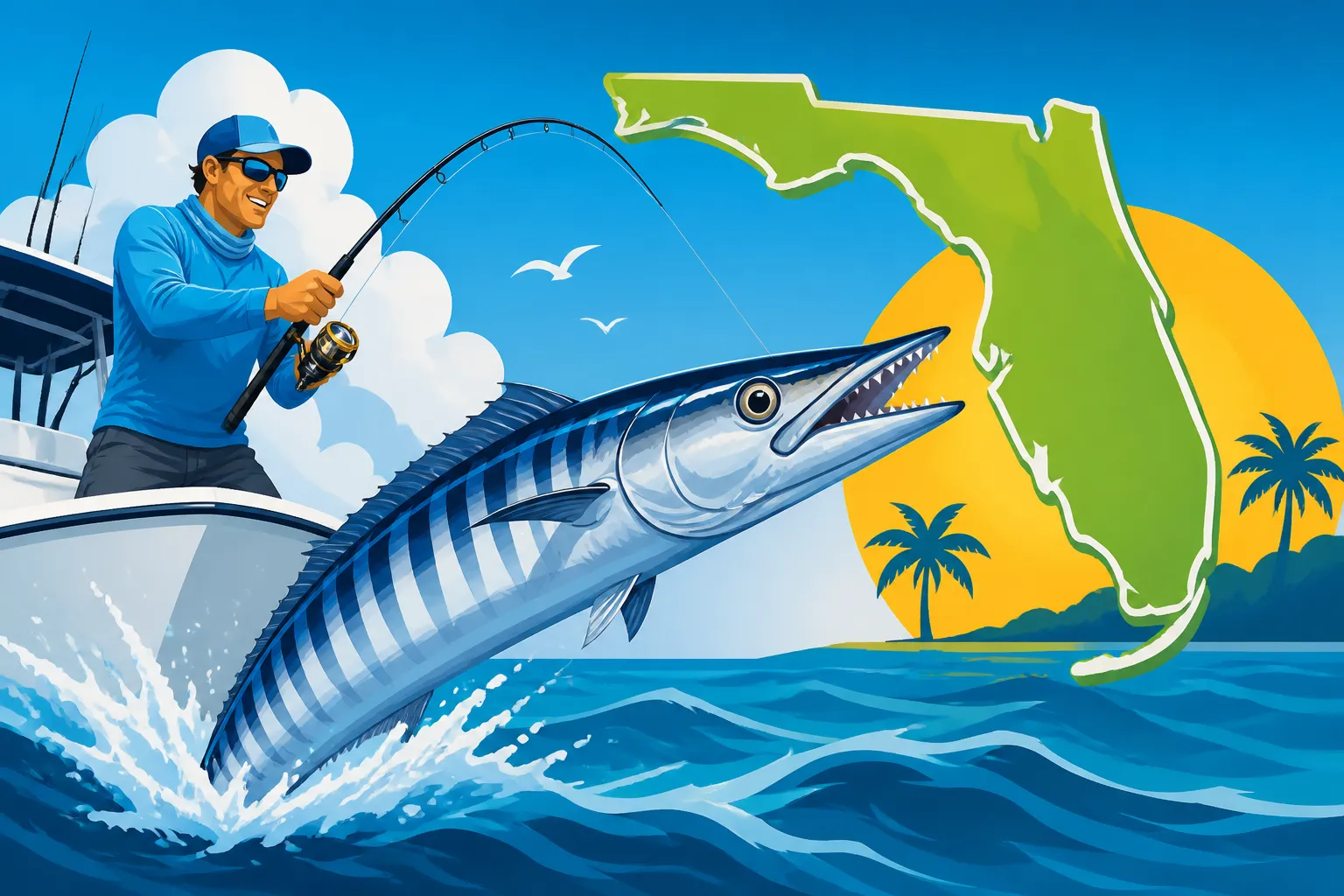
From the moment a wahoo hits your line, you know you're in for something special. Their initial run is often described as blistering, stripping hundreds of yards of line from your reel in seconds. It’s a rush that few other fish can provide. Their strength and speed are legendary, making every fight a true test of tackle and angler stamina. But it's not just the fight; their striking appearance with iridescent blue and silver stripes fading into black bars makes them an absolute showstopper when brought aboard. And as if that weren't enough, wahoo are also incredibly prized on the dinner table, boasting firm, white, delectable meat that's fantastic grilled, seared, or baked. This combination of thrilling fight, stunning looks, and superb taste solidifies their status as a top-tier game fish.
Beyond the immediate thrill, the mystique of the wahoo also plays a huge role. They aren't always easy to find, nor are they always eager to bite. This elusiveness adds to their allure, turning every successful wahoo trip into a memorable tale of persistence and triumph. When you finally boat one, you feel like you've truly earned it, and that feeling is priceless for any dedicated angler.
Where Wahoo Roam in Florida Waters
Wahoo are primarily an offshore species, preferring the open ocean rather than inshore flats or shallow reefs. They are pelagic, meaning they live in the open water column, often associated with structure, current edges, and temperature breaks. In Florida, this means you'll typically find them patrolling depths from 100 feet out to several thousand feet, though they can occasionally venture into shallower waters, especially around sudden drops or wrecks closer to shore. They are highly migratory, often following baitfish schools and ocean currents.
Specific areas in Florida tend to be wahoo hotspots. Along the Atlantic Coast, the Gulf Stream current is a superhighway for wahoo, especially off the central and south Florida coasts, like near Fort Lauderdale, Miami, and the Keys. These areas often have prominent ledges, humps, and wrecks in deeper water where wahoo like to ambush prey. On the Gulf side, while perhaps not as renowned as the Atlantic, wahoo are still caught, particularly around deep-water oil rigs, natural gas platforms, and artificial reefs far offshore in the Panhandle and along the Big Bend. Finding those distinct current seams or floating debris can also be key indicators of wahoo presence.
Key Characteristics and Identification
Identifying a wahoo is usually straightforward once you see one. Their most distinguishing feature is their elongated, torpedo-shaped body, perfectly built for incredible speed. They have a brilliant iridescent blue-green back that fades to silver flanks, marked by distinctive, irregular vertical stripes of dark blue or black. These stripes often appear vibrant when the fish is fresh out of the water but can fade somewhat after some time. Their mouth is equipped with a formidable set of razor-sharp, needle-like teeth, capable of slicing through anything.
They also possess a tall dorsal fin that can fold down into a groove on their back, further reducing drag as they burst through the water. Unlike some other pelagics like tuna, wahoo don't typically grow to gargantuan sizes, but they can still reach impressive lengths, often over 6 feet, and weigh well over 100 pounds. Their streamlined profile, coupled with those unmistakable stripes and menacing teeth, makes them a truly iconic species. Always remember those teeth when handling a wahoo—a good pair of long-nosed pliers and a dehooker are essential for safety!
Prime Wahoo Seasons and Conditions in Florida
Knowing when and where to find wahoo is half the battle. These fish are creatures of habit to some extent, and understanding their seasonal movements and preferred environmental conditions can drastically improve your chances of success.
Best Time of Year for Wahoo in Florida
While wahoo can be caught year-round in Florida, certain periods are undeniably more productive, often aligning with specific moon phases and water temperatures. For many, the cooler months, particularly from late fall through early spring (November to April), are considered prime wahoo season, especially in South Florida and the Florida Keys. During this time, the Gulf Stream often pushes closer to shore, bringing these pelagic predators within more accessible range.
However, don't write off the summer months! While less consistent for some, the warmer waters can still yield excellent wahoo catches, particularly in the northern Gulf and Atlantic, often during the dark of the moon or during specific feeding frenzies. Many anglers swear by fishing around the full moon and new moon phases, especially a few days before and after, as wahoo are believed to be more active feeders during these times. It's truly a game of timing and local knowledge, with many seasoned captains having their own preferred windows based on years of experience. Keep an eye on reports, but remember that a wahoo can surprise you any time of year. For more general guidance on fishing throughout the year, check out our Best Time of Year to Fish in Florida guide.
Ideal Weather and Water Conditions
Wahoo are highly sensitive to their environment, and understanding the ideal conditions can turn a slow day into a spectacular one. They tend to prefer clear, blue offshore waters with temperatures generally ranging from 72 to 80 degrees Fahrenheit. Sharp temperature breaks, where cooler water meets warmer water, are often magnets for wahoo and the baitfish they prey upon. Current edges, where two currents meet or where a current brushes against a shelf or reef, are also prime ambush points.
Cloud cover can be your friend when targeting wahoo, as bright sun can push them deeper. Overcast days, or even slightly choppy conditions, can make them more aggressive feeders. However, never underestimate the power of a strong current. Wahoo love to orient themselves along current lines, waiting for baitfish to be swept past. Pay close attention to your marine electronics for water temperature readings and look for visible current seams, weed lines, or floating debris offshore. These are all signs of productive wahoo water.
Understanding Wahoo Feeding Habits and Behavior
Wahoo are opportunistic, voracious predators known for their incredible bursts of speed. They are ambush hunters, often lurking just below the surface or deeper near structure, waiting to dart out and strike passing prey. Their diet primarily consists of smaller pelagic fish like ballyhoo, flying fish, blue runners, goggle eyes, and squid. They'll also feast on mackerel and small tuna. What makes them unique is their tendency to strike lures and baits with incredible force, often resulting in "cut-offs" if you're not using wire leaders due to their razor-sharp teeth.
They often hunt alone or in small, loose schools, but can sometimes be found in larger aggregations, especially around abundant bait or prominent offshore structures. Their behavior can also be tied to moon phases, with many anglers reporting heightened activity around the new and full moons, likely due to increased tidal flow and baitfish movement. Understanding that quick, decisive strike is key to setting up your tackle correctly. You need gear that can withstand an initial explosion of power and line-peeling speed.
Gear Up for the Wahoo Battle: Rods, Reels, and Rigging
Wahoo fishing isn't for the faint of heart, and it certainly isn't for light tackle. These fish demand serious equipment capable of withstanding their incredible power and speed. Skimping on your gear here is a surefire way to end up with a broken heart and an empty cooler.
Recommended Rod and Reel Setups
When targeting wahoo, especially with high-speed trolling, you need heavy-duty conventional gear designed for offshore big game. Think robust rods with a fast action and strong backbone, typically in the 30-80 pound class. These rods need to absorb the shock of a strike at high speeds while still having the power to turn a fast-moving fish. Pair these with conventional reels that have a high gear ratio for fast retrieves and an incredible drag system. Reels that can hold at least 500-600 yards of 50-80 pound monofilament or braided line are standard.
Many anglers opt for popular offshore reels known for their durability and smooth drag. Brands like Penn, Shimano, and Accurate make excellent choices. You can often find a great selection of these on Amazon, with various price points and features. Look for reels with lever drags for easy adjustment during the fight. For line, a strong braided mainline in the 65-100 lb range is common, often with a 100-200 yard top shot of heavy monofilament for shock absorption. This combination offers both the strength to tackle a big wahoo and the stretch needed to prevent break-offs from their violent head shakes. If you're looking to upgrade your setup, our Best Rod and Reel Setup for Florida Offshore Fishing guide has some excellent recommendations.
Essential Terminal Tackle and Rigs
This is where wahoo fishing gets specific. Given their razor-sharp teeth, a wire leader is not optional; it's absolutely mandatory. Forget fluorocarbon or mono for your bite leader – wahoo will snip through it in an instant. Typically, 80-150 lb single-strand wire or multi-strand cable leader of at least 2 to 3 feet is used, crimped securely to heavy-duty swivels and appropriate hooks.
When high-speed trolling, some anglers utilize planer systems or downriggers to get their lures down to the desired depths. Heavy trolling weights (often called "wahoo bombs") or specialized high-speed trolling lures with built-in weights are also common. You'll need stout snap swivels to connect your leader to your mainline, capable of handling extreme tension. When purchasing terminal tackle, including wire and crimps, ensure you're getting high-quality components designed for the rigors of offshore trolling. Again, places like Amazon or specialized marine stores are reliable sources for these items.
Lures and Baits That Wahoo Can't Resist
Wahoo are aggressive feeders, and their strikes are often a testament to the effectiveness of the right lure or bait.
For high-speed trolling, specialized wahoo lures are king. These often include:
- Wahoo Bombs/Jet Heads: Heavy, weighted lures designed to troll fast and stay deep, often with brightly colored skirts.
- Diving Planers/Trolling Weights: Used to get conventional lures down to target depths without the need for downriggers.
- Chuggers/Bullet Heads: Lures that create a commotion on the surface or just below, often with flash and vibration to attract attention.
Many anglers also "meat-rig" these lures with natural baits like ballyhoo, which is an irresistible combination for wahoo. The natural profile and scent of the ballyhoo, combined with the action of the lure, can be incredibly effective. For slower trolling or live baiting, large goggle eyes, blue runners, or even small tuna can be deadly. These baits are often slow-trolled around structure or current edges. Ensure your baits are rigged perfectly straight to prevent spinning at speed, which can cause line twist and spook fish.
Mastering Wahoo Fishing Techniques
Successfully catching a wahoo often comes down to employing specialized techniques, particularly those that capitalize on their speed and predatory nature. It’s not just about putting a line in the water; it’s about presenting your offerings in a way that triggers their aggressive strikes.
High-Speed Trolling for Wahoo
This is arguably the most popular and effective method for targeting wahoo, especially in Florida's offshore waters. As the name suggests, it involves trolling lures at speeds ranging from 12 to 20 knots, sometimes even faster. The idea is to cover a lot of ground quickly and trigger reaction strikes from these fast predators. A typical spread might involve 4-6 lines, with some lures running deep on planers or heavy weights, and others running closer to the surface.
The key to high-speed trolling is meticulous rigging and precise boat handling. Lures must be perfectly balanced to run true at speed, and heavy wire leaders are non-negotiable. Many captains use a combination of different lure types and colors, experimenting to see what the wahoo prefer on a given day. Outriggers are often used to spread lines out, creating a wider presentation and preventing tangles. When a wahoo hits at high speed, it's an unmistakable, violent strike that can nearly rip the rod from its holder. This method is incredibly exciting and can be very productive. For a deeper dive into offshore trolling, our guide on Trolling Technique for Offshore Fishing offers more insights.
Deep Dropping and Planer Fishing Strategies
While high-speed trolling is effective, wahoo aren't always found at the surface. Sometimes, they hold deeper in the water column, especially around offshore humps, wrecks, or ledges. This is where deep dropping and planer fishing come into play. A planer, essentially a diving board for your line, can take a lure or bait down to significant depths (50-100 feet or more) while trolling at moderate speeds (6-10 knots). Once the planer dives, it's clipped to the mainline, and the lure trails behind it. When a fish strikes, the planer trips, allowing you to fight the fish directly.
Downriggers are another excellent tool for presenting baits and lures at precise depths. They use a heavy weight to carry your line down, and a release clip holds your fishing line. When a wahoo strikes, the line releases from the clip, allowing you to fight the fish without the resistance of the downrigger weight. These techniques allow for a more controlled presentation in specific depth zones, which can be crucial when wahoo are holding tight to structure or a thermocline.
Live Baiting and Kite Fishing for Wahoo
For those seeking a more traditional and often visual fishing experience, live baiting and kite fishing can be incredibly effective, especially in specific conditions. Live baiting for wahoo typically involves slow-trolling or drifting large, lively baitfish like goggle eyes, blue runners, or even small bonitos near known wahoo hangouts. The natural swimming action and scent of a live bait can often entice strikes from even the most finicky wahoo.
Kite fishing takes live baiting to the next level. A fishing kite is used to suspend live baits right on the surface, keeping them out of the water but still struggling and splashing, creating an irresistible commotion. This method also allows you to present baits a good distance from the boat, reducing boat shy fish. When a wahoo streaks up from the depths and explodes on a kite-suspended bait, it's an adrenaline-fueled sight that you won't soon forget. While more gear-intensive and requiring calm conditions, kite fishing can be a game-changer for targeting trophy wahoo.
Safety, Handling, and Conservation
Wahoo fishing, like all offshore angling, comes with its own set of challenges and responsibilities. Ensuring safety for everyone on board, properly handling your catch, and adhering to conservation guidelines are paramount.
Safety Precautions on the Water
Offshore fishing always demands respect for the ocean. When targeting wahoo, you're often operating far from shore, so proper safety equipment is non-negotiable. This includes a well-maintained boat, communication devices (VHF radio, satellite phone), a first-aid kit, and enough PFDs (personal flotation devices) for everyone on board. Always check marine weather forecasts before heading out, as conditions can change rapidly offshore.
Beyond general boating safety, wahoo itself presents a hazard: those teeth! They are incredibly sharp and can inflict serious injury. Always be mindful of the fish's head when it's on deck. Use a stout gaff to bring the fish aboard, and consider a "tail rope" or "head gaff" to control its thrashing. Never put your hands near its mouth without absolute certainty it's incapacitated. A dehooker and long-nosed pliers should be used to remove hooks.
Handling Your Wahoo Catch
Once you've successfully gaffed a wahoo and brought it aboard, proper handling is crucial for both safety and preserving the quality of its meat. The first step is to quickly dispatch the fish, often with a swift blow to the head, to minimize its thrashing and stress. Next, it's highly recommended to "bleed" the wahoo immediately by cutting its gills or tail. This process helps to drain the blood from the flesh, resulting in cleaner, better-tasting meat.
After bleeding, the wahoo should be placed on ice in a cooler or fish box as quickly as possible. Keeping the fish cold is vital to maintaining its freshness and quality. A large wahoo might require a significant amount of ice, so plan accordingly before your trip. The goal is to get its core temperature down rapidly. When you get back to shore, fillet the fish promptly, rinse the fillets with cold water, and store them on ice or freeze them if not consumed within a day or two. Proper handling ensures that your hard-earned catch provides delicious meals.
Wahoo Regulations and Conservation in Florida
As with all fisheries, responsible angling practices and adherence to regulations are crucial for maintaining healthy wahoo populations. In Florida, wahoo are managed by the Florida Fish and Wildlife Conservation Commission (FWC), which sets bag limits and size limits. These regulations can change, so it's essential to check the most current FWC guidelines before every fishing trip. Typically, there's a daily bag limit per person, and sometimes a vessel limit. There may also be a minimum size limit to ensure fish have a chance to reproduce.
Conservation also extends beyond just following the rules. Practicing catch and release with undersized or unwanted fish, using appropriate tackle to minimize stress on released fish, and being mindful of your impact on the marine environment are all part of being a responsible angler. Never keep more than you can reasonably consume, and always dispose of waste properly. Knowing and following Florida Fishing Regulations and Bag Limits is not just about avoiding fines; it's about protecting the future of this incredible fishery. For general license requirements, you should also be familiar with Florida Saltwater Fishing License Rules.
Finding Your Wahoo Hot Spots
The ocean is vast, and finding a needle in a haystack can feel like an impossible task. However, wahoo are not randomly distributed. They favor specific habitats and conditions, and by understanding these, you can significantly narrow down your search and increase your chances of a successful hook-up.
Offshore Structure and Depth Contours
Wahoo are closely associated with structure, even in the open ocean. They use these features as ambush points to surprise baitfish. Key structures to look for include:
- Ledges and Drop-Offs: Sudden changes in depth, where the seafloor drops dramatically, create current eddies and upwellings that concentrate baitfish. Wahoo often patrol these edges.
- Humps and Seamounts: Underwater mountains or hills provide vertical relief from the seafloor, disrupting currents and creating feeding opportunities.
- Wrecks and Artificial Reefs: These man-made structures provide shelter for smaller fish, which in turn attracts predators like wahoo. While often targeted by bottom fish, pelagics will frequently cruise around them.
- Current Breaks: Where different currents meet or where a current collides with a stationary object, distinct lines form on the surface. These are superhighways for bait and, consequently, wahoo.
You'll need good marine charts or a GPS plotter with detailed bathymetric data to identify these features. Many seasoned captains have their favorite numbers for specific humps or ledges that consistently hold fish. Pay attention to how the current interacts with these structures, as this will often dictate where the wahoo are positioned.
Locating Baitfish and Water Temperature Breaks
Wahoo follow their food. Finding schools of baitfish is often the most direct path to finding wahoo. Look for:
- Bird Activity: Diving birds, especially terns and gulls, are often a strong indicator of baitfish being pushed to the surface by predators.
- Bait Balls: Visible schools of baitfish near the surface are like a ringing dinner bell for wahoo.
- Surface Activity: Look for splashing, jumping baitfish, or even the tell-tale slash of a wahoo breaking the surface as it chases prey.
In addition to bait, water temperature breaks are critical. Wahoo prefer specific temperature ranges, and where cooler water meets warmer water, these thermal boundaries often concentrate both bait and predators. Your boat's fish finder or temperature gauge can be invaluable here. Keep an eye out for sargassum weed lines as well; these floating mats provide shelter for small fish, shrimp, and crabs, creating an entire ecosystem that attracts larger predators.
Utilizing Technology for Success
Modern marine electronics have revolutionized offshore fishing, making it easier than ever to locate wahoo hot spots.
- Fish Finders/Sonars: A high-quality fish finder can help you identify baitfish schools, locate offshore structure, and even mark individual wahoo or other pelagics deeper in the water column. Understanding how to interpret your sonar screen is a crucial skill.
- GPS and Chartplotters: These tools allow you to mark productive spots, navigate to specific offshore structures, and follow intricate contour lines. Saving your successful fishing spots as waypoints will help you return to them in the future.
- Satellite Imagery and Online Resources: Some advanced anglers use satellite services to pinpoint real-time sea surface temperature breaks and current eddies, giving them a significant advantage in finding prime wahoo territory. Websites like Hilton's Offshore or Roff's Fishing Forecasts can provide invaluable data. You can find excellent marine electronics and charting systems on Amazon to help with these precise navigation and fish-finding tasks.
Remember, technology is a tool, but it doesn't replace experience. Learning to read the water, understand weather patterns, and interpret subtle signs of life will always be critical to becoming a successful wahoo angler. Combining modern tech with old-school intuition is the winning formula.
Wahoo Fishing Techniques at a Glance
| Technique | Speed (Knots) | Depth Range | Primary Target | Pros | Cons |
|---|---|---|---|---|---|
| High-Speed Trolling | 12-20+ | Surface to 50 ft | Reactionaries | Covers large areas, triggers strikes | Fuel consumption, specialized lures |
| Planer/Downrigger Trolling | 6-10 | 20-100+ ft | Deeper fish | Precise depth control | Slower, more gear involved |
| Live Baiting (Slow Troll/Drift) | 1-3 | Surface to Mid-depth | Finicky fish | Natural presentation, effective | Requires live bait, slower coverage |
| Kite Fishing | Drift | Surface | Sight fish | Exciting visual, keeps bait alive | Weather dependent, complex setup |
Disclaimer
This article is for general informational purposes only and does not constitute professional advice. Laws, prices and regulations vary by location and change over time. Consult a qualified professional for guidance on your specific situation.