Florida Tarpon Migration Timing
There’s nothing quite like the sight of a massive tarpon rolling on the surface or exploding out of the water after taking your bait. It’s a dream for so many Florida anglers, but hitting that perfect window when the "Silver King" is abundant can feel like chasing a ghost. If you've ever planned a trip only to find the tarpon had just left, or worse, hadn't arrived yet, you know that frustration. This guide is here to unravel the mysteries of the Florida tarpon migration timing, helping you plan your next encounter with these incredible fish.
Understanding the Tarpon Migration Phenomenon
Tarpon are true giants of the inshore and nearshore world, renowned for their power, aerial acrobatics, and incredible size. But they aren't static residents in every part of Florida year-round. They embark on remarkable seasonal journeys, and understanding these movements is the first step to successful tarpon fishing.
Why Tarpon Migrate Along Florida's Coasts
At its heart, the tarpon migration is driven by primal instincts: spawning, feeding, and seeking optimal environmental conditions. As the water temperatures fluctuate throughout the year, these magnificent fish move to areas that best suit their needs. During the cooler months, many tarpon will retreat to warmer, deeper waters, like those found in the Everglades or specific deep river systems. But as spring approaches and the water warms, they begin their epic journey. This mass movement is primarily geared towards finding abundant food sources and reaching their offshore spawning grounds. It's a grand procession, often involving thousands of fish, that transforms certain parts of Florida into world-class tarpon fishing destinations for a few precious months.
Key Factors Influencing Their Journey
While there's a general calendar for tarpon migration, Mother Nature always has the final say. Several critical factors influence the exact timing and intensity of their movements. Water temperature is perhaps the most significant; tarpon prefer warmer waters, typically above 70 degrees Fahrenheit. If a cold front lingers or arrives early, it can delay their arrival or push them out of an area. Similarly, the availability of baitfish like mullet, pilchards, and threadfin herring is crucial. Tarpon follow their food. If the bait schools haven't arrived in an area, the tarpon likely won't be far behind (or will already be there feasting). Moon phases also play a substantial role, particularly around the full and new moons, which often trigger stronger tides and more intense feeding behaviors, especially as they approach spawning. Finally, consistent weather patterns, including prolonged periods of sunshine and stable temperatures, help solidify their presence in a particular region.
The Annual Tarpon Migration Calendar in Florida
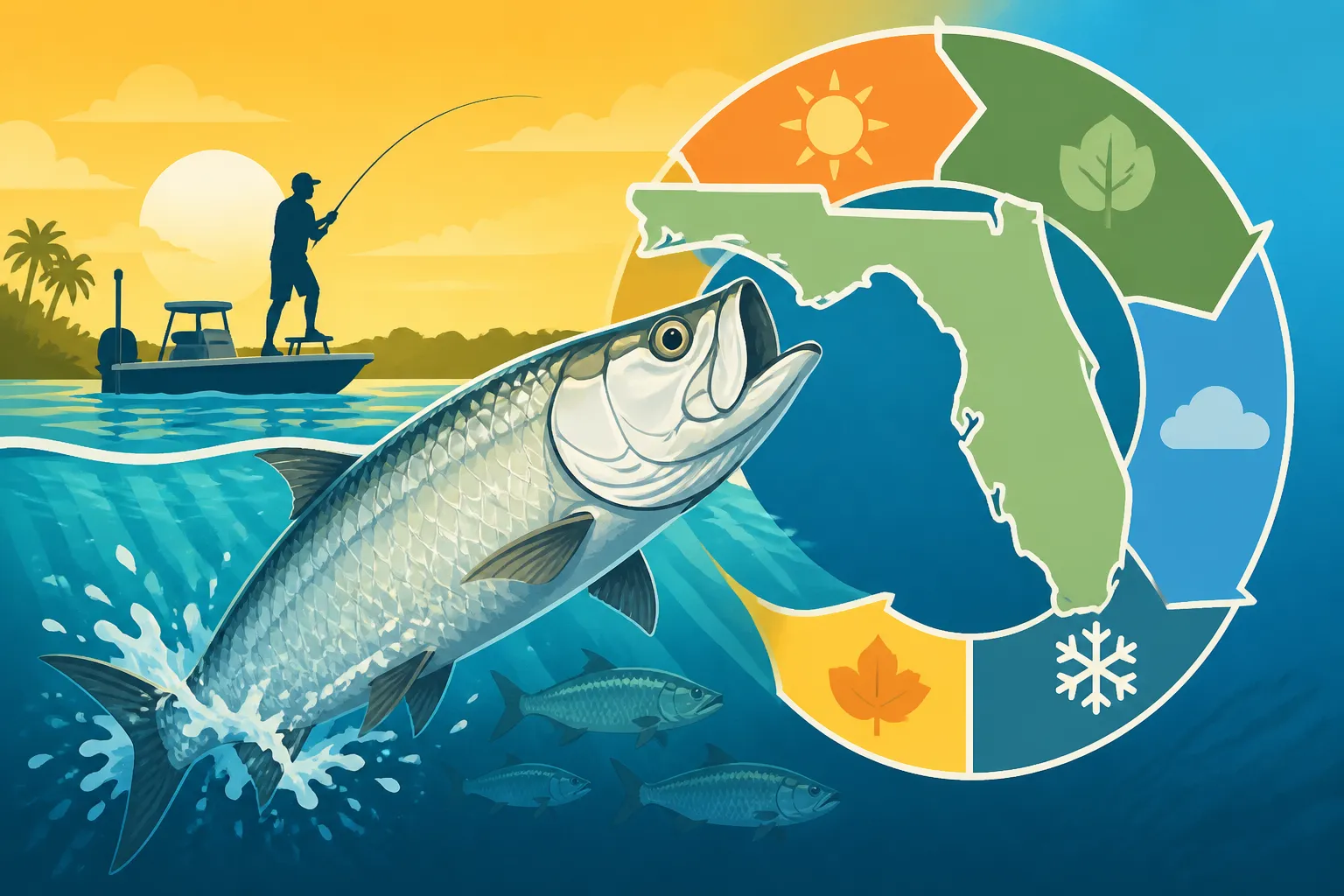
Pinpointing the exact day tarpon will show up is impossible, but based on decades of observation, we can map out a fairly reliable calendar for their general movements across the state. This calendar helps us anticipate when and where the best opportunities for encountering these fish will arise.
Spring Migration March – May
Ah, spring! This is arguably the most anticipated time of year for many tarpon anglers. As early as March, you’ll start seeing the first signs of the migration, particularly in the warmer, southern regions of Florida. These initial waves of fish are often referred to as "pre-spawn" aggregations. They are making their way north and west, staging in areas with ample food and favorable water temperatures. The Everglades National Park and the lower Florida Keys often see the first substantial pushes of fish. Anglers fishing the deeper channels and backcountry basins in these areas will often find hungry tarpon eager to eat. By April and May, the migration truly kicks into high gear. This is when places like Boca Grande Pass in Southwest Florida become legendary, seeing massive schools of tarpon moving through daily. These fish are bulking up before heading offshore to spawn, making them incredibly active and a prime target for anglers.
Summer Migration June – August
The summer months represent the peak of the tarpon season in many parts of Florida. June, in particular, is often considered the prime month for the big migration, especially along the Gulf Coast. The bulk of the spawning activity typically occurs from June through August, often offshore in deeper federal waters. However, you'll still find an abundance of tarpon in nearshore and inshore areas as they move between feeding grounds and spawning sites. After the initial spawn, many tarpon will be "post-spawn" and exceptionally hungry, aggressively feeding to regain energy. While the sheer numbers might begin to wane in some of the most concentrated areas by late July and August, there are still plenty of opportunities. The fish become a bit more spread out, but you can find them cruising beaches, lurking in passes, and even moving into deeper bays and harbors. For a deeper dive, check out our guide on the Florida Tarpon Season Guide.
Fall and Winter September – February
As fall approaches, the large migratory schools begin to disperse and head south to their wintering grounds, or retreat into deeper, warmer channels and rivers. By September, while you can still encounter stragglers or smaller schools, the intense, large-scale migration begins to slow down. During the cooler months of October through February, tarpon fishing becomes a different game. You're typically targeting "resident" tarpon rather than large migratory schools. These fish will hunker down in specific warm-water refuges, such as deep holes in rivers, canals, or power plant outflows. Areas like the lower Florida Keys, Everglades, and specific river systems like the St. Johns River will hold significant populations of resident tarpon throughout the winter. They might not be as active or as easy to find as their migratory counterparts, but they offer a unique challenge and can still provide thrilling encounters for dedicated anglers willing to put in the time.
Top Florida Hotspots for Tarpon Migration
Florida is blessed with an abundance of fantastic fishing grounds, but when it comes to tarpon migration, a few spots stand out as truly iconic. These locations become synonymous with tarpon fishing during their respective seasons, drawing anglers from all over the world.
The Florida Keys: The Tarpon Capital
Without a doubt, the Florida Keys reign supreme as the "Tarpon Capital" for many. The sheer density of fish here during the spring and early summer migration is astounding. Beginning as early as March, but peaking from April through June, tarpon flood the channels, bridges, and flats of the Keys. Iconic spots like the Seven Mile Bridge in Marathon become a major highway for these fish, where anglers often anchor or drift with live bait like crabs or mullet. Flats fishing for tarpon in the Keys, particularly in Islamorada and Key West, offers an unparalleled sight-fishing experience, though it demands a high level of skill and stealth. The crystal-clear waters allow you to spot individual fish, making for incredibly visual and exciting battles. If you're planning a trip, be sure to read our detailed Florida Keys Fishing Guide for more insights.
Southwest Florida: Boca Grande and Charlotte Harbor
North of the Keys, Southwest Florida boasts its own legendary tarpon fishery, centered around Boca Grande Pass. This narrow, deep pass at the mouth of Charlotte Harbor is world-renowned for its "hill tides," where millions of crabs flush out on the outgoing tide, creating a feeding frenzy for tarpon. May and June are prime months here, when thousands of tarpon stack up, creating one of the most intense and famous tarpon fisheries on the planet. Anglers often fish with live pass crabs or jigs, "shading" (drifting with the current) through the pass. It's an experience unlike any other, with boats packed shoulder-to-shoulder, all vying for a shot at the Silver King. Beyond the pass, the expansive Charlotte Harbor system itself holds abundant tarpon as they move to and from the pass, providing excellent opportunities for those seeking less crowded waters. Find out more in our guide on Boca Grande Pass Tarpon Fishing in Southwest Florida.
Gulf Coast and Panhandle Dynamics
While the Keys and Boca Grande often steal the spotlight, the rest of Florida's Gulf Coast should not be overlooked. As the migration progresses, tarpon move north along the coast, entering major bay systems and passes. Areas like Tampa Bay, Sarasota Bay, and Apalachicola Bay see healthy numbers of tarpon from late spring through summer. While perhaps not as concentrated as Boca Grande, these areas offer excellent fishing with fewer crowds. Anglers often target them cruising along beaches, around oyster bars, or in the deeper channels leading to the open Gulf. Even further north into the Florida Panhandle, you'll find tarpon, though usually in smaller, more dispersed schools, typically during the warmer summer months. They often follow bait schools right along the beaches, providing exciting sight-fishing opportunities.
Atlantic Coast: Indian River Lagoon and South Florida
The Atlantic Coast of Florida also experiences its share of tarpon action. While the mass migration here isn't quite as pronounced as on the Gulf side, there are strong resident populations and significant migratory movements, particularly in South Florida. From the Indian River Lagoon down to Miami, tarpon inhabit coastal rivers, inlets, and nearshore waters. The summer months see increased activity as fish move into the inlets and cruise along the beaches. Many anglers target them around bridges and jetties, especially at night. In areas like the St. Johns River, you'll find healthy resident populations throughout the year, with numbers peaking during the warmer months. These fish are often found deeper in the river systems, providing a unique freshwater-to-brackish water tarpon experience.
Reading the Signs: Predicting Tarpon Movement
Successful tarpon fishing during the migration is less about pure luck and more about keen observation and understanding the subtle cues from the environment. Learning to "read the water" and interpret natural indicators can drastically improve your chances.
Water Temperature and Salinity
As mentioned earlier, water temperature is paramount for tarpon. They are warm-water fish, generally preferring temperatures between 75 and 85 degrees Fahrenheit. Anything below 70 degrees will make them lethargic and less likely to feed, while extreme heat can also push them to deeper, cooler water. Savvy anglers constantly monitor water temperatures using their boat's electronics or even portable thermometers. A sudden drop in temperature due to a cold front can halt a migration in its tracks, sending fish scattering for deeper, warmer havens. Similarly, salinity levels can play a role, especially in estuarine environments like the Everglades or river mouths. While tarpon are tolerant of a wide range of salinities and can even be found in pure freshwater, significant fluctuations can affect bait movements and, consequently, tarpon behavior. Stable, warm, and moderately saline conditions are often ideal.
Baitfish Presence and Movements
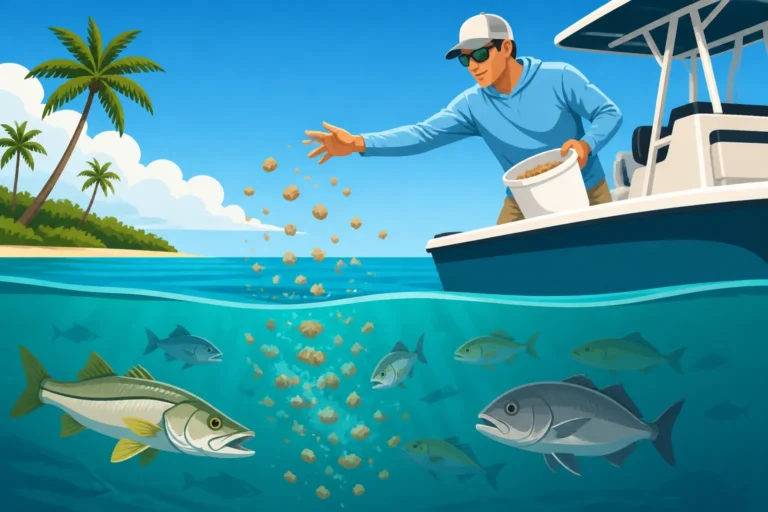
You simply can't overstate the importance of baitfish. Tarpon are predators, and they follow their food. The presence of large schools of mullet, pilchards, threadfin herring, or crabs is a flashing neon sign that tarpon are likely in the area or will be soon. Spend time observing the water for signs of bait. Look for nervous baitfish jumping, birds diving, or subtle disturbances on the surface that indicate a school. Pay attention to how the bait is moving—are they schooling tightly, or are they scattered and moving quickly, perhaps indicating a predator below? Even better, use a cast net to catch some of the local bait. A live well full of the predominant local forage can be your best friend when trying to entice a migrating tarpon. Many anglers even check local tackle shops or online forums for reports of bait runs, which often coincide with the arrival of tarpon. For those looking to master the art of catching their own, check out our guide on how to Cast Netting for Bait in Florida Waters.
Moon Phases and Tides
Moon phases and tidal movements are intricately linked to tarpon behavior, especially during their migration and spawning cycles. The full and new moons are particularly influential, as they create the strongest tidal flows. These "spring tides" can trigger intense feeding frenzies as baitfish are swept through passes and channels. Tarpon will often position themselves to ambush bait in these strong currents. Many of the most legendary tarpon bites, like the famous Boca Grande "hill tides," occur around these moon phases. Studying a tide chart for your chosen fishing location is non-negotiable. Knowing whether the tide is incoming or outgoing, and when the strongest currents will occur, allows you to position your boat and present your bait effectively. While some prefer fishing the "slack tide" periods, when the current briefly pauses, the most consistent bites often occur during the stronger portions of the tide when fish are actively feeding.
Essential Gear and Tactics for Migration Tarpon
Engaging with a migrating tarpon is an adrenaline-pumping experience, but it demands the right tackle and honed techniques. These fish are powerful, and under-gunned gear often leads to heartbreak.
Rods, Reels, and Line for the Silver King
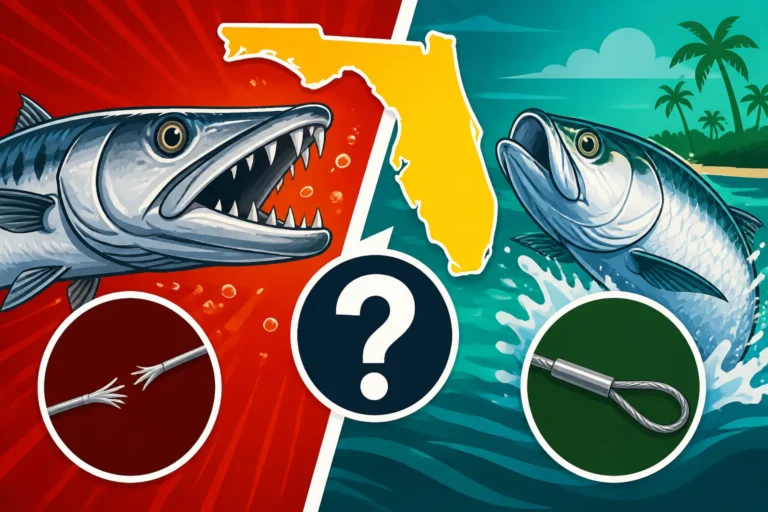
When targeting tarpon, you need serious stopping power. For most migratory tarpon fishing, a heavy spinning or conventional setup is standard. A 7-foot to 8-foot medium-heavy to heavy action rod, capable of handling 20-50 lb line, is a good starting point. Pair this with a robust spinning reel in the 6000-8000 size range, or a conventional reel like a Penn Fathom or a Shimano Trinidad, spooled with 50-80 lb braided line. Braid offers incredible strength and sensitivity in a small diameter. However, the business end of your line needs to be fluorocarbon leader, typically 60-100 lb test, connected to your braid with a strong knot like an FG or Alberto knot. This heavier leader is crucial for abrasion resistance against their sandpaper-like mouths and for absorbing the shock of their powerful runs and jumps. You can find excellent options for rods, reels, and quality braided line on platforms like Amazon, ensuring you’re well-equipped. For specific recommendations, delve into our article on What Pound Test Line for Tarpon Fishing?
Live Bait vs. Artificial Lures
Both live bait and artificial lures can be highly effective for migrating tarpon, and the choice often depends on the specific conditions and your fishing style.
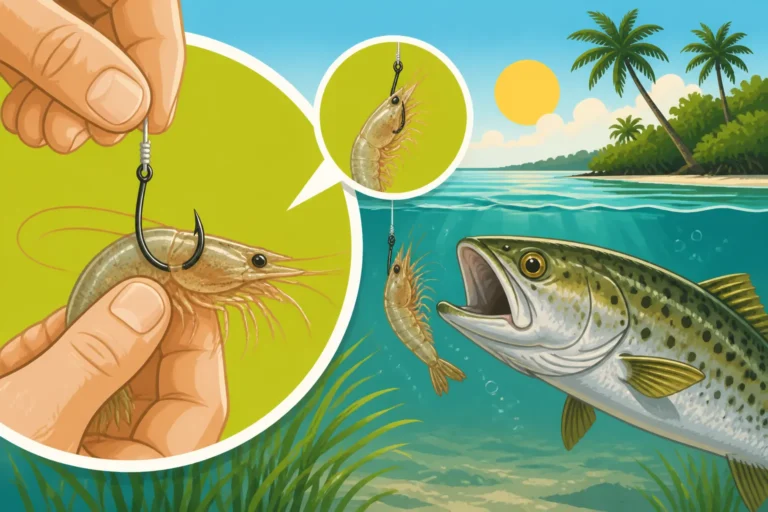
- Live Bait: This is often the preferred choice, especially in areas like the Florida Keys or Boca Grande. Common live baits include pass crabs, mullet (finger mullet or larger ones), pilchards, threadfin herring, and even larger pinfish. Presenting live bait naturally, either free-lined or under a float, is key. The natural movement and scent of live bait can be irresistible to hungry tarpon. Having a healthy supply of fresh, lively bait is paramount.
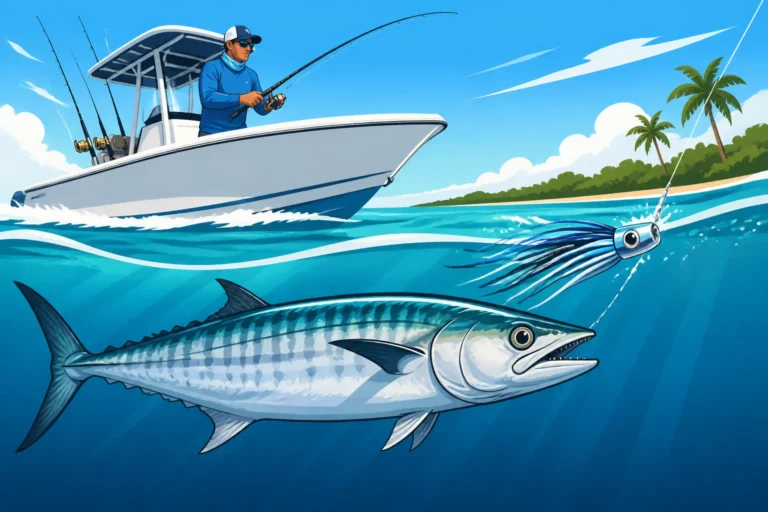
- Artificial Lures: Lures can be incredibly exciting and effective, particularly for sight-fishing opportunities. Large soft plastic paddle tails, swimbaits, jerkbaits, and topwater plugs can all elicit aggressive strikes. Fly fishing for Florida Tarpon is a specialized art, using large flies that imitate baitfish or crabs. The trick with lures is matching the hatch – using lures that mimic the size and color of the prevalent baitfish in the area. Varying your retrieve and presentation until you find what triggers a strike is essential.
Techniques for Different Migration Stages
The best technique often depends on where and when you encounter the tarpon during their migration.
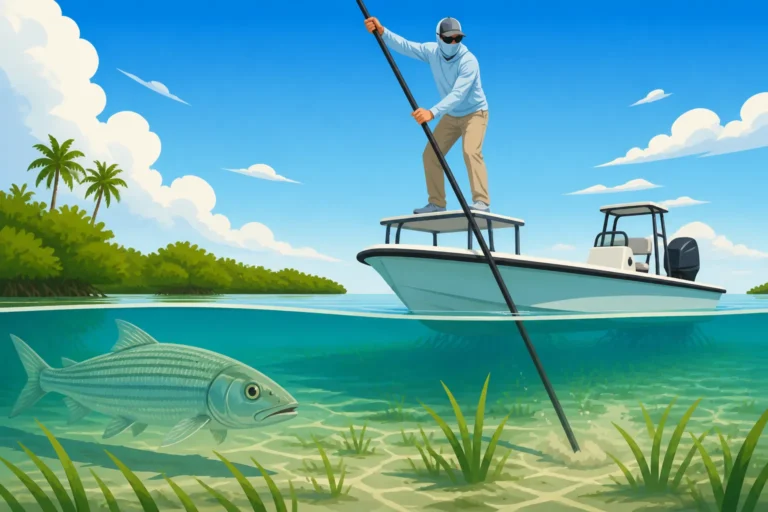
- Sight Fishing on Flats: In the clear waters of the Florida Keys or certain Gulf Coast flats, sight fishing is king. This involves poling quietly on shallow flats, spotting individual or small schools of tarpon, and making a precise cast with a fly or artificial lure. This is a highly visual and challenging technique, demanding patience and a quick, accurate cast.
- Bridge Fishing: Many tarpon will congregate around major bridges, especially at night or during strong tides. Anglers often anchor upstream and present live bait (often crabs or mullet) with the current, allowing it to drift naturally into the tarpon's strike zone. This is a popular method in the Keys and along the Atlantic Coast.
- Pass and Channel Fishing: In places like Boca Grande, anglers "shade" or drift through the pass with the current, presenting live crabs or jigs deep in the water column. This requires careful boat handling and coordination, as many boats are often fishing in close proximity.
- Cruising Beaches: During the summer months, tarpon often cruise just off the beaches. Spotting them rolling or free-jumping and then intercepting them with a well-placed cast is an exhilarating method.
Learning How to Fight a Tarpon on Light Tackle is a skill that comes with practice and patience, regardless of the technique you employ.
Conservation and Responsible Tarpon Fishing
While the thrill of battling a tarpon is undeniable, it's vital to remember that these magnificent fish are a highly valued resource. Florida has strict regulations in place to protect tarpon, and practicing responsible angling is crucial for their continued health.
Catch and Release Best Practices
Tarpon are almost exclusively a catch-and-release fishery in Florida. To ensure these powerful fish swim away healthy, proper handling is paramount.
- Minimize Fight Time: Use appropriate tackle to land the fish as quickly as possible without over-stressing it. Prolonged fights can lead to exhaustion, reducing their chances of survival.
- Keep Them Wet: Avoid removing the fish from the water, especially larger ones. Their internal organs are not designed to support their weight out of the water, and even a few seconds can cause irreversible damage. If a photo is necessary, lift the head just out of the water quickly.
- Gentle Handling: If you must handle the fish, support its weight horizontally by placing one hand on its lower jaw (using a lip-gripper if possible) and the other hand under its belly near the tail. Never lift a large tarpon vertically by the jaw alone.
- Revival: Once released, hold the fish gently by the tail, pointing its head into the current until it vigorously kicks its tail and swims away on its own power. Do not let go until it is strong enough to swim off unassisted. Following these Catch and Release Best Practices for Snook can be easily adapted for tarpon, too.
Florida Tarpon Regulations
Florida takes its tarpon conservation very seriously. While a recreational fishing license is always required, there are specific rules for tarpon. Primarily, tarpon are considered a catch-and-release species. However, if you intend to harvest a tarpon (which is rarely done and discouraged due to conservation efforts), you must purchase an additional, non-transferable Tarpon Tag. This tag allows for the harvest of one tarpon per person, per year. These tags are expensive and are meant to deter harvest. Most anglers who catch a tarpon are doing so for the sport and the glory, not the dinner table. It’s also crucial to be aware of closed seasons in specific areas, such as the period when harvesting is not allowed in the Everglades National Park. Always consult the latest Florida Fish and Wildlife Conservation Commission (FWC) regulations before heading out, as rules can change. Understanding Florida Fishing Regulations and Bag Limits is essential for any responsible angler in the state.
| Migration Period | Key Months | Primary Locations | Typical Behavior | Best Tactics |
|---|---|---|---|---|
| Spring Migration | March – May | Lower Keys, Everglades, Boca Grande, SW Gulf | Pre-spawn staging, actively feeding, moving north | Sight fishing, live bait (crabs/mullet), jigs |
| Summer Migration | June – August | Keys, Boca Grande, Gulf/Atlantic Coast | Peak spawning, post-spawn feeding, widespread | Live bait, lures, offshore, beach cruising |
| Fall/Winter | September – Feb | Deep rivers, canals, warm water refuges | Resident fish, dispersed, less active | Live bait (pinfish/mullet), deep jigging, patience |
Disclaimer
Fishing conditions and regulations in Florida can change rapidly. Always verify the latest information from the Florida Fish and Wildlife Conservation Commission (FWC) before any fishing trip. This guide is for informational purposes only and does not constitute legal advice.