Do You Need Steel Leader for Florida Saltwater Fishing?
Navigating the world of saltwater fishing in Florida can feel like learning a whole new language, especially when it comes to rigging your line. One of the most common questions I hear from fellow anglers, particularly those new to the Sunshine State's diverse waters, is "Do I really need steel leader for Florida saltwater fishing?" It’s a valid concern, often leading to confusion and frustration, as the wrong choice can mean lost fish or no bites at all. This guide is here to untangle that knot of uncertainty and help you understand exactly when, where, and why steel leader might (or might not) be your best friend on the water.
Understanding Leaders in Saltwater Fishing: More Than Just a Stronger Line
Let’s be honest, stepping onto a Florida beach, pier, or boat, you’re often bombarded with advice about leaders. Some folks swear by heavy monofilament, others insist on invisible fluorocarbon, and then there’s the whole steel leader debate. The primary purpose of any leader, regardless of material, is twofold: to provide a section of line that is more abrasion-resistant than your main fishing line, and often, to offer a degree of stealth. Your main line, typically braided or monofilament, might be strong, but it's often too visible or too easily cut by sharp teeth or rough structure.
Consider the diverse marine life we have down here. From the mighty tarpon to the lightning-fast king mackerel, each species presents a unique challenge to your tackle. A soft-mouthed snook doesn't require the same leader toughness as a toothy barracuda. This variety is precisely why a one-size-fits-all approach to leaders simply doesn't work. The leader acts as a sacrificial barrier, protecting your main line from nicks, scrapes, and yes, those razor-sharp teeth that many of Florida's most exciting game fish possess.
The choice of leader material boils down to a delicate balance between visibility, abrasion resistance, and flexibility. If your leader is too thick or too visible, wary fish might shy away. If it’s not tough enough, you'll be telling tales of "the one that got away" far too often. This is where the nuanced decision-making comes into play, and why just grabbing the nearest spool of leader material isn't always the best strategy for a successful day of fishing.
When Steel is Your Saltwater Savvy Secret Weapon (and When it's Not)
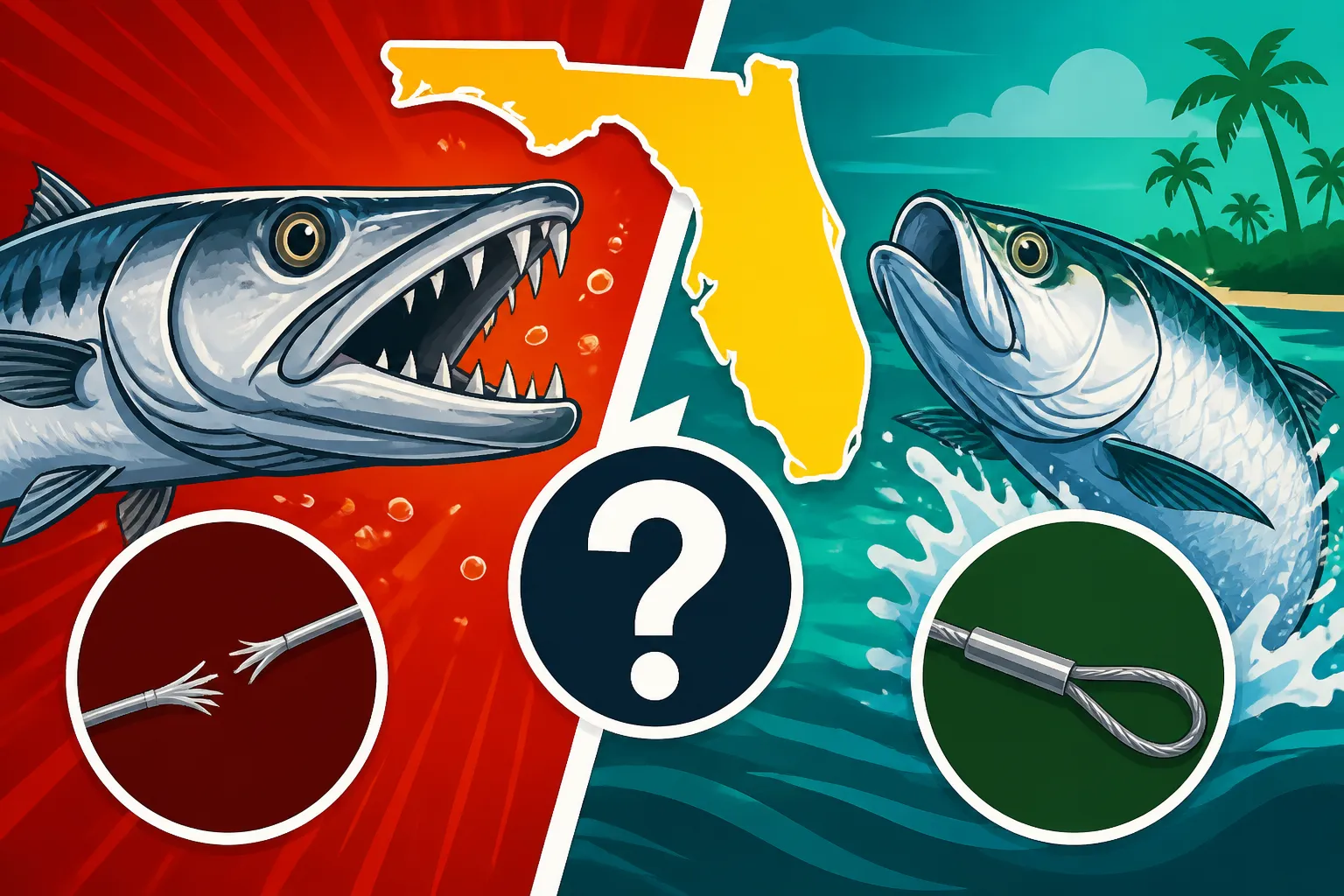
Alright, let's dive into the core question: when do you actually need steel leader in Florida saltwater? The short answer is: when you're targeting species with teeth that can slice through monofilament or fluorocarbon like butter. Think about those toothy critters that patrol our coastal waters. If you're hoping to land a formidable king mackerel, a Spanish mackerel, a barracuda, or even some of the larger sharks, steel leader isn't just a good idea; it's practically essential. Without it, you're looking at a near-certain bite-off, leaving you with a snapped line and a story of defeat.
These fish have evolved with mouths full of razors, designed for cutting through baitfish. Your standard monofilament or even stout fluorocarbon stands no chance against them. Steel leader, often made from stainless steel wire or multi-strand cable, provides that unyielding barrier. You'll find it in various forms, from single-strand wire that offers maximum stealth for its strength to multi-strand "cable" leaders that are incredibly flexible and resistant to kinking. Some anglers even use "titanium" wire leaders, which are even more kink-resistant and have a memory-free quality. You can easily find a wide selection of these specialized leaders on platforms like Amazon, offering different strengths and styles to match your specific needs.
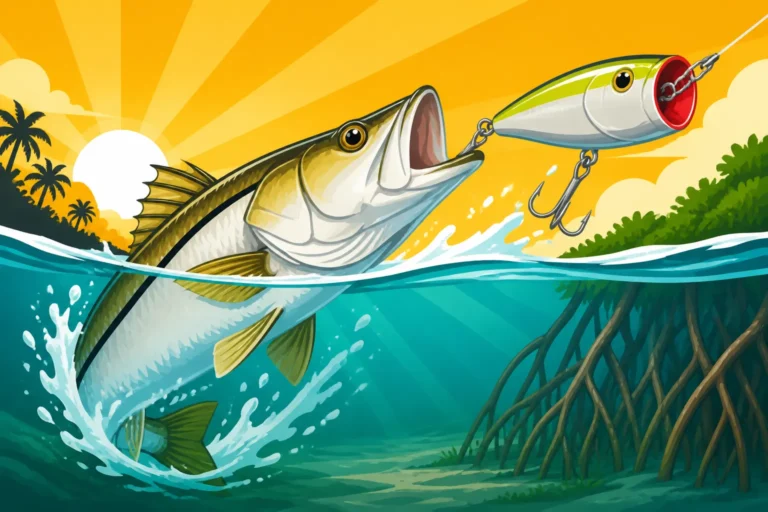
However, steel leader isn't a universal solution. In fact, for many popular Florida saltwater species, it can be a significant detriment. Fish like redfish, snook, and spotted seatrout are not equipped with razor-sharp teeth for cutting lines. Their mouths are designed more for crushing or sucking in prey. For these fish, stealth is often paramount. A visible, stiff steel leader can be a huge turn-off, causing them to eye your bait with suspicion and ultimately swim away. The unnatural presentation and glint of metal can easily spook these wary inshore predators, making it incredibly difficult to get a bite.
Types of Steel Leader and Their Uses
Not all steel leaders are created equal, and knowing the differences can make a big impact on your success.
- Single-Strand Wire: This is a thin, stiff wire leader often used for species like king mackerel or barracuda. It offers excellent cut resistance and can be relatively stealthy if it's very thin and appropriately camouflaged. However, it's prone to kinking, and once kinked, its integrity is compromised, meaning you'll need to replace it.
- Multi-Strand Wire (Cable Leader): More flexible than single-strand, cable leaders are made from several thin strands of wire woven together. This flexibility makes them less prone to kinking and allows for a more natural bait presentation. They're often preferred for larger species like sharks or wahoo, where flexibility and extreme bite-off protection are key.
- Titanium Leader: While technically a different metal, titanium leaders behave similarly to steel but with enhanced properties. They are incredibly kink-resistant, corrosion-resistant, and have "memory" that allows them to return to their original shape even after being bent. This makes them a premium choice for toothy fish where you want durability and a more natural action for your bait. However, they come at a higher cost.
| Leader Material | Key Advantage | Best For | Drawbacks |
|---|---|---|---|
| Monofilament | Stretch, affordability | General purpose, shock absorption, stealth | Low abrasion resistance, easily cut by teeth |
| Fluorocarbon | Near invisibility, tough | Stealth, abrasion resistance, firm hooksets | Stiffer than mono, more expensive, can be cut by sharp teeth |
| Single-Strand Steel | Extreme bite-off protection | King Mackerel, Barracuda, Sharks (small) | Very visible, kinks easily, stiff |
| Multi-Strand Steel | Bite-off protection, flexible | Sharks (large), Wahoo, toothy offshore | Visible, less stealthy than mono/fluoro |
| Titanium Wire | Kink-resistant, durable | King Mackerel, Barracuda, Sharks, durable use | Most expensive |
When selecting steel leader, consider the strength (pound test) and the length. For example, a heavy 80-pound steel leader might be overkill for Spanish mackerel but necessary for bigger kingfish. Longer leaders give fish less chance to bite above the wire, but too long can affect casting or presentation.
Alternatives to Steel: When Mono and Fluoro Shine in Florida's Salt
For the vast majority of inshore fishing in Florida, and even for many offshore species that aren't notorious for their dentistry, monofilament and fluorocarbon leaders are absolutely your best bet. They offer the perfect blend of stealth, abrasion resistance (to a degree), and manageability.
Fluorocarbon Leader: The Invisibility Cloak
Fluorocarbon leader is a fan favorite for good reason. Its density is very close to that of water, making it nearly invisible once submerged. This is a huge advantage when you're targeting wary fish in clear, shallow waters, like the gin-clear flats of the Florida Keys or the pristine waters of the Panhandle. Beyond its stealth, fluorocarbon is also significantly more abrasion-resistant than standard monofilament. This means it can stand up better to rubbing against oyster bars, dock pilings, or rocky bottoms without instantly fraying. When you're fishing for a cunning snook near structure, or trying to trick a redfish on a grassy flat, a fluorocarbon leader in the 20-50 pound range is often ideal. You can find high-quality fluorocarbon leader material from brands like Seaguar or Berkeley on Amazon, which can really make a difference in your hook-up rates.
The lack of stretch in fluorocarbon also provides excellent sensitivity, allowing you to feel even the subtlest bites, and gives you a much firmer hookset, which is crucial for species like tarpon with their bony mouths. For many anglers, understanding What Pound Test Line for Snook Fishing? or choosing the right strength for redfish often leads them directly to fluorocarbon.
Monofilament Leader: The Versatile Workhorse
Don't count out good old monofilament leader! While not as stealthy as fluorocarbon or as abrasion-resistant to sharp objects, it still has a very important place in Florida saltwater fishing. Monofilament offers a bit of stretch, which acts as a shock absorber when a big fish makes a sudden run, protecting your main line and knots from snapping. It's also typically more budget-friendly and easier to knot than fluorocarbon.
For general purpose fishing, especially in murkier waters where visibility isn't as critical, or when targeting species like spotted seatrout that aren't particularly line-shy, a monofilament leader works perfectly. It’s also often chosen for topwater presentations because its lower density allows lures to float more naturally. Many anglers use a heavier monofilament leader (around 40-80 pounds) for species like amberjack or smaller tuna offshore, where the fish have abrasive mouths but not razor-sharp teeth. For many, a simple monofilament leader is a staple in their tackle box for various situations, from trying out Florida Inshore Fishing Techniques to fishing for catfish in brackish canals.
Making the Right Leader Choice for Your Florida Fishing Adventure
Choosing the right leader isn't just about avoiding bite-offs; it's about maximizing your chances of success by matching your tackle to the species and conditions.
Considering Your Target Species
This is the absolute first step. If you're heading out specifically for toothy predators like king mackerel, Spanish mackerel, or barracuda, then a steel or titanium leader is non-negotiable. For instance, when you're chasing the high-speed thrills of a kingfish, you'll want a quality steel leader to ensure your lure or bait isn't instantly severed.
However, if your sights are set on the popular inshore trinity – snook, redfish, and trout – then steel is usually a no-go. For these species, the clear, low-visibility properties of fluorocarbon are often essential. A good rule of thumb: if the fish has "teeth" in its name or is known for its cutting ability, consider steel. If it’s more of a "sucker" or "crusher," stick to fluoro or mono. Guides focusing on Florida Snook Fishing Guide or a Florida Redfish Fishing Guide will almost always recommend fluorocarbon.
Matching Leader to Your Fishing Environment
The environment also plays a crucial role. Are you fishing clear, shallow flats? Stealth is paramount, making fluorocarbon the champion. Are you dropping baits over rocky reefs or wrecks offshore? Abrasion resistance from a thicker fluorocarbon or even heavy monofilament can be key, even if you’re not targeting toothy fish, just to prevent fraying on sharp structure. This is often a consideration for deep-dropping or bottom fishing.
In murkier river systems like the St. Johns, where visibility is less of an issue, you might get away with slightly heavier or more visible leaders. However, in the crystal-clear waters of the Florida Keys, every bit of stealth helps. When you read about Florida Offshore Fishing Techniques, you'll notice leader choices vary significantly depending on whether you're trolling for mahi-mahi (often heavy mono/fluoro) or high-speed jigging for wahoo (definitely wire).
Practical Tips for Rigging Your Leaders
- Knots Matter: The strongest leader is only as good as its weakest knot. Practice strong, reliable knots like the uni-to-uni knot for connecting leader to main line, or a loop knot for connecting lures/hooks to maintain optimal action. For steel leader, crimps or haywire twists are commonly used.
- Check for Damage: Always run your fingers along your leader for nicks or abrasions after every fish or snag. A damaged leader is a weak leader and will lead to heartbreak. This is especially true when using fluorocarbon for species like a Florida Tarpon Fishing Guide trip, where their rough mouths can quickly chafe your leader.
- Length is Key: For stealth, shorter leaders can be better for casting, but longer leaders (2-4 feet) provide more protection against the main line getting cut by the fish itself or by structure. Find a balance that suits your casting style and the fish you're targeting.
- Have Variety: Don't go out with just one type of leader. Your tackle box should have spools of both fluorocarbon (various pound tests) and steel leader, so you're prepared for whatever Florida's waters throw at you. You can find a diverse range of leader spools on Amazon, ensuring you’re ready for different scenarios.
- Consider "Bait and Switch": Sometimes, anglers will use a heavy mono or fluorocarbon leader for abrasion protection, with a small, short piece of steel leader attached directly to the hook or lure when targeting truly toothy fish. This offers a compromise between stealth and bite-off protection.
Ultimately, whether you need steel leader for Florida saltwater fishing depends entirely on what you're trying to catch and where you're casting your line. For the aggressive, toothy predators, steel is your undeniable ally. For the stealthy, wary inshore gamefish, stick to the clear advantages of fluorocarbon. Understanding these distinctions will not only save you money on lost tackle but significantly increase your chances of reeling in your next great Florida fishing story. So, arm yourself with the right knowledge and the right leader, and go enjoy those incredible waters!
Disclaimer
This article is for general informational purposes only and does not constitute professional advice. Laws, prices and regulations vary by location and change over time. Consult a qualified professional for guidance on your specific situation.