Florida Scallop Season Dates
Oh, the anticipation of scallop season in Florida! It's truly one of the most exciting times for many of us, a unique blend of snorkeling, treasure hunting, and harvesting delicious seafood. But honestly, trying to keep up with the exact dates and specific regulations can feel like trying to catch a greased hog at a county fair. One year you're set, ready with your mask and snorkel, and the next, the dates have shifted, leaving you wondering if you've missed out entirely or, worse, risk a fine for being in the water on the wrong day. This guide is here to clear up all that confusion, giving you the definitive scoop on Florida's recreational scallop season dates, zone by zone, so you can plan your next unforgettable scalloping adventure without a hitch.
Understanding Florida's Scallop Season Dynamic
Scalloping in Florida is a cherished tradition, especially along the Gulf Coast, where clear, shallow grass flats provide the perfect habitat for bay scallops. However, unlike some other fishing seasons that remain relatively constant, Florida's recreational bay scallop season dates are subject to change annually. This can be a real headache for folks trying to plan their vacations, book accommodations, or even just arrange a weekend trip with friends. The frustration of seeing a beloved season shortened or shifted is something many of us have felt.
Why Scallop Season Dates Change Annually
The Florida Fish and Wildlife Conservation Commission (FWC) is the governing body responsible for setting these dates, and they don't do it arbitrarily. Their primary goal is to ensure the health and sustainability of the bay scallop populations. Several factors influence their decisions:
- Population Assessments: Biologists conduct extensive surveys each year to estimate the scallop population in various areas. They look at scallop density, size, and reproductive success. If populations are low due to environmental factors like red tide events, freshwater influxes, or cold snaps, the season might be shortened, or even closed, to allow the scallops to recover. This is a tough pill to swallow when you've been looking forward to it, but it's crucial for future seasons.
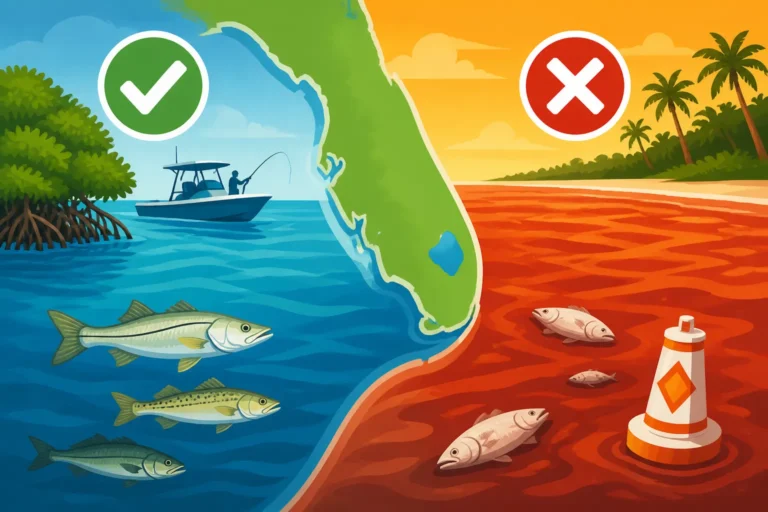
- Environmental Conditions: Water quality, seagrass health, and the presence of harmful algal blooms (like red tide) play a significant role. These conditions can devastate scallop beds. If an area is experiencing poor conditions, the FWC might delay or reduce the season to protect vulnerable populations. We've all seen how a sudden Red Tide Affects Fishing in Florida, and scallops are particularly susceptible.
- Public Input and Economic Impact: While conservation is paramount, the FWC also considers public feedback from local communities, businesses, and recreational scallopers. They try to balance conservation needs with the economic benefits that scallop season brings to coastal towns. It's a delicate balance, and sometimes the decisions can feel like a compromise.
How FWC Communicates Season Updates
Staying informed is key to avoiding disappointment or regulatory issues. The FWC makes a concerted effort to communicate season dates and regulations as widely as possible. You won't find the dates carved in stone years in advance, which can be frustrating, but that's just the nature of managing a dynamic resource.
- Official FWC Website: The most reliable source for up-to-date information is the FWC's official website. They typically release proposed dates months in advance, followed by final approvals. It's a good habit to check this site regularly as your planned trip approaches.
- Press Releases and Social Media: FWC issues press releases to media outlets and actively updates its social media channels (Facebook, Twitter) with critical announcements regarding seasons, closures, and regulation changes. Following them is an easy way to get real-time updates without constantly searching.
- Local Bait Shops and Marinas: Don't underestimate the power of local knowledge! Your local bait shop, marina, or even the small mom-and-pop general store in a scalloping hotspot often has the latest printed regulations and firsthand information from folks on the water. They're usually happy to chat about what's happening.
The Panhandle's Scalloping Hotspots and Seasons
The Florida Panhandle is synonymous with some of the state's best scalloping. The clear, calm waters and expansive seagrass beds create ideal conditions, drawing thousands of eager scallopers each year. The seasons in these areas are often the longest, providing ample opportunity for those who travel from across the state or even the country.
St. Joseph Bay's Scallop Bonanza
St. Joseph Bay, located in Gulf County, is arguably one of Florida's premier scalloping destinations. The bay's protected waters, abundant seagrass, and robust scallop populations make it incredibly popular. The season here is typically one of the earliest to open and longest-running, which is a blessing for those who want to get a head start on their scalloping adventures.
- Typical Season Dates: The St. Joseph Bay season generally opens in late July or early August and runs through September. For instance, in recent years, it has opened on the third Friday of July, extending through early September. Always double-check the FWC website for the exact dates each year, as they are confirmed annually. The exact start and end dates can vary by a week or two, which can make a big difference if you're planning a trip around a specific weekend.
- What Makes St. Joe So Special: The sheer abundance of scallops in St. Joseph Bay is a major draw. The bay's natural contours and depths make it relatively easy to navigate, even for those new to scalloping. The clear water also aids visibility, making spotting those camouflaged bivalves a bit easier. Many families make this an annual tradition, setting up camp, renting a beachfront house, or launching their boats from Port St. Joe. It's not uncommon to limit out in just a few hours if conditions are right.
Steinhatchee and Keaton Beach: The Big Bend's Scallop Kings
Moving further east along the Big Bend coastline, the areas around Steinhatchee and Keaton Beach in Taylor County are legendary for their scalloping. These small, charming fishing towns truly come alive during scallop season, with every marina, restaurant, and rental property buzzing with activity.
- Typical Season Dates: The season for this significant stretch of coastline, encompassing areas from the Pasco-Hernando County line to Fenholloway River (Taylor County), typically opens on June 15th and runs through Labor Day. This is one of the longest continuous seasons in the state, offering a fantastic window for planning. However, it's vital to note that while the general framework is consistent, the specific end date around Labor Day can shift slightly.
- A Family-Friendly Experience: The shallow, calm waters offshore from Steinhatchee and Keaton Beach are perfect for families, including those with younger children. You don't need to venture far offshore to find good scallop beds, and the gentle conditions make for a relaxed day on the water. Many local outfitters offer boat rentals equipped for scalloping, and some even provide guided trips if you're new to the area. It’s an experience that really highlights why Florida Saltwater Fishing License Rules exist – they help manage these incredible natural resources for everyone to enjoy.
Gulf County to Franklin County Zones
Beyond St. Joseph Bay, other parts of the Panhandle offer excellent scalloping opportunities, particularly in the waters extending from Gulf County eastward into Franklin County. While St. Joseph Bay is the star, these neighboring areas can sometimes offer less crowded experiences.
- Typical Season Dates: This zone usually follows a similar pattern to St. Joseph Bay, often opening in mid-August and extending through late September. Specific boundaries usually define these areas, like the waters west of St. Vincent Island to the west end of St. Joseph Bay. Always be precise about the exact lines drawn by FWC, as seasons can literally change from one side of a channel marker to the other.
- Exploring Beyond the Crowds: If you're looking for a slightly more tranquil scalloping experience, exploring these adjacent areas can be rewarding. You might need to do a bit more searching to find the prime scallop beds, but the reward is often a peaceful day on the water away from the busiest spots. Remember that even in these less crowded areas, a standard Florida Saltwater Fishing License is required for anyone participating in the harvest, unless they fall under specific Florida Fishing License Exemptions.
Central West Coast's Scallop Zones and Dates
The Central West Coast of Florida also boasts several historically significant scalloping grounds. While some of these areas have seen fluctuations in scallop populations and, consequently, season lengths, they remain popular for local residents and visitors alike.
Pasco County to Hernando County Waters
This area, often referred to as the "Nature Coast," has a strong scalloping heritage. The rich estuaries and seagrass beds provide essential habitat for bay scallops, and when the season is open, these waters come alive.
- Typical Season Dates: Historically, this zone has had a shorter, more restricted season compared to the Panhandle. In recent years, it typically opens on July 1st and closes after a few weeks, often by July 24th. This short window means careful planning is essential if this is your target area. The brevity of the season is a direct reflection of FWC's careful management of scallop populations here, which can be more vulnerable to environmental changes.
- Local Knowledge is Gold: Given the shorter season, tapping into local knowledge is even more critical here. Marinas in places like Hernando Beach or Bayport often have the most current information and can advise on local conditions. It's also a good idea to scout the area if you can before the season opens, checking for good grass flats and clear water.
Levy County to Dixie County: The Homosassa and Crystal River Areas
The waters around Homosassa and Crystal River are another jewel of Florida's Central West Coast, famous not only for scalloping but also for their clear springs and manatee populations. Scalloping here offers a unique blend of nature exploration and harvesting.
- Typical Season Dates: Similar to the Pasco to Hernando zone, this area's season (from the Fenholloway River in Taylor County south to the Pasco-Hernando County line) typically runs from July 1st through late September, often around September 24th. This longer window compared to the southern central west coast gives scallopers more flexibility. These dates represent a balance of allowing recreational harvest while protecting the scallop population's ability to reproduce and recover.
- Crystal Clear Scalloping: The spring-fed waters that flow into the Gulf in areas like Crystal River can lead to exceptionally clear conditions, making it easier to spot scallops on the bottom. This region is particularly popular for those who enjoy combining their scalloping trip with other aquatic activities, like swimming with manatees (in season and with strict guidelines, of course!). Just remember that while you're enjoying the natural beauty, all Florida Fishing Regulations and Bag Limits still apply, even to scallops.
Here's a quick reference table for the typical scallop season dates across Florida's most popular zones. Remember, these dates are subject to change annually by FWC, so always verify before you go!
| Region | Typical Season Start | Typical Season End | Key Counties Covered |
|---|---|---|---|
| St. Joseph Bay | Third Friday of July | Early September | Gulf County (Port St. Joe) |
| Steinhatchee/Keaton Beach | June 15th | Labor Day | Taylor County, Dixie County (Fenholloway River to Pasco-Hernando County line) |
| Pasco/Hernando Waters | July 1st | July 24th | Pasco County, Hernando County (Pasco-Hernando County line south to Anclote Key) |
| Levy/Citrus County (Homosassa/CR) | July 1st | September 24th | Levy County, Citrus County (Fenholloway River to Pasco-Hernando County line) |
Essential Gear for a Successful Scallop Trip
Scalloping is incredibly accessible and doesn't require a boatload of expensive gear, which is one of its biggest appeals. However, having the right tools can make your trip much more enjoyable and productive. There's nothing worse than getting out on the water and realizing you forgot a crucial piece of equipment!
Masks, Snorkels, and Fins
These are your primary tools for spotting and retrieving scallops. Don't skimp on quality here; a leaky mask or ill-fitting fins can quickly ruin your day.
- Mask: Invest in a comfortable, well-fitting dive mask. A good seal is crucial to prevent water intrusion, which can be incredibly distracting and frustrating. Look for masks with a wide field of vision to help you scan the seagrass beds efficiently. Brands like Cressi or Aqua Lung offer reliable options. You can often find a good selection of quality masks and snorkels on Amazon, making it easy to get ready for your trip.
- Snorkel: A simple, comfortable snorkel is usually sufficient. Some prefer snorkels with purge valves at the bottom to easily clear water, while others like dry snorkels that prevent water from entering even when submerged. The choice is largely personal preference.
- Fins: Fins will help you cover more ground with less effort and navigate against any slight currents. Open-heel fins worn with dive boots offer more propulsion, while full-foot fins are lightweight and comfortable for shorter durations. Choose fins appropriate for the depth and current you expect to encounter.
Scallop Bags and Collection Tools
Once you spot those scallops, you need a way to collect and store them.
- Mesh Scallop Bag: This is absolutely essential. A sturdy mesh bag with a drawstring closure allows water to drain, keeping your catch fresh and light to carry. Many bags have a tough bottom to prevent wear and tear from dragging them along the bottom. You'll want a bag that can hold at least your daily limit (which is typically two gallons in the shell, or one pint of scallop meat per person).
- Scallop Net (Optional but Recommended): While you can pick scallops up by hand, a small dive net or scoop can be incredibly useful, especially if the scallops are slightly deeper or you want to avoid reaching into potential hazards like stingrays or crabs. It also saves your hands from getting cold or scraped. These are relatively inexpensive and can be found at most dive shops or online retailers.
Safety and Comfort Items
Beyond the basics, a few extra items can significantly enhance your scalloping experience.
- Dive Flag: This is non-negotiable and legally required. Any vessel actively engaged in diving or snorkeling (including scalloping) must display a dive flag. This alerts other boaters to your presence in the water. Make sure your flag is brightly colored, visible, and properly displayed according according to Florida regulations. Ignoring this can lead to serious fines or accidents.
- Sun Protection: You'll be spending hours in the sun, often with your back exposed while leaning over. High SPF waterproof sunscreen, a wide-brimmed hat, and polarized sunglasses are vital. Many scallopers also wear rash guards or long-sleeved swim shirts to prevent sunburn. The Florida sun is no joke, especially on the water!
- Cooler and Ice: As soon as those scallops come out of the water, they need to be kept cold. A large cooler filled with ice is crucial for preserving your catch. Many people opt for a secondary cooler filled with drinks and snacks to keep everyone hydrated and happy throughout the day.
- Snack and Water: Scalloping is more strenuous than it looks! Bring plenty of water and some easy-to-eat snacks like fruit, sandwiches, or granola bars to keep your energy up.
- Gloves: Consider wearing thin dive gloves to protect your hands from sharp shell edges, seagrass, or accidental contact with marine life. You can pick up a comfortable pair of mesh gloves on Amazon to protect your hands.
Scalloping Regulations Beyond Just Dates
Knowing the season dates is only half the battle. To ensure a legal and responsible scalloping trip, you need to be aware of the specific regulations regarding licensing, harvesting methods, and bag limits. Violating these rules can result in hefty fines and even confiscation of your catch and gear. No one wants their fun day turned into a costly mistake.
Licensing Requirements
This is one of the most common points of confusion, especially for visitors. Do you need a separate scallop license?
- Florida Saltwater Fishing License: For recreational scalloping, any person 16 years of age or older who is actively harvesting scallops must possess a valid Florida saltwater fishing license. This applies whether you're a resident or a non-resident. If you're fishing from a vessel where a saltwater fishing license is required, anyone harvesting must have one. You can easily purchase your license online through the FWC website (GoOutdoorsFlorida.com), by phone, or in person at many tackle shops, Walmart locations, or county tax collector's offices. For more details, check out our guide on Florida Saltwater Fishing License Rules.
- Exemptions: There are certain exemptions, such as Florida residents over 65 years of age (who can obtain a Resident Senior Citizen Hunting and Fishing Certificate) or those fishing from a for-hire vessel (like a charter boat) that already holds a valid vessel license. However, always verify if you qualify for an exemption. Our post on Florida Fishing License Exemptions covers these in detail.
Harvesting Methods and Prohibitions
How you collect scallops is just as important as when and where.
- Approved Methods: Recreational harvesting of bay scallops is limited to hand-picking or using a dip net. This means no mechanical dredges, rakes, or other gear that could damage the fragile seagrass beds or indiscriminately harvest scallops. Most people simply free-dive or snorkel down to grab them.
- Prohibited Areas: Be aware that some areas may have specific closures or prohibitions, such as within state park boundaries or aquatic preserves, to protect sensitive habitats or other marine resources. Always check local regulations for any additional restrictions.
- Dive Flag Rule: As mentioned earlier, displaying a visible dive flag is mandatory whenever you or anyone from your vessel is in the water searching for scallops. This isn't just a rule; it's a critical safety measure to protect you from boat traffic.
Bag and Possession Limits
These limits are set to ensure that enough scallops remain to reproduce and maintain healthy populations for future seasons. They are strictly enforced.
- Daily Bag Limit (In-shell): Typically, the recreational bag limit is two gallons of whole bay scallops in the shell per person, per day. This limit applies to anyone who is legally licensed and harvesting.
- Daily Bag Limit (Shucked Meat): Alternatively, if you choose to shuck your scallops on the water, the limit is one pint of bay scallop meat per person, per day. Shucking them on the boat can be a messy but efficient way to process your catch.
- Vessel Possession Limit: There's also usually a maximum vessel possession limit, regardless of the number of people on board. This is often 10 gallons of whole bay scallops in the shell, or a half-gallon of bay scallop meat, per vessel, per day. Always check the FWC regulations for the specific area you are scalloping, as these numbers can occasionally be adjusted.
- Transporting Scallops: If you harvest scallops in a designated open area but travel through a closed area to return to the boat ramp, you generally can, but the scallops must be kept in their original whole form and not shucked until you are in an open area or on shore. This helps enforcement officers verify that you harvested them legally.
Conservation Efforts and Why Scallop Seasons Matter
The fluctuating nature of Florida's scallop seasons can be a source of frustration, but it's important to understand that these changes are almost always rooted in critical conservation efforts. The health of our marine ecosystems directly impacts the availability of beloved species like bay scallops. Without careful management, we risk losing these precious resources entirely, and that's a prospect no angler or nature lover wants to face.
The Fragile Ecosystem of Bay Scallops
Bay scallops are incredibly sensitive creatures, and their survival depends heavily on a pristine environment. They thrive in clear, shallow waters with abundant seagrass, which provides both food and protection from predators.
- Vulnerability to Environmental Changes: Scallops are filter feeders, meaning they strain microscopic organisms from the water. This makes them highly susceptible to water quality issues. Excessive freshwater runoff, pollution, and especially harmful algal blooms (like the infamous red tide) can decimate scallop populations rapidly. When red tide blooms occur, the toxins can accumulate in scallops, making them unsafe to eat and killing them outright.
- Role in the Ecosystem: Beyond being a tasty treat for humans, bay scallops play an important ecological role. They filter water, contributing to clarity, and their shells provide habitat for other small marine organisms. Their well-being is a good indicator of the overall health of the inshore waters.
- Seagrass Dependence: Seagrass beds are the nurseries and feeding grounds for countless marine species, including scallops. Protecting these vital underwater meadows is paramount. FWC regulations and season adjustments often aim to minimize disturbance to these beds, which can be easily damaged by boat propellers or anchoring in shallow areas.
How Your Scalloping Trip Contributes to Conservation
Every time you buy a Florida saltwater fishing license and head out scalloping, you're directly contributing to the conservation of Florida's marine resources, whether you realize it or not.
- Funding Conservation Programs: The revenue generated from the sale of fishing licenses goes directly into funding the FWC's vital conservation programs. This includes everything from scallop population monitoring and habitat restoration to law enforcement efforts that ensure compliance with regulations. Our article on How Florida Fishing License Fees Fund Conservation explains this in more detail.
- Responsible Harvesting Practices: By adhering to bag limits, using approved harvesting methods, and respecting closed areas, you're practicing responsible resource management. This ensures that enough scallops remain in the water to reproduce and contribute to the next generation, preventing overharvesting and depletion.
- Reporting Violations: Being an ethical scalloper also means being vigilant. If you observe illegal harvesting activities, such as taking more than the bag limit, using prohibited gear, or scalloping in a closed area, reporting it to the FWC can help protect the resource for everyone.
Scallop season truly is a gift, offering a unique opportunity to connect with Florida's amazing marine environment and harvest a delicious meal. By understanding why the seasons are structured the way they are and by adhering to the regulations, we can all do our part to ensure that future generations can enjoy this wonderful tradition for years to come.
Disclaimer
The information provided in this guide is for general informational purposes only and is subject to change. While we strive to offer the most accurate and up-to-date details, Florida Fish and Wildlife Conservation Commission (FWC) regulations, including scallop season dates and bag limits, are dynamic and can be altered at any time. Always consult the official FWC website (MyFWC.com) or contact them directly for the most current and authoritative information before planning your scalloping trip. Compliance with all state and federal regulations is your responsibility.