Florida Redfish Spawning Season
It can be incredibly frustrating for even the most seasoned angler when redfish seem to vanish or change their habits. One of the biggest mysteries, and arguably one of the most crucial times to understand their behavior, is during the Florida redfish spawning season. This guide will walk you through the intricate details of when, where, and why redfish engage in their reproductive dance, helping you become a more informed and successful angler while ensuring the future of this iconic species.
Understanding Redfish Spawning Biology
Redfish, or red drum ( Sciaenops ocellatus), are an incredibly important sport fish in Florida, and their biology is fascinating, especially when it comes to reproduction. Knowing the "why" behind their spawning helps us understand the "when" and "where," and ultimately how to interact with them responsibly.
The Annual Cycle of Redfish Reproduction
Unlike some fish that spawn once and die, redfish are multiple spawners and can live for many years, contributing to the population over an extended period. This means they don't just have one shot at reproduction; they undertake an annual pilgrimage to their spawning grounds, often in the late summer and fall, to ensure the next generation. Their reproductive cycle is tied closely to environmental factors and the lunar calendar, creating predictable patterns that anglers can learn to recognize. These patterns dictate not only where they'll be but also how they'll behave, making them either incredibly aggressive or surprisingly wary, depending on the stage of their spawning ritual.
Hormonal Triggers and Environmental Cues
The drive to spawn in redfish is a complex interplay of internal hormonal changes and external environmental cues. As the days shorten and water temperatures begin to cool slightly after the peak of summer, redfish sense these subtle shifts. This triggers physiological changes, preparing them for the rigors of spawning. Salinity levels, often higher in nearshore waters and inlets, also play a role, signaling optimal conditions for egg development and larval survival. Perhaps one of the most significant environmental cues is the lunar cycle. Many fish species, including redfish, exhibit peak spawning activity around the new and full moons, taking advantage of stronger tidal flows to disperse eggs and larvae more effectively. Understanding these triggers is key to predicting when and where these fish will aggregate.
Life Cycle from Egg to Adult
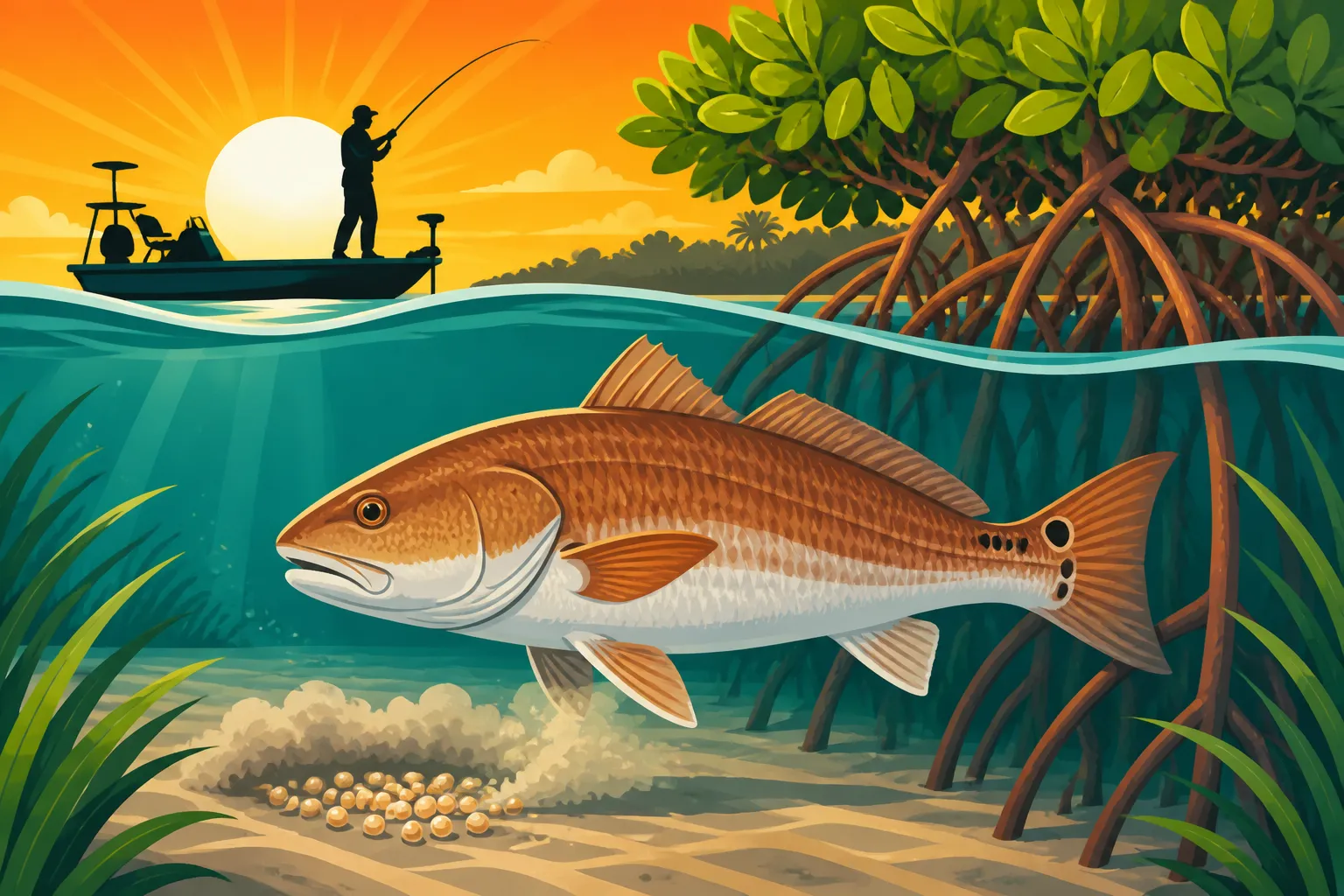
The redfish life cycle is a journey from tiny, almost invisible eggs to powerful, mature adults. Once fertilized, the eggs drift with the currents into estuaries, where they hatch into larvae. These delicate larvae then develop into juvenile redfish, seeking refuge and abundant food in the shallow, protected grass flats and mangrove-lined creeks of Florida's extensive estuarine systems. This nursery habitat is absolutely vital, providing a safe haven from predators and a rich diet for rapid growth. As they mature, typically around 3 to 5 years old, they begin to move out of the estuaries and into the nearshore coastal waters and passes, joining the adult population and eventually embarking on their own spawning migrations. This transition from protected inshore areas to more exposed nearshore habitats marks their readiness to contribute to the next generation, completing the cycle.
When and Where Redfish Spawn in Florida
Pinpointing the exact timing and location of redfish spawning in Florida is crucial for anglers. It's not a single event but a prolonged period influenced by regional differences and specific habitat requirements.
Seasonal Timing Across Florida's Coasts
Florida's vast coastline means that redfish spawning can vary slightly from one region to another. Generally, the redfish spawning season in Florida kicks off in late summer, typically August, and can extend well into the fall, often through October or even November. Along the Gulf Coast, from the Panhandle down to Southwest Florida, peak spawning tends to occur in September and October as water temperatures start to drop from their summer highs. On the Atlantic Coast, including areas like the Indian River Lagoon and up into Northeast Florida, the timing is often similar, though some activity might linger a bit longer into early winter if water conditions remain favorable. It's not a hard-and-fast rule, as annual weather patterns and water temperatures can shift these windows slightly, but consistently, late summer and fall are the prime times to be aware of.
Key Spawning Habitats and Locations
When redfish are ready to spawn, they seek out specific habitats that offer the right conditions for successful reproduction. You won't typically find them spawning deep in the backwater estuaries. Instead, they congregate in nearshore coastal waters, especially around major inlets, passes, and coastal jetties where there's a good exchange of tidal flow. Locations like the Boca Grande Pass on the Gulf Coast or Sebastian Inlet on the Atlantic side are famous for these aggregations. These areas provide deep water access for large schools, strong currents to disperse eggs, and proximity to the open ocean for larval development. They'll often school up in large numbers, sometimes numbering in the hundreds or even thousands, creating a spectacular sight for those lucky enough to witness it. These aren't necessarily the shallow grass flats we typically associate with "fishing for redfish" during other times of the year; these are deeper, more exposed areas.
Factors Influencing Spawning Aggregations
Several factors draw redfish to these specific locations and influence the formation of their massive spawning aggregations. Besides the aforementioned lunar cycles and falling water temperatures, the availability of baitfish and favorable water clarity can play a significant role. Redfish are highly migratory during this period, moving from their typical inshore foraging grounds to these deeper, high-flow areas. The strong tidal currents near inlets are essential, as they act as a natural conveyor belt, carrying the buoyant redfish eggs out into the coastal waters where they can develop away from high predation pressure in the estuaries. Understanding these movements and why they occur is crucial for anyone looking to understand the species better, whether for fishing or simply observing nature.
Impact of Spawning Season on Fishing Strategies
Anglers often get excited about "spawning runs," but it's important to approach fishing during this sensitive time with a different mindset, prioritizing the health of the species.
Changes in Redfish Behavior During Spawning
During the spawning season, redfish behavior changes dramatically. Instead of being spread out and actively foraging in shallow flats, they form large, dense schools in deeper water near inlets and passes. These schools are often comprised of large, mature fish – the future breeders of the species. While they can sometimes be incredibly aggressive, responding to any disturbance near their aggregations, they can also be surprisingly finicky. They're not always focused on eating; their primary drive is reproduction. This can mean they might strike a bait out of aggression or territoriality rather than hunger. However, repeatedly casting into these dense schools, especially with heavy gear that prolongs the fight, can put immense stress on these vital breeders. Their focus is solely on procreation, and a lengthy fight can leave them exhausted and vulnerable, impacting their ability to spawn or survive post-spawn.
Ethical Considerations for Targeting Spawning Fish
The ethical implications of targeting large, aggregated spawning redfish are a serious concern for many conservation-minded anglers. These fish are literally in the act of ensuring the species' survival. While it might be tempting to chase after these giant "bull reds," the cumulative stress from numerous catch-and-release events can have detrimental effects. Prolonged fights, especially in warm water, can lead to lactic acid buildup, exhaustion, and even mortality. Therefore, many anglers advocate for giving these fish a wide berth during their most vulnerable time, or at the very least, employing extreme caution and using appropriate gear to minimize stress. It's about balancing the thrill of the catch with the responsibility of stewardship. Florida has specific Florida Fishing Regulations and Bag Limits that apply to redfish, and these are especially important to adhere to during spawning season.
Adjusting Your Approach for Success
If you do decide to fish during the spawning season, it's essential to adjust your approach to prioritize the fish's well-being and increase your chances of a quick, clean release. Firstly, use tackle that is appropriately heavy for the size of the fish you're targeting. This means going with a stronger rod, reel, and line – typically 30 to 50 lb braided line with a strong fluorocarbon leader (many anglers find a good selection of durable fluorocarbon leader material on Amazon, which is crucial for those finicky spawning redfish). This allows you to land the fish quickly, reducing fight time and stress. Secondly, use single, barbless hooks whenever possible, as they are much easier to remove. Circle hooks are particularly effective for promoting jaw hooking, which minimizes gut hooking. Thirdly, focus on minimizing handling time. Keep the fish in the water as much as possible, especially if you're planning on catch and release. Avoid dragging them onto sandy banks or boat decks. Remember, the goal is to make sure these fish can return to their mission of making more redfish.
Conservation Efforts and Responsible Angling During Spawning
Florida has some of the best redfish populations thanks to robust conservation efforts, and every angler plays a crucial role in maintaining that success, particularly during spawning.
Florida's Regulations and Bag Limits
The Florida Fish and Wildlife Conservation Commission (FWC) has established specific regulations to protect redfish, especially the breeding stock. These regulations include strict size and bag limits, which are regularly reviewed and adjusted based on scientific data. For example, redfish in Florida often have a slot limit, meaning you can only keep fish within a certain size range (e.g., 18-27 inches). This protects both the smaller, immature fish and the larger, sexually mature "bull reds" that are so important for reproduction. Additionally, bag limits restrict the number of redfish an individual angler can keep per day. It’s absolutely vital to be familiar with the Florida Redfish Size and Bag Limits for the specific region you're fishing, as regulations can sometimes vary by management zone. These rules are not just suggestions; they are legally binding measures designed to ensure a healthy redfish population for generations to come.
Best Practices for Catch and Release
During the spawning season, catch-and-release becomes even more critical, as most of the fish encountered will be large breeders. Adhering to catch and release best practices for redfish is paramount. Here are a few key tips:
- Minimize Fight Time: Use heavy enough tackle (like a 4000-6000 series spinning reel with 30-50 lb braid) to land the fish quickly. This reduces the lactic acid buildup that can be fatal.
- Keep 'Em Wet: Avoid removing the fish from the water entirely, especially large ones. If you must lift them for a photo, do so quickly and support their entire body horizontally to protect their internal organs.
- Handle Gently: Wet your hands before touching the fish to protect its slime coat, which is vital for disease prevention. Avoid putting fingers in gills or eyes.
- Use Proper Tools: Have dehooking tools and line clippers readily available. Pliers or specialized dehookers make quick work of hook removal.
- Revive If Needed: If a fish seems sluggish upon release, gently hold it upright by the tail in the water, facing into the current, until it regains strength and swims off on its own.
By following these practices, you give that magnificent breeding redfish the best chance of survival and a successful return to its spawning mission.
The Role of Anglers in Redfish Conservation
Anglers are often the first line of defense in conservation. Our passion for fishing means we have a vested interest in healthy fish stocks. Reporting any unusual observations, adhering to regulations, and educating fellow anglers are all ways we contribute. Buying a Florida Fishing License Guide isn't just a requirement; the fees collected directly fund vital conservation programs, habitat restoration, and fisheries research, ultimately benefiting redfish and other species. Many responsible anglers also voluntarily practice "catch and release" for larger redfish year-round, recognizing their importance as breeders. Supporting organizations like the Coastal Conservation Association (CCA Florida) also helps ensure that the voices of conservation-minded anglers are heard in policy decisions. Our actions, both on and off the water, directly influence the future of Florida's redfish populations.
Identifying Spawning Behavior and Hotspots
Knowing what to look for and where to look can make all the difference in understanding and respecting redfish during their spawning season. It's not always about seeing fish; sometimes it's about hearing them.
Visual Cues and Sound Production
During the redfish spawning season, visual cues can include seeing large schools of fish congregating, often near surface activity, though they might not be actively feeding. Sometimes you'll spot them "tailing" in deeper water or showing subtle movements. However, one of the most unique and tell-tale signs of redfish spawning is their distinctive "drumming" sound. Male redfish produce a drumming noise by vibrating muscles against their swim bladder, similar to a drum. This sound is a key part of their courtship ritual and can be heard both above and below the water. On calm nights, especially around the new and full moons in late summer and early fall, you might even hear them if you're quietly drifting near known spawning grounds like major inlets or channels. If you’re ever out on the water and hear a low, rhythmic thumping sound, you might just be privy to a redfish spawning event! This auditory cue is a powerful indicator that you're in a hotspot.
Locating Spawning Aggregations
Locating these spawning aggregations requires a combination of local knowledge, understanding the tides, and sometimes a bit of luck. As mentioned, major passes and inlets are prime locations. Look for areas with deeper water, strong tidal flow, and often structure like jetties, rock piles, or channel edges. These areas provide current breaks and ambush points where large fish can gather. Often, the best time to find them is during peak tidal movements around the full and new moons. While boat navigation is often key for reaching these spots, some anglers can also find success from accessible piers or jetties that extend into these deeper channels. Consulting a How to Read a Tide Chart for Fishing can significantly improve your chances of being in the right place at the right time. Additionally, many experienced anglers pay attention to online fishing reports and local bait and tackle shop intel to gauge current conditions and identify active spawning zones.
Reading the Water and Environmental Signs
Beyond the obvious aggregations, understanding how to read the water and various environmental signs can help you identify potential redfish spawning hotspots. Look for subtle current seams, eddies, or depth changes near inlets that could create natural holding areas for large schools. Water temperature is another critical factor; as summer heat begins to wane and water temperatures start to drop into the mid-70s Fahrenheit, it often signals the onset of spawning. Water clarity, while not always a direct indicator of spawning, can affect how redfish behave and how visible they are. Additionally, keep an eye out for concentrations of baitfish, as these large redfish, even if primarily focused on spawning, will still need to feed intermittently to maintain their energy reserves. Being observant of the entire ecosystem, not just the target fish, provides valuable clues.
Gear and Techniques for Spawning Season Redfish
If you're going to target redfish during their spawning season, having the right gear and employing careful techniques are paramount for both success and conservation.
Recommended Tackle and Line Strength
When targeting large, spawning redfish, you need gear that can handle powerful fish and bring them to hand quickly to minimize stress. Forget your ultralight setups; this is a job for heavier tackle. A medium-heavy to heavy action spinning rod, around 7 to 7.5 feet long, paired with a robust spinning reel in the 4000 to 6000 series, is ideal. Brands like Shimano, Daiwa, or Penn offer reliable options. Spool your reel with 30 to 50 lb braided line, which offers incredible strength and sensitivity. For a leader, choose 40 to 60 lb fluorocarbon. The abrasion resistance of fluorocarbon is critical around rough structure like jetties, and its low visibility helps with these often wary fish. You can find a wide array of these specialized fishing lines and leaders on Amazon, making it easy to stock up before your trip. Using tackle that’s too light will prolong the fight unnecessarily, exhausting the fish and increasing the risk of mortality.
| Component | Recommendation | Key Benefit |
|---|---|---|
| Rod | 7' – 7.5' Medium-Heavy to Heavy Spinning Rod | Power to turn large fish, quick fight time |
| Reel | 4000 – 6000 Series Spinning Reel | High drag capacity, durability |
| Main Line | 30 – 50 lb Braided Line | Strength, sensitivity, minimal stretch |
| Leader | 40 – 60 lb Fluorocarbon Leader | Abrasion resistance, low visibility |
| Hooks | 4/0 – 7/0 Circle Hooks (live bait) | Promotes jaw hooking, easier release |
| Lures | Heavy Jigs, Large Soft Plastics | Reach deeper aggregations, enticing profile |
Effective Baits and Lures
Live bait is often incredibly effective for large, spawning redfish. Pinfish, mullet, or large shrimp are excellent choices when fished on a strong circle hook with minimal weight, allowing the bait to drift naturally with the current near the aggregations. For artificial enthusiasts, heavy jigs (1/2 oz to 2 oz) tipped with large soft plastic paddletails or jerkbaits are productive. Colors like chartreuse, white, or natural baitfish patterns often work well. When these fish are in full spawning mode, they might strike out of aggression or instinct rather than hunger, so a presentation that mimics a struggling baitfish can be very enticing. It's less about the finesse of Topwater Lure Fishing for Snook and more about getting a substantial offering down to where these big reds are holding. Remember, even during spawning, fish will still need to feed, albeit perhaps less intensely or opportunistically.
Stealth and Presentation Tips
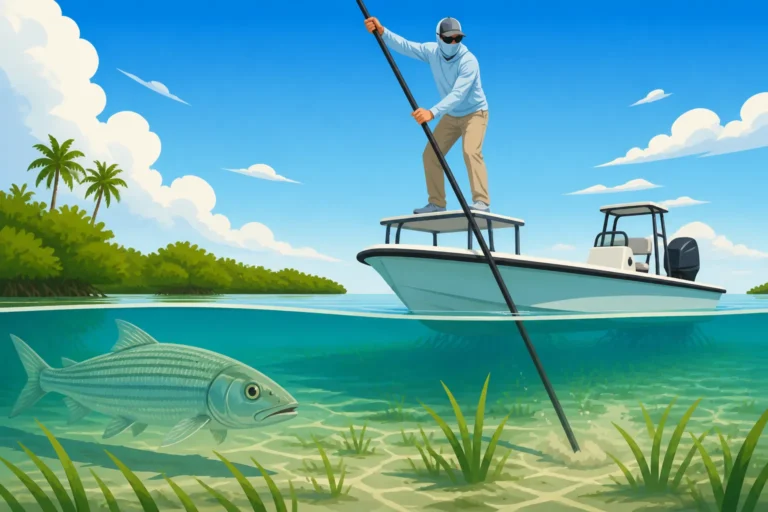
These large spawning schools can be surprisingly spooky, despite their numbers. Loud noises, sudden movements, or casting shadows over the water can send them scattering. Stealth is crucial. Approach potential hotspots quietly, using a trolling motor or poling pole if possible. When casting, aim for the edges of the school or areas slightly up-current, allowing your bait or lure to drift naturally into the aggregation. A natural presentation is key; avoid heavy splashes or unnatural retrieve patterns. If using live bait, let the current do most of the work. If using artificials, a slow, deliberate retrieve that mimics a wounded baitfish can be more effective than erratic, fast movements. Remember, the goal isn't just to catch a fish, but to do so in a way that minimizes impact on these vital breeders. Understanding the Best Tides for Inshore Fishing in Florida and how they affect current flow in these deep channels will also greatly aid your presentation.
Disclaimer
Please remember that fishing regulations, seasons, and bag limits are subject to change. Always consult the latest rules and guidelines from the Florida Fish and Wildlife Conservation Commission (FWC) before heading out on the water. This guide is for informational purposes only and does not constitute legal advice.