Best Month to Catch Snook in Florida
Trying to figure out the absolute best month to catch snook in Florida can feel like a riddle wrapped in a mystery, especially with Florida's ever-changing weather and complex regulations. Many anglers, both seasoned and new, often wonder if there's a magical time when snook are just begging to bite. This guide is here to untangle that mystery, giving you a realistic breakdown of snook seasonality and helping you plan your most successful snook fishing trips.
Understanding Snook Seasonality and Behavior
Snook are one of Florida's most iconic and sought-after inshore game fish, known for their powerful strikes and acrobatic fights. But they're also a species deeply tied to their environment, with their behavior heavily influenced by water temperature, food availability, and their reproductive cycle. Understanding these natural rhythms is crucial, because simply casting a line at any random time won't yield the consistent results you're hoping for. It's not just about what month it is on the calendar, but what's happening under the surface.
The Influence of Water Temperature
Snook are incredibly sensitive to temperature changes. Unlike some other species that can tolerate a wide range, snook thrive in warmer waters, generally preferring temperatures between 70°F and 85°F. When water temperatures dip below 60°F, snook become lethargic, their metabolism slows down, and they'll seek deeper, warmer pockets of water to escape the cold. This is why you'll often hear about snook "wintering" in canals, deep residential docks, or power plant outflows. Conversely, when waters get too hot, exceeding 90°F, snook can become stressed, and fishing for them in shallow, sun-baked areas might prove fruitless or even harmful to the fish if caught and released. These thermal sensitivities dictate their movements more than anything else, pushing them to different areas throughout the year.
Spawning Patterns and Aggression
A major driver of snook behavior, and therefore fishing success, is their spawning cycle. Snook typically spawn in the warmer months, primarily from late spring through summer, roughly May through September. During this time, large numbers of snook migrate from their typical inshore haunts in brackish rivers and estuaries to more saline waters near inlets, passes, and along beaches. This aggregation makes them more accessible, and often more aggressive as they prepare to spawn and then recover. They're focused on feeding heavily before and after spawning to build up energy and recuperate. This isn't just a biological imperative; it’s a golden opportunity for anglers. Knowing when and where these migrations occur is key to intercepting them. You might notice heightened activity around passes during the new and full moon tides during these months, as these moon phases often correlate with increased spawning activity.
Prime Snook Fishing Seasons: The "When" to Target
While snook can be caught year-round in certain conditions, there are undoubtedly peak times when your chances of hooking into a trophy are significantly higher. These periods align with their natural cycles of feeding, migration, and spawning.
Late Spring and Early Summer (May-July)
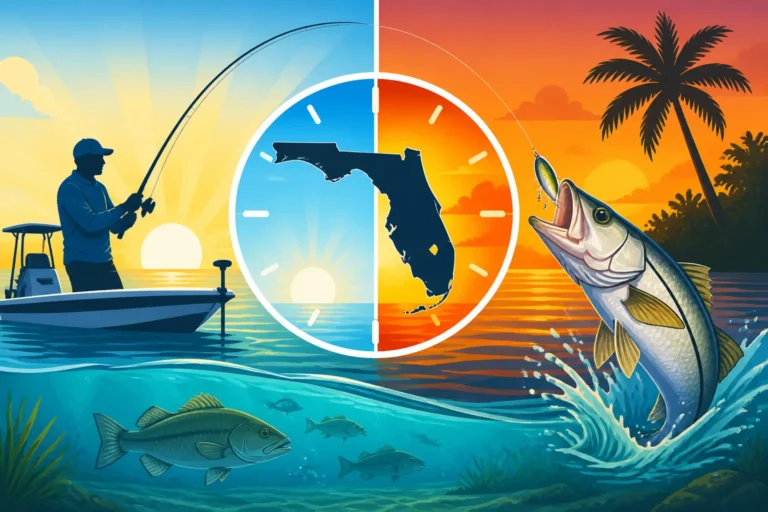
For many anglers, late spring and early summer represent the absolute pinnacle of snook fishing in Florida. This period typically sees water temperatures rising consistently into their preferred range, triggering a major shift in snook behavior. As the waters warm, snook begin to stage in preparation for their spawning season. They'll move out of their winter hideouts and start congregating in areas closer to inlets, passes, and even along the surf.
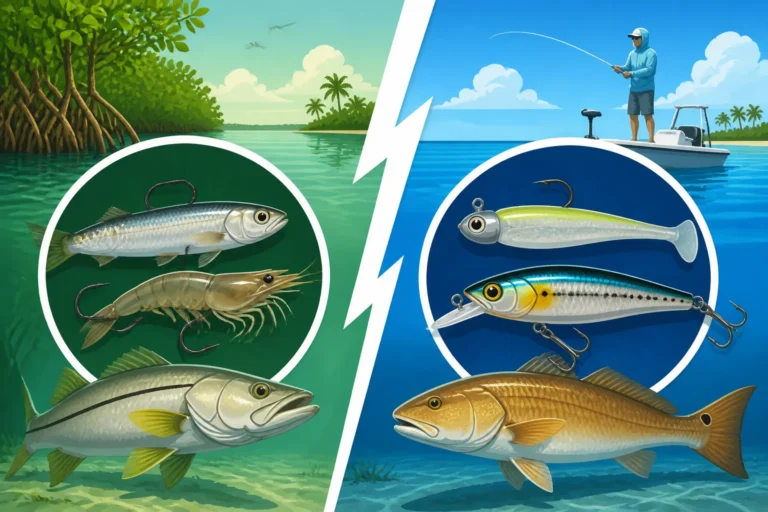
Think about places like Southwest Florida, around the Ten Thousand Islands or the passes of Charlotte Harbor, or along the beaches of the Gulf Coast. On the Atlantic side, areas like Sebastian Inlet become snook hotspots. During May and June, pre-spawn and spawning snook are often found in large numbers, making them a primary target. They're typically very aggressive, feeding heavily to fuel their reproductive efforts. Using live baits like pilchards, mullet, or sardines, or throwing artificials such as topwater plugs and lipped swimming baits can be incredibly effective. Anglers targeting these fish need to be mindful of Florida Snook Closed Season Dates that are often in effect during peak spawning times to protect the species, ensuring future populations.
Fall Migration and Feeding Frenzy (September-November)
As summer wanes and cooler temperatures begin to make their subtle appearance in early fall, snook embark on another significant migration. This is the "fall run," where post-spawn snook move back into the estuaries, rivers, and mangrove lines, often following schools of baitfish like mullet. This period, from late September through November, offers some of the most consistent and exciting snook fishing opportunities.
The snook are actively feeding to bulk up for the impending cooler winter months. They are less focused on reproduction and more on opportunistic feeding. You'll find them ambushing bait around mangrove islands, oyster bars, creek mouths, and bridge pilings. The sheer volume of baitfish migrating south along the coasts during this time creates a feeding frenzy that snook eagerly participate in. This is a fantastic time for both live bait enthusiasts and those who prefer to throw artificials. Soft plastics, jerkbaits, and even larger topwater plugs can draw explosive strikes. The water clarity is often excellent, and the milder weather makes for a more comfortable fishing experience than the scorching summer days. It's a great time to learn more about Florida Inshore Fishing Techniques as snook are often very willing to cooperate.
Here's a quick overview of snook activity by season:
| Season | Typical Months | Snook Behavior | Key Fishing Locations | Best Techniques |
|---|---|---|---|---|
| Winter | December – February | Lethargic, seek warmth in deep canals, residential docks, power plant outflows. Minimal feeding. | Deep canals, sheltered creeks, warm water discharges | Slow-moving live bait (shrimp), jigs, patience |
| Spring | March – April | Becoming more active as waters warm, moving out of wintering spots, beginning to feed more consistently. | Estuary creeks, shallow flats, canal mouths | Live bait, soft plastics, topwater (late spring) |
| Late Spring/Early Summer (Peak 1) | May – July | Pre-spawn & spawning aggregations near inlets, passes, beaches. Highly aggressive, heavy feeding. | Inlets, passes, beaches, nearshore reefs | Live bait (pilchards, mullet), topwater, jigs |
| Late Summer | August – September | Post-spawn, some still near passes, others retreating to estuaries. Still active, but can be pressured. | Inlets, passes, outer edges of estuaries, bridge pilings | Live bait, artificials (jerkbaits, soft plastics) |
| Fall (Peak 2) | October – November | Fall run, moving back into estuaries, feeding heavily on migrating baitfish. Very active and aggressive. | Mangrove lines, oyster bars, creek mouths, river bends | Live bait, topwater, soft plastics, swimbaits |
Factors Influencing Snook Bites Beyond the Calendar
While knowing the prime months is a huge advantage, truly successful snook fishing involves paying attention to more than just the date. Several dynamic environmental factors can turn a slow day into a spectacular one, or vice-versa. Understanding these nuances will elevate your game significantly.
Tides and Water Movement
For snook, tides are everything. These ambush predators rely on moving water to bring baitfish to them. An incoming or outgoing tide, especially around pinch points like passes, inlets, or creek mouths, will concentrate bait and position snook for an easy meal. Slack tide, on the other hand, is often the slowest period for snook fishing, as the lack of current means less bait movement and generally less aggressive fish. Learning how to read a tide chart and understanding how the moon phases influence tidal strength can give you a significant edge. Stronger "new moon" and "full moon" tides often result in better fishing, particularly around inlets where the current can really rip. Knowing What Tide Is Best for Snook Fishing will dramatically increase your chances.
Baitfish Presence
You can be in the "best" month, on the "best" tide, but if there's no bait around, snook won't be either. Snook are highly predatory and will follow their food source. If you see schools of mullet, pilchards, or sardines showering on the surface, chances are snook are nearby, actively feeding or waiting for an opportunity. In contrast, if an area looks barren, move on. Many successful snook anglers spend a significant portion of their trip cast netting for live bait, as frisky, natural bait can often outperform even the most expensive artificial lures from stores like Amazon. Having a livewell full of fresh bait is often the secret weapon.
Weather and Barometric Pressure
Sudden changes in weather, like cold fronts or intense summer heat, can dramatically impact snook behavior. How Cold Fronts Affect Winter Fishing in Florida is a prime example; a sharp drop in temperature can send snook scrambling for deep, warm water, making them incredibly difficult to catch for several days. Similarly, prolonged periods of extreme heat can make snook sluggish during the midday sun. Stable weather patterns, whether it's a consistent warm spell or a mild cool front, often lead to more predictable and productive fishing. Pay attention to the barometer; a steady or rising barometer often indicates stable weather and good feeding activity, while a rapidly dropping barometer ahead of a storm can sometimes trigger a pre-front bite, but often results in difficult fishing afterwards.
Regional Variations and Best Practices
Florida is a big state, and while the general principles of snook seasonality apply, specific regions might offer slightly different peak times or unique challenges. Understanding these local nuances can further refine your snook hunting strategy.
Gulf Coast vs. Atlantic Coast
While both coasts hold abundant snook populations, their specific movements can vary. On the Gulf Coast, particularly in areas like Tampa Bay or Sarasota, snook are heavily concentrated in the vast estuary systems, mangrove forests, and around the barrier islands. Their movements in and out of these areas are strongly tied to water temperature, seeking warmer pockets in winter and moving to passes and beaches for summer spawning. In the fall, the "mullet run" along the Gulf can be legendary, bringing large snook into easy casting range along the beaches and nearshore structures.
The Atlantic Coast, on the other hand, especially regions like the Indian River Lagoon and South Florida, often experiences a more defined "mullet run" in the fall, drawing massive numbers of snook along the beaches and into major inlets. Spots like Jupiter Inlet or Sebastian Inlet are world-renowned for their snook fishing during these migrations. The presence of deeper inlets and proximity to the Gulf Stream can sometimes mean snook are accessible in certain areas even in cooler temperatures, by congregating in deeper channels. Regardless of the coast, understanding Florida Fishing Regulations and Bag Limits for snook is vital, as they can sometimes have regional distinctions or seasonal closures.
Essential Gear and Conservation
No matter what month you decide to target snook, having the right gear is non-negotiable. A medium-heavy spinning rod with a fast action, paired with a reliable 4000-5000 size reel spooled with 20-30 lb braided line, is a versatile setup. A fluorocarbon leader of 30-50 lb test is crucial for abrasion resistance against their rough mouths and to be less visible in clear water. While you can find fantastic high-end gear at specialty shops, many anglers start with and find great success with more affordable, yet durable, options available on Amazon, especially for line and leader materials.
Beyond gear, practicing proper catch and release techniques is paramount, particularly since snook are a protected and highly valued species. Use circle hooks when fishing with live bait to reduce gut-hooking. Handle fish gently, support their weight horizontally, and revive them properly before release. A good pair of de-hooking pliers is essential. Learn more about Catch and Release Best Practices for Snook to ensure the health of the fish and the future of the fishery. Always check the current Florida Snook Size and Slot Limits and open seasons before heading out to ensure you are fishing legally and responsibly. It’s also a good idea to have a measuring device on hand to quickly verify lengths.
Disclaimer
Fishing conditions and regulations in Florida are subject to change. Always consult the latest rules and advisories from the Florida Fish and Wildlife Conservation Commission (FWC) before your trip. This guide is for informational purposes only and does not constitute legal advice.