When Does Florida Snook Season Close?
Trying to keep up with Florida's snook season closures can feel like navigating a constantly shifting maze. One day you hear it's open, the next it's closed, and suddenly you're wondering if you'll ever get to legally keep one of these amazing game fish. This guide is here to untangle the complexities of snook season dates, explain the reasons behind them, and help you stay informed so you can plan your fishing adventures with confidence.
Understanding Florida's Snook Season Closures
The Sunshine State is famous for its snook, a prized sport fish known for its powerful fights and delicious table fare. However, protecting these populations is paramount, which is why the Florida Fish and Wildlife Conservation Commission (FWC) implements strict seasonal closures. These aren't arbitrary rules; they're carefully crafted strategies designed to ensure healthy snook numbers for generations of anglers to enjoy. It’s a bit of a headache sometimes, especially when you just want to get out on the water, but it's for a good cause.
The Rationale Behind Seasonal Closures
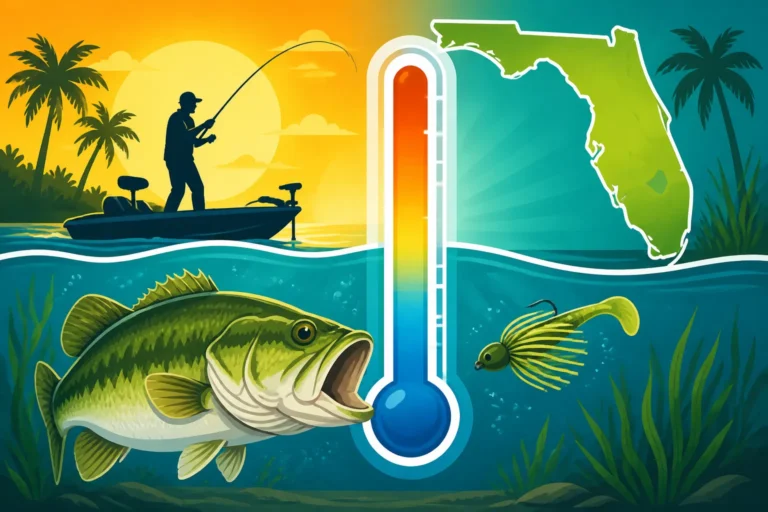
You might be asking, "Why all the closures?" The primary reason snook seasons close is to protect the fish during their most vulnerable times: spawning and periods of extreme environmental stress. Snook are particularly sensitive to cold temperatures, and prolonged cold snaps can lead to significant fish kills. By closing the season during these critical periods, the FWC aims to reduce fishing pressure and allow snook populations to recover and reproduce successfully.
Consider the Gulf Coast, for instance. Snook season traditionally closes during the cooler winter months (December through February) when snook are more susceptible to cold stress. They often stack up in deeper canals, rivers, and warmer backwaters, making them easier targets for anglers. By closing the season, it provides a much-needed reprieve, giving them a chance to conserve energy and avoid additional stress from being caught. Similarly, the summer closures are timed with their peak spawning activities. These closures allow snook to reproduce without added pressure, which is crucial for the long-term health of the species. It's about giving nature a chance to do its thing uninterrupted.
How FWC Manages Snook Seasons
The FWC uses a combination of scientific data, public input, and management zones to determine snook seasons. They constantly monitor snook populations, environmental conditions, and angler harvest data. This isn't a one-and-done decision; it's an ongoing process. If a cold weather event or a red tide bloom significantly impacts snook numbers, the FWC has the authority to implement emergency closures or modify existing season dates to protect the remaining fish. This proactive approach is vital for the sustainability of snook fishing in Florida.
They break the state into different management regions – the Gulf Coast and the Atlantic Coast being the primary ones, with special considerations for areas like the Everglades National Park. This regional approach acknowledges that snook populations and environmental conditions can vary greatly across such a large state. What works for snook in the Florida Keys might not be the best strategy for snook in the panhandle. This dynamic management ensures that regulations are as effective and localized as possible, even if it means you have to double-check the rules depending on where you're casting your line. You can learn more about how the FWC sets limits by reading our guide on Florida Fishing Regulations and Bag Limits.
Regional Variations in Snook Season
One of the biggest sources of confusion for anglers is that snook season closures are not uniform across the entire state. Florida is vast, and its diverse ecosystems mean that snook in different regions face different challenges and have different spawning patterns. What's open on one side of the state might be closed on the other, making it crucial to know your specific fishing location.
Gulf Coast Snook Season Details
For those fishing the extensive Gulf Coast, including the famous waters of Southwest Florida and the Panhandle, the snook season closures generally follow a specific pattern. The Gulf Coast, which includes all state and federal waters from the Pasco-Hernando county line south through the Florida Keys (Monroe County), has a distinct schedule.
Typically, snook fishing on the Gulf Coast is closed during two main periods:
- Winter Closure: From December 1st through the end of February. This closure is critical for protecting snook during cold fronts when they become sluggish and gather in warmer areas, making them vulnerable.
- Summer Closure: From May 1st through August 31st. This period aligns with their primary spawning season, allowing them to reproduce without the added stress of fishing pressure.
This means that Gulf Coast anglers can generally keep snook during March, April, and then again from September 1st through November 30th. Knowing these windows is essential if you're planning a trip to hotspots like Tampa Bay, Charlotte Harbor, or the 10,000 Islands. Always remember that these dates are subject to change, especially if there are significant environmental events like severe cold snaps or widespread red tide outbreaks.
Atlantic Coast Snook Season Specifics
If you're casting lines on Florida's Atlantic side, from the Georgia border down to the tip of Monroe County in the Keys (excluding the portion of Monroe County that falls under the Gulf Coast regulations), you'll find a different set of closure dates. This region includes popular areas like the Indian River Lagoon, Fort Lauderdale, and Miami canals.
The Atlantic Coast snook season typically closes:
- Winter Closure: From December 15th through January 31st. This closure, while shorter than the Gulf's, still provides protection during the colder weeks of winter.
- Summer Closure: From June 1st through August 31st. Similar to the Gulf, this closure coincides with the peak summer spawning activity for Atlantic snook populations.
So, Atlantic Coast anglers usually have an open season from February 1st through May 31st, and then again from September 1st through December 14th. It's a slightly different rhythm, and understanding these nuances can save you from a potential citation. Imagine heading out in early December on the Atlantic side, thinking you're in the clear, only to realize the closure is just around the corner. It's why staying updated is so vital. You might also want to check out our detailed guides like Florida Snook Closed Season Dates for even more specific information.
Special Rules for the Everglades National Park
The Everglades National Park, a unique and ecologically sensitive area, often has its own set of rules that can sometimes differ slightly from the broader regional regulations, especially concerning access and permitting. While the snook season dates within the park generally follow the Gulf Coast regulations (since the park primarily borders the Gulf), it's crucial to confirm any park-specific regulations.
For instance, certain areas within the park might have additional restrictions on fishing methods or vessel access to protect sensitive habitats. Always check the official Everglades National Park website or contact park rangers before your trip. This extra step ensures you're compliant with all rules, not just the state-wide ones, helping preserve this incredible natural resource. Remember, protecting places like the Everglades means adhering to their specific guidelines, which are often stricter for good reason.
Here's a quick overview of the typical snook season closure dates by region:
| Region | Winter Closure | Summer Closure |
|---|---|---|
| Gulf Coast | Dec 1 – end of Feb | May 1 – Aug 31 |
| Atlantic Coast | Dec 15 – Jan 31 | Jun 1 – Aug 31 |
Note: These dates are typical and subject to change by FWC. Always verify current regulations.
Beyond Season Dates: Other Key Snook Regulations
Knowing when snook season closes is just one piece of the puzzle. Florida has a comprehensive set of regulations for snook that go far beyond just open and closed dates. Ignoring these other rules can lead to fines, confiscation of your catch, and even suspension of your fishing privileges. It's not just about what month you're fishing; it's about how you fish and what you keep.
Snook Size and Slot Limits
One of the most critical regulations, alongside season dates, is the snook size limit, often referred to as a "slot limit." For snook, you can only keep fish that fall within a very specific size range. This is designed to protect both juvenile snook, giving them a chance to grow and mature, and the large, highly reproductive "trophy" snook, which are essential for population health.
- Gulf Coast Snook Slot Limit: Generally 28 to 33 inches total length.
- Atlantic Coast Snook Slot Limit: Generally 28 to 32 inches total length.
Any snook caught outside of this slot – whether it's too small or too large – must be immediately released unharmed. This means you need a reliable measuring device on board and should be ready to handle fish gently to ensure their survival upon release. It's a common mistake for excited anglers to keep a fish that's just a hair over the maximum or under the minimum. A fraction of an inch can make all the difference, so measure twice, keep once! For more in-depth details, check out our article on Florida Snook Size and Slot Limits.
Bag Limits and Prohibited Harvest Methods
Beyond size limits, there's also a daily bag limit for snook. This dictates how many snook an individual angler can keep in a single day. In most open seasons, the bag limit for snook is one fish per person, per day. This low bag limit underscores the FWC's commitment to conserving the species and preventing overfishing.
Furthermore, certain harvest methods are strictly prohibited when targeting snook:
- No Gigging or Spearfishing: Snook cannot be taken by gigging or spearfishing at any time.
- No Snagging: Intentionally snagging snook is also illegal.
- Gear Restrictions: While most traditional hook and line methods are fine, it's always wise to confirm if any specific tackle or gear restrictions apply to your chosen fishing spot, especially in protected areas.
These rules ensure that snook are targeted ethically and sustainably. The goal isn't to make it impossible to catch snook, but to ensure that when you do, it's done responsibly and within limits that support their ongoing survival. Remember, it's always Catch and Release Best Practices for Snook if you're unsure or if the fish falls outside the legal slot.
The Importance of a Snook Permit
Here's a detail many anglers sometimes overlook: in addition to your regular Florida Saltwater Fishing License Rules, if you intend to harvest and keep a snook, you must also purchase a separate snook permit. This permit is an annual endorsement that costs a small fee, and the revenue generated goes directly towards snook research and conservation efforts.
You can typically add the snook permit to your fishing license when you purchase it online through the FWC's Go Outdoors Florida platform, at a local tackle shop, or from a county tax collector's office. Think of it as your explicit permission slip to take a snook home for dinner. Fishing for snook without the intent to keep them (i.e., strictly catch and release) does not require a snook permit, but you still need your general saltwater fishing license. This distinction is important and can save you a hassle if you're stopped by FWC officers. Always ensure you have both your valid fishing license and the snook permit if you plan to keep one. Dive deeper into this by reading our Florida Snook Permit Requirements guide.
Staying Current with Snook Season Information
The world of fishing regulations, especially for a prized species like snook, is not static. Rules can and do change, sometimes with little warning, due to environmental factors, updated scientific assessments, or public feedback. The last thing any angler wants is to accidentally violate a regulation they weren't aware of. It happens more often than you'd think, and it's a real bummer.
Best Ways to Check Current Regulations
To avoid any unwelcome surprises, making it a habit to check the most current regulations before every snook fishing trip is paramount. There are several reliable resources at your fingertips:
- FWC Website: The official Florida Fish and Wildlife Conservation Commission (myfwc.com) website is the absolute best source for the most up-to-date and accurate information. They have dedicated sections for saltwater fishing regulations, often with detailed maps and easily digestible summaries. This should always be your first stop.
- FWC Fish|Hunt FL App: The FWC offers a free mobile application for both iOS and Android devices called "Fish|Hunt FL." This app is incredibly handy, providing instant access to regulations, season dates, bag limits, and even local weather and tide information. Having it on your phone is like carrying a digital FWC rulebook in your pocket.
- Local Tackle Shops: Your local bait and tackle shop owners and staff are often invaluable resources. They're usually well-versed in current local regulations and can offer practical advice. Many shops even have printed regulation summaries available.
- Fishing Guides and Charters: If you're heading out with a professional fishing guide or charter captain, they are legally obligated to know and follow all current regulations. They're a fantastic source of information, and their expertise ensures your trip is compliant. While you don't need a license on a charter, they're typically great for informing you about all the latest rules.
Don't rely on old websites, hearsay from a buddy, or what someone said on a social media forum last year. Always go straight to the official sources.
Why Rules Can Change Unexpectedly
It can be frustrating when regulations seem to shift without much notice, especially when you've planned a trip around specific dates. However, these changes are rarely arbitrary. They are usually a direct response to real-world ecological conditions or scientific findings.
For example, a severe winter cold snap could cause a significant snook kill in certain areas. To protect the remaining population, the FWC might implement an emergency closure, extending the typical winter closure or initiating one outside of the usual dates. Similarly, if there's a prolonged red tide event that impacts snook health or availability, emergency measures might be put in place. These decisions are made with the long-term health of the snook fishery in mind, even if they create temporary inconveniences for anglers. It's often the best move for conservation and helps ensure there are fish to catch in the future.
By understanding that these changes serve a critical purpose and by utilizing the readily available official resources, you can keep yourself informed and enjoy Florida's incredible snook fishery responsibly, no matter when you decide to cast your line.
Disclaimer
Please note that fishing regulations, including season dates, size limits, and bag limits, are subject to change by the Florida Fish and Wildlife Conservation Commission (FWC). While this guide provides general information, it is crucial for all anglers to verify the most current regulations directly through official FWC channels (myfwc.com or the Fish|Hunt FL app) before engaging in any fishing activity. This article is for informational purposes only and should not be considered a substitute for official FWC guidelines.