Why Slack Tide Is the Worst Time to Fish
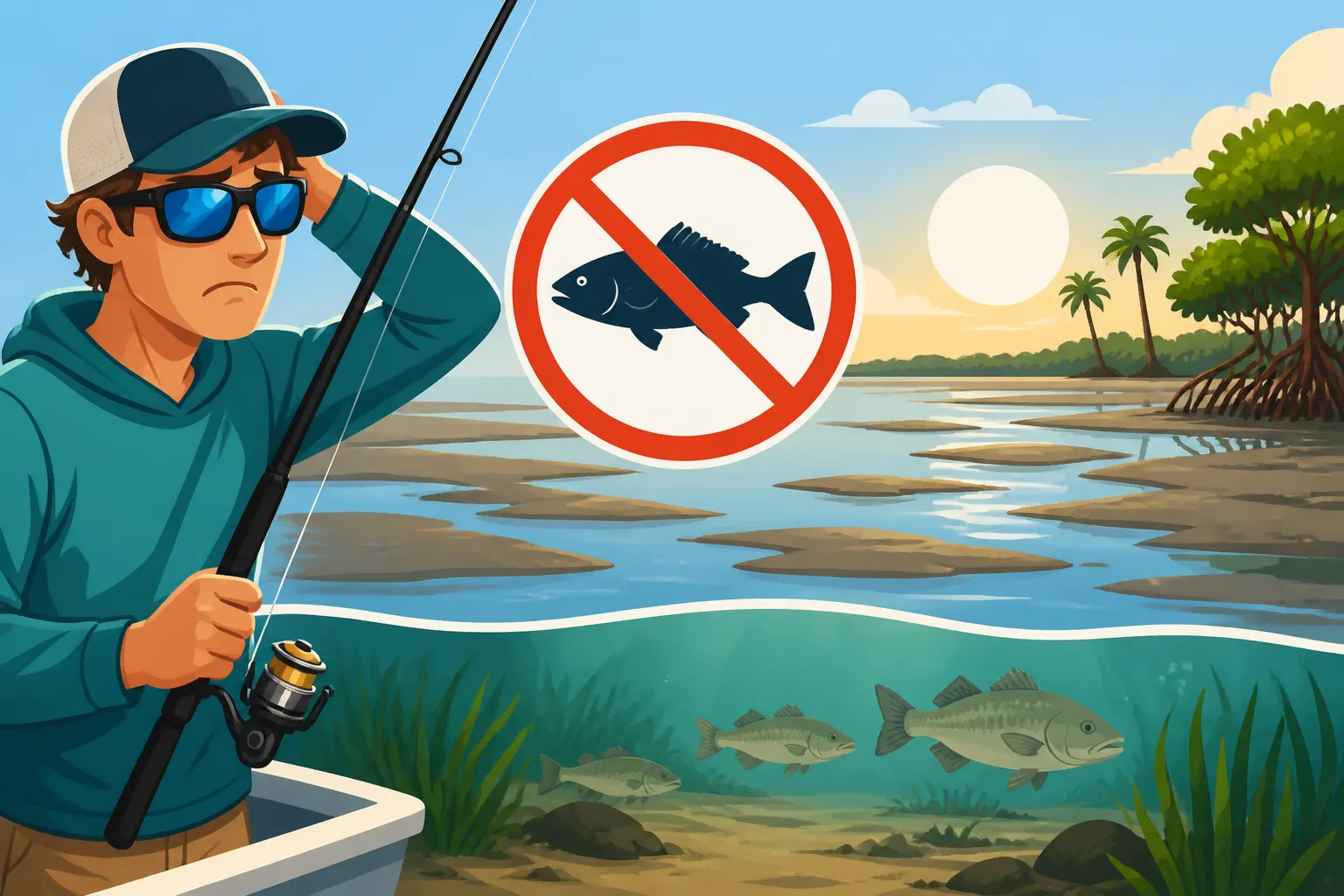
It's happened to all of us: you get out on the water, the weather's perfect, your gear is ready, and then… nothing. The fish just aren't biting, and the water around you seems strangely still. This frustrating scenario is often a tell-tale sign that you've hit what anglers call "slack tide," a period notorious for making even the most seasoned Florida fisherman feel like they've lost their touch. This guide is here to explain exactly why slack tide can be such a challenge and, more importantly, how you can navigate it or avoid it altogether for more successful days on the water.
Understanding Tides and Their Influence on Florida Fishing
Before we dive into why slack tide is such a buzzkill, it's essential to grasp the fundamental role that tides play in Florida's vast and diverse fishing environments. From the tranquil bays of the Panhandle to the dynamic flats of the Keys, tidal movements are the lifeblood of our aquatic ecosystems, dictating everything from nutrient distribution to fish behavior.
The Mechanics of Tides in Florida
Tides are, at their core, the rhythmic rise and fall of sea levels, primarily driven by the gravitational pull of the moon and, to a lesser extent, the sun. As the moon orbits Earth, its gravity tugs on the oceans, creating bulges of water on both the side facing the moon and the opposite side. Here in Florida, with our extensive coastline on both the Gulf and Atlantic, we experience these tidal shifts profoundly. We typically see two high tides and two low tides within roughly a 24-hour cycle, though this can vary depending on your specific location and local geography.
These gravitational forces don't just lift and drop the water; they also generate powerful currents. As the water rushes in towards high tide, it creates an "incoming" or "flood" current. Conversely, as it retreats towards low tide, it produces an "outgoing" or "ebb" current. The speed and strength of these currents are critical. They scour the bottom, move baitfish, and distribute oxygen and nutrients throughout the water column, essentially stirring the pot for all marine life.
Understanding these mechanics is your first step to becoming a more effective angler. It’s not just about knowing when high tide is, but also understanding the direction and velocity of the water movement. A solid Florida Fishing License Guide will often emphasize the importance of understanding local regulations, but a good angler knows that understanding local tides is just as crucial for success.
Why Fish Respond to Tidal Movement
Fish aren't just swimming aimlessly; they are incredibly attuned to their environment, and tidal currents are perhaps one of the most significant environmental cues for them. Think about it from a fish's perspective: strong currents act like a conveyor belt, bringing food right to them. Baitfish, shrimp, and crabs are often swept along by moving water, creating easy ambush opportunities for predators like snook, redfish, and trout.
Beyond food delivery, currents also provide other benefits. They can help flush out stagnant areas, bringing in oxygenated water, which is vital for fish health and activity. Many species will position themselves strategically during moving tides, using structures like oyster bars, mangrove roots, or bridge pilings as current breaks. This allows them to conserve energy while waiting for prey to be swept past, much like a hungry hunter waiting at a watering hole.
Different species have varying preferences. Some, like tarpon, absolutely thrive on strong tidal flows, using them to hunt massive schools of bait. Others, such as certain bottom dwellers, might prefer slightly calmer, but still moving, water. The key takeaway is that movement in the water often equals movement in the fish population, usually leading to more feeding activity and better chances for you to hook up. Learning Florida Inshore Fishing Techniques often starts with understanding how fish behave on different tides.
The Dreaded Slack Tide: What It Is and Why It's a Bust
Now that we appreciate the importance of moving water, let's turn our attention to its opposite: the notorious slack tide. This period can be incredibly frustrating for anglers, often leading to long stretches of inactivity and questioning one's fishing abilities.
Defining Slack Tide and Its Characteristics
Slack tide refers to those brief, tranquil moments when the water flow essentially pauses between an incoming and outgoing tide, or vice versa. It's the transition point, the calm before or after the storm of tidal currents. You'll experience slack high tide when the water has reached its maximum height and just before it starts to recede. Similarly, slack low tide occurs when the water has reached its lowest point and is just about to begin its incoming flow.
Visually, slack tide is unmistakable. The water surface becomes glassy, the lines on your fishing rod barely twitch, and any floating debris seems to just hang in place rather than drift. From a boat, you might notice your anchor line hanging straight down, or if you're drifting, your boat will remain relatively stationary. This lack of current can last anywhere from a few minutes to an hour or even more, depending on the specific location and the strength of the overall tidal swing. It's a period of eerie quiet that often coincides with an equally quiet bite.
Experiencing slack tide can feel like the world has paused, and unfortunately, the fish often seem to hit the pause button with it. It’s a stark contrast to the lively currents that energize fishing spots. Many anglers who rely on knowing Best Time of Day to Fish in Florida quickly learn to avoid these periods.
The Biological Reasons Fish Go Dormant
So, why do fish seem to shut down during slack tide? It boils down to a combination of biological and environmental factors. First and foremost, the lack of current means the "conveyor belt" of food stops. Baitfish and other prey are no longer being actively swept past ambush points, forcing predators to expend more energy searching for food in a less efficient manner. Many predatory fish are ambush hunters; they rely on the current to bring their meals to them or to help them stalk prey effectively. Without that current, their hunting strategy is severely hampered.
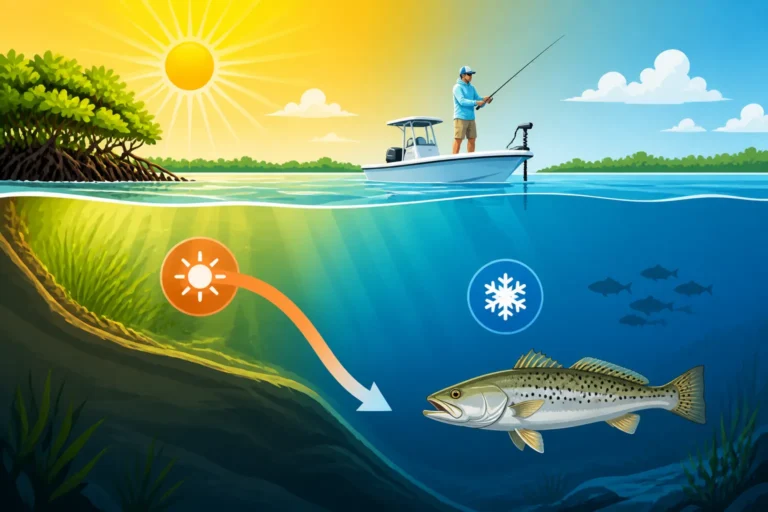
Secondly, water quality can become an issue in certain areas during slack tide. Stagnant water can lead to lower dissolved oxygen levels, especially in warmer, shallower areas or around dense vegetation. Fish, like all aerobic organisms, need oxygen, and a drop in its availability can make them lethargic and less inclined to feed. They might move to deeper, cooler, or more oxygenated water, dispersing from their usual feeding grounds.
Finally, during slack tide, fish often lose the cover and strategic advantages that current provides. When the water is moving, fish can use eddies and current seams to hide from predators or to surprise prey. In still water, these advantages disappear, potentially making them feel more exposed. This can lead to a general sense of unease and a reduction in active feeding, as they prioritize safety or conserving energy. It's a fundamental shift in the entire underwater dynamic, leading to a noticeable drop in bites for most species.
Navigating Slack Tide: Strategies for When You Can't Avoid It
Let's be real, life happens. Sometimes, despite your best efforts, your fishing window might coincide perfectly with a slack tide. Does that mean you pack up and go home? Not necessarily! While it's generally the "worst time to fish," there are strategies you can employ to potentially salvage your trip.
Targeting Different Depths and Structures
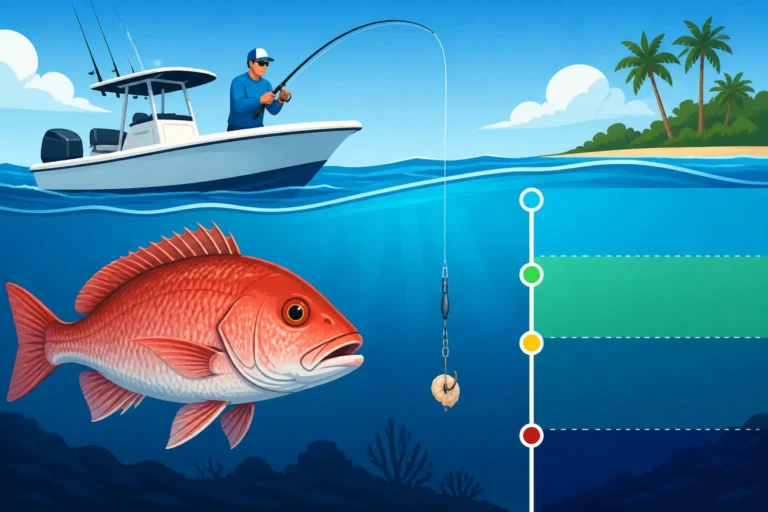
When the current dies, fish often change their behavior and location. Instead of actively hunting in open water or along current lines, they tend to seek refuge or congregate in areas that offer different advantages. This means you need to rethink your approach and focus on structure. Deep holes, for instance, become prime targets. Fish often retreat to these cooler, more stable areas during slack water, waiting for the current to pick up again. Look for obvious depressions or channels in the bottom using your electronics.
Bridges, docks, and pilings also become crucial. These structures offer shade and a sense of security, and fish may stack up tightly against them, even if there's no current. Artificial reefs and natural rock piles offshore are also excellent choices, as they provide complex habitats that fish will cling to regardless of tidal movement. Instead of relying on the current to bring fish to you, you're now actively hunting where they are likely hiding out. This shift in tactics is vital, moving from a passive "wait and see" to an active "seek and find" mentality.
Consider that even during slack tide, fish will still be present around certain features. Focus on areas where fish can exert minimal energy or find cover. For example, the shadowy undersides of docks or bridges can provide a dark, secure spot. Or, if you're in an area with oyster bars, fish might position themselves inside the structure rather than along its edges, waiting for the water to start moving again. Having the right Florida Saltwater Fishing License Rules ensures you're ready for whatever opportunities arise.
Adapting Your Presentation and Baits
During periods of strong current, fish are often aggressive, reacting quickly to fast-moving baits. But at slack tide, that aggression usually vanishes. This means your presentation needs a complete overhaul. Think slow, subtle, and scent-driven. Instead of rapidly retrieving a lure, try a much slower, almost dead-stick presentation. Small, finesse baits that flutter slowly rather than dart rapidly can be more effective. If you're using artificial lures, consider those with built-in scent or add a scent attractant. Products from brands like Pro-Cure or Fishbites, easily found on platforms like Amazon, can make a huge difference in enticing a reluctant fish to bite.
Live bait often shines during slack periods because it provides natural movement and scent without you having to impart much action. A live shrimp or a struggling pilchard, slowly sinking or gently twitching near a structure, can be irresistible even to a lethargic fish. Consider downsizing your tackle – lighter line, smaller hooks, and less weight can make your bait appear more natural and less threatening. The goal is to present an easy, appealing meal that requires minimal effort from the fish, catering to their reduced energy levels and increased caution.
This is also a good time to experiment with different depths within a chosen structure. If you're fishing near a bridge, don't just cast to the surface; try letting your bait sink all the way to the bottom, then slowly retrieve it. Fish might be suspended at various depths, and a patient, methodical approach will increase your chances of finding them. Remember, patience is your greatest virtue during slack tide; a quick, aggressive approach will likely yield nothing. Sometimes the Best Live Bait for Florida Inshore Fishing is the only thing that will tempt a bite during these calm periods.
Considering Alternative Species or Locations
If your primary target species, like snook or redfish, are completely shut down by the slack tide, it might be time to pivot. Some fish are less affected by tidal movements or even prefer calmer conditions. For instance, in freshwater systems, tidal influence is often minimal or nonexistent. If you're near a river or a lake, switching to Florida Bass Fishing Techniques might be a viable option. Largemouth bass in Florida's many lakes and canals aren't governed by ocean tides and might offer consistent action.
Even in saltwater, some species may be more tolerant of slack water. Catfish, for example, are opportunistic feeders and often active regardless of current. Mangrove snapper, while typically more active with current, can sometimes be picked off around deep structure during slack periods with persistent bait presentations. This is also a good time to explore private ponds or impoundments where the fishing isn't dictated by the ocean's rhythm.
While the main intent of your trip might be to target specific gamefish, a willingness to adapt and target alternative species or entirely different environments can save a slow fishing day. Always have a backup plan, especially when dealing with unpredictable natural elements like tides. Sometimes, simply changing scenery, even if it's just moving from a tidal flat to a nearby canal, can make all the difference and turn a frustrating day into a rewarding one.
The Best Times to Fish Around the Tides in Florida
While slack tide might throw a wrench in your plans, the good news is that the periods just before and after it are often the most productive. Understanding and leveraging these windows can dramatically increase your success rate.
The Power of Moving Water: Incoming and Outgoing Tides
The real magic happens when the water is moving – both on the incoming (flood) and outgoing (ebb) tides. These periods are when the entire ecosystem comes alive.
During an incoming tide, as the water flows into bays, estuaries, and flats, it brings with it cooler, cleaner, and often more oxygenated water from the deeper channels or ocean. This influx often pushes baitfish and other small marine organisms into new feeding grounds or washes them out from protective cover, making them vulnerable. Predators will position themselves at choke points, creek mouths, and the edges of flats, waiting to ambush anything the current brings their way. It’s like the buffet line opening up.
Conversely, an outgoing tide can be equally, if not more, productive. As the water recedes from the shallower flats and mangrove shorelines, it flushes out baitfish, shrimp, and crabs that have been hiding or feeding in these areas. These creatures are then swept into deeper channels, passes, and around points, where larger predatory fish are often lying in wait. The last hour or two of an outgoing tide, especially when it coincides with a falling sun, can lead to incredible feeding frenzies as fish take advantage of the easy meals being delivered right to them. Learning to read tide charts and understand these movements is key to successful fishing in Florida.
Timing Your Trip for Optimal Success
The best way to consistently catch fish in Florida's tidal waters is to plan your trip around these moving water periods. Don't just show up and hope for the best; grab a tide chart! You can find these online, in local tackle shops, or through fishing apps available on your smartphone. Many excellent apps and resources are easily accessible, including some of the best fishing apps on Amazon. Pay close attention to the predicted times for high tide and low tide, and then strategically plan to be fishing during the two to three hours leading up to and following these peak times. This means targeting the strongest current flows.
Another factor to consider is the "solunar theory," which suggests that fish activity is influenced by the moon's position relative to the earth and sun. While not as universally accepted as tidal influence, many anglers swear by it, claiming that fishing can be particularly good during specific moon phases (like new and full moons, which also often coincide with stronger tides) and during the "major" and "minor" feeding times predicted by solunar tables. Combining a good tide chart with a solunar calendar can provide an even more precise window of opportunity, maximizing your chances of a successful outing. Ultimately, preparation and understanding the rhythm of the tides are your most powerful tools for avoiding the frustration of slack water and hitting those prime bite windows.
| Tide Phase | Water Movement | Fish Behavior | Fishing Impact |
|---|---|---|---|
| Incoming Tide | Strong | Fish move onto flats, near structure, actively hunting as bait is pushed in. Increased oxygen and food availability. | Excellent: Active feeding, fish more predictable. |
| Slack High | Minimal | Fish disperse, seek deep holes or dense cover, become lethargic. Reduced hunting efficiency. | Poor: Fish generally inactive, harder to locate, light bites. |
| Outgoing Tide | Strong | Fish retreat from flats, ambush points become active as bait is flushed out. High energy expenditure from bait. | Excellent: Often leads to aggressive feeding, especially near passes and channels. |
| Slack Low | Minimal | Similar to slack high, fish wait in deeper pockets or channels for the next influx of water. | Poor: Fish generally inactive, seeking refuge. |
In conclusion, while the allure of a calm, glassy water surface during slack tide might seem peaceful, it's often a deceptive calm that hides a lack of fish activity. The real key to consistent success in Florida fishing lies in understanding and respecting the power of moving water. By planning your trips around the incoming and outgoing tides, adapting your techniques when you can't avoid slack periods, and always staying attuned to the natural rhythms of our beautiful coastal waters, you'll spend less time frustrated and more time enjoying those exhilarating hook-ups. Tight lines, fellow anglers!
Disclaimer
This article is for general informational purposes only and does not constitute professional advice. Laws, prices and regulations vary by location and change over time. Consult a qualified professional for guidance on your specific situation.