How to Fish a Jig Head for Grouper
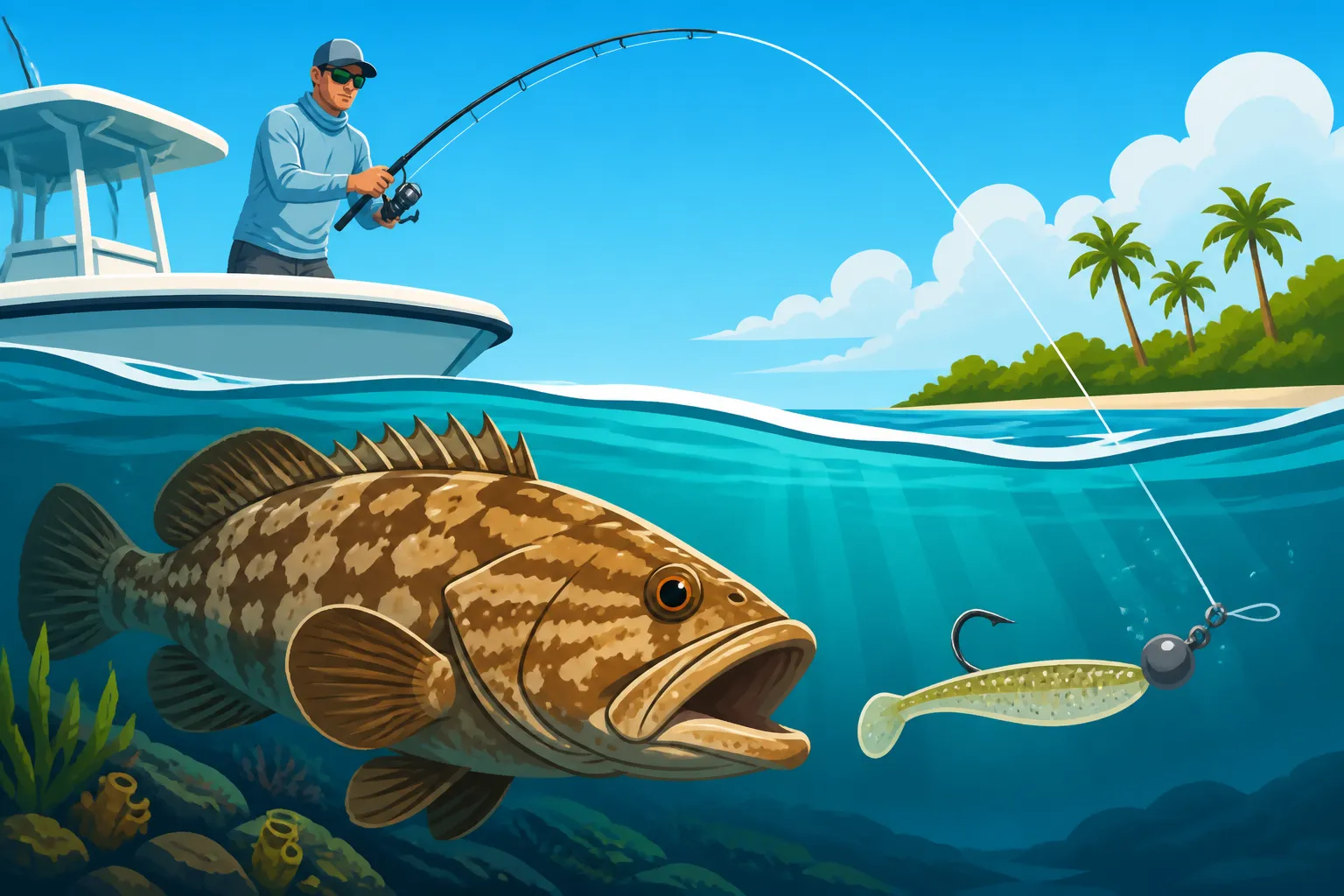
It’s a scene all too familiar for anglers in Florida: you drop your jig down to the depths, feel that satisfying thump as it hits the bottom, and then… nothing. Or worse, you feel a subtle tug, get excited, only to find your line snagged hopelessly on a rock, losing yet another expensive jig. Grouper, those elusive bottom dwellers, are masters of their rocky domains, making them incredibly fun but equally challenging to target. This comprehensive guide is here to unravel the mysteries of how to effectively fish a jig head for grouper in Florida, turning those frustrating snags and missed bites into thrilling victories.
Understanding Grouper Behavior and Habitat for Jigging
To outsmart a grouper, you first need to think like one. These fish aren't just swimming around aimlessly; they are strategic predators that depend on their environment for ambush and protection.
Where Grouper Hide
Grouper are ambush predators by nature, which means they prefer to lurk within or very close to structure, waiting for an unsuspecting meal to swim by. This "structure" can be anything from natural rock ledges and coral reefs to artificial reefs and shipwrecks scattered across Florida’s diverse coastlines. They use these features for cover, making them incredibly difficult to spot and even harder to extract once hooked.
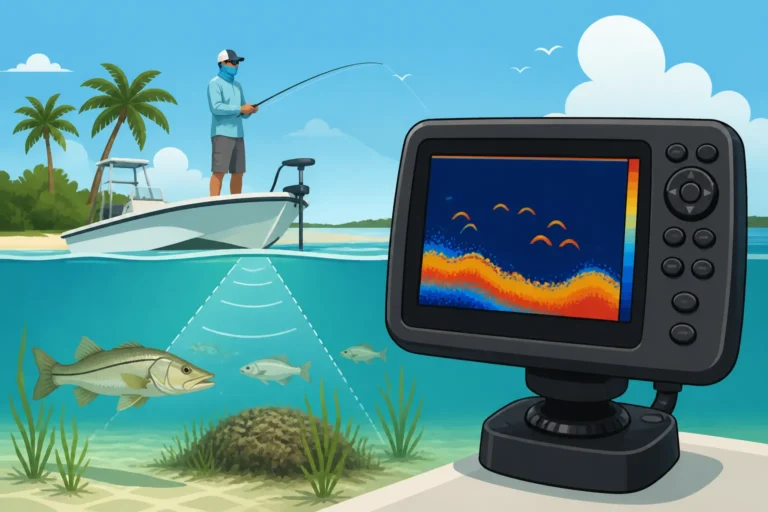
Imagine trying to catch a fish that lives in a fortress of jagged rocks. Your job is to present a jig so enticingly close to their lair that they can't resist, but also be ready to pull them out of it before they can retreat. This is why having a good understanding of the bottom topography of your chosen fishing spot is paramount. Modern electronics, like detailed sonar and GPS mapping, are invaluable tools for locating these hidden havens. When fishing the Gulf Coast, for instance, known for its extensive limestone formations and numerous artificial reefs, understanding how to read your electronics to pinpoint subtle changes in depth or bottom composition will significantly increase your success rate. Without good intel, you're essentially dropping your jig into a giant, watery haystack.
One of the biggest frustrations for anglers targeting grouper is getting snagged. This isn't just bad luck; it’s a direct consequence of grouper's chosen habitat. They live inside the structure, not just on top of it. They’ll often strike and immediately dive back into the sharp edges of rocks or wrecks, attempting to cut your line. Learning to anticipate this move and react with a powerful, immediate retrieve is a crucial part of jigging for these powerful fish. It's a constant battle between their instinct to hide and your ability to pull them free.
Seasonal Movements and Depths
Grouper are not static creatures; their whereabouts change throughout the year, primarily influenced by water temperature, spawning patterns, and the availability of baitfish. Knowing these seasonal shifts is key to knowing where to focus your jigging efforts and what size jig head to use.
During the cooler months, typically late fall and winter, many species, especially the popular gag grouper, tend to move into shallower, nearshore waters. This makes them more accessible to anglers in smaller boats or even those fishing from larger piers and bridges in certain areas. You might find them in waters as shallow as 30 to 60 feet. However, as the water warms up in spring and summer, these same fish, along with red grouper and other deeper species, migrate offshore to much deeper, cooler waters, often exceeding 100 feet. Some deeper-dwelling species like snowy grouper can be found in several hundred feet of water year-round.
This means your jigging setup needs to be adaptable. Targeting gag grouper in 40 feet of water during a cool December afternoon off St. Petersburg might require a 1 to 2-ounce jig head. But come August, if you’re searching for red grouper off the coast of Destin in 150 feet of water with a strong current, you’ll be reaching for a 6 to 8-ounce jig head or even heavier. For more specifics on when and where to find different species, consulting a detailed Florida Grouper Fishing Guide can provide invaluable insights. Always remember that understanding these patterns, combined with checking the latest Florida Fishing Regulations and Bag Limits, ensures you're not only successful but also fishing responsibly.
Choosing the Right Jig Head and Soft Plastic for Grouper
The effectiveness of your jigging technique hinges significantly on selecting the correct jig head and pairing it with the ideal soft plastic bait. This isn't a "one size fits all" situation; it requires thoughtful consideration of the conditions and target species.
Jig Head Weight and Hook Size
The "right" jig head weight is arguably the most critical decision when jigging for grouper. It's a delicate balance: you need enough weight to get your jig to the bottom and keep it there, but not so much that it plunges unnaturally or becomes cumbersome to work. As a general rule, use the lightest jig head that still allows you to maintain consistent bottom contact and feel the subtle bites.
For shallower, nearshore waters (20-60 feet), a 1/2 ounce to 2-ounce jig head is typically sufficient. This lighter weight allows for a slower, more enticing fall, which can be crucial when grouper are less aggressive. As you move offshore into deeper waters (60-150 feet or more), current becomes a major factor, necessitating heavier jigs. Expect to use 3-ounce to 8-ounce jig heads, and for extreme depths or very strong currents, some anglers might even carry 10-ounce or heavier options. Many anglers find a good selection of quality jig heads, like those from prominent brands such as Mustad or VMC, can be found readily on Amazon.
Equally important is the hook size and strength. Grouper have incredibly powerful jaws and are masters at engulfing their prey. A flimsy hook will simply bend or break under the strain of a strong hookset or a sustained fight. For most adult grouper, a stout 7/0 to 9/0 heavy-duty jig hook is a reliable starting point. Ensure the hook is made from high-carbon steel or another strong alloy. A common mistake is using a hook that's too small for the expected fish size or the soft plastic bait, leading to poor hooksets and lost fish. Always err on the side of a larger, stronger hook when in doubt.
Soft Plastic Baits: Types and Colors
Soft plastic baits offer incredible versatility and can perfectly imitate the natural forage of grouper. The key is to select baits that mimic the appearance and action of local baitfish such as pinfish, grunts, mullet, and various crustaceans that grouper prey upon.
Swimbait-style soft plastics, characterized by a paddle-shaped tail, are exceptionally popular. These tails create a lifelike swimming action and vibration in the water, even with minimal retrieve, making them irresistible to grouper. Curl-tail grubs are another excellent choice, providing a different type of enticing movement as they fall or are retrieved. The length of your soft plastic should generally match the size of the prey grouper are feeding on. For most adult grouper, a 6-inch to 10-inch soft plastic is a good size. Don't be afraid to go larger if you're targeting truly big fish; a larger profile can attract a larger bite.
When it comes to color, natural hues like white, pearl, chartreuse, natural browns, and greens are reliable choices, especially in clear water conditions. However, don't hesitate to experiment with brighter, more vibrant colors like pink, orange, or even glow-in-the-dark options, particularly when fishing in deeper, darker waters or during low light conditions where visibility is reduced. Sometimes a seemingly "unnatural" color can trigger a strike when others fail. Brands like Z-Man (known for their durable ElaZtech material), Berkley Gulp!, and even local Florida brands offer a wide array of effective soft plastics. Many experienced anglers keep a diverse selection of shapes and colors in their tackle box, often replenished through online retailers like Amazon, to adapt to changing conditions and grouper preferences.
| Depth (Feet) | Jig Head Weight (Oz) | Recommended Hook Size | Typical Soft Plastic Length (Inches) | Target Grouper Species |
|---|---|---|---|---|
| 20-60 | 1/2 – 2 | 6/0 – 8/0 | 5-7 | Gag, Black, Red |
| 60-100 | 3 – 6 | 7/0 – 9/0 | 6-9 | Gag, Red, Black |
| 100-150+ | 6 – 10+ | 8/0 – 10/0 | 8-10+ | Red, Snowy, Scamp |
Mastering Jigging Techniques for Grouper in Florida Waters
Once you have the right gear, it's all about how you present that jig. Grouper can be picky, and a subtle adjustment in your technique can often be the difference between a frustrating trip and a triumphant one.
The Vertical Jig and Yo-Yo Retrieve
The vertical jig and yo-yo retrieve is a fundamental technique for targeting grouper, especially when you're positioned directly over known structure or a hotspot identified on your sonar. The premise is simple: get your jig straight down to the bottom, and then work it in a way that mimics a wounded or fleeing baitfish.
Once your jig hits the bottom – and you'll often feel a distinct "thump" if you're using braided line – engage your reel and immediately take up any slack. The "yo-yo" retrieve involves sharply lifting your rod tip, typically 1 to 3 feet, then allowing the jig to fall back down on a semi-slack line. The bite, more often than not, occurs as the jig is falling, so it’s critical to pay close attention to your line and rod tip during this phase. Any hesitation, twitch, or unnatural movement in the line could signal a strike. If you feel anything at all, set the hook with authority! This is not the time for a gentle wrist flick; a powerful, upward sweep of the rod is necessary to drive that large hook home into a grouper's tough mouth.
The key to this technique is patience and rhythm. Don't rush your retrieve. Allow the jig to sit on the bottom for a few seconds occasionally, then give it a sharp lift. Sometimes, that pause is all it takes to convince a wary grouper to strike. This technique is often discussed in broader guides on Jigging Technique for Grouper, highlighting the importance of feel and timing. Remember, once hooked, a grouper will immediately try to "rock you up" – dash back into the structure. Your immediate, forceful reaction to pull them away from cover is paramount in preventing a lost fish.
Drift Jigging and Casting to Structure
While vertical jigging is effective over specific points, sometimes you need to cover more ground or approach structure from a different angle. This is where drift jigging and casting come into their own, offering versatility in varying conditions.
Drift jigging allows you to present your jig across a wider area of reef, rock pile, or broken bottom. By allowing your boat to drift with the current or wind, you can effectively present your jig over a broader swath of grouper habitat. To do this successfully, you'll need to manage your drift speed. Deploying a drift sock (also known as a sea anchor) can slow your boat down, giving your jig more time in the strike zone and helping maintain better bottom contact. You'll cast your jig slightly up-current or up-drift, let it sink to the bottom, and then work it with a series of lifts and drops as your boat slowly moves along. This technique is similar to the Drift Fishing Technique for Grouper used with live bait, but adapted for artificials.
Casting specifically to visible or electronically identified structure is another highly effective tactic, especially in shallower waters where you can position your boat slightly away from the target area. Cast your jig past the structure and then retrieve it, working it directly over and through the fish-holding zones. This can be particularly effective for grouper that might be spooked by a boat directly overhead. Both drift jigging and casting require excellent line management. Too much slack line will make it difficult to feel bites, especially in current, and will hinder your hookset. Using sensitive braided line, as we'll discuss, greatly aids in this.
Proper Rod, Reel, and Line Setup
Successfully jigging for grouper demands robust, reliable tackle that can withstand the brutal power of these fish and the unforgiving environment they inhabit.
- Rods: Forget your light freshwater gear. For grouper jigging, you need a heavy-action rod, typically 6'6" to 8 feet in length, with a fast taper. This combination provides the raw power for a solid hookset and the leverage to "horse" a grouper away from structure, while the fast tip still offers enough sensitivity to detect subtle bites. Rods rated for 30-80 lb line are common. Many seasoned anglers prefer conventional rods for their superior winching power, especially in deeper water, but powerful spinning setups can also be very effective, particularly for casting. Durable rod brands like St. Croix, Penn, or Ugly Stik are often trusted for this demanding style of fishing and can be easily found at major retailers or on Amazon.
- Reels: Your reel must be an absolute workhorse with a strong, smooth drag system and robust gearing. For conventional setups, a star or lever drag reel in a 30 to 50 size, such as a Penn Fathom or a Daiwa Saltiga, is ideal. These reels are designed for deep-water battles and offer excellent cranking power. If you opt for spinning gear, look for a heavy-duty model in the 8000 to 14000 series (e.g., a Shimano Saragosa or Penn Slammer). Ensure it has a high maximum drag rating and ample line capacity to handle long runs.
- Line: Braided line is almost universally preferred for jigging grouper due to its near-zero stretch. This lack of stretch offers unparalleled sensitivity, allowing you to feel every bump, tap, and subtle change in bottom composition, even in deep water or strong currents. It also translates directly into superior hook-setting power. For your main line, 50-80 lb braided line is a good standard. This should be connected to a fluorocarbon leader using a strong knot like an FG knot or an Albright knot. The fluorocarbon leader should be heavy – 60-100 lb test – because it's highly abrasion-resistant and nearly invisible underwater, both crucial qualities when fishing around sharp structure and for wary grouper. If you're looking for an excellent all-around setup, checking a guide like Best Rod and Reel Setup for Florida Offshore Fishing can provide further detailed recommendations.
Common Mistakes to Avoid When Jig Head Fishing for Grouper
Even with the best gear and intentions, anglers often fall into common traps when targeting grouper with jig heads. Recognizing and rectifying these mistakes can significantly improve your success rate and reduce frustration.
Too Light Gear and Snags
One of the most frequent frustrations in grouper fishing is using tackle that simply isn't up to the task. Many anglers underestimate the brute strength of a grouper and its immediate instinct to "rock you up" – dash back into the sharp, abrasive structure to break your line. If your rod lacks backbone, your reel's drag is weak, or your line is too light, you'll find yourself heartbroken with a broken line and a lost fish far too often. Investing in the right heavy-duty gear, as discussed earlier, is not an option; it's a necessity.
Snagging is another pervasive issue. While fishing in grouper habitat guarantees some snags, you can minimize them. Often, snags occur because the jig head is too light for the current or depth, preventing proper bottom contact and allowing it to tumble into crevices. Or, excessive slack line prevents you from feeling the bottom accurately or detecting when your jig has wedged itself. Always aim to use enough weight to quickly get to the bottom and keep a relatively tight line, feeling for every bump and drop. If you do get snagged, don't just pull harder immediately. Try a few gentle tugs from different angles, or even give some slack for a moment, which can sometimes free the jig. Always carry extra jig heads; losing a few is part of the game when targeting these structure-oriented fish. Many experienced anglers buy their jig heads in bulk to offset these inevitable losses.
Impatience and Presentation Issues
Grouper fishing, particularly with artificials, often demands a great deal of patience. Anglers frequently make the mistake of retrieving their jigs too quickly, not allowing enough time for the lure to sink into the strike zone or for a wary grouper to commit. Remember, grouper are ambush predators; they aren't always chasing down fast-moving baits. A slower, more deliberate retrieve with strategic pauses can often be far more effective, giving the grouper time to react to an "easy meal." Don't be afraid to let your jig sit on the bottom for several seconds before initiating your next lift.
Beyond speed, the actual presentation of the jig can be critical. Sometimes, the soft plastic might be rigged incorrectly, causing it to spin unnaturally or foul on the retrieve. Before each drop, take a moment to ensure your soft plastic is perfectly straight on the hook, its tail is free to move, and there's no debris clinging to it. A fouled bait won't get a second look from a grouper. Varying your retrieve is also key. If the yo-yo isn't working, try longer lifts, shorter drops, or a more consistent slow roll. Observing how other successful anglers are working their jigs, or reviewing detailed resources like a Jigging Technique for Grouper guide, can offer valuable insights into refining your presentation. Ultimately, adaptability and persistence are your greatest assets when chasing these powerful fish. Knowing the Best Time of Year to Fish in Florida and anticipating grouper activity can also help manage expectations and adjust your presentation strategy.
Disclaimer
The information provided in this guide is for general informational purposes only and does not constitute professional fishing advice. Fishing regulations, seasons, and licensing requirements in Florida can change frequently. Always consult the latest Florida Fish and Wildlife Conservation Commission (FWC) regulations and obtain the necessary Florida Fishing License Guide before engaging in any fishing activities. Ensure you understand and adhere to all Florida Fishing Regulations and Bag Limits for specific species and locations. Fishing involves inherent risks; always prioritize safety on the water.