How to Fish a Popping Cork for Trout
There's nothing quite as frustrating as knowing speckled trout are in the area, but struggling to get them to bite. You can see them breaking the surface or spot them in clear water over the grass, but they just won't commit to your offering. That's where the humble popping cork steps in as a true game-changer, turning those frustrating days into memorable ones filled with bent rods and exciting strikes. This guide will walk you through everything you need to know about effectively fishing a popping cork for trout in Florida, from setting up your rig to mastering the retrieve.
Understanding the Popping Cork Advantage for Florida Trout
Florida's inshore waters, with their expansive grass flats, oyster bars, and intricate mangrove shorelines, are prime habitat for speckled trout. However, these environments can also make it challenging to present your bait or lure effectively. That's precisely where the popping cork shines, creating an irresistible commotion that trout simply can't ignore.
Why Popping Corks Work So Well for Trout
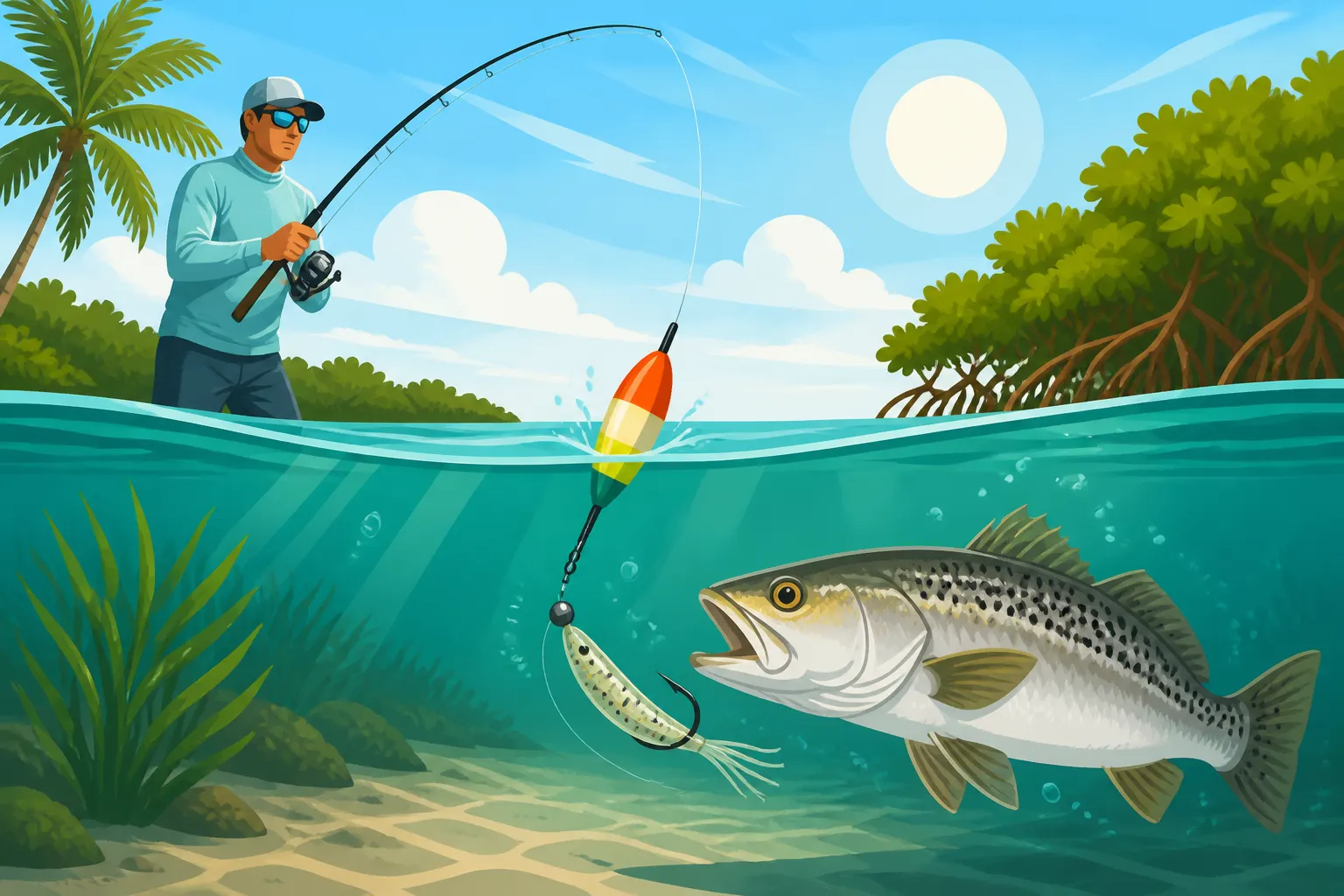
The magic of a popping cork lies in its ability to mimic distressed baitfish or crustaceans, a natural magnet for predatory trout. When you twitch your rod tip, the concave face of the cork "pops" or "chugs" on the water's surface. This distinct sound and splash resonate through the water, signaling an easy meal to nearby trout. It's like ringing a dinner bell in their underwater world!
Beyond the auditory appeal, a popping cork allows you to keep your bait or lure suspended at a consistent depth, often just above the grass or oyster shell bottom where trout frequently ambush prey. This controlled presentation is crucial, especially in shallow areas where a jig head alone might sink too quickly and get snagged. The cork also acts as a highly visible strike indicator; when it disappears or darts sideways, you know it's time to set the hook. This visual cue is particularly helpful when fishing subtle bites or when the action is fast and furious. It's a fundamental technique that any angler venturing into saltwater should master, and you can learn more about it in our comprehensive Florida Spotted Seatrout Fishing Guide.
Key Components of a Popping Cork Rig
Building an effective popping cork rig for trout involves a few essential components, each playing a vital role in its performance. Understanding these parts will help you customize your setup for optimal results.
First, there's the cork itself. Popping corks come in various styles, including oval, pear, and chugger designs. Some even incorporate internal rattles to add another layer of sound attraction, which can be particularly effective in stained or murky water. The size of the cork matters too; a larger cork creates more commotion and can suspend heavier baits, while a smaller one offers a more subtle presentation.
Next is your leader material and length. For speckled trout, a fluorocarbon leader is almost always the best choice. Fluorocarbon is nearly invisible underwater, which can make a big difference with wary fish, and it's also more abrasion-resistant than monofilament, offering protection against oyster shells and fish teeth. A typical leader length for popping corks ranges from 18 inches to 3 feet, depending on the water depth and how high off the bottom you want your bait to suspend. If you're fishing over very shallow grass, you'll want a shorter leader to keep your bait out of the weeds.
Finally, consider your terminal tackle: swivels, weights, and hooks. A small barrel swivel or a high-quality snap swivel is often used to connect your main line to the popping cork, allowing it to spin freely without twisting your line. For hooks, a light wire j-hook or a small circle hook (size #1 or 1/0) works well for live shrimp or small baitfish. If you're using artificial lures like soft plastic paddletails, you'll attach them to a jig head of appropriate weight (typically 1/8 to 1/4 ounce) directly to your leader. You can often find a wide selection of these components on Amazon, making it easy to stock up before your next trip.
Setting Up and Fishing Your Popping Cork Rig
Once you understand the 'why' behind the popping cork, the next step is to put it all together and learn how to make it dance on the water. Proper rigging and a skilled retrieve are what turn a simple cork and bait into an irresistible offering for speckled trout.
Assembling Your Tackle for Success
Getting your tackle right is fundamental. For speckled trout and popping corks, light to medium-light spinning gear is usually ideal. A 7-foot rod with a fast action provides enough backbone for casting and fighting fish, yet enough sensitivity to feel subtle bites. Pair this with a 2500- or 3000-series spinning reel spooled with 10 to 15-pound braided line. Braid offers superior casting distance, sensitivity, and strength-to-diameter ratio, which is a huge advantage when you're trying to reach those distant schools of trout.
To assemble your rig, start by tying your braided main line to a small, high-quality swivel. Then, tie about 18-36 inches of 15 to 20-pound fluorocarbon leader to the other end of the swivel. This leader will provide a stealthy connection to your bait and prevent fish from seeing your main line. Next, slide your popping cork onto the leader, positioning it so the "pop" end faces your main line. Some popping corks come with wire through them, allowing you to tie directly to the wire loops; others use a slip float style where you thread the line through and use a bobber stop. If it's a fixed cork, tie it directly to your leader with a strong knot like a improved clinch knot. Finally, at the very end of your leader, tie on your jig head or hook. When it comes to finding durable braided line or fluorocarbon leader, many anglers find reliable options on Amazon with just a few clicks.
Mastering the Popping Cork Retrieve
The retrieve is where the art of fishing a popping cork truly comes alive. It's not just about reeling in; it's about making your bait come to life and attracting those hungry trout. Your primary goal is to create the "pop" that mimics a feeding frenzy or a distressed baitfish, followed by a pause that allows your bait to flutter naturally.
After casting your rig to your target area – think grass edges, potholes in the grass, or around oyster bars – let it settle for a few seconds. Then, give your rod tip a sharp, short twitch. This action should make the cork "pop" or "chug" loudly on the surface, splashing water and creating that enticing sound. Immediately after the pop, lower your rod tip, allowing some slack in the line and letting your bait or lure suspend naturally for about 3-5 seconds. This pause is critical, as trout often strike on the fall or during this quiescent moment when the bait looks most vulnerable.
Vary your retrieve cadence based on the conditions and how the fish are reacting. On active days, a quicker, more aggressive "pop, pop, pause" might be effective. When trout are sluggish, a slower, more deliberate "pop, long pause" can trigger a strike. Pay close attention to how the cork behaves. A strike is usually evident by the cork disappearing entirely, darting sideways, or simply sitting unnaturally low in the water. Resist the urge to yank the rod immediately; instead, let the fish pull the cork completely under, then set the hook with a firm, sweeping motion. You'll find that mastering this rhythm is key to consistent success, and it's a skill that will improve your overall Beginner Tips for Saltwater Fishing in Florida.
Choosing the Right Bait and Conditions for Trout Fishing with a Popping Cork
Fishing with a popping cork for trout isn't just about the technique; it's also about what you put under the cork and where and when you deploy your rig. Selecting the right bait and understanding optimal conditions can dramatically increase your hook-up rates.
Best Baits and Lures to Pair with a Popping Cork
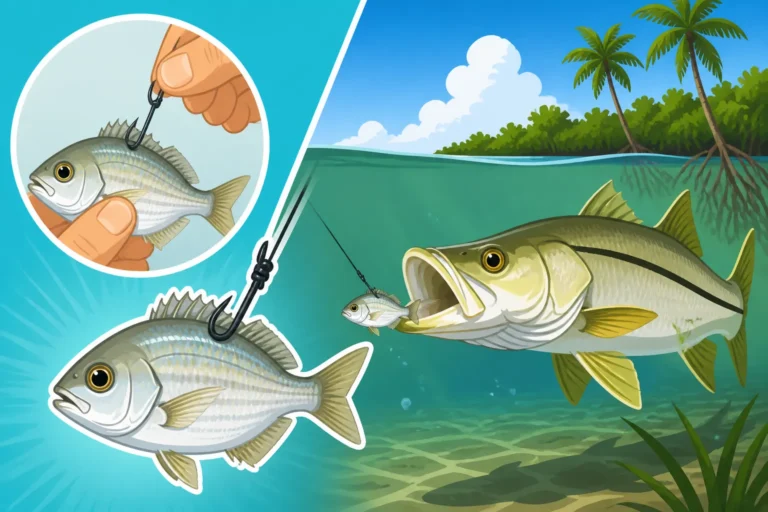
When it comes to what to put under your popping cork, you have excellent options in both live bait and artificial lures, each with its own advantages. For live bait, nothing beats a live shrimp in Florida waters. Shrimp are a natural food source for trout, and when suspended under a popping cork, their frantic wiggling is often irresistible. Hook a live shrimp through the horn or just under the dark spot on its head for the most natural presentation. Small mud minnows or pilchards can also be highly effective. You can learn more about securing these tasty morsels in our guide to Best Live Bait for Florida Inshore Fishing.
If you prefer artificials, soft plastic lures are your best friend. A 3-inch to 4-inch soft plastic "paddletail" in colors like white, chartreuse, or natural baitfish patterns rigged on a 1/8 to 1/4 ounce jig head works wonders. Brands like D.O.A. offer excellent soft plastic shrimp imitations that are incredibly lifelike when fished under a popping cork. The "pop" draws attention, and the soft plastic jig looks like a stunned or injured baitfish fluttering down, making it an easy target. Experiment with different colors; in clear water, natural colors often prevail, while brighter colors can shine in murky conditions. When shopping for these lures, checking out the vast selection on Amazon can help you find exactly what you need.
| Bait/Lure Type | Pros | Cons | Ideal Conditions |
|---|---|---|---|
| Live Shrimp | Highly natural, irresistible scent | Fragile, can be picked off by small fish | All conditions, especially clear water |
| Soft Plastic Paddletail | Durable, variety of colors, no bait upkeep | Less natural scent | Stained water, active fish, fast retrieve |
| D.O.A. Shrimp | Realistic action, durable | Requires more finesse in retrieve | Clear to slightly stained water |
| Mud Minnows/Pilchards | Very active, good for larger trout | Can be harder to keep alive, require cast net | Active fish, good current |
Ideal Conditions and Locations for Popping Cork Trout Fishing
Successfully fishing a popping cork for trout often comes down to timing and location. Speckled trout love healthy grass flats, especially those with sandy potholes or edges near deeper channels. These features provide ambush points and foraging grounds. Estuaries like Tampa Bay, Charlotte Harbor, and the Indian River Lagoon are renowned for their abundant trout populations. Focus your efforts on areas with good tidal flow, as moving water often positions trout to feed. Understanding Best Tides for Inshore Fishing in Florida is paramount; incoming and outgoing tides can both be productive, but trout often feed most aggressively when the current is moving bait.
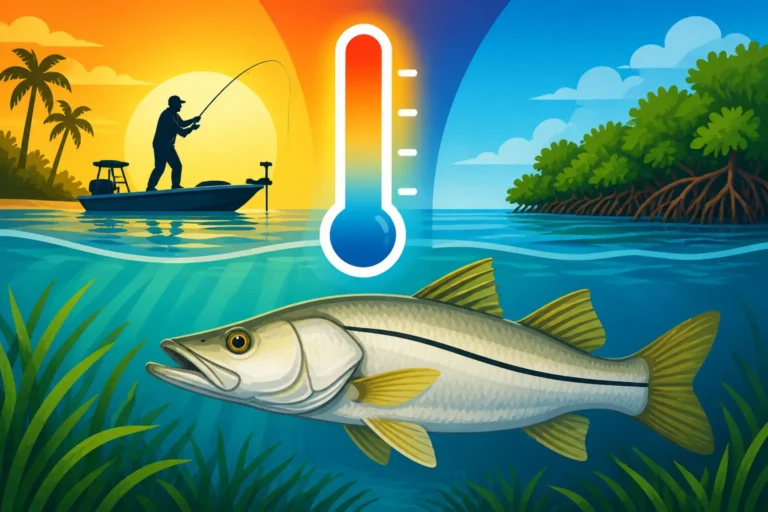
Weather also plays a significant role. Calm, sunny days with light winds are often ideal for popping cork fishing, as the surface disturbance from the cork is more noticeable, and you can easily spot strikes. However, don't shy away from slightly choppier conditions; the added surface chop can actually help mask your presence and make the cork's noise seem more natural. Pay attention to water temperature; trout are cold-blooded and become more active as water temperatures rise in spring and fall. In winter, they might move to deeper grass flats or channels, and learning Why Grass Flats Hold More Trout in Winter can be invaluable. Always remember to check Spotted Seatrout Size and Bag Limits before heading out to ensure you're fishing legally and sustainably.
Disclaimer
Fishing involves inherent risks, including but not limited to changing weather conditions, slippery surfaces, and sharp fishing tackle. Always prioritize safety, wear appropriate personal flotation devices if on a boat, and be mindful of your surroundings. Regulations regarding fishing licenses, bag limits, and seasons are subject to change. Always consult the latest Florida Fish and Wildlife Conservation Commission (FWC) guidelines before fishing. This guide is for informational purposes only and does not constitute professional advice.