Jigging Technique for Grouper
Have you ever stared at your sonar screen, seeing those beautiful red marks on the bottom, knowing there are grouper down there, but no matter what you throw at them, they just won't bite? It’s a truly frustrating experience, especially when you’ve spent precious time and fuel getting to that perfect offshore spot. This guide is here to unravel the mysteries of the jigging technique for grouper, helping you entice those stubborn bottom dwellers and bring them up to the boat with confidence.
Understanding Grouper Behavior and Habitats
Before you even think about dropping a jig, it’s crucial to understand the fish you’re after. Grouper aren't just random fish; they are ambush predators with specific preferences when it comes to where they live and how they hunt. Knowing this foundational information will dramatically improve your success rate.
Common Grouper Species in Florida
Florida waters are a haven for several species of grouper, each with slightly different characteristics and tendencies. While the jigging technique is generally effective across the board, recognizing who you’re targeting can help you fine-tune your approach.
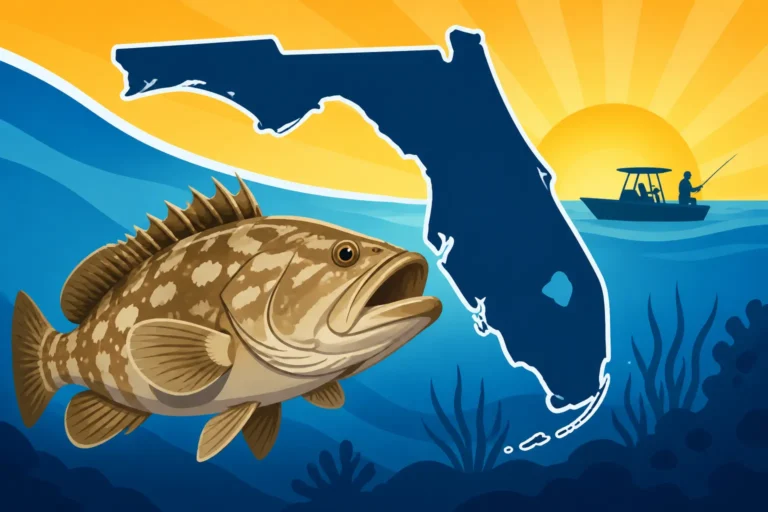
Red Grouper are arguably the most commonly caught grouper in Florida. They tend to prefer rocky bottom, ledges, and hard-bottom areas in shallower to moderate depths, often less than 150 feet. They're not usually found too deep inside caves or wrecks, preferring to be on top or just outside structure. Their bites can sometimes be a subtle thump, but they’ll quickly try to 'rock you up' once hooked. Gag Grouper, often called "grey grouper," are highly sought after for their fighting ability and delicious meat. These powerful fish love significant structure like wrecks, artificial reefs, and steep ledges, and are often found in deeper waters than reds, although they can also be found inshore in cooler months. They are notorious for making a powerful first run straight back into their lair, making it a true test of strength and quick reflexes to get them out. Black Grouper are the kings of the deep, often found on offshore wrecks, ledges, and rocky bottoms in deeper waters, sometimes over 200 feet. They are strong, aggressive, and can grow to impressive sizes. Scamp Grouper are another popular species, known for their beautiful markings and excellent table fare. They prefer deep, rocky bottoms, often in conjunction with larger wrecks or complex natural reefs. Understanding the distinct preferences of these species, covered in more detail in our comprehensive Florida Grouper Fishing Guide, will refine your strategy.
Preferred Habitats and Structures
Grouper are master ambush predators, and their choice of habitat reflects this. They aren't going to be cruising around in open sandy flats; they'll be nestled in, around, or directly on top of structure, waiting for an unsuspecting meal to swim by.
Think of structure as their home, their hunting ground, and their sanctuary. This includes natural rock reefs, coral formations, ledges, and crevices that are abundant throughout the Gulf and Atlantic coasts of Florida. But it also encompasses artificial reefs, which are deliberately sunk materials like old ships, bridge rubble, or specially designed reef balls. Wrecks are particularly attractive to grouper, offering numerous nooks and crannies to hide and ambush prey. When scouting for grouper, you're looking for these abrupt changes in the bottom contour. Your fish finder will be your best friend here, identifying not just the structure itself, but also the baitfish congregating around it, which is a sure sign that predators are nearby. Remember, if you see bait, the grouper are likely close by, hiding and waiting for their moment.
Essential Gear for Grouper Jigging
Getting the right gear for grouper jigging isn't just about having expensive equipment; it's about having the appropriate tools for the job. Grouper are powerful fish, and jigging them requires a setup that can withstand immense pressure and sudden, explosive runs. Skimping on tackle here will only lead to frustration and lost fish.
Rod and Reel Selection
Choosing the right rod and reel is paramount to successful grouper jigging. You need a setup that offers both sensitivity to detect subtle bites and the brute strength to pull a stubborn grouper away from its rocky lair.
For conventional setups, you're looking at heavy-action conventional rods, typically 6 to 7 feet long, with a fast taper. This allows for powerful hooksets and the ability to apply significant pressure to the fish. The reel should be a high-quality, star-drag or lever-drag conventional reel with a strong drag system and a fast retrieve ratio. Brands like Penn, Shimano, and Daiwa offer excellent options that are proven performers in the Florida offshore scene. These reels need to hold a substantial amount of heavy braided line, usually 65 to 100 lb test, depending on the depth and target size. The fast retrieve is critical for getting the fish up quickly, especially when they try to "reef" you. For those who prefer spinning gear, which can be less fatiguing for long jigging sessions, you'll need heavy-duty offshore spinning rods, again 6 to 7 feet, paired with large, robust spinning reels. These reels must have exceptionally smooth and powerful drag systems and should be designed for heavy saltwater use. Think 8000 to 14000 series reels or larger. While spinning gear offers ease of use, you typically give up some cranking power compared to conventional gear, so selecting a high-quality model is crucial. For more details on heavy-duty setups, check out our guide on the Best Rod and Reel Setup for Florida Offshore Fishing.
Line, Leader, and Terminal Tackle
The line, leader, and terminal tackle form the crucial connection between you and the grouper. Each component plays a vital role in presentation, strength, and durability.
Start with your mainline: braided line is the undisputed champion for jigging. Its lack of stretch provides incredible sensitivity, allowing you to feel every bump and subtle bite, even in deep water. It also transmits the jig's action more directly, making your presentation more lifelike. Moreover, its thin diameter relative to its strength means you can pack more heavy line onto your reel, which is a huge advantage when fishing deep. For most grouper jigging, 65 to 100 lb test braid is standard, depending on the size of the grouper you anticipate and the amount of structure present. Directly attaching a jig to braid is a recipe for disaster; grouper have abrasive mouths and will quickly chafe through it. A fluorocarbon leader is essential. Fluorocarbon is nearly invisible underwater, providing a stealthy presentation, and its abrasion resistance is far superior to mono or braid. Leader length can vary, but typically 3 to 6 feet of 60 to 100 lb test fluorocarbon is appropriate, connected to your braid with a strong knot like an FG or Alberto knot. As for terminal tackle, a heavy-duty snap swivel or a solid ring with a split ring can be used to attach your jig, allowing for quick changes. Ensure all components, from swivels to split rings, are rated for heavy use – grouper will find any weak link. Look for high-quality products on Amazon to ensure you're getting robust and reliable tackle that can stand up to the challenge.
Mastering the Jigging Technique
Jigging for grouper isn't just about dropping a piece of metal to the bottom. It's an active, dynamic form of fishing that requires finesse, strength, and a keen understanding of how your lure interacts with the water and the fish below.
Types of Jigs and Their Applications
The world of fishing jigs is vast, but for grouper, we're primarily focused on a few key types designed to get deep quickly and provoke an aggressive strike. Each has its own best application, and having a variety on board is always a smart move.
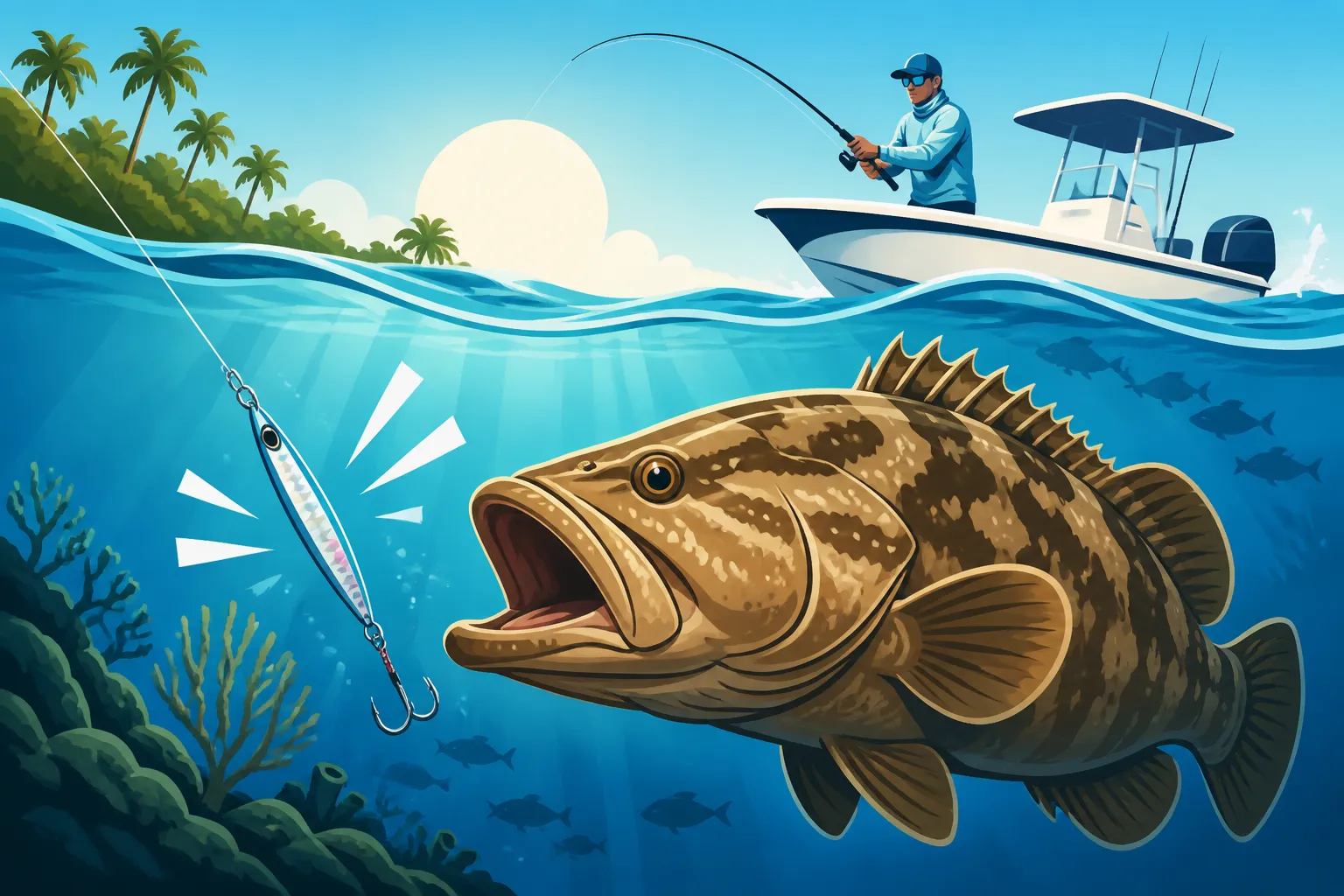
Vertical jigs, often called knife jigs or slender jigs, are designed for speed. Their hydrodynamic shape allows them to slice through the water column with minimal resistance, getting down to those deep grouper fast, even in strong currents. They typically range from 150 grams (about 5 ounces) to 500 grams (over a pound) or more, depending on depth and current. Once on the bottom, these jigs are worked with sharp, upward rips of the rod, followed by a controlled freefall. The erratic, dying baitfish action on the fall is what often triggers the bite. Butterfly jigs, a sub-category of vertical jigs, have a wider, more undulating profile that creates a broader, fluttering action on the drop. They are often worked with a "slow-pitch" or "long-fall" technique, where the jig is allowed to flutter and glide on a slack or semi-slack line, mimicking a stunned baitfish. These are fantastic for when grouper are a bit more finicky. Speed jigs, as the name suggests, are worked aggressively with fast, continuous reeling and rod pumps, designed to mimic a fleeing baitfish. They are excellent when grouper are actively feeding and need a high-octane presentation. The weight of your jig is crucial; it needs to be heavy enough to reach the bottom and stay there, even with current, but not so heavy that it hinders its action. A good rule of thumb is to use the lightest jig you can that still maintains bottom contact.
The Art of the Drop and Retrieve
Once you’ve chosen your jig, the real work begins. The way you present and retrieve that jig is what makes all the difference between a productive day and just dropping metal to the ocean floor. It's a combination of controlled chaos and rhythmic precision.
The initial drop is critical. You want your jig to plummet straight down to the strike zone as quickly as possible. This means keeping a close eye on your line, letting it free spool, but also being ready to engage the reel the moment it hits bottom. Why? Because many grouper strikes happen either on the initial fall or immediately upon hitting the bottom. They see the jig as a dying fish or an easy meal. Once it hits, quickly reel up a few feet to avoid snags, then begin your retrieve. The "yo-yo" technique is a common and effective method: let the jig hit bottom, reel up a few cranks, give a sharp, upward sweep of the rod, then let the jig flutter back down on a semi-slack line, repeating the motion. This mimics a wounded baitfish trying to escape. Mechanical jigging involves a more fluid, rhythmic motion, often combining a lift of the rod with a crank of the reel, then a controlled drop, maintaining tension. The key is variety – experiment with the speed of your retrieve, the height of your rod sweeps, and the duration of your pauses. Sometimes grouper want a fast, aggressive presentation; other times, a slow, subtle flutter is the ticket. Pay attention to what the fish are telling you through your rod tip. Our guide on How to Jig a Jig Head for Grouper offers more specific advice on this technique.
Reading Your Electronics for Optimal Jig Placement
In today's offshore fishing, your electronics are just as important as your rod and reel. Learning to interpret what your fish finder is showing you can turn a slow day into a banner day for grouper jigging.
Your sonar is your window into the underwater world. Before you even deploy a jig, you should be actively searching for structure, baitfish, and the distinctive arch-like returns of grouper. Look for ledges, humps, wrecks, and any significant changes in bottom contour. These are the prime locations. Once you've identified a promising spot, observe the baitfish schools. Grouper are typically found near these food sources. The key is not just to drop on the structure, but often to drop slightly up-current of it, allowing the current to sweep your jig into the strike zone. Your fish finder also helps you maintain depth and track your jig. Modern units from brands like Garmin, Lowrance, and Furuno often have advanced features that can show you your jig's path relative to the fish. When you see a fish mark on the screen, try to adjust your jigging depth to put your lure right in front of its face. Drifting over a productive area while watching your electronics is often more effective than anchoring, as it allows you to cover more ground and pinpoint where the fish are holding at that particular moment. Pay attention to how the fish are reacting to your jig on screen, if your unit has that capability. This real-time feedback is invaluable for refining your technique.
Best Times and Conditions for Grouper Jigging
Even with the best gear and technique, understanding the prime times and conditions can significantly increase your odds of success. Grouper, like most fish, are influenced by various environmental factors.
Seasonal Considerations
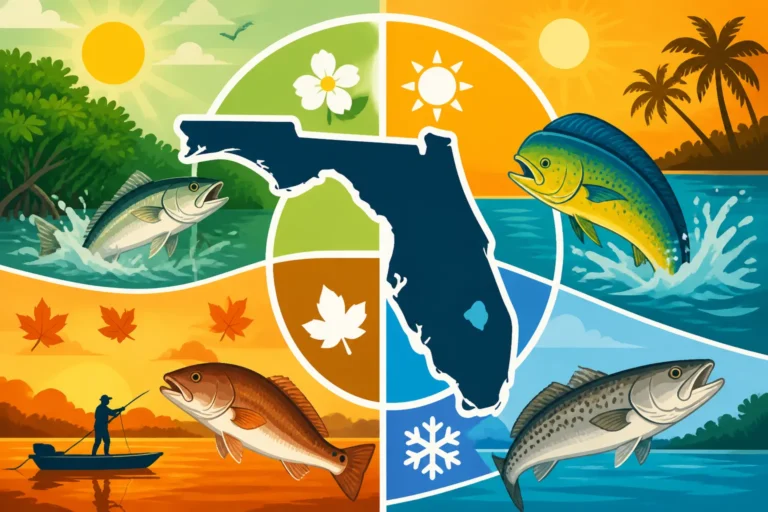
Florida's unique geography means that grouper fishing, including jigging, can be a year-round affair, but the peak seasons and specific species targeted will shift throughout the year. Knowing the Florida Grouper Season Guide and bag limits is not only critical for legal compliance but also for understanding when different species are most active and accessible.
Generally, warmer months (late spring through early fall) often see grouper, especially Gag Grouper, moving into shallower waters, sometimes even into nearshore reefs, making them more accessible to a wider range of anglers. However, Red Grouper are often present on deeper offshore structures year-round. During the cooler winter months, Gag Grouper typically move to deeper, offshore wrecks and ledges. This is when deep drop jigging becomes particularly effective for them. Black Grouper, often found in deeper waters, are generally more accessible during months with stable weather and calmer seas, as their haunts require longer runs and more favorable conditions. It's also crucial to monitor water temperatures. Grouper are ectothermic, meaning their body temperature is regulated by the surrounding water. They are most active within certain temperature ranges. A sudden cold front can push them deeper or make them less inclined to chase a jig. Conversely, stable warm water can put them into a feeding frenzy. Different species have different tolerances, so understanding this can help you predict their movements and activity levels. For instance, knowing Why Grouper Season Closes in Parts of the Year gives insight into their spawning patterns and vulnerable times.
Tidal and Current Influences
Tides and currents are often overlooked factors in offshore jigging, but they play a monumental role in both baitfish activity and how your jig behaves. Ignoring them is like trying to drive with your eyes closed.
Moving water, whether from tides or oceanic currents, is generally a good thing for grouper fishing. Currents concentrate baitfish, washing food past the grouper's ambush points. This makes the grouper more active as they lie in wait for an easy meal. Slack tide, on the other hand, often corresponds with slower fishing, as bait disperses and grouper become less inclined to expend energy. When jigging, the current also affects your presentation. A strong current can make it difficult for your jig to reach the bottom or maintain its vertical orientation, potentially causing it to drift away from the target structure. This is where using heavier jigs comes into play. You need enough weight to cut through the current and stay in the strike zone. Conversely, too little current can mean your jig doesn't have enough natural movement to entice a strike. Learning to read your drift, anticipate how the current will affect your jig, and adjust your jig weight and technique accordingly is a hallmark of an experienced jig fisherman. Sometimes, a faster drift can be beneficial, allowing you to cover more ground and find actively feeding fish within a larger piece of structure. Other times, a slow, controlled drift is necessary for precise jig placement.
Advanced Jigging Strategies and Tips
Once you've got the basics down, there are always ways to refine your approach and gain an edge, especially when fishing for particularly challenging or wary grouper.
Scent and Enhancements
While a jig's action is its primary allure, adding scent can sometimes be the subtle nudge needed to convince a hesitant grouper to commit.
Grouper have a keen sense of smell, and in murky water or when they're not aggressively feeding, a scent trail can make all the difference. Many anglers will "tip" their jigs with a piece of natural bait, such as a strip of squid, a small fish chunk, or a fish belly. This adds both scent and a bit of extra flutter to the jig's action. There are also synthetic scent attractants available, often in gel or spray form, that can be applied directly to the jig. Brands like Pro-Cure and Berkley Gulp! offer a variety of scents designed to mimic natural prey. While not always necessary, especially when grouper are in a feeding frenzy, a little extra scent can certainly help when the bite is slow or when targeting larger, more cautious fish. Think of it as adding a little extra flavor to your presentation – it can't hurt, and it might just be the thing that turns a looker into a biter.
Fighting Grouper Off the Bottom
This is arguably the most critical part of grouper jigging: the battle. Grouper are masters of the "reef tax," instantly trying to drag your line into the nearest rock or wreck to break you off. You need to be ready for an immediate, aggressive response.
The moment you feel that definitive "thump" or the rod loads up, your first reaction must be a powerful, sweeping hookset. Don't just lift; sweep the rod upwards with all your might. This is followed immediately by cranking the reel as hard and fast as you can. The goal is to get the grouper's head turned away from the structure and lift it several feet off the bottom before it knows what hit it. This initial "lift and crank" maneuver is often referred to as "horsing" the fish. You'll feel immense pressure, and it's a test of both your strength and your gear. Do not let up. If you give an inch of slack or pause for a second, the grouper will dive into a crevice or wrap your line around a piece of structure, resulting in a break-off. Keep the rod tip high, maintain constant pressure, and reel until the fish is away from immediate danger. Only then can you ease up a bit and settle into a more traditional fight. Mastering this initial burst is what separates successful grouper jigging from frustrating losses.
Safety and Responsible Angling Practices
As with all fishing, responsible angling practices and safety should always be at the forefront of your mind, especially when venturing offshore for grouper.
Always ensure your boat is well-maintained and equipped with all necessary safety gear, including life jackets, flares, first-aid kits, and communication devices. Check the weather forecast meticulously before heading out, and be prepared to turn back if conditions deteriorate. When handling grouper, be mindful of their sharp gill plates and teeth. Use appropriate tools like fish grippers or sturdy gloves to handle them safely. When jigging, you're often in relatively deep water, which brings considerations for barotrauma if you plan to release fish. Barotrauma occurs when fish are brought up from deep water too quickly, causing their swim bladder to expand. This can prevent them from swimming back down. If you intend to release grouper caught from significant depths, consider using a descending device, which allows the fish to be safely returned to depth, or venting tools, which can relieve the pressure. Always adhere to Florida Fishing Regulations and Bag Limits for all species, including specific size and slot limits for grouper, as outlined in guides like Gag Grouper Size and Bag Limits. These rules are in place to ensure the sustainability of our fisheries.
Troubleshooting Common Jigging Challenges
Even the most experienced anglers face challenges. Jigging for grouper has its own unique set of frustrations, but knowing how to anticipate and address them can save your day.
Snags and Break-offs
Fishing for grouper means fishing in their habitat: rocks, wrecks, and ledges. These are snag cities, and losing jigs is part of the game. However, minimizing snags and break-offs can be learned.
The first line of defense against snags is vigilance. As soon as your jig hits the bottom, quickly reel up a few feet. This gets your jig just above the most immediate snags and presents it in the grouper's eye line as they look up for prey. If you feel your jig touch bottom again during the retrieve, immediately lift it. Another common cause of break-offs is the initial fight with a grouper, as discussed earlier. If the grouper makes it into the structure, often the only recourse is to put the reel in free spool, allowing the line to go slack for a moment. Sometimes, the fish will swim out, giving you another chance. However, more often than not, it results in a break-off. This is why a strong leader is crucial, but even the best fluorocarbon can't withstand being sawed on sharp coral or steel. To prevent snags on the drop, especially in strong currents, ensure your jig is heavy enough to fall quickly and vertically. If it's swinging too much, it's more likely to catch on projections. Using a heavy-duty snap swivel allows you to quickly change jigs if one is particularly prone to snagging in a certain spot.
Dealing with Finicky Biters
There will be days when you mark plenty of grouper, but they just won't hit. It's frustrating, but there are strategies to turn those stubborn fish into aggressive feeders.
First, vary your retrieve. If the aggressive speed jigging isn't working, slow it down. Try long, slow pulls and extended pauses, allowing the jig to flutter temptingly. Sometimes, a slow-pitch or long-fall jigging technique is the ticket. Different jigs also have different actions; switch to a wider butterfly jig if a slender knife jig isn't getting attention. Changing colors can also make a difference. While natural colors like silver, white, or sardine patterns are generally good, sometimes a bright, unnatural color like pink or chartreuse can trigger a reaction strike, especially in deeper or murkier water. Another tactic is to add scent or a small piece of natural bait, as previously mentioned. This can tempt a curious grouper into biting when it might otherwise ignore a scentless jig. Lastly, consider your drift. If you're drifting too fast, your jig might be moving too quickly past the fish's ambush point. Adjust your drift using a sea anchor or by making shorter drifts. Conversely, if there's no current, try to impart more action with your rod to compensate for the lack of natural movement. Sometimes, the fish just aren't biting, and that's okay. But often, a small adjustment can make a huge difference.
| Jig Type | Primary Action | Ideal Conditions | Target Species (Primary) | Key Feature |
|---|---|---|---|---|
| Knife Jig | Fast, vertical fall; erratic darting on retrieve | Deep water, strong current, active fish | Gag, Black, Amberjack | Slices water, fast to bottom |
| Butterfly Jig | Wider flutter on fall; undulating glide | Moderate current, finicky fish, varied retrieve | Red, Scamp, Snapper | Broader profile, enticing flutter |
| Speed Jig | Aggressive, rapid retrieve; fleeing baitfish | Active feeding, high-energy fish | Gag, Amberjack, Tuna | Designed for rapid, continuous movement |
| Slow-Pitch Jig | Slow, deliberate fall; long, enticing glides | Light current, subtle bites, deeper water | Scamp, Red, Snapper | Prolonged hang time, subtle movements |
| Squid Jig | Natural, squid-like movements | Varying depths, bottom bouncing | Red, Mangrove Snapper | Realistic appearance, often tipped w/ bait |
Disclaimer
Fishing involves inherent risks. Always prioritize safety, understand local regulations, and fish responsibly. The information provided in this guide is for educational purposes and should not replace professional advice or official regulations from the Florida Fish and Wildlife Conservation Commission (FWC). Always check the latest FWC guidelines before heading out.