What Pound Test Line for Grouper Fishing?
It’s a classic Florida fishing dilemma: you've hooked into what feels like a monster grouper, that satisfying thudding fight starts, and then… ping! Your line snaps, and all you're left with is a sinking feeling and an empty hook. Choosing the right pound test line for grouper fishing isn't just about strength; it's about balancing power with finesse, and this guide will help you understand how to make the best choice for your next battle with these bottom-dwelling brutes.
The Basics: Understanding Pound Test and Grouper Challenges
Before we dive into specific recommendations, let's break down what pound test really means and why grouper, in particular, demand such thoughtful line selection. It’s not just a number on a spool; it's your lifeline to that trophy fish.
What "Pound Test" Actually Means
When you see "pound test" on a fishing line, it refers to the breaking strength of that line under ideal, static conditions. So, 20-pound test line is designed to break when approximately 20 pounds of force are applied. However, fishing isn't ideal or static. Factors like knots, nicks, abrasion against structure, and the dynamic, sudden pulls of a powerful fish can all reduce the effective breaking strength.
Think of it like this: while your line might be rated for 50 pounds, a weak knot might snap at 30, or a quick rub against a sharp rock could cut it instantly. This is why many anglers "over-spec" their line slightly, opting for a higher pound test than they think they need, especially when targeting hard-fighting species like grouper. It’s about building in a margin of safety for the unexpected.
Why Grouper Are Such a Challenge
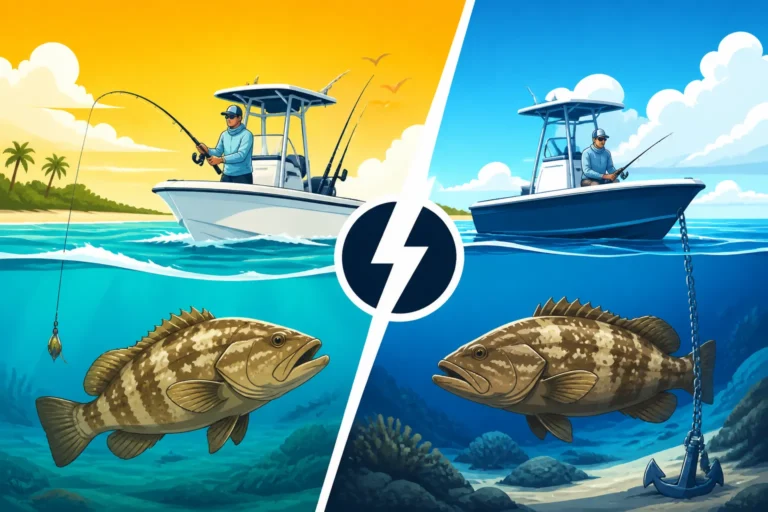
Grouper, from the feisty gag grouper in shallower nearshore reefs to the massive goliath grouper that will test every fiber of your being, are notorious for a few key reasons:
- Powerful Initial Run: The moment a grouper bites, its instinct is to dive straight back into the nearest rock, wreck, or reef crevice. This is called "rocking you up," and if you can't stop that initial surge, it's game over. They'll fray your line on structure in seconds.
- Abrasion: Their habitats are rough. Sharp coral, barnacle-encrusted wrecks, jagged rocks – these are their homes, and they use them to their advantage. Your line needs to withstand this constant rubbing.
- Weight and Strength: Even a modest-sized gag grouper can pull like a freight train, and bigger species like red grouper or black grouper have incredible power. You need line that can handle the sheer force.
- Sudden Shock Loads: Unlike some pelagic fish that make long, screaming runs, grouper fights are often short, brutal power struggles, putting immense shock loads on your line, knots, and gear.
Understanding these challenges helps you appreciate why a "one-size-fits-all" approach to line selection just won't cut it when it comes to Florida grouper.
Matching Line to Your Grouper Fishing Style and Location
The "what pound test" question isn't simple because Florida offers such diverse grouper fishing opportunities. From inshore mangrove snook fishing (which can sometimes yield an incidental grouper) to deep-sea drops for snowy grouper, your setup will vary wildly.
Inshore and Nearshore Grouper
For grouper caught in shallower waters, typically less than 60-80 feet deep, such as smaller gag grouper, red grouper, or even some black grouper found closer to shore, your line choice balances stealth with strength. This often includes fishing around artificial reefs, ledges, or natural rock piles in the Gulf or Atlantic nearshore waters.
- Target Species: Smaller Gag, Red Grouper, some Black Grouper.
- Typical Depths: 20-80 feet.
- Primary Concern: Stopping that initial run before they get back into relatively shallow but dense structure.
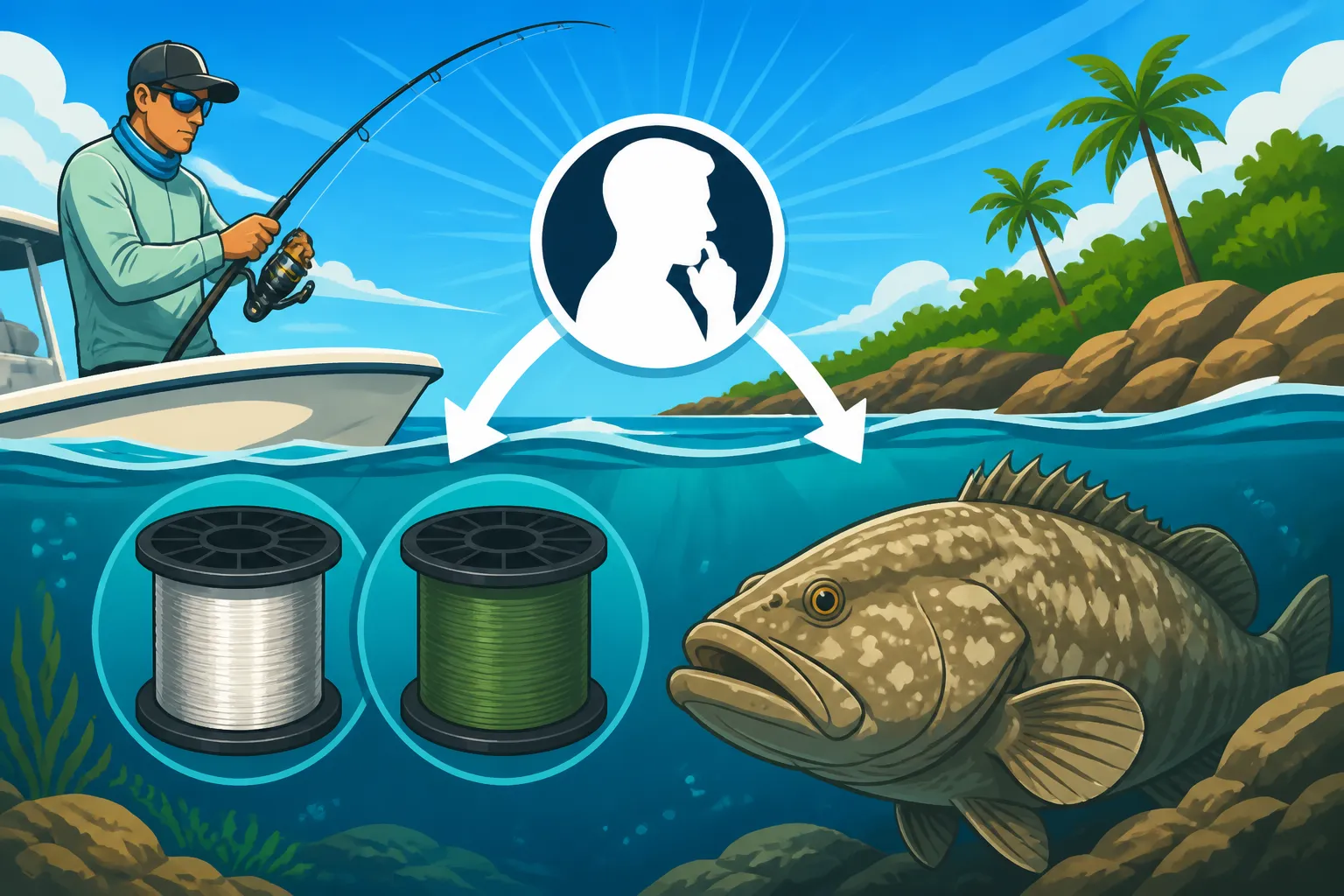
For this type of fishing, many anglers find success with a mainline of 30-50 pound braided line. Braid offers incredible sensitivity, allowing you to feel every subtle bite, and its thin diameter for its strength means you can spool more on your reel. The low stretch is crucial for setting the hook quickly and turning a fish away from structure.
Because braid is visible and has low abrasion resistance, you absolutely need a leader. A 40-80 pound fluorocarbon leader is a solid choice here. Fluorocarbon is nearly invisible underwater, which can make a big difference for wary grouper, and it offers excellent abrasion resistance against those sharp rocks and shell beds. The length of your leader can vary, but typically 4-8 feet is a good starting point, providing a buffer zone between your bait and the mainline.
For those who prefer monofilament as a mainline for its stretch and shock absorption, 40-60 pound monofilament can work, especially if you're fishing areas with less severe structure. However, you'll still want a fluorocarbon leader of similar or slightly higher pound test for abrasion resistance at the business end.
Offshore and Deep Drop Grouper
When you venture further offshore into deeper waters, often beyond 80 feet and sometimes down to several hundred feet, you're targeting larger and more powerful grouper species. This includes bigger gag grouper, black grouper, scamp, yellowmouth, and even deep-dwelling snowy grouper or Warsaw grouper. The sheer depth, increased current, and potential for massive fish demand a significant upgrade in your line.
- Target Species: Larger Gag, Black, Scamp, Snowy, Warsaw, Goliath (catch and release only, but they will test your tackle!).
- Typical Depths: 80-600+ feet.
- Primary Concern: Maximize pulling power, abrasion resistance in rough environments, and minimize line stretch at extreme depths.
Here, 60-100 pound braided line is the standard for your mainline. For truly deep dropping or targeting trophy fish like Warsaw, some anglers might even go up to 130-pound braid. The benefits of braid become even more pronounced in deep water:
- No Stretch: Essential for feeling bites and setting hooks when you have hundreds of feet of line out.
- Thin Diameter: Reduces current drag, allowing your bait or lure to get to the bottom faster and stay there more easily.
- Incredible Strength: Provides the raw power needed to hoist heavy fish from the depths.
For leaders, the game changes too. For offshore grouper, you'll want a very robust 80-150 pound fluorocarbon or heavy monofilament leader. Fluorocarbon is still preferred for its invisibility and abrasion resistance, but a heavy-duty monofilament leader can also be effective and offers a bit more stretch for shock absorption on truly powerful hooksets. The length of these leaders can be shorter, often 2-4 feet, especially when using heavy tackle and larger baits. For massive fish like Goliath grouper (again, strictly catch and release), anglers often use leaders upwards of 200-400 pounds.
Considerations for Structure and Currents
No matter where you're fishing for grouper in Florida, the presence of structure is a constant factor. Reefs, wrecks, rocks, and ledges are where grouper live and hunt. This means your line will inevitably come into contact with these unforgiving environments.
- Abrasion Resistance is Key: This is why a heavy fluorocarbon or monofilament leader is non-negotiable. Braid, while incredibly strong, will shred almost instantly on sharp edges. Make sure your leader material is fresh and free of nicks before each trip. You can find excellent leader material brands, often in bulk spools, on platforms like Amazon.
- Stronger Line for More Structure: If you're fishing in an area known for very dense, jagged structure, consider bumping up your mainline and leader pound test a bit. The extra strength can give you those precious few seconds to pull the fish away before it can cut you off.
- Currents: Strong currents can make light line management a nightmare. Heavier line, especially monofilament, has more drag in the water, requiring heavier weights to stay on the bottom. Braid's thin diameter helps significantly here, allowing you to use lighter weights while maintaining bottom contact. If you’re fishing an area with ripping currents, a strong, thin braid like those offered by companies often available on Amazon, can be a game-changer.
The Role of Line Material: Mono, Fluorocarbon, and Braid
It’s not just the pound test, but the material itself that plays a huge role in your success. Each type of line has its unique characteristics that make it suitable for different aspects of grouper fishing.
Braided Line: Power and Sensitivity
Braided line is formed by weaving multiple strands of synthetic fibers together, creating a super-strong, thin, and virtually stretch-free line. It's the go-to mainline for most serious grouper anglers.
Pros:
- Exceptional Strength-to-Diameter Ratio: You can get very high breaking strengths in a thin line, allowing for more line capacity and less drag in the water.
- Zero Stretch: This is paramount for feeling subtle bites in deep water and delivering powerful, immediate hooksets. It also gives you maximum pulling power to turn a grouper away from structure.
- Long-Lasting: Braid is very durable and holds its strength over time, although it can fade in color.
Cons:
- Low Abrasion Resistance: This is its biggest weakness for grouper fishing. It will cut easily on sharp rocks, coral, or barnacles. This is why a leader is absolutely essential.
- High Visibility: Braid is visible underwater, which can spook wary fish. Again, leaders mitigate this.
- Can Dig Into Spool: If not spooled tightly or if a fish makes a hard pull, braid can sometimes dig into itself on the reel, causing tangles or reduced casting distance.
Typical Use: Mainline on your reel for both spinning and conventional setups, from inshore to deep offshore.
Monofilament Line: Stretch and Abrasion Resistance
Monofilament line is a single strand of nylon, offering a different set of characteristics. While less common as a primary mainline for heavy grouper fishing these days, it still has its place.
Pros:
- Good Abrasion Resistance: Compared to braid, mono handles abrasion much better, making it more forgiving if it scrapes against structure.
- Stretch: The inherent stretch in mono provides a shock absorber, which can be beneficial for protecting knots and preventing hooks from pulling out on aggressive head shakes.
- Ease of Handling: It's generally easier to tie knots with mono, and it's less prone to wind knots than braid.
- Affordable: Often more budget-friendly than braid or fluorocarbon.
Cons:
- High Stretch: While sometimes a pro, too much stretch in deep water makes it hard to feel bites and get solid hooksets.
- Thicker Diameter: For the same pound test, mono is significantly thicker than braid, meaning less line on your spool and more water resistance.
- Degrades in UV Light: Mono can weaken over time with exposure to sunlight, requiring more frequent replacement.
Typical Use: As a leader material, or as a mainline for lighter, nearshore grouper fishing, especially if you prefer its shock absorption properties.
Fluorocarbon Leader: The Invisible Link
Fluorocarbon is a type of line made from polyvinylidene fluoride (PVDF), which has a refractive index very close to that of water, making it virtually invisible underwater. It's an indispensable component of any serious grouper setup.
Pros:
- Excellent Abrasion Resistance: Fluorocarbon is very tough and can withstand significant rubbing against structure, making it ideal for the rough habitats of grouper.
- Nearly Invisible Underwater: This stealth factor can be crucial for enticing bites from finicky grouper.
- Low Stretch (compared to mono): It offers some shock absorption but less than mono, providing a good balance for strong hooksets and fighting power.
- Sinks Faster: Its density helps baits get to the bottom more quickly.
Cons:
- Stiffer: Can be stiffer and harder to tie knots with than monofilament, especially in heavier tests.
- More Expensive: Generally the most expensive of the three line types.
- Less Supple: Not ideal as a mainline due to its stiffness and cost.
Typical Use: Essential leader material for all types of grouper fishing, connecting your braided mainline to your hook or lure. High-quality fluorocarbon, like that found from popular brands on Amazon, is a must-have.
Putting It All Together: Recommendations and Best Practices
Now that we've explored the nuances, let's consolidate some general recommendations and best practices to help you rig up for your next grouper adventure. Remember, these are starting points; local conditions and personal preference always play a role.
General Recommendations by Grouper Size
Here's a quick guide to help you decide based on the size of grouper you're realistically expecting to encounter in Florida:
| Target Grouper Size | Fishing Location | Recommended Mainline (Braid) | Recommended Leader (Fluorocarbon) | Typical Reel Type |
|---|---|---|---|---|
| Small (1-10 lbs) | Inshore/Nearshore | 20-30 lb | 30-50 lb | Light Spinning/Conventional |
| Medium (10-30 lbs) | Nearshore/Offshore | 40-65 lb | 60-80 lb | Medium Spinning/Conventional |
| Large (30-60+ lbs) | Offshore/Deep Drop | 80-100 lb | 100-150 lb | Heavy Conventional |
| Goliath (C&R) | Nearshore/Offshore | 130-200+ lb | 200-400+ lb | Specialized Conventional |
Disclaimer: Goliath grouper are federally protected and strictly catch-and-release. Specialized heavy tackle is used to ensure quick and safe release.
Remember, these are starting points. If you’re fishing an area with exceptionally heavy structure or known for larger-than-average fish, always err on the side of going a bit heavier. It’s better to be over-gunned than under-gunned when a monster bites!
Beyond the Line: Other Gear Considerations
Choosing the right line is just one piece of the puzzle. Your entire setup needs to work in harmony to effectively target and land grouper.
- Rods and Reels: For grouper, you need a powerful rod with a fast action to help you turn the fish's head quickly. Conventional reels are often favored for their cranking power and leverage, especially offshore. However, powerful spinning reels are increasingly popular for lighter applications or for anglers who prefer that style. Make sure your reel has a strong drag system that can be locked down to prevent that initial dive. A high-quality reel, whether spinning or conventional, will serve you well, and many top brands can be found and reviewed on Amazon.
- Hooks: Use strong, sharp, appropriate-sized hooks for your bait and target species. Circle hooks are often mandatory in Florida, especially for natural baits, as they significantly reduce gut-hooking and improve fish survival. For larger grouper, look for heavy-gauge, corrosion-resistant hooks.
- Knots: A strong knot is paramount. Learn and practice reliable knots for connecting braid to fluorocarbon (like the FG knot or Alberto knot) and for tying your leader to your hook (like a Palomar knot or improved clinch knot). A knot's strength can be the weakest link in your entire setup, so don't skimp on practice.
- Drag Setting: For grouper, particularly the initial moments after the bite, you want your drag set tight. The goal is to stop them dead in their tracks before they can reach the structure. This is different from how you might fish for many other species that require a softer drag to prevent line breaks on long runs. You're effectively in a tug-of-war from the start.
- Bait and Lures: Whether you're using live bait like pinfish or mullet, or artificial jigs, make sure your presentation is robust enough for grouper. They have powerful jaws, and a flimsy lure or hook won't stand a chance.
Ultimately, the best pound test line for grouper fishing in Florida is the one that gives you confidence. It’s the line that you trust will hold up against the incredible power of these fish, their sharp teeth, and the unforgiving structure they call home. By understanding the characteristics of different line types and matching them to your fishing conditions, you'll be well on your way to wrestling some fantastic grouper into your boat. And don't forget to check the current Florida Grouper Season Guide and Gag Grouper Size and Bag Limits before you head out! If you're looking for more general knowledge on different techniques, consider learning about Bottom Fishing Technique for Snapper (which applies well to grouper) or Jigging Technique for Grouper. Happy fishing!
Disclaimer
This article is for general informational purposes only and does not constitute professional advice. Laws, prices and regulations vary by location and change over time. Consult a qualified professional for guidance on your specific situation.