Best Month to Catch Grouper in Florida
Trying to figure out the absolute best month to catch grouper in Florida can feel like you’re trying to solve a complex puzzle with constantly changing pieces. You've heard stories of monster gags and plentiful reds, but when you hit the water, it feels like they've all vanished. It’s frustrating when you invest time and money, only to come up short because you weren't fishing during the optimal window. This comprehensive guide is here to unravel the mysteries of Florida grouper seasons, helping you understand when and where these powerful bottom dwellers are most active and catchable.
Understanding Florida's Diverse Grouper Species and Their Seasons
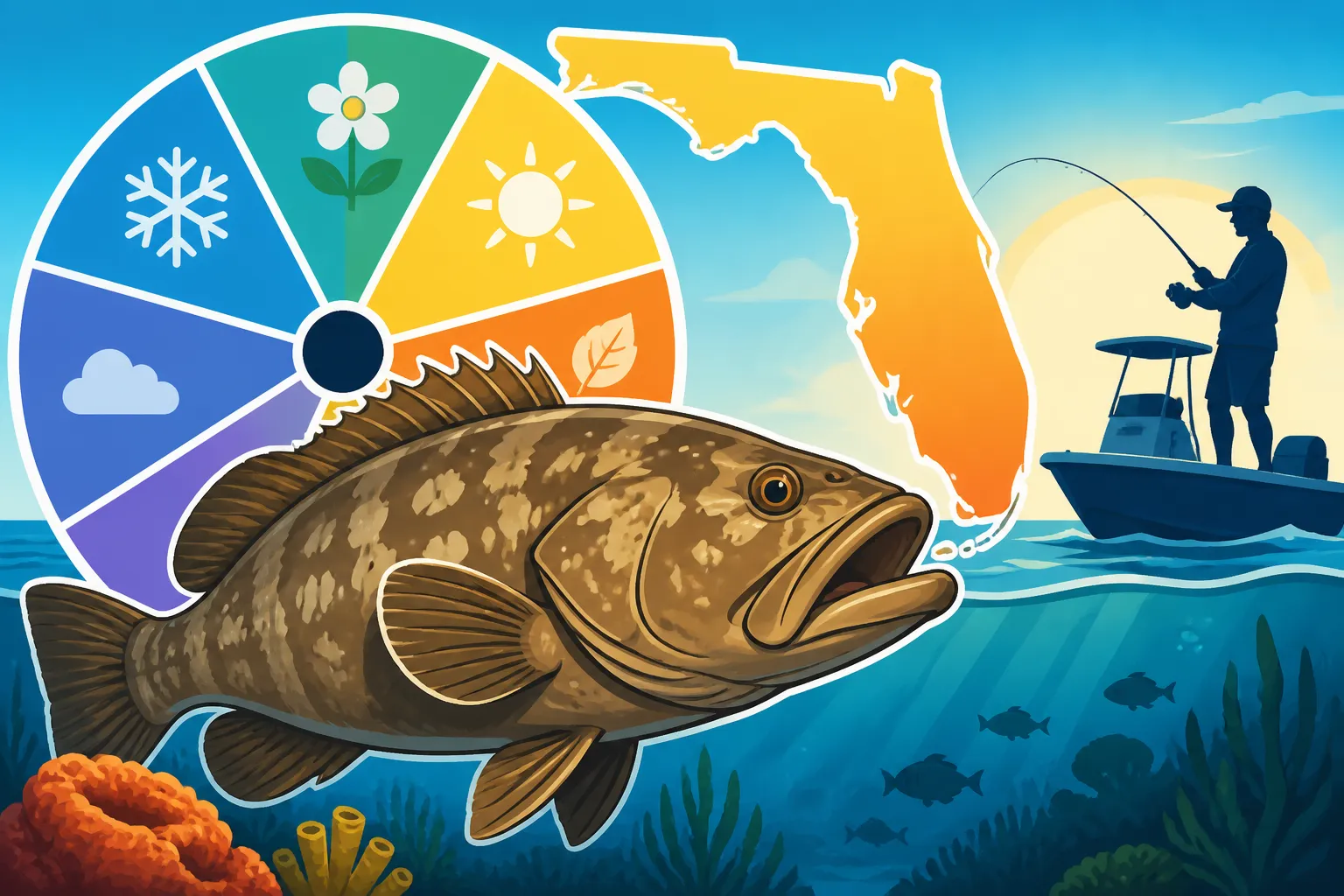
Florida is home to a fantastic array of grouper species, each with its own preferred habitats, behaviors, and, most importantly, fishing seasons. The truth is, there isn't one single "best month" for all grouper; it largely depends on which species you're targeting and whether you're fishing in Gulf or Atlantic waters. Regulations play a huge role in determining when you can legally harvest these fish, so understanding them is paramount to a successful and compliant trip.
Gag Grouper: The Winter and Spring Stalwart
For many seasoned Florida anglers, the Gag Grouper is the king of the reef, known for its aggressive strikes and powerful dives into structure. If you're chasing Gags, your best bet, especially on the Gulf Coast, often falls within specific windows. While the rules can shift a bit year to year, typically the fall and winter months are prime for Gulf Gags, extending into early summer. On the Atlantic side, the season usually opens later in the spring and runs through the end of the year, though you'll often find them further offshore.
During the cooler months, Gags tend to move into shallower waters, sometimes even within state waters, making them more accessible to smaller boats and even those fishing nearshore wrecks and reefs. This inshore migration for winter is a fantastic opportunity. However, remember that the "Gag Grouper Season Dates" are highly regulated by both the state of Florida Fish and Wildlife Conservation Commission (FWC) and federal agencies, so always double-check the latest rules before heading out. It's not uncommon for these seasons to have different start and end dates for recreational anglers versus commercial ones, or different rules depending on whether you're in state or federal waters.
Red Grouper: A More Consistent Year-Round Option
Red Grouper are often considered the bread and butter of Florida's grouper fishery. They’re generally more abundant and less finicky than Gags, making them a fantastic target for anglers looking for consistent action. The good news is that Red Grouper have a much longer open season compared to Gags, often allowing for harvesting for most of the year in both Gulf and Atlantic federal waters. State waters generally follow federal guidelines but can sometimes have slight variations.
While you can catch Red Grouper year-round, many anglers find the bite to be particularly hot during the spring and fall. These shoulder seasons offer pleasant weather conditions and active fish. They typically inhabit depths ranging from 50 to 300 feet, preferring hard bottom, ledges, and rocky areas. Unlike Gags, Red Grouper are less prone to making dramatic seasonal inshore/offshore movements, though their activity levels will certainly peak and wane with water temperature changes. This consistency makes them a reliable target when other species might be out of season or harder to find.
Black Grouper and Scamp: Atlantic and Deepwater Gems
While Gag and Red Grouper tend to get most of the spotlight, don't overlook Black Grouper and Scamp, especially if you're venturing into deeper waters or fishing the Atlantic coast. Black Grouper are known for their impressive size and powerful fight, often found on deep reefs, wrecks, and rocky ledges. Their seasons often align more closely with Gag Grouper, particularly in the Atlantic, frequently opening in the spring and extending through the end of the year.
Scamp Grouper are another fantastic species, prized for their delicious, flaky white meat. They're typically found in deeper waters, often over rocky bottom or around coral formations, especially prevalent on the Atlantic side and in the deeper parts of the Gulf. Scamp often have more generous seasons than Gags or Blacks, and their smaller size makes them a perfect target for lighter tackle deep-dropping. If you're exploring the nuances of "Florida Grouper Fishing Guide," you'll quickly learn that these deepwater specialists offer a different kind of challenge and reward. Keep an eye on the "Florida Fishing Regulations and Bag Limits" for specific guidelines on these less common but equally rewarding catches.
Seasonal Influences on Grouper Behavior and Bites
Understanding the regulatory seasons is one thing, but knowing when the fish are actually active and biting is another. Grouper behavior is heavily influenced by environmental factors, most notably water temperature, which dictates their spawning cycles and feeding patterns. A successful grouper trip often comes down to timing your visit with these natural rhythms.
Water Temperature and Spawning Cycles
Water temperature is arguably the most critical factor influencing grouper movement and feeding. As the water cools in the fall and winter, many Gag Grouper, especially on the Gulf side, migrate from deeper federal waters into shallower state waters. This makes them more accessible, and often more aggressive as they feed heavily. As spring approaches and waters warm, Gags begin to move back offshore, preparing for their spawning aggregations in deeper federal waters.
Red Grouper, on the other hand, tend to be a bit more tolerant of varying temperatures, making their bite more consistent throughout the year. However, they too have spawning periods, typically in the spring and summer, during which their feeding behavior might change. During spawning, they may aggregate in specific areas, but their focus shifts from aggressive feeding to reproduction, which can sometimes make them harder to tempt. Knowing these patterns helps you anticipate where the fish will be and how they might react to your bait. You can usually find a good "Florida Grouper Season Guide" that details these biological cycles.
Depth and Structure Preferences
Grouper are, by nature, structure-oriented fish. They love reefs, wrecks, rock piles, ledges, and any other underwater topography that provides cover and ambush points. Their depth preference can change significantly with the seasons. In cooler months, Gags might be found in as little as 30-50 feet of water. As temperatures rise and they prepare to spawn, they'll retreat to much deeper federal waters, often 100-300 feet or more.
Red Grouper are a bit more versatile, typically found over hard bottom in 50-200 feet, but can also be caught shallower or much deeper depending on the specific location and availability of structure. Black Grouper and Scamp almost always prefer deeper structures, frequently requiring trips into 150+ feet of water. Understanding these depth movements is key. A good fish finder can be your best friend, helping you locate the specific ledges, humps, and wrecks where these fish are holding. Many anglers rely on advanced units from brands like Garmin or Lowrance to pinpoint these subtle bottom changes.
Bait Availability and Feeding Frenzies
Like all predatory fish, grouper are opportunistic feeders, and their activity directly correlates with the availability of prey. When baitfish such as sardines, pinfish, grunts, and squid are plentiful, grouper will be more active and aggressive. These periods can lead to incredible "feeding frenzies." Pay attention to local reports and conditions. If there's a strong influx of bait near known grouper structures, it’s a good sign that the bite will be on.
Often, you'll find that during the shoulder seasons (spring and fall), baitfish migrations are at their peak, creating ideal conditions for grouper. Using live bait that mimics their natural forage is almost always the most effective strategy. If you're new to catching your own bait, learning "How to Cast Net for Live Bait" can be a game-changer for your grouper fishing success.
Tactical Fishing for Grouper During Peak Seasons
Once you've zeroed in on the best months and understood the behavioral patterns, it's time to talk tactics. Catching grouper isn't just about dropping a line; it requires the right bait, the right gear, and the right approach to pull these powerful fish out of their rocky hideouts.
Best Baits and Lures for Grouper
When it comes to tempting grouper, live bait is king, especially for species like Gag and Black Grouper. Pinfish, threadfin herring, sardines, and even small grunts are excellent choices. Hook them through the nose or dorsal fin to keep them lively. For Red Grouper, a chunk of cut bait, like a pilchard or squid, can be incredibly effective, especially when fished on the bottom.
Artificial lures also have their place. Heavy jigs, particularly those designed for vertical jigging, can be deadly for grouper, especially when you're targeting fish holding tight to structure in deeper water. Butterfly jigs, diamond jigs, or large bucktail jigs tipped with a strip of cut bait can entice strikes. Make sure your jigs are heavy enough to get down quickly and stay on the bottom in strong currents. You can find a fantastic selection of jigs and lures on platforms like Amazon, perfect for building out your tackle box for various conditions.
Essential Gear for Grouper Success
Grouper are tough fighters, and they live in unforgiving environments. You need gear that can withstand brutal strikes and the constant abrasion of sharp rocks and coral. A heavy-action conventional rod, typically 6 to 7 feet long, paired with a robust conventional reel capable of holding 50-80 pound braided line, is standard. Look for reels with strong drag systems, like those from Penn, Shimano, or Daiwa, which can handle the initial powerful run of a big grouper.
Your terminal tackle is just as important. Use a heavy fluorocarbon leader, usually 80-120 lb test, to resist abrasion and provide stealth. Circle hooks, sized 7/0 to 10/0, are preferred not only for their effectiveness but also for promoting better hookups in the corner of the fish's mouth, which increases survival rates for released fish. A heavy sinker, anywhere from 8 to 20 ounces or more depending on current and depth, is necessary to keep your bait on the bottom. If you're looking for recommendations, many anglers swear by specific models of "Best Rod and Reel Setup for Florida Offshore Fishing" designed for power and durability.
Effective Techniques for Grouper
- Bottom Fishing: This is the most common and often most effective method. Drop your live or cut bait directly to the bottom over known structure. Once you feel the bite, reel fast and hard to pull the fish away from the structure before it can "rock you up" – a term for when a grouper dives into a hole or crevice, cutting your line.
- Drift Fishing: When fishing over expansive areas of hard bottom or scattered rock piles, drift fishing can be very effective. This involves allowing your boat to drift with the current or wind, dragging your bait across the bottom. This covers more ground and helps you locate active fish. Just be prepared for quick reactions when a fish hits.
- Jigging: For those who prefer a more active approach, jigging can be incredibly productive, especially when the fish are aggressive. Drop a heavy vertical jig to the bottom, then retrieve it with a series of sharp lifts and drops. This mimics a wounded baitfish and can trigger vicious strikes. Learning the "Jigging Technique for Grouper" can add an exciting dimension to your fishing.
Navigating Grouper Regulations and Conservation
No discussion about catching grouper in Florida would be complete without emphasizing the critical importance of understanding and adhering to fishing regulations. These rules are in place to ensure the sustainability of grouper populations for future generations of anglers.
State vs. Federal Waters and Their Impact
One of the biggest complexities in Florida grouper fishing is the distinction between state and federal waters. Florida state waters extend 9 nautical miles into the Gulf of Mexico and 3 nautical miles into the Atlantic Ocean. Beyond these boundaries are federal waters, governed by federal agencies like the National Oceanic and Atmospheric Administration (NOAA) Fisheries, in conjunction with the Gulf of Mexico Fishery Management Council and the South Atlantic Fishery Management Council.
Seasons, size limits, and bag limits can, and often do, differ significantly between state and federal waters. For instance, the Gag Grouper season in Gulf state waters might be open while federal waters are closed, or vice-versa. Always know where you are fishing and check the regulations for that specific zone. This information is readily available on the FWC website and NOAA Fisheries websites. Confusion over these boundaries is a common reason for anglers running afoul of the law, sometimes leading to hefty fines as outlined in "Penalty for Fishing Without a License in Florida."
Bag Limits and Size Restrictions
Every grouper species has specific minimum size requirements and daily bag limits. For example, Gag Grouper typically have a larger minimum size than Red Grouper. You are only allowed to keep a certain number of fish per person per day, and sometimes there's a vessel limit as well. It's not just about catching fish; it's about catching legal fish.
Measure every fish as soon as you catch it, ideally using a measuring device that adheres to the boat's gunwale. If a fish is undersized, release it immediately and with as little harm as possible. Venting tools and dehookers are essential pieces of equipment for responsible catch and release, especially when dealing with barotrauma from bringing fish up from deep water. For a quick reference, check out "How Many Grouper Can You Keep in Florida?" to familiarize yourself with the current regulations.
The Role of Conservation in Season Setting
The recreational and commercial grouper fisheries are incredibly important to Florida's economy and culture. However, grouper are long-lived, slow-growing fish that are susceptible to overfishing. The strict seasons, size limits, and bag limits are not arbitrary; they are the result of extensive scientific research and public input, all aimed at ensuring sustainable populations.
Organizations like the FWC and NOAA constantly monitor fish stocks, adjust regulations as needed, and implement conservation measures. Understanding that these rules protect the resource helps foster a stronger sense of responsibility among anglers. By adhering to the rules, we all play a part in preserving Florida’s incredible fishing heritage. Remember that fishing license fees also play a crucial role, as detailed in "How Florida Fishing License Fees Fund Conservation."
Grouper Fishing Snapshot: Gulf vs. Atlantic
To make things a bit clearer, here's a general overview of when different grouper species are typically open in Florida, noting that these are general guidelines and subject to change. Always consult the FWC and federal regulations before your trip.
| Species | Gulf State Waters (0-9 nm) | Gulf Federal Waters (>9 nm) | Atlantic State/Federal Waters (0-200 nm) | Best Months for Action (General) |
|---|---|---|---|---|
| Gag Grouper | Often a fall/winter season (e.g., Sept-Dec), sometimes spring. | Often a summer/fall season (e.g., June-Dec). | Generally May-Dec. | Fall/Winter (Gulf), Spring/Fall (Atlantic) |
| Red Grouper | Generally open most of the year. | Generally open most of the year. | Generally open most of the year. | Spring & Fall |
| Black Grouper | Follows Gag Grouper or year-round. | Follows Gag Grouper or year-round. | Generally May-Dec. | Spring & Fall |
| Scamp Grouper | Generally open most of the year. | Generally open most of the year. | Generally May-Dec (overlaps with other groupers). | Summer |
Note: This table provides typical recreational seasons. Always verify specific dates and regulations with the Florida Fish and Wildlife Conservation Commission (FWC) and NOAA Fisheries before fishing, as seasons can vary year-to-year and by region.
In conclusion, while Red Grouper offer consistent action for much of the year, the "best month to catch grouper in Florida" often points to the cooler fall and winter months for the highly sought-after Gag Grouper on the Gulf Coast. For Atlantic anglers, the late spring through fall often provides excellent opportunities across multiple species. Always prioritize checking the latest regulations and fish responsibly to ensure these incredible fish remain a vibrant part of Florida's marine ecosystem for years to come.
Disclaimer
Fishing regulations, seasons, and bag limits in Florida are subject to change by the Florida Fish and Wildlife Conservation Commission (FWC) and federal authorities. This guide provides general information and recommendations based on common patterns and regulations. It is crucial for all anglers to verify the most current rules and regulations before engaging in any fishing activity. Always consult the official FWC website and NOAA Fisheries website for the most up-to-date and accurate information. The author and publisher are not responsible for any changes in regulations or for any actions taken based on the information provided herein.