Fishing During a Full Moon in Florida
Ah, the full moon! It’s one of those times in Florida fishing that can leave anglers scratching their heads. Some swear it’s the absolute best time to catch a trophy, while others find it incredibly frustrating, feeling like the fish have lockjaw. There's a lot of folklore and a fair bit of science mixed in, making it hard to know if you should grab your gear or just stay home. But don't you worry, because this guide is all about demystifying the full moon and giving you solid strategies to turn those lunar vibes into fishing success, no matter if you're chasing snook in the backcountry or bass in a freshwater lake.
Why the Full Moon Influences Florida Fishing Activity
Before we dive into the "how-to," let's chat a bit about why the full moon seems to stir things up. It’s not just some old wives' tale; there are genuine environmental factors at play, especially here in Florida with our diverse ecosystems. Understanding these underlying influences is key to adapting your approach and making the most of your time on the water.
Understanding Tidal Extremes and Lunar Pull
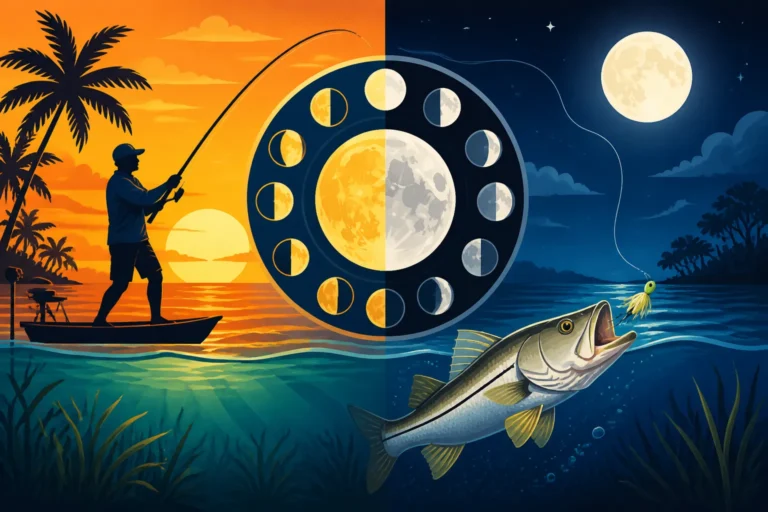
One of the most significant impacts of a full moon, particularly in our abundant saltwater environments, is its profound effect on the tides. You see, the moon’s gravitational pull is a powerful force, and during a full moon (and also a new moon), the sun and moon align, amplifying this pull. This celestial alignment creates what we call "spring tides" – and no, that doesn't just mean they happen in spring! Spring tides are characterized by higher high tides and lower low tides, meaning a much greater tidal range.
What does this mean for fishing? Well, those stronger tidal exchanges mean more water movement. Think about it: a stronger current can flush more baitfish out of their hiding spots in mangrove roots or grass flats, making them vulnerable. It also concentrates prey items into narrower channels, creating an all-you-can-eat buffet for predatory fish like snook, redfish, and trout. These fish will often position themselves strategically in ambush points, waiting for the current to deliver their next meal. On the flip side, extremely low tides can expose vast expanses of flats, forcing fish into deeper channels and making them easier to locate, if not necessarily easier to trick. Conversely, while freshwater bodies like Lake Okeechobee or the St. Johns River aren't directly influenced by oceanic tides, there can be subtle barometric pressure changes and general shifts in fish behavior that coincide with major lunar phases, though usually less dramatic than in saltwater.
Nocturnal Feeding Frenzies and Light Penetration
Another major factor unique to the full moon is, of course, the incredible amount of light it casts. On a clear night, a full moon can illuminate the landscape almost like twilight, making it significantly brighter than any other moon phase. For many fish species, particularly those that are typically more active during low-light hours or at night, this can extend their prime feeding window.
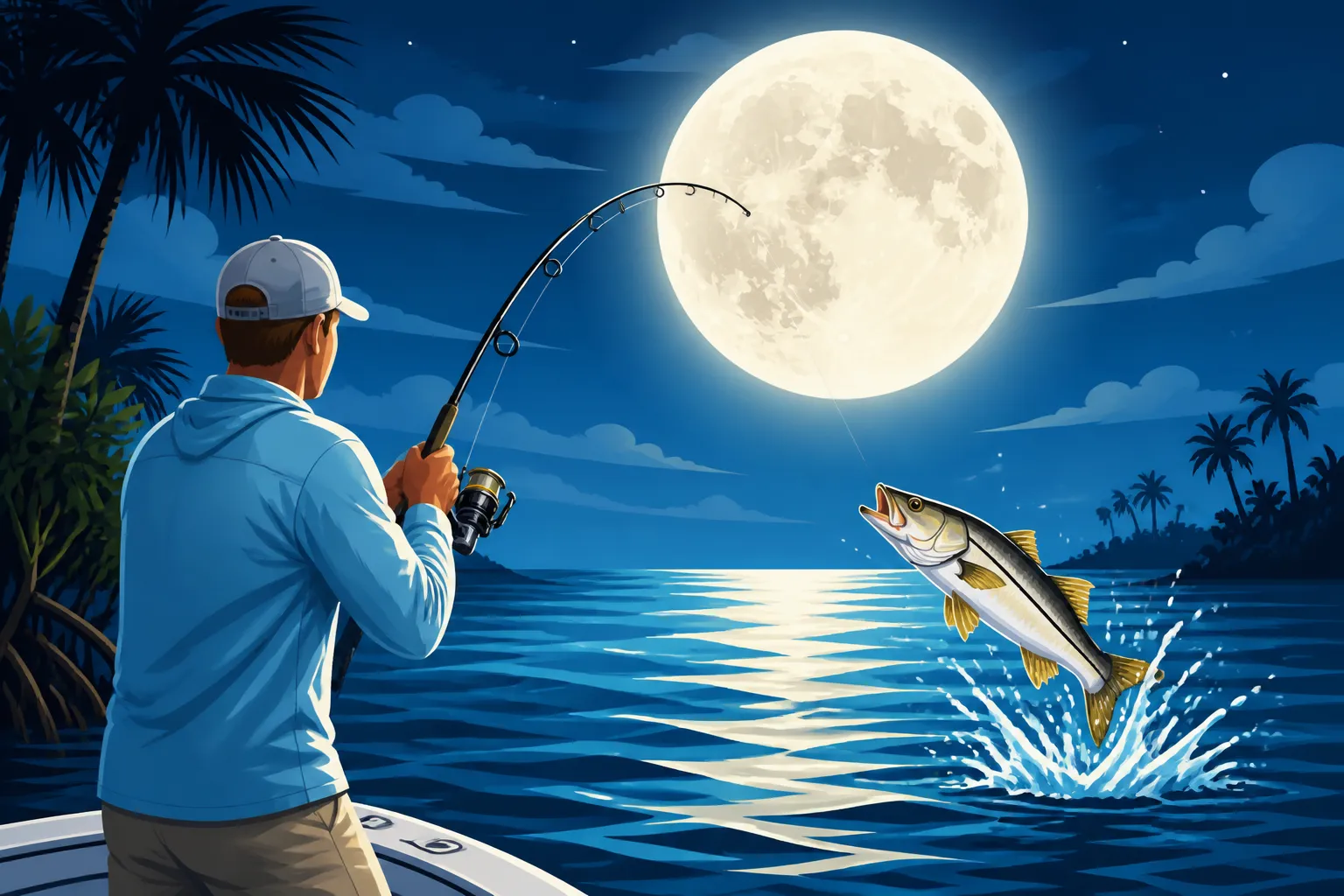
Consider a nocturnal predator like a snook. Under the shroud of a dark night, they rely heavily on their lateral line and keen sense of smell to hunt. But with a bright full moon, their vision becomes a much more effective tool. Baitfish, too, might become more active under the moonlight, venturing out from cover, and in doing so, they become more visible targets for hungry predators. This increased visibility can sometimes make fish warier during daylight hours after a big night of feeding, or it can spark intense feeding activity at night. Think about those glassy, calm nights on a flat when you can see baitfish showering across the surface under the moon's glow – those are prime conditions for a major bite. This light penetration isn't just for seeing; it changes the entire dynamic of the water, affecting how fish perceive their surroundings and, consequently, how they hunt and hide.
Mastering Saltwater Fishing Under the Full Moon's Glow
Fishing Florida's saltwater during a full moon can be truly magical, offering some of the most memorable angling experiences, but it requires a slightly different playbook. The amplified tides and enhanced nocturnal visibility call for specific strategies to hook into those coveted inshore and offshore species.
Targeting Inshore Species During Peak Tides
When that full moon is beaming down on our coastal waters, the inshore game can get wild. Species like snook, redfish, and spotted seatrout are intimately connected to the tidal flow, and when the tides are at their strongest, these fish often go into full-on feeding mode. This is when you want to focus your efforts on areas where current is concentrated.
Think about fishing inlets, passes, and bottlenecks where water rushes through. Snook, for instance, are masters of ambush, and they'll stage themselves just out of the main current, waiting for bait to be swept past them. Fishing these spots with live bait, like pilchards, pinfish, or shrimp, can be incredibly effective. Free-lining a live bait or using a very light knocker rig allows it to tumble naturally with the current, presenting an irresistible meal. For artificial lures, consider soft plastics on jig heads, allowing them to sink and swim naturally in the strong flow, or even a topwater plug walked erratically across the surface if the bait is active. You might need to use a slightly heavier jig head or more lead than usual to get your bait down in the increased current.
Don't overlook the flats, either. During an incoming or outgoing tide around the full moon, huge schools of baitfish will move on and off these shallow areas. Predators will patrol the edges of grass flats and oyster bars. If you're fishing at night under the bright moon, the visibility can be surprisingly good, making stealth even more critical. Longer casts and fluorocarbon leaders, which are less visible in clearer water and moonlight, can make a huge difference. For more detailed insights into general strategies, check out our guide on Florida Inshore Fishing Techniques.
Offshore Opportunities and Bait Behavior
The full moon also throws a different light on offshore fishing. While the tides don't directly impact deep-sea fish in the same way they do inshore, the moon's phase can still influence bait migration and the behavior of pelagic and bottom-dwelling species. Many offshore species, from snapper and grouper to kingfish and mahi-mahi, are highly opportunistic feeders, and any change that concentrates bait or makes them more vulnerable can lead to better fishing.
One common observation is that bait schools, like threadfin herring or cigar minnows, can aggregate more tightly or become more active under the full moon, sometimes even rising higher in the water column at night. This increased activity can draw in predatory fish. For bottom dwellers like snapper and grouper, night fishing during a full moon can be incredibly productive. The moonlight penetrating the water column, even at moderate depths, can make these fish more inclined to feed, especially if there's less boat traffic and pressure. Deep dropping with cut bait or live bait over reefs and wrecks can yield impressive results.
For pelagic species, dawn and dusk around the full moon are often prime times. The transition from dark to light, or light to dark, combined with the bright lunar glow, can trigger aggressive feeding bursts. Trolling with skirts or diving plugs for king mackerel or wahoo might be more effective during these crepuscular periods. Remember to always be aware of regulations, such as those found in our Florida Fishing Regulations and Bag Limits guide, as species like grouper and snapper often have specific seasons and limits. For a deeper dive into offshore tactics, our Florida Offshore Fishing Techniques guide provides a wealth of information.
Freshwater Fishing Under the Full Moon in Florida
While the immediate tidal pull of the full moon doesn't directly influence Florida's freshwater lakes and rivers in the same dramatic way it affects the coast, the lunar cycle can still play a role in fish behavior. Anglers targeting bass, crappie, bluegill, and catfish often report noticeable shifts during this phase, requiring some thoughtful adjustments to their usual tactics.
Largemouth Bass and Other Predatory Fish
For many bass anglers, the full moon is a time of mixed feelings. Some believe it creates a nocturnal feeding binge, making the daytime bite tougher, while others swear by it. The truth often lies somewhere in between. With the bright moonlight illuminating the water at night, largemouth bass, especially bigger ones, can become more active after dark. They might use the enhanced visibility to hunt baitfish and frogs more effectively. This often means that by sunrise, they might be less inclined to feed aggressively, having already gorged themselves throughout the night.
If you're fishing during the day around a full moon, you might find bass holding tighter to cover, seeking shade, or retreating to deeper, cooler water. They might be less willing to chase fast-moving baits. In this scenario, slowing down your presentation is often key. Think about flipping and pitching jigs or soft plastics into dense hydrilla mats, under docks, or into thick cypress tree cover. These are the places where a well-fed bass might be loafing, and a subtle, enticing presentation could trigger a reaction strike. If you're brave enough to venture out at night, casting topwater lures or dark-colored spinnerbaits in moonlit areas can be incredibly exciting and productive, especially in our guide on Florida Bass Fishing Techniques.
Crappie, Bluegill, and Catfish Considerations
Panfish like crappie (often called speck, short for speckled perch, in Florida) and bluegill also exhibit behavioral changes during a full moon. Crappie are known to be quite light-sensitive, so while the bright moon might make them feed more at night, they might retreat to deeper water or denser cover during the day. Targeting them in deeper holes, around submerged brush piles, or under shady bridges with small jigs or live minnows can be effective. If you're fishing at night, the brighter conditions might make them more willing to bite, especially around lighted docks or bridges that concentrate bait.
Catfish, being primarily nocturnal feeders, often become even more active under a full moon. The enhanced visibility might make their hunting easier, or the subtle environmental changes could simply trigger a stronger bite. Fishing for channel cats, blue cats, or flatheads with stink baits, cut bait, or live worms during a full moon night can be fantastic. Focus on deeper bends in rivers, creek mouths, or the edges of ledges in lakes. Their keen sense of smell makes them less reliant on sight, but the overall increase in nocturnal activity can still work in your favor.
Overcoming the Unique Challenges of Full Moon Fishing
Fishing during a full moon isn't without its quirks and challenges. The very factors that can make it productive – intense light and strong tides – can also make it trickier. But with the right mindset and a few tactical adjustments, you can turn these challenges into opportunities for a successful outing.
Managing Brightness and Stealth
The undeniable brilliance of a full moon is a double-edged sword. On one hand, it can light up your fishing spot beautifully, aiding in casting and navigation. On the other hand, fish, especially in clearer water, can become incredibly wary. They can see you, your boat, and your line much more easily. This demands a higher level of stealth than you might typically employ.
For starters, quiet is key. Minimize unnecessary noise on your boat – no banging tackle boxes or loud conversations. Make longer casts to avoid spooking fish that might be closer than you think. This is where a quality spinning reel and a responsive rod, like those discussed in Best Rod and Reel Setup for Florida Inshore Fishing, can really shine, allowing you to reach those distant targets. Consider using lighter fluorocarbon leaders, as they are virtually invisible in the water, even under moonlight. For daytime fishing after a full moon night, fish might be wary or in recovery mode, so slowing down your presentation and using natural-looking baits becomes even more important.
When it comes to lure selection for night fishing under a full moon, sometimes the best choice is a dark silhouette. A black, purple, or dark blue soft plastic or topwater lure can provide a stark contrast against the moonlit surface or the glowing water, making it easier for fish to pinpoint. However, don't shy away from lures with built-in rattles or vibrations, as these can still attract attention even if the fish are primarily relying on their lateral line. And speaking of light, try to avoid shining bright headlamps directly onto the water. Use a red light setting if your headlamp has one, as red light is less disruptive to nocturnal vision for both you and the fish. You can find excellent waterproof headlamps and fishing lights on Amazon that offer red light options, which are incredibly helpful for maintaining your night vision and minimizing your disturbance to the fish.
Navigational Hazards and Safety Precautions
While the full moon provides ample natural light, navigating Florida's waterways at night still presents unique hazards. Shadows can be deceiving, and glare off the water can obscure obstacles. Safety should always be your top priority when fishing after dark.
Firstly, know your waterways intimately before venturing out at night. If you're not familiar with a particular area, a full moon night might not be the best time for exploration. Always ensure your boat's navigational lights are fully operational and visible. Have a reliable GPS or chartplotter on board, even if you think you know the area like the back of your hand. Remember, unexpected sandbars, crab pots, or submerged debris can appear out of nowhere in the darkness.
Beyond boat safety, personal safety is crucial. Bring multiple forms of communication, like a fully charged cell phone and a VHF radio, especially if you're fishing in more remote areas. Dress appropriately for cooler night temperatures, even in Florida, and always have plenty of water and bug spray. Mosquitos and no-see-ums can be relentless, turning an otherwise perfect night into a miserable experience. Finally, consider fishing with a buddy. There's safety in numbers, and an extra set of eyes and hands can be invaluable in an emergency. For tips on specific nocturnal techniques, our guide on Night Fishing Technique for Trout Under Dock Lights offers great advice that can be applied to many full moon scenarios.
Gear Adjustments for Optimal Success
To truly capitalize on full moon fishing opportunities, a few gear adjustments can make all the difference. Beyond the lure choices and stealth tactics, thinking about your line, leaders, and auxiliary equipment can give you an edge.
For saltwater applications, where fish can be particularly line-shy under the moon's glow, using a lighter test fluorocarbon leader is a smart move. While heavier mono might be your go-to during the day, stepping down a few pounds in fluoro will decrease visibility without significantly compromising abrasion resistance. Pairing this with a good quality braided mainline will ensure you still get excellent casting distance and sensitivity.
As mentioned, proper lighting is indispensable. A reliable headlamp that offers both white and red light settings is a must. You can easily find high-quality, waterproof options on Amazon that are specifically designed for anglers. Consider adding some glow-in-the-dark jig heads or soft plastics to your tackle box, as these can be surprisingly effective during deep night hours. Also, if you're targeting bottom fish offshore, ensure your rods and reels are robust enough to handle the increased strain that might come from stronger currents and potentially larger, more aggressive fish. For freshwater, particularly if you're pursuing bass at night, remember that your retrieve speed and lure presentation might need to be slower and more deliberate, allowing bass to zero in on the bait.
Ultimately, fishing during a full moon in Florida is about adaptation. It’s about recognizing the unique conditions and adjusting your game plan accordingly. Don't let the myths deter you; embrace the challenge, make smart choices with your gear and tactics, and you might just find that the brightest moon offers some of the brightest fishing memories.
Disclaimer
This article is for general informational purposes only and does not constitute professional advice. Laws, prices and regulations vary by location and change over time. Consult a qualified professional for guidance on your specific situation.