Fishing Before a Storm Rolls In
Oh, the classic Florida dilemma! You wake up, grab your coffee, glance out the window, and see those ominous clouds gathering on the horizon. The weather app shows a pop-up storm, maybe even a larger system brewing. Your first thought, if you're anything like me, is probably a mix of "Should I even bother going fishing today?" and "Could this actually be a good time to hit the water before things get nasty?" It's a question that plagues many an angler, and the truth is, fishing before a storm rolls in can be incredibly productive, or it can be a total bust. This guide is all about helping you understand the nuances, read the signs, and, most importantly, stay safe while trying to capitalize on that pre-storm bite.
Understanding Barometric Pressure and Fish Behavior
One of the biggest factors influencing fish behavior before a storm isn't the rain itself, but the changes in barometric pressure. This invisible force, the weight of the air above us, affects everything from our ears popping on a plane to how fish feel in their watery world.
The Science Behind the Bite
Fish, especially those with swim bladders, are incredibly sensitive to changes in atmospheric pressure. Think of their swim bladder like a balloon – it helps them maintain buoyancy in the water. As a low-pressure system (often associated with incoming storms) approaches, the atmospheric pressure drops. This can cause their swim bladders to expand slightly, which can be uncomfortable. To counteract this, fish often move to deeper water where the water pressure is higher, or they might become more active, feeding aggressively to expend energy and perhaps "equalize" their internal pressure.
For species like snook, redfish, and even largemouth bass, this pre-front window can trigger a feeding frenzy. They sense the impending change and seem to know that food might become scarcer or harder to catch once the full force of the storm hits. It’s their biological imperative to stock up. This is why you might hear seasoned anglers talk about the "calm before the storm" bite – that magical period where fish seem to throw caution to the wind.
How Different Species React
Not all fish react the same way to a falling barometer, and their reactions can also depend on whether they're freshwater or saltwater inhabitants.
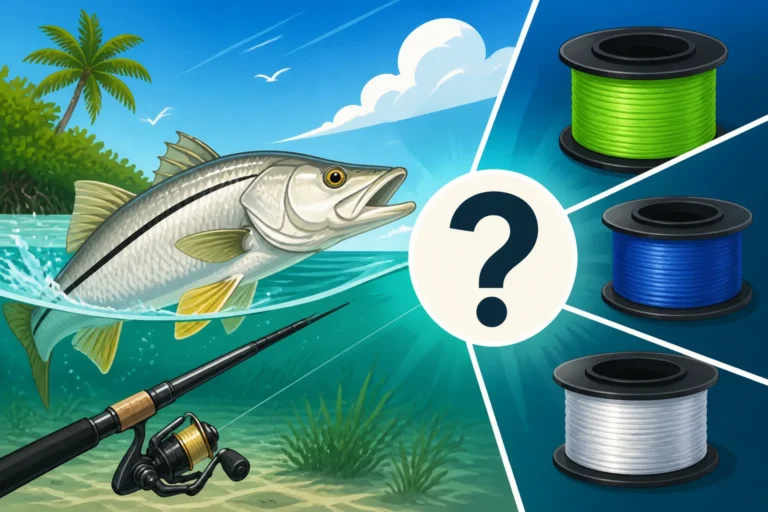
- Inshore Saltwater Species (Snook, Redfish, Trout): These are often the most noticeable feeders before a storm. As the light dims and the pressure drops, snook might become more aggressive, ambushing baitfish near mangroves or structure. Redfish often scour the flats with renewed vigor, pushing bait or digging for crustaceans. Spotted seatrout might move from deeper channels onto grass flats, looking for an easy meal. This is a prime time to target them with topwater lures or live bait that creates a lot of commotion. You might find some excellent insights into specific tactics in a guide on Best Bait for Snook Fishing in Florida.
- Freshwater Species (Largemouth Bass, Crappie): Bass in particular are notorious for getting active before a storm. They'll often move from deeper water toward shallower cover, like lily pads, hydrilla mats, or submerged timber, looking for frogs, shiners, or smaller fish. The reduced light penetration also gives them a predatory advantage. Crappie, too, might school up and feed aggressively in the hours leading up to a major rain event.
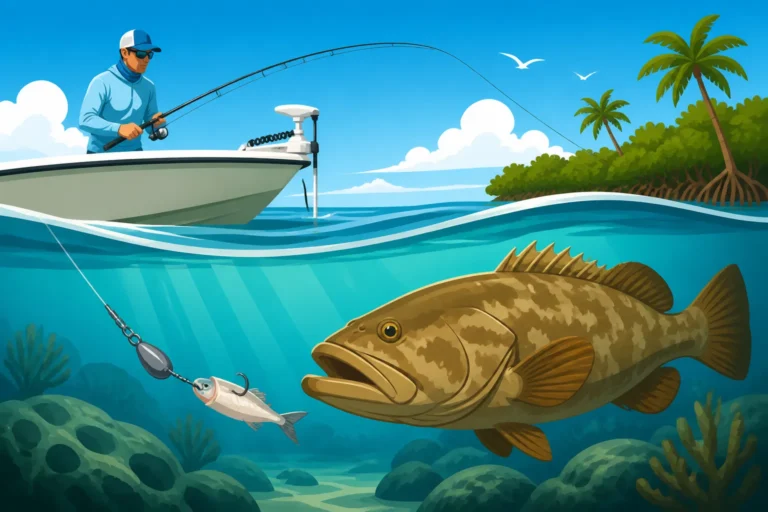
- Offshore Species (Grouper, Snapper): While harder to observe directly, offshore species can also react to pressure changes. Some might move shallower on reefs or wrecks to feed before the bottom gets stirred up, while others might hunker down. For safety reasons, venturing far offshore when a storm is truly "rolling in" is almost never advisable, but closer-in reefs might see some action.
Understanding these behavioral patterns is key to adjusting your strategy. Don't just cast the same lure in the same spot; think about where the fish might be moving and what they'll be looking for.
Reading the Weather Signs and Staying Safe
Florida weather can be notoriously fickle, often changing on a dime. One minute it's sunny, the next you're dodging lightning strikes. Learning to read the subtle (and not-so-subtle) signs of an approaching storm is paramount for both a successful trip and, more importantly, your safety.
Visual Cues and Forecast Checks
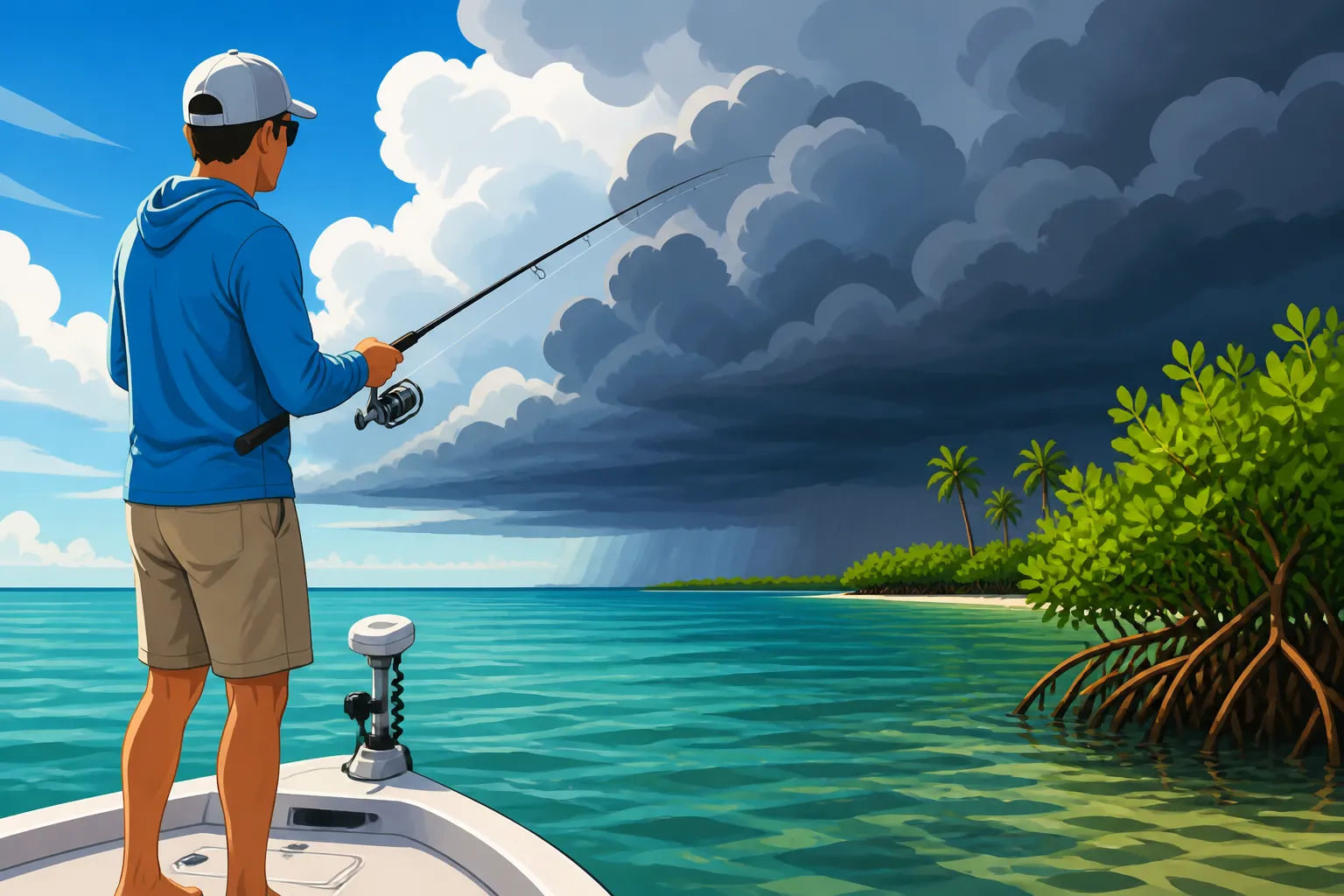
The most obvious signs are visual. Dark, towering cumulus clouds, especially those with an anvil shape spreading out at the top, are a clear indicator of thunderstorms. Pay attention to the wind, too. A sudden shift in wind direction or a noticeable increase in its strength often precedes a storm. Watch the water; if it goes from calm to choppy quickly without any visible wind, that's often a sign of distant weather pushing a pressure front ahead of it.
Never rely solely on what you see outside your window. Always check a reliable weather forecast before heading out, and keep an eye on it throughout your trip using a waterproof phone or marine radio. Many anglers use apps that provide real-time radar, which can be a lifesaver. Look for marine forecasts, not just general land forecasts, as they account for conditions on the water. Even better, consult local weather radio channels if you're on the water. A sudden drop in temperature can also signal a front moving in, prompting fish to feed aggressively. If you're planning a full day out, researching Best Time of Year to Fish in Florida can give you a general idea of seasonal storm patterns.
Essential Safety Precautions
Fishing before a storm is a calculated risk. It can be rewarding, but it demands extreme caution. Lightning is a serious threat in Florida, and you are the tallest object on the water.
- Lightning Safety: If you see lightning or hear thunder, it's time to get off the water. Seriously. Don't try for one last cast. Boats, especially those with tall masts or fishing rods, are lightning magnets. Seek substantial shelter on land immediately. There’s no such thing as being "safe enough" in a lightning storm on the water.
- Wind and Waves: Incoming storms bring wind, which creates chop and waves. If you're in a smaller boat, this can quickly become dangerous. Know your boat's limits and your own comfort level. Strong winds can also make boat handling difficult and casting nearly impossible. This is especially critical during something like Fishing During Florida's Hurricane Season, where even distant systems can create dangerous swells.
- Visibility: Heavy rain can drastically reduce visibility. If you're navigating unfamiliar waters or areas with heavy boat traffic, this is a major hazard. Ensure your navigation lights are working, and consider a radar reflector if you're in a bigger vessel.
- Emergency Gear: Always have a well-stocked emergency kit. This should include:
- PFDs (Personal Flotation Devices): One for everyone on board, and wear them!
- Communication: A fully charged cell phone in a waterproof bag, and ideally, a VHF marine radio.
- First Aid Kit: For minor injuries.
- Flares/Signaling Device: To alert others if you get into trouble.
- Anchor: A sturdy anchor and sufficient rode to hold your boat in rough conditions.
- Extra Clothing: A dry set, especially rain gear. You can find excellent quality waterproof jackets and pants for fishing on Amazon that will keep you dry through unexpected downpours.
- Water and Snacks: Staying hydrated and energized is crucial.
| Safety Check Item | Importance | Pre-Trip Action | On-Water Action |
|---|---|---|---|
| Weather Forecast | Critical for planning and avoiding danger | Check multiple sources (marine forecast, radar) | Monitor regularly with waterproof device/VHF |
| Personal Flotation Devices (PFDs) | Essential for survival in an emergency | Ensure correct size for all passengers, easily accessible | Wear at all times, especially in adverse conditions |
| Communication Devices | For emergencies and staying informed | Fully charged cell phone (waterproof case), working VHF radio | Keep accessible, know how to use "Mayday" or "Pan-Pan" |
| Rain Gear & Dry Clothes | For comfort and preventing hypothermia | Pack waterproof jacket/pants; consider extra layers | Put on before rain starts; change into dry clothes immediately if soaked |
| First Aid Kit | For treating injuries | Stock with essentials: bandages, antiseptics, pain relievers | Know location, basic first aid knowledge |
| Anchor & Rode | For holding position in rough water or emergencies | Ensure adequate size/weight for boat, sufficient chain/rope | Know how to deploy quickly; ensure clear anchor path |
| Float Plan | Informs others of your whereabouts and return time | Tell a friend/family member where you're going and when you expect to return | Notify them of changes to your plan |
| Know Your Limits | Prevents putting yourself/others in unnecessary danger | Be honest about your experience, boat's capabilities | Don't push through worsening conditions; turn back early |
Always let someone know your float plan – where you're going and when you expect to return. This is especially vital when venturing out during uncertain weather. If you decide to go, make it a short trip and stay close to familiar waters or launch points. There’s a lot to consider regarding safety, and you can never be too prepared.
Strategic Fishing Before the Squall
Alright, with safety firmly in mind, let's talk tactics for making the most of that pre-storm window. This isn't just about casting harder; it's about casting smarter, knowing where fish might congregate, and what they're likely to strike.
Choosing Your Location Wisely
When a storm is approaching, fish often seek areas that offer both food and shelter. Think about places where they can feed aggressively now but quickly find refuge once the weather turns.
- Nearshore and Inshore Structure: This includes mangrove shorelines, oyster bars, docks, seawalls, and bridges. These areas offer baitfish plenty of places to hide, which in turn attracts predators like snook and redfish. The reduced light also makes these ambush points even more effective. For example, if you're fishing Tampa Bay, looking at specific oyster beds or mangrove lines can be extremely productive.
- Shallow Flats with Deeper Edges: Fish the edges of grass flats where they drop off into slightly deeper channels or potholes. Fish might cruise the shallower water for a meal before retreating to the comfort of the deeper water as the storm approaches. This strategy is also excellent for freshwater bass, which will patrol the edges of hydrilla mats or lily pad fields.
- Canals and Creek Mouths: These areas can be excellent as baitfish are often flushed out by rain or driven into them by predators seeking shelter. The mouth of a canal where it meets a larger body of water can be a chokepoint for feeding activity. You can explore some of the best fishing spots in the state in our Best Fishing Spots in Florida guide.
- Piers and Bridges: These offer anglers a land-based advantage, allowing you to quickly seek shelter if needed. Fish often congregate around the pilings and shadows these structures cast. Remember, some piers might not require a fishing license in Florida, but check local rules. You can find more details in Do You Need a License to Fish From a Florida Pier?.
Adapting Your Techniques and Lures
The changing conditions demand a shift in your approach. The fish are often more aggressive, but visibility might be reduced.
- Lure Selection:
- Topwater Lures: With falling pressure and reduced light, topwater lures like Zara Spooks, Poppers, or Whopper Ploppers can be incredibly effective. The commotion they create on the surface draws attention from actively feeding fish, even in murky water.
- Darker Colors and Vibrations: When visibility is low, fish rely more on their lateral lines to detect prey. Lures in dark colors (black, blue, purple) can create a better silhouette against the dim sky. Lures with a lot of vibration, like spinnerbaits, chatterbaits, or soft plastics with paddle tails, are also great choices.
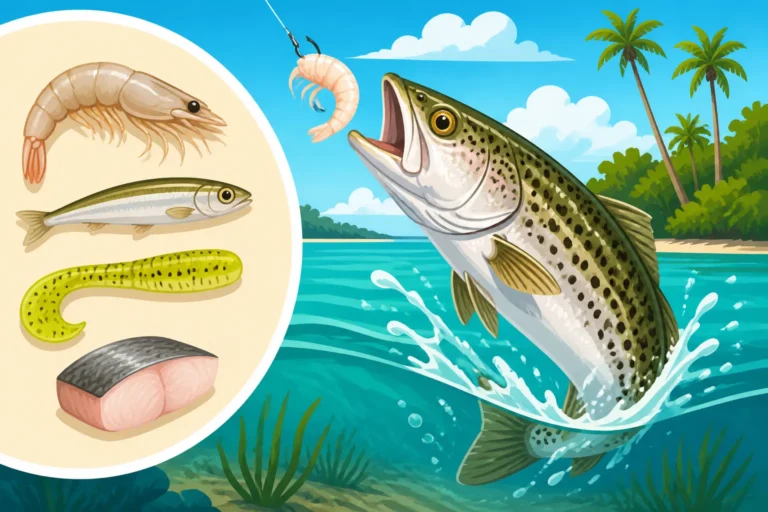
- Live Bait: If all else fails, live bait is often the most reliable option. A frisky pilchard, shiner, or shrimp presented naturally can be irresistible to opportunistic feeders.
- Presentation:
- Work it Faster: Aggressive fish respond well to faster retrieves. They're in "eat now" mode, so don't be afraid to speed up your presentation.
- Target Cover: Cast your lures or bait tight to mangrove roots, dock pilings, or submerged structure where fish are likely to be ambushing prey.
- Don't Overlook the Surface: As noted, topwater bites can be epic before a storm. Pay attention to any surface activity.
- Gear Considerations:
- Rod and Reel: Consider a slightly heavier rod and reel setup than usual, especially if you anticipate battling strong fish in tight cover or current created by impending weather. A good Best Rod and Reel Setup for Florida Inshore Fishing can make all the difference.
- Line: Make sure your line is in good condition, as strong winds and fighting aggressive fish can put extra stress on it.
- Knots: Double-check your knots! This is always important, but especially when fish are biting hard and fighting dirty before a storm.
When to Call It Quits: Knowing When to Head Home
While the pre-storm bite can be exhilarating, there's a fine line between capitalizing on an opportunity and putting yourself in danger. Knowing when to pack it in is the most crucial part of fishing before a storm.
Monitoring Weather Evolution in Real-Time
It’s easy to get caught up in the excitement of a good bite, but you must constantly monitor the weather around you. A small pop-up shower can quickly escalate into a severe thunderstorm.
- Radar Apps: Your phone's radar app (in a waterproof case, of course) or a dedicated marine weather app is your best friend. Watch the direction and speed of the storm cells. If they're heading your way quickly, or if new cells are forming closer than anticipated, it's time to go.
- Visual Observation: Look for the tell-tale signs: increasing wind speed, dark or greenish clouds, distant lightning, or the sound of thunder. Even if the cell on the radar looks a little distance away, thunder can travel far, and lightning can strike far from the rain core.
- Listen to the Water: If the water surface starts to get significantly choppier, or if you notice a sudden drop in temperature, it’s a strong indicator of changes you need to respect.
The minute you feel uneasy or see conditions rapidly deteriorating, don't hesitate. Cut your trip short. There will always be another day to fish, but you only have one life. For more on how rain specifically impacts fishing, check out How Rain Affects Inshore Fishing in Florida.
The "No Fish is Worth It" Mentality
This is perhaps the most important lesson any angler can learn. No trophy fish, no full cooler, no amount of bragging rights is worth risking your life or the lives of your fishing companions. If you have any doubt about the safety of staying on the water, err on the side of caution.
- Turn Back Early: It's much easier to navigate safely back to the ramp or shore when conditions are merely breezy than when you're battling high winds, heavy rain, and lightning. Don't wait until the storm is directly overhead.
- Seek Immediate Shelter: If you do get caught unexpectedly, try to find immediate shelter. If in a boat, head to the nearest substantial structure on land, like a bridge underpass (if safe and legal), a marina, or even a large, solid building. If shoreline fishing, get into a car or sturdy building. Avoid isolated trees or open fields.
- Re-evaluate: Once the storm passes, you can always re-evaluate. Sometimes, after the main front passes and the pressure stabilizes, there can be another bite. But only consider going back out if conditions are completely safe, clear, and the threat of secondary storms has passed.
Fishing before a storm can be one of the most exciting and productive times on the water, offering anglers a chance to witness nature's power and the raw instincts of fish. However, it requires a sharp eye on the sky, a deep respect for the elements, and an unwavering commitment to safety. Stay informed, stay vigilant, and happy (and safe) fishing!
Disclaimer
This article is for general informational purposes only and does not constitute professional advice. Laws, prices and regulations vary by location and change over time. Consult a qualified professional for guidance on your specific situation.