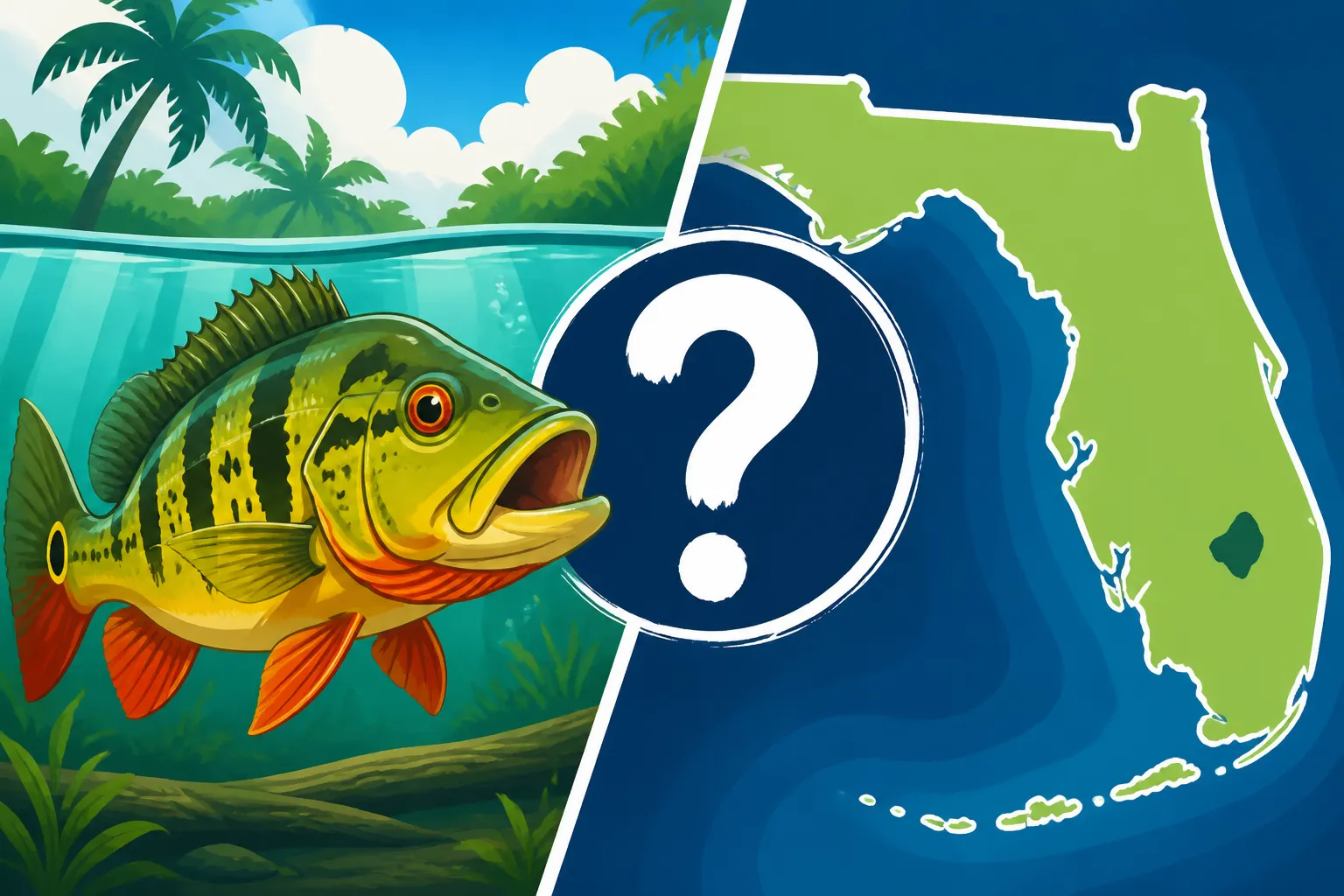
Are Peacock Bass Native to Florida?
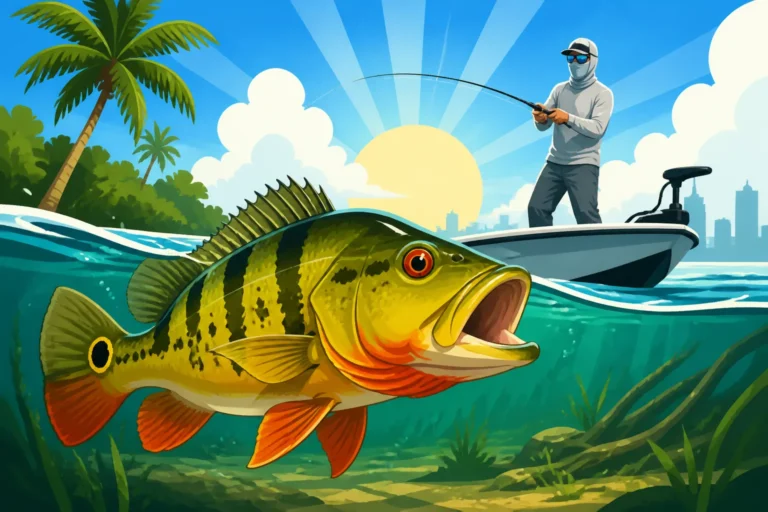
It's a common question, and one that often sparks debate among anglers and nature enthusiasts alike: are those vibrant, hard-fighting peacock bass we see dominating many of South Florida's canals truly native to the Sunshine State? The answer, while perhaps surprising to some who've grown accustomed to seeing them, is a definite no. This guide will dive deep into the fascinating story of Florida's peacock bass, exploring their origins, how they came to be here, and their unique role in our intricate aquatic ecosystems.
The Curious Case of Florida's Peacock Bass: An Introduction
When you cast a line into a canal in places like Miami or Fort Lauderdale and hook into a brilliantly colored peacock bass, it's easy to assume they've always been part of the landscape. They're so prolific and have been around for so long that they feel like an integral part of Florida's fishing identity. Yet, the truth is a little more complex, involving a thoughtful, albeit calculated, introduction to address a burgeoning ecological challenge.
Are They Native? Dispelling the Myth
Let's cut right to the chase: no, peacock bass are absolutely not native to Florida. Their true origins lie thousands of miles away in the warm, slow-moving rivers and interconnected waterways of the Amazon basin in South America. There, they are king, holding a revered spot in the hearts of local and international anglers who travel great distances to target these magnificent fish. The common misconception that they might be native likely stems from their widespread presence and their apparent success in adapting to Florida's subtropical climate. They’ve been here for decades, and their populations are robust, leading many to simply assume they belong.
The various species of peacock bass, particularly the butterfly peacock bass (Cichla ocellaris), which is the most common species found in Florida, evolved in an environment vastly different from Florida's natural spring-fed lakes or coastal estuaries. They are perfectly adapted to tropical freshwater systems, thriving in clear to tannic waters with plenty of structure, which, as fate would have it, Florida’s extensive canal systems mimic surprisingly well. This adaptability is precisely what made them a candidate for introduction in the first place, but it does not change their status as an introduced species.
How Did Peacock Bass Get to Florida Canals?
The story of how peacock bass arrived in Florida isn't one of accidental release or a simple escape from an aquarium, as is often the case with many invasive species. Instead, their introduction was a deliberate, carefully planned, and highly controlled effort by the Florida Fish and Wildlife Conservation Commission (FWC) in the mid-1980s. The FWC recognized a growing problem: certain non-native, invasive cichlid species, particularly the spotted tilapia and Mayan cichlid, were reproducing unchecked in South Florida's urban canal systems. These prolific invaders were outcompeting native fish species for food and habitat, disrupting the delicate ecological balance.
The FWC conducted extensive research, looking for a suitable biological control agent—a predator that would effectively prey on these unwanted cichlids without negatively impacting native Florida species like the largemouth bass. After years of study, the butterfly peacock bass was identified as the ideal candidate. They are aggressive predators, primarily feeding on smaller fish, and their preferred habitat of canals largely overlapped with where the invasive cichlids were thriving. Furthermore, biologists determined that peacock bass are sensitive to cold temperatures, which would naturally limit their spread north beyond South Florida's warmer climes, thus preventing them from becoming an invasive problem themselves in other parts of the state.
Between 1984 and 1987, the FWC officially stocked thousands of peacock bass into the canal systems of Miami-Dade and Broward counties. The plan worked: the peacock bass quickly established healthy, self-sustaining populations and indeed began to exert predatory pressure on the invasive cichlids. As an added bonus, they provided a fantastic new sport fishing opportunity for local and visiting anglers, quickly becoming a popular target for their striking beauty and formidable fighting spirit. It was a rare success story in the often-perilous world of species introductions, turning an ecological challenge into a recreational boon.
The Impact of Peacock Bass on Florida's Ecosystem
Any time a non-native species is introduced into an ecosystem, there are legitimate concerns about its potential impact. While the FWC's introduction of peacock bass was calculated and monitored, understanding their role—both beneficial and challenging—is crucial for appreciating their place in South Florida's waterways. They've certainly carved out a niche, but not without some ongoing considerations.
Ecological Benefits and Challenges
The primary ecological benefit of the peacock bass introduction, as intended, was their role in controlling invasive cichlid populations. Prior to their arrival, species like the spotted tilapia and Mayan cichlid were thriving, multiplying rapidly, and outcompeting native fish for resources. Peacock bass proved to be highly effective predators of these smaller, prolific invaders. By preying on juvenile and adult cichlids, they helped to reduce the overall numbers of these undesirable species, theoretically alleviating some of the pressure on native fish populations and promoting a healthier balance within the canal systems. This biological control was a key driver behind the FWC's decision and is largely considered a success.
However, even with careful planning, there are always potential challenges. Some concerns were raised about whether peacock bass might also prey heavily on native baitfish or even juvenile largemouth bass. While they certainly consume any fish they can catch, studies and observations have generally shown that their impact on native gamefish populations has been minimal, particularly in the urban canal settings where they primarily reside. The FWC's research suggested that canal systems offered a different habitat and food web than natural lakes, reducing direct competition or predation on key native species. Nonetheless, ongoing monitoring is essential to ensure that the delicate balance isn't unexpectedly tipped.
Coexistence with Native Species
One of the reasons the FWC considered the peacock bass a relatively safe introduction was the belief that they would largely coexist rather than directly compete or significantly prey upon native species. This has largely proven true in practice. Peacock bass in Florida primarily inhabit the man-made canal systems, which often feature deeper, more uniform channels, concrete or rocky banks, and different types of vegetation than the vast, shallower, naturally vegetated lakes and rivers where native largemouth bass tend to dominate. This habitat segregation helps minimize direct competition for prime spawning grounds or territories.
Furthermore, while both are predatory fish, there are differences in their typical diet and feeding behaviors. Peacock bass are visual predators that often hunt aggressively in open water or along structures, actively chasing down smaller fish. Largemouth bass, while also ambush predators, tend to utilize more cover and often consume a wider variety of prey, including crustaceans and insects, in addition to fish. The successful establishment of the peacock bass without significant detrimental effects on native populations highlights the importance of thorough ecological research before introducing any non-native species, proving that thoughtful intervention can sometimes achieve desired results. For anglers interested in the nuances of our native species, we have a comprehensive Florida Largemouth Bass Fishing Guide that delves into their world.
Fishing for Peacock Bass in Florida
If you're an angler, the news that peacock bass are not native might be interesting, but the real excitement lies in the incredible sport fishing opportunity they provide. These fish are renowned for their aggressive strikes and powerful, drag-screaming fights, making them a bucket-list species for many. And the best part? You don't need a deep-sea boat or a long expedition to find them; they're right in our backyards in South Florida.
Where to Find Them: South Florida's Canal Systems
The intricate network of canals stretching across Miami-Dade and Broward counties is the undisputed kingdom of the Florida peacock bass. These waterways, originally designed for flood control and irrigation, have become perfect habitats for these Amazonian imports. You can find them in everything from major navigable canals to smaller, residential ditches, often right in the middle of bustling urban and suburban areas. Imagine casting a line from a bridge in downtown Miami and hooking into a fish that looks like it swam straight out of the Amazon jungle!
Key areas to target include canals with plenty of structure, such as culverts, bridges, seawalls, downed trees, and intersecting waterways. Look for areas with current, especially near spillways or locks, as these create ambush points where baitfish concentrate. Even small retention ponds that connect to larger canal systems can hold big peacocks. The great thing about these urban fisheries is their accessibility; many spots can be fished directly from shore, parks, or small boats like kayaks and canoes. If you're wondering exactly where to go, our guide on Where Are Peacock Bass Found in Florida? offers more precise locations and tips.
Techniques and Tackle for Targeting Peacock Bass
Peacock bass are aggressive, which means they're usually willing to strike a variety of lures and baits. Their explosive topwater strikes are legendary, making topwater plugs an incredibly exciting option, especially during the warmer months and early mornings or late evenings. Poppers, walk-the-dog lures, and prop baits can all elicit thrilling surface explosions. Beyond topwater, subsurface lures like jerkbaits, lipless crankbaits, and swimbaits are highly effective. For deeper canals or when fish are less active, jigs dressed with soft plastics, particularly those mimicking baitfish like shiners, can be deadly. Many anglers swear by vibrant colors like chartreuse, orange, and fire tiger, though natural baitfish patterns also work well.
| Lure Type | Best Conditions | Retrieve Style | Notes |
|---|---|---|---|
| Topwater Plugs (Poppers, Walkers) | Low light (dawn/dusk), calm water, active fish | Erratic, splashy for poppers; side-to-side for walkers | Exciting strikes! Great for covering water. |
| Jerkbaits | Clear water, cooler temperatures, structure | Twitch-twitch-pause; mimic injured baitfish | Effective when fish are slightly deeper or less aggressive. |
| Lipless Crankbaits | Covering large areas, moderate depth | Steady retrieve with occasional pauses | Excellent for eliciting reaction strikes. |
| Swim Jigs / Soft Plastics | Any condition, especially around cover/structure | Jigging, slow retrieve; mimic baitfish or crawfish | Versatile, can be fished at various depths. |
| Live Bait (Shiners) | When fish are finicky or for larger targets | Freeline or under a bobber near structure | Often irresistible, especially for big peacocks. |
When it comes to tackle, while peacocks fight hard, they don't typically require heavy gear. A medium-light to medium action spinning rod paired with a 2500-3000 series reel spooled with 10-20 lb braided line is generally perfect. You'll want a fluorocarbon leader of 20-30 lb test for abrasion resistance against rocks and sharp canal edges. Finding the right lure for peacock bass can be an adventure, and many anglers start their search for tried-and-true favorites or new innovations on platforms like Amazon. For those looking to stock up on the essentials before hitting the canals, a quick browse on Amazon will reveal a plethora of options for lures, lines, and even rod and reel combos perfectly suited for this exciting fishery. Understanding what peacock bass eat can also help you select the most effective baits and lures. If you're truly serious about increasing your chances, considering one of the Best Fishing Guides for Peacock Bass in Miami can provide invaluable local knowledge.
Regulatory Status and Conservation of Peacock Bass
Even though peacock bass are not native to Florida, they are a cherished and regulated sportfish. The FWC manages their populations to ensure they continue to provide excellent recreational fishing opportunities while also monitoring their ecological role. As anglers, understanding these regulations and our role in responsible fishing is key to maintaining this unique fishery.
Legal Status and Bag Limits
In Florida, peacock bass are fully recognized as a game fish. This means they are subject to specific regulations, including bag limits and sometimes size restrictions, just like native sportfish. The FWC ensures that these rules are in place to maintain healthy populations and provide sustainable fishing. Generally, the bag limits for peacock bass are quite generous compared to many native species, reflecting their non-native, introduced status and the goal of maintaining a healthy predator-prey balance within the canals. Currently, anglers are typically allowed to keep a certain number of peacock bass per day, often with a slightly stricter rule for larger trophy-sized fish.
It's always crucial to check the most current regulations directly with the Florida Fish and Wildlife Conservation Commission before heading out. Regulations can change, and what was true last year might be different today. These regulations are designed to benefit the fishery, ensuring that the population remains strong for future generations of anglers. For a more comprehensive understanding of the rules that govern all fishing in Florida, our Florida Fishing Regulations and Bag Limits guide provides extensive details.
The Role of Anglers in Managing Peacock Bass
Anglers play a vital role in the informal management of peacock bass populations. Because they are a non-native species, albeit intentionally introduced, responsible angling practices contribute to maintaining a healthy ecosystem balance. While many anglers practice catch and release, especially for the larger, more sought-after trophy fish, keeping smaller peacock bass for the dinner table can also be a positive contribution. Peacock bass are excellent eating fish, known for their firm, white, flaky meat. By harvesting smaller fish, anglers help to thin out the population, potentially reducing competitive pressure on available forage and allowing the remaining fish to grow larger.
Furthermore, fishing pressure itself acts as a form of population control, which is part of the FWC's strategy for their introduction. Anglers help distribute fish and remove some individuals, preventing localized overpopulation and encouraging healthier fish stocks overall. Whether you choose to release every fish or keep a few for a meal, understanding your impact and adhering to all regulations ensures that this exciting fishery continues to thrive. Engaging with the FWC's conservation efforts, even just by reporting unusual catches or changes in fish behavior, helps contribute to the long-term health of Florida's diverse aquatic environments.
Peacock Bass vs. Largemouth Bass in Florida: A Comparison
While both are fantastic sport fish and often coexist in some areas (especially around canal systems that connect to natural lakes), they have distinct characteristics.
| Feature | Peacock Bass (Cichla ocellaris) | Largemouth Bass (Micropterus salmoides floridanus) |
|---|---|---|
| Native Status | Non-native, introduced species (from Amazon basin) | Native to Florida |
| Primary Habitat | Urban and suburban canal systems, deeper channels | Natural lakes, rivers, ponds, shallow vegetated areas |
| Appearance | Vibrant colors (yellows, greens, oranges), distinct "peacock eye" spot on caudal fin, three prominent vertical bars. | Greenish-grey body, dark lateral stripe or blotches. |
| Temperature Tolerance | Sensitive to cold; thrive in warm, tropical waters. Cannot survive prolonged cold snaps. | More tolerant of temperature fluctuations; wider distribution across Florida. |
| Fight | Aggressive, powerful, often surface-oriented, hard runs. | Powerful, acrobatic jumps, strong dives into cover. |
| Diet | Primarily fish (especially cichlids, shiners, small baitfish). | Primarily fish, but also crustaceans, insects, frogs, small mammals. |
| Ecological Role | Introduced as biological control for invasive cichlids; sport fish. | Apex predator in native freshwater systems; keystone species. |
Conclusion
So, to definitively answer the question: no, peacock bass are not native to Florida. Their story is a unique tale of intentional introduction, carefully executed by the Florida Fish and Wildlife Conservation Commission to address an ecological imbalance caused by other invasive species. What resulted is a thriving, vibrant population of a truly magnificent sport fish that has brought a touch of the Amazon to the urban waterways of South Florida.
These beautiful and hard-fighting fish provide unparalleled freshwater fishing opportunities, drawing anglers from all over the world to experience their explosive strikes and powerful runs. Far from being a detrimental invasive species, the peacock bass has largely settled into its niche, coexisting with native species and even playing a beneficial role in managing other non-native fish. As long as anglers continue to respect regulations and practice responsible fishing, the peacock bass will remain a cherished and unique part of Florida's incredible fishing landscape.
Disclaimer
This article is for general informational purposes only and does not constitute professional advice. Laws, prices and regulations vary by location and change over time. Consult a qualified professional for guidance on your specific situation.