Best Bridges for Shore Fishing in Florida
Fishing in Florida without a boat can sometimes feel like you're missing out on all the action, especially when you see those sleek vessels heading offshore or navigating the hidden backcountry. But let me tell you, if you're stuck on land or just prefer the simplicity of shore-based angling, you are absolutely not out of luck. In fact, some of the most productive and exciting fishing spots in the Sunshine State are right under your nose, often in plain sight: the bridges. This guide will dive deep into why bridges are unsung heroes for shore anglers and highlight some of the very best spots across Florida.
Why Bridges are Prime Fishing Real Estate
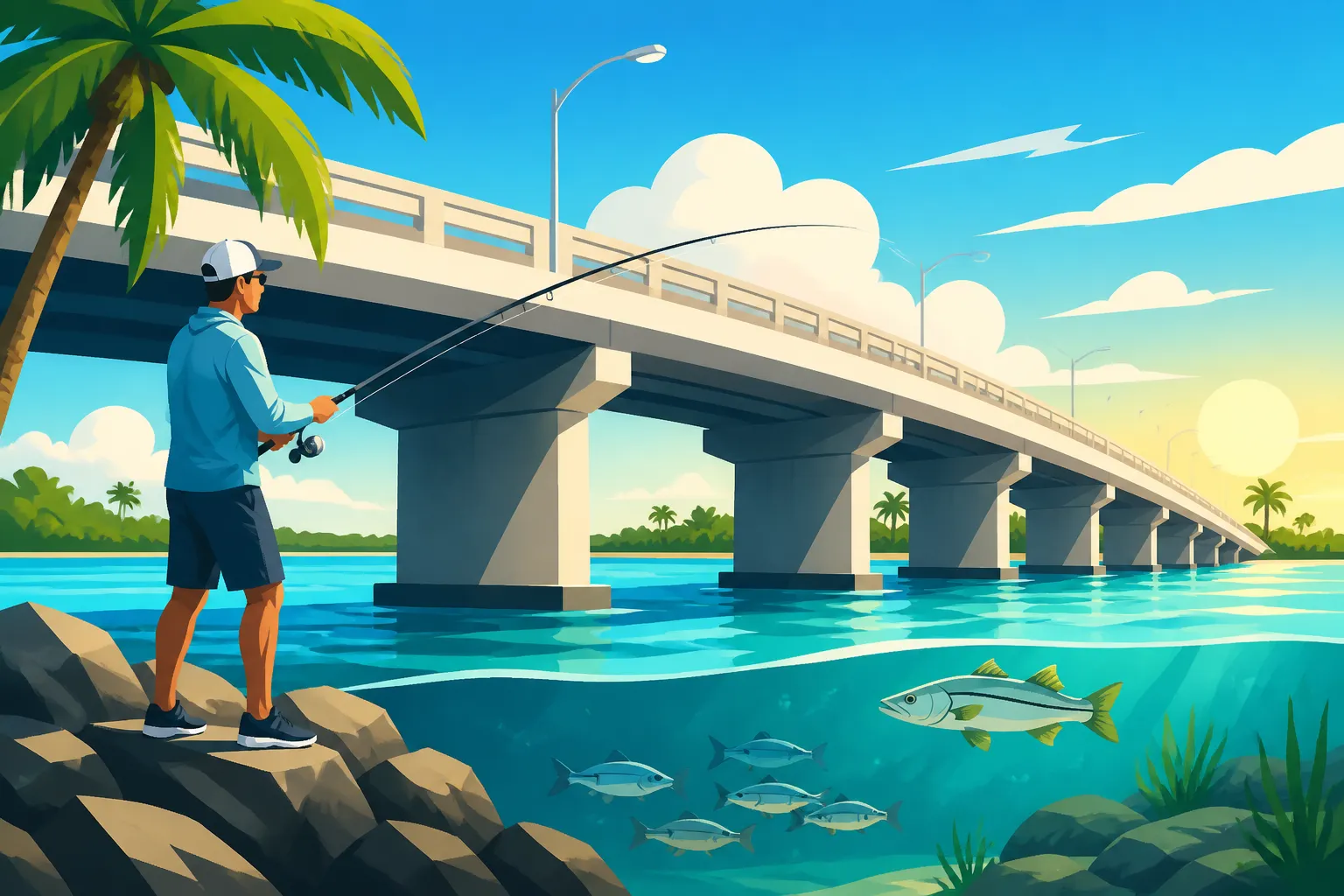
Bridges aren't just pathways for cars; they're bustling underwater cities for fish. The very structure that holds them up—pilings, riprap, concrete foundations—creates an incredibly complex and diverse ecosystem that attracts a wide variety of species. It's a natural fish magnet, and understanding why will significantly improve your success rate.
Structure Attracts Bait and Predator Fish
Think about it from a fish's perspective: a bridge piling driven deep into the water offers shelter, ambush points, and a place to hide from strong currents. This structural complexity attracts smaller baitfish like sardines, pilchards, and mullet, which seek refuge or graze on the algae and invertebrates growing on the pilings. Where the bait goes, the predators follow. Snook, redfish, tarpon, snapper, and even larger species like king mackerel and cobia will hold near these structures, waiting for an easy meal to drift by. The shadows cast by the bridge also offer concealment, making it an ideal ambush point for hungry game fish.
The concrete and rock foundations also disrupt water flow, creating eddies and current breaks. These are crucial spots where baitfish can rest, and predators can conserve energy while still being in a prime feeding lane. It's a constant buffet line, making bridges some of the most reliable spots for a diverse catch. Anglers who take the time to observe these patterns, perhaps even consulting local fishing reports often found on platforms like FishingBooker, can unlock incredible opportunities right from shore.
Deep Water Access and Strong Currents
Many bridges span deeper channels or connect larger bodies of water, meaning they offer anglers access to depths that are usually only reachable by boat. This deep-water access is especially vital for targeting species that prefer cooler, deeper water, or those that migrate through channels. Moreover, the constricted flow under a bridge often creates incredibly strong currents, which, while challenging to fish, are absolute hotspots. These currents act like a conveyor belt, bringing a steady stream of food—plankton, small fish, crabs, and shrimp—directly to the waiting mouths of game fish.
Fishing these strong currents requires a bit of technique, heavier weights, and a keen understanding of how the tide affects the water flow, but the reward can be substantial. For example, during strong tidal pushes, species like snapper and grouper might move closer to the pilings to ambush prey. The deeper water also provides a thermal refuge, meaning fishing under bridges can remain productive even when shallower waters get too hot or too cold.
Safety First: Essential Bridge Fishing Considerations
While bridges offer incredible fishing opportunities, they also present unique challenges and safety concerns that every angler must be aware of. Your safety, and the safety of others, should always be your top priority.
Navigating Traffic and Other Hazards
When you're fishing from a bridge, you're often in close proximity to vehicular traffic. This means being constantly aware of your surroundings, minimizing distractions, and never obstructing walkways or bike paths. Look for bridges that have dedicated fishing piers or pedestrian walkways, as these are designed with angler safety in mind. Always be mindful of casting angles to avoid overhead power lines or hitting passing cars or pedestrians. It's not just about what's in the water; it's about what's around you on the bridge itself.
Beyond traffic, the bridge environment itself can be hazardous. Surfaces can be slick from dew, rain, or algae growth, especially near the water's edge or on access ramps. Watch out for uneven pavement, exposed rebar, or broken concrete. Always wear appropriate footwear with good grip. Additionally, consider the sun's intensity in Florida; without natural shade, you'll be fully exposed. Wear a wide-brimmed hat, polarized sunglasses, and apply plenty of sunscreen.
Understanding Currents, Tides, and Entanglements
The strong currents that make bridges so productive can also be dangerous. They can sweep away gear, create challenging casting conditions, and if you're not careful, even pull you off your feet if you're on a low-lying structure during a King Tide. Always be aware of the tide schedule and the intensity of the current. It's also crucial to be prepared for snagged lines. Bridge pilings are notorious for snags, and trying to pull a deeply entangled line can be frustrating and even dangerous if you're leaning over a railing or stretching precariously.
Always bring extra terminal tackle, and be ready to break off a snagged line safely. Consider fishing with slightly heavier line or using sacrificial leaders for your weight. Understanding the nuances of the local tides is paramount; what works on an incoming tide might be completely ineffective or even unsafe on an outgoing tide. Knowing when the slack tide occurs can give you a window for easier fishing, even if the bite isn't as intense. For more comprehensive information on predicting these water movements, check out this guide on the Best Time of Day to Fish in Florida.
Top Bridges for Shore Fishing on Florida's Gulf Coast
Florida's Gulf Coast is famed for its calm, clear waters and abundant inshore species. The bridges here are no exception, offering fantastic opportunities for anglers targeting everything from snook to tarpon.
Sunshine Skyway Fishing Pier State Park, St. Petersburg
Once a major highway bridge, the old Sunshine Skyway Bridge now stands as the world's longest fishing pier, stretching for miles into Tampa Bay. This is truly a unique and legendary spot for shore anglers. It’s essentially two massive piers, one on the north side and one on the south, offering an incredible variety of fishing scenarios.
- Target Species: The Skyway piers are legendary for their diverse catches. You can find everything from snook, redfish, and spotted seatrout in the shallower sections closer to shore, to Spanish mackerel, king mackerel, cobia, sharks, tarpon, and various snapper and grouper species in the deeper, central spans. Sheepshead are also abundant around the pilings, especially during cooler months.
- Best Times and Tips: Fishing can be productive year-round, but spring and fall migrations bring a frenzy of action for pelagic species. Night fishing is incredibly popular here, as the lights attract baitfish and, consequently, predator fish. Bring a variety of tackle, from lighter rigs for baitfish and trout to heavier setups for tarpon or sharks. A long-handled net is a must, as the pier is high off the water. They have bait and tackle shops on-site, along with restrooms and ample parking, making it a comfortable place for an extended fishing trip.
- Unique Features: The sheer length and depth of these piers mean you can virtually fish any condition and target almost any saltwater species found in the region. It’s also one of the few places where you might tangle with a truly massive tarpon or shark from a pier. The park requires an entrance fee per vehicle and per angler, but it includes your Florida Saltwater Fishing License Rules for fishing directly from the pier, which is a fantastic bonus.
Boca Grande Causeway Bridges, Southwest Florida
The Boca Grande Causeway is a series of bridges connecting Gasparilla Island to the mainland in Southwest Florida. While the main channel is renowned globally for its tarpon run, the causeway bridges themselves offer phenomenal shore fishing for other coveted species.
- Target Species: These bridges are fantastic for snook, redfish, flounder, and sheepshead. During certain times of the year, particularly spring and fall, Spanish mackerel and ladyfish will also be abundant. The pilings and rocky edges are prime habitat for these inshore favorites.
- Best Times and Tips: Tidal movements are critical here. The strong currents funnel baitfish under the bridges, creating prime ambush points. Focus your efforts during the peak of the outgoing and incoming tides. Live bait such as shrimp, pilchards, or cut bait worked close to the pilings or along the edges of the channel can be incredibly effective. For those targeting flounder, drifting a jig with a soft plastic or a live shrimp along the sandy bottom near the bridge can yield great results. Keep an eye out for larger tarpon rolling through the channels, though catching them from shore can be a challenge. Fishing around these bridges, especially during low light conditions or at night, can be exhilarating.
- Accessibility: There are several spots along the causeway where you can pull off and fish, particularly on the mainland side before the toll booth to enter Gasparilla Island. Parking can be limited in some areas, so arrive early during peak season.
Matlacha Bridge, Pine Island Sound
The "Fishingest Bridge in the World," as it's often affectionately called, is the iconic Matlacha Bridge that spans Matlacha Pass between Cape Coral and Pine Island. This charming, small drawbridge is a mecca for inshore anglers due to its rich ecosystem and easy accessibility.
- Target Species: This bridge is a hotspot for snook, redfish, seatrout, snapper, and sheepshead. Tarpon also cruise through the pass, especially during their spring and summer migrations. Mangrove snapper are particularly prevalent around the pilings and rocky bottom.
- Best Times and Tips: The Matlacha Pass has strong tidal flows, making fishing around the changes of the tide particularly productive. Early mornings and evenings are prime times, especially for snook, which often hold in the eddies created by the bridge structure. Live bait, especially live shrimp or finger mullet, drifted with the current or freelined under the lights at night, can be deadly. Many anglers also have success with artificial lures like jerkbaits and soft plastic paddle tails. This is a great spot to practice light tackle fishing, so ensure your Best Rod and Reel Setup for Florida Inshore Fishing is ready.
- Community Vibe: Matlacha is a vibrant, artsy fishing village, and the bridge itself has a wonderful, friendly atmosphere. You’ll often find locals and tourists alike casting lines, sharing tips, and enjoying the relaxed pace of island life. There are bait shops, tackle stores, and restaurants nearby, making it convenient for a full day of fishing.
Prime Bridges for Shore Fishing on Florida's Atlantic Coast
The Atlantic Coast, with its deeper offshore waters and strong currents, offers a different flavor of bridge fishing. Here, you might encounter more migratory species alongside the usual inshore suspects.
Sebastian Inlet Bridge, Sebastian Inlet State Park
The Sebastian Inlet Bridge, connecting Orchid Island and the mainland, is a legendary fishing spot on Florida's Treasure Coast. This area is renowned for its incredible snook and redfish action, as well as a variety of other species drawn to the nutrient-rich waters and strong currents.
- Target Species: Snook are king here, with monster fish regularly caught and released. Redfish, black drum, flounder, pompano, bluefish, and various jack species are also abundant. During migrations, you can encounter Spanish mackerel, king mackerel, and even tarpon passing through the inlet. Sheepshead are always a possibility around the pilings.
- Best Times and Tips: The outgoing tide is often considered the most productive, as it flushes bait from the Indian River Lagoon out into the ocean, drawing in hungry predators. Fishing the slack tides can also be effective for bottom feeders. Live bait—mullet, pilchards, and shrimp—are top choices, but artificial lures like jigs, bucktails, and lipped plugs are also very successful. Night fishing, especially during the snook season, is immensely popular around the bridge lights. Just remember the strict Florida Snook Season Guide and slot limits.
- Facilities: Sebastian Inlet State Park is well-equipped with facilities, including ample parking, bait shops, restrooms, and even a restaurant. Access to the jetties and catwalks under the bridge provides multiple vantage points. Be prepared for crowds, especially during peak seasons and favorable fishing conditions. A valid Florida fishing license is required if you are not fishing on one of Florida's designated Florida Free Fishing Days.
Fort Pierce Inlet State Park Bridge, Fort Pierce
Similar to Sebastian Inlet, the Fort Pierce Inlet offers fantastic bridge fishing opportunities, though often with slightly less intense crowds. The South Bridge of the inlet is particularly popular for shore anglers.
- Target Species: Anglers can expect to hook into snook, redfish, trout, flounder, bluefish, pompano, and various types of snapper. During the cooler months, you'll find plenty of Spanish mackerel and bluefish chasing bait through the inlet. Tarpon and sharks are also frequent visitors.
- Best Times and Tips: Just like other inlet bridges, the strong tidal flow dictates the bite. The outgoing tide often brings bait, and the incoming tide can bring clean ocean water. Live bait is king, but spoons and jigs can also be very effective, especially for mackerel and bluefish. Pay attention to the deep holes and current seams around the pilings. For those interested in a deeper dive into the behavior of target species, resources like FishingBooker often provide insights into when specific fish are most active in these local hot spots.
- Accessibility: The park offers good parking and easy access to the bridge. There are also designated fishing areas and jetties. Always be aware of boat traffic, especially in the main channel, as vessels are constantly coming and going.
Vilano Beach Bridge, St. Augustine
Connecting the mainland to Vilano Beach and North Beach, the Vilano Beach Bridge over the Tolomato River (part of the Intracoastal Waterway) in St. Augustine offers a different kind of bridge fishing experience, with a focus on calmer intracoastal waters.
- Target Species: This bridge is excellent for spotted seatrout, redfish, flounder, black drum, and sheepshead. During warmer months, you might encounter juvenile tarpon or snook, and blue crabs are often found clinging to the pilings.
- Best Times and Tips: The fishing here is less about powerful ocean currents and more about the slower, steady flow of the intracoastal waterway. Focusing on the tide changes is still important, but the bite can be more consistent throughout the tide cycle. Live shrimp, mud minnows, and finger mullet are excellent bait choices, either fished on the bottom or under a popping cork. Soft plastic jigs and small jerkbaits can also be very effective for trout and redfish. Fishing the bridge at night under the lights can be very productive for trout and other predators.
- Atmosphere: St. Augustine is historic and charming, and the Vilano Beach area has a relaxed, family-friendly vibe. There are shops, restaurants, and bait stores nearby, making it a convenient and pleasant place to spend a day fishing from shore.
Bridge Fishing Techniques and Gear
Successfully fishing from a bridge requires more than just casting a line; it demands specific techniques and the right gear to combat strong currents, navigate structure, and handle potentially large fish.
Essential Gear for Bridge Anglers
When you're bridge fishing, you need gear that's up to the task. You'll likely encounter strong currents, abrasive structure, and powerful fish.
- Rods and Reels: A medium-heavy spinning rod (7-8 feet) paired with a 4000-6000 series spinning reel is a versatile setup for most bridge fishing scenarios. This provides enough backbone to cast heavier baits or lures, fight larger fish, and handle strong currents. Spool your reel with 20-30 lb braided line, which offers superior casting distance, sensitivity, and strength compared to monofilament. For specific species, you might need a heavier setup, particularly if you're targeting large tarpon or sharks.
- Terminal Tackle: This is where you'll spend most of your time and money. Bring a variety of weights (egg sinkers, pyramid sinkers, cannonball sinkers) ranging from 1/2 oz to 3 oz or more, depending on current strength. Heavy fluorocarbon leader (30-80 lb) is essential to resist abrasion from pilings and provide invisibility to fish. Hooks should be strong and sharp; consider circle hooks (3/0-7/0) for live bait and J-hooks for artificials. Swivels and snaps are also crucial for quickly changing rigs.
- Accessories: Don't forget a long-handled landing net or a sturdy gaff for larger fish. A tackle bag or backpack for easy transport, a cooler for bait and catch, pliers, line cutters, and a rag are also must-haves. For anglers concerned about specific bag limits and regulations, carrying a measuring tape or having a fish ruler on your tackle box is non-negotiable.
Rigging for Success
The way you rig your line can make all the difference when fishing around bridges. You need setups that can get your bait into the strike zone and withstand the rigors of the environment.
- Bottom Rigs: For targeting snapper, sheepshead, flounder, or redfish on the bottom, a standard "knocker rig" or a "fish-finder rig" (Carolina rig) works well. The knocker rig involves sliding your sinker directly onto your leader, followed by a bead and then tying on your hook. This allows the bait to move more naturally. A fish-finder rig uses a sliding sinker on your main line, tied to a swivel, then a leader to your hook. This rig is particularly effective for allowing fish to pick up the bait without feeling the weight.
- Float Rigs (Popping Corks): These are fantastic for suspended baitfish like pilchards or shrimp, especially for seatrout, redfish, and small snook in areas with moderate current. A popping cork creates noise and disturbance, mimicking feeding fish and attracting attention. The depth below the cork can be adjusted to target fish holding at various levels in the water column.
- Live Bait Techniques: Live bait is often the most effective choice around bridges. Freelining a live pilchard or mullet down current near pilings can entice a snook or tarpon. Using a weighted rig to get a live shrimp to the bottom for snapper or sheepshead is another go-to. Knowing how to properly rig live bait to keep it active is key; this often involves careful hook placement through the nose or dorsal fin. You might even consider learning How to Cast Net for Live Bait to ensure you always have fresh, lively offerings.
| Bridge Name | Location | Primary Target Species | Best Conditions | Unique Features/Tips |
|---|---|---|---|---|
| Sunshine Skyway Fishing Pier | St. Petersburg (Tampa Bay) | Snook, Redfish, Tarpon, Mackerel, Snapper, Sharks | Night (lights), Spring/Fall migrations | World's longest fishing pier, on-site bait/tackle, fee includes fishing license for pier. Excellent for deep-water access without a boat. |
| Boca Grande Causeway Bridges | Gasparilla Island (Southwest Florida) | Snook, Redfish, Flounder, Sheepshead, Tarpon (seasonal) | Strong tidal movements | Multiple pull-off spots, strong currents. Legendary tarpon area, but great for inshore species from shore too. |
| Matlacha Bridge | Matlacha (Pine Island Sound) | Snook, Redfish, Seatrout, Snapper, Sheepshead | Tide changes, Night (lights) | "Fishingest Bridge in the World," vibrant local community, accessible for all skill levels. Ideal for light tackle. |
| Sebastian Inlet Bridge | Sebastian Inlet State Park (Treasure Coast) | Snook, Redfish, Flounder, Pompano, Mackerel, Tarpon | Outgoing tide, Night (lights) | Famous for trophy snook, strong currents. Park facilities include bait, restrooms, and observation areas. Be prepared for crowds and strong currents. |
| Fort Pierce Inlet State Park Bridge | Fort Pierce (Treasure Coast) | Snook, Redfish, Trout, Flounder, Mackerel, Snapper | Tidal flows | Good alternative to Sebastian Inlet with slightly fewer crowds. Access to jetties and designated fishing areas. |
| Vilano Beach Bridge | St. Augustine (Intracoastal Waterway) | Seatrout, Redfish, Flounder, Black Drum, Sheepshead | Tide changes, Night (lights) | Calmer intracoastal waters, family-friendly atmosphere. Good spot for beginners targeting common inshore species. |
Maximizing Your Bridge Fishing Experience
Bridge fishing offers a unique blend of accessibility and challenge. To truly make the most of your time, a little extra planning and observation go a long way.
Timing is Everything
Just like any other type of fishing, understanding the best times to fish around bridges is crucial. Tides, moon phases, and even time of day play significant roles in fish behavior.
- Tidal Influence: This is arguably the most important factor when fishing bridges. As discussed, the movement of water funnels bait and creates feeding opportunities. Aim to fish during the last hour or two of an incoming tide and the first two hours of an outgoing tide. These "changeover" periods often see increased fish activity. On some bridges, one tide might be significantly more productive than the other due to how it aligns with bait movements or structure.
- Moon Phases: Full and new moons typically bring stronger tidal currents, which can make fishing more challenging but also potentially more rewarding for certain species. Neap tides (quarter moons) have weaker currents, which can be easier to fish, especially for bottom-dwelling species. While you can find a general guide on Does Moon Phase Affect Fishing in Florida?, local conditions always hold sway.
- Time of Day: Early mornings and late evenings are almost always prime times for predatory fish around bridges. The lower light conditions offer them a feeding advantage. Night fishing, especially under bridge lights, can be incredibly productive for snook, trout, and tarpon, as the lights concentrate baitfish. During the middle of the day, fish often retreat to deeper, shadier areas under the bridge structure.
Observe, Adapt, and Stay Prepared
The most successful bridge anglers are keen observers and are always willing to adapt their approach. Don't be afraid to change your bait, rig, or even your spot on the bridge if what you're doing isn't working.
- Look for Signs: Pay attention to bird activity; diving birds often indicate baitfish schools, which means predator fish are likely nearby. Watch for swirls, jumps, or boils on the water surface—these are obvious signs of feeding fish. Look at what other successful anglers are doing, but don't be afraid to try something different.
- Be Mindful of Fellow Anglers: Bridge fishing spots can get crowded, especially the popular ones. Practice good fishing etiquette: don't cast over other people's lines, give ample space, and be courteous. If you see someone reeling in a fish, clear your line if it interferes. Sharing the space makes for a better experience for everyone.
- Pack Smart: Beyond your fishing gear, bring plenty of water, snacks, a hat, sunglasses, and sunscreen. A small first-aid kit is always a good idea, as hooks and sharp objects are common. Pack out everything you pack in—leave no trace. Many reputable guides and charters listed on sites like FishingBooker emphasize eco-friendly practices, and shore anglers should too! Keeping these spots clean ensures they remain productive and enjoyable for future generations.
Disclaimer
Fishing laws and regulations, including license requirements, seasons, and bag limits, can change frequently in Florida. Always consult the latest Florida Fish and Wildlife Conservation Commission (FWC) regulations before heading out. The information provided in this guide is for general informational purposes only and should not be considered legal advice.