Best Spots for Fishing in South Florida During Summer
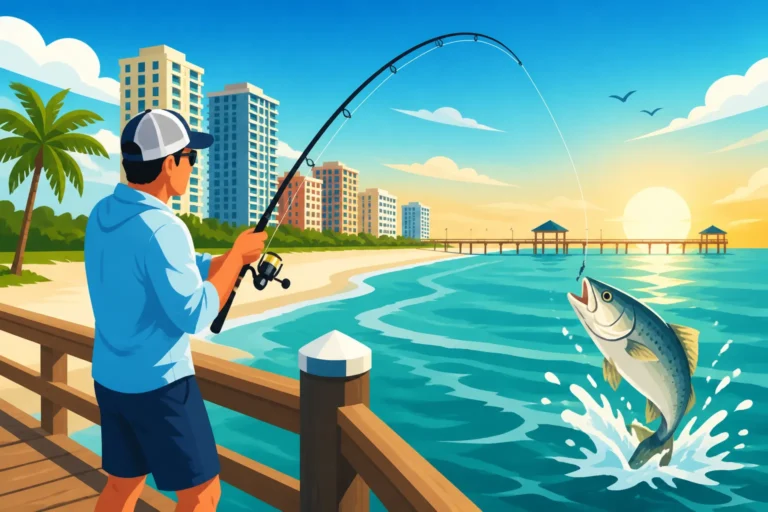
Ah, South Florida in the summer! It's a truly beautiful time to be here, but let's be honest, it can also be a bit of a challenge for us anglers. The sun can be relentless, the humidity thick, and those afternoon thunderstorms? They roll in with a dramatic flair that can throw a wrench into even the best-laid fishing plans. Many folks think summer fishing is a bust, but I'm here to tell you that with the right knowledge and a bit of grit, you can find some of the most rewarding angling experiences Florida has to offer. This guide will walk you through the best spots and strategies to conquer the summer heat and hook into some fantastic fish.
Navigating South Florida's Summer Fishing Landscape
Summer in South Florida isn't just about longer days; it's a completely different ballgame when it comes to fishing. The conditions shift dramatically, impacting everything from where the fish hang out to when they decide to bite. Understanding these environmental changes is your first step to a successful summer season.
The Double-Edged Sword of Summer Heat
There's no sugarcoating it: the heat in South Florida during summer is intense. Air temperatures often soar into the 90s, and water temperatures can follow suit, especially in shallow inshore areas. This isn't just uncomfortable for us; it significantly impacts fish behavior. Just like you, fish get sluggish when it's too hot. Their metabolism slows down, making them less inclined to chase a meal, and they'll often seek cooler, deeper waters or dense shade to escape the scorching sun.
This means those prime mid-day hours that might be fantastic in cooler months become a lot less productive. You'll find that fish are most active during the cooler parts of the day – dawn, dusk, and even into the night. Targeting these windows can make a huge difference, as fish will be more willing to feed without expending too much energy in the heat. It also means changing your approach; instead of casting aimlessly, think about where a fish would be trying to cool off: under docks, deep in mangrove shadows, or in cooler spring-fed canals.
Embracing the Afternoon Thunderstorms
Those dramatic afternoon thunderstorms? They're as much a part of South Florida summer as flip-flops and air conditioning. While they might seem like a nuisance, forcing you off the water with lightning and heavy downpours, they often come with a silver lining for fishing. The typical pattern is a clear, calm morning, followed by building clouds and storms in the afternoon, often clearing up by early evening.
These storms can actually "turn on" the bite. The sudden drop in air temperature, the fresh influx of rainwater (especially in freshwater systems), and the stirred-up water can invigorate fish. They often become more active after a storm passes, seizing the opportunity to feed in the slightly cooler, more oxygenated water. Of course, safety should always be your top priority. Get off the water at the first sign of lightning. But once the sky clears and the rumble fades, consider heading back out. You might be surprised at how quickly the fish rebound.
Managing Seasonal Crowds and Boat Traffic
South Florida is a huge draw, and summer means more tourists and recreational boaters sharing the waterways. This can lead to increased boat traffic, crowded ramps, and more competition for those prime fishing spots. It's a real frustration when you're trying to enjoy a peaceful day on the water, only to be constantly dodging jet skis or dealing with wakes from passing pleasure craft.
To combat this, consider fishing on weekdays if your schedule allows, as weekends are typically the busiest. Also, explore less accessible areas, like the remote reaches of the Everglades backcountry, which tend to see less casual traffic. Launching your boat very early in the morning or staying out later in the evening can also help you avoid the worst of the mid-day rush. Remember to always be courteous and patient; we're all out there to enjoy Florida's incredible waters.
Prime Inshore Destinations for South Florida Summer Fishing
When the offshore waters can get choppy or the sun is just too intense for open-water fishing, South Florida's inshore areas truly shine in the summer. These diverse environments offer a mix of shelter, cooler water, and abundant bait, making them fantastic choices for anglers.
Biscayne Bay's Diverse Habitats
Biscayne Bay, stretching from Miami down past Homestead, is a true gem for inshore summer fishing. It's a vast estuary with an incredible variety of habitats, from expansive shallow grass flats to deeper channels, mangrove shorelines, and even artificial structures. This diversity means fish have plenty of places to find food and shelter from the summer heat.
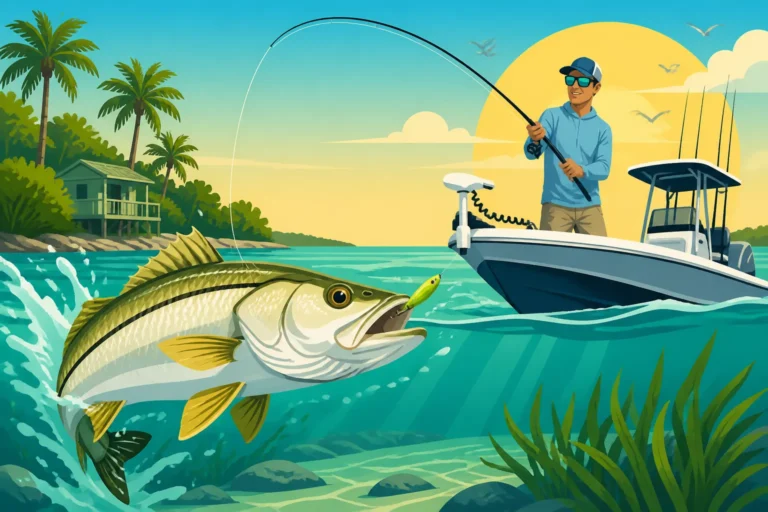
On the shallow grass flats, particularly in the southern parts of the bay, you'll find incredible opportunities for sight fishing. Bonefish and permit are often cruising these flats, though they can be quite spooky in the clear summer water. Targeting them often means long, accurate casts with small jigs or live shrimp. Along the mangrove edges and around structures like the famous Stiltsville area, you'll encounter feisty snook and powerful tarpon. Early mornings are prime for topwater action or throwing live baits like pilchards or mullet near these structures. The deeper channels and basins can hold schools of snapper and even some redfish that seek refuge from the heat. Knowing the tides here is crucial; fish will often move with the current, especially around the numerous islands and keys. For a productive trip, consider booking a local guide through platforms like FishingBooker who knows the intricate bay well, ensuring you're on the right track. You can find more details on general "Florida Snook Fishing Guide" strategies to enhance your bay experience.
The Everglades Backcountry's Secluded Treasures
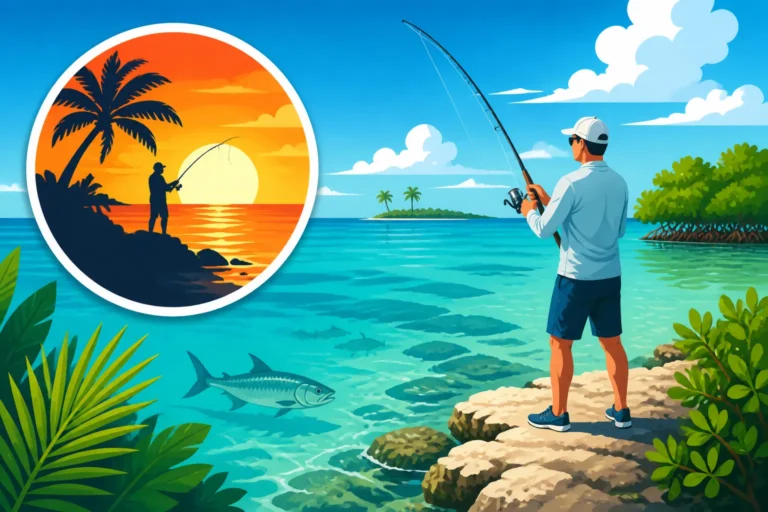
If you're looking to escape the crowds and immerse yourself in a truly unique fishing experience, the Everglades backcountry, particularly the Ten Thousand Islands area and the Flamingo region, is an unparalleled summer destination. This vast, intricate maze of mangrove islands, creeks, and shallow bays offers incredible fishing with plenty of natural shade.
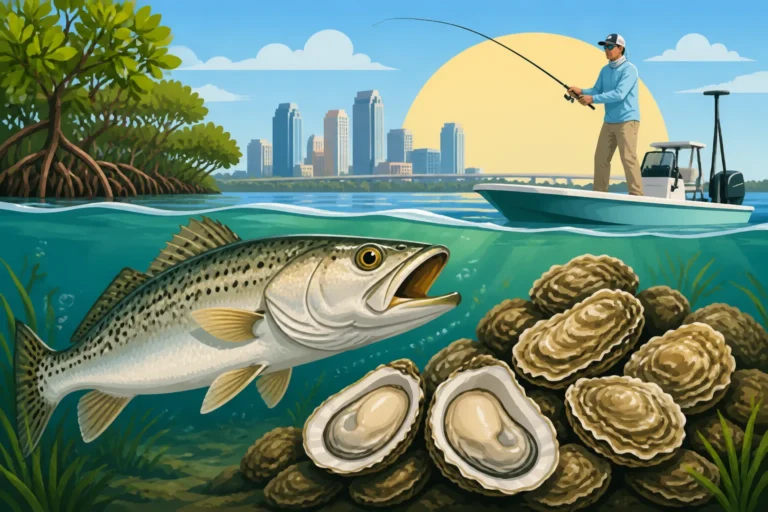
The dense mangrove canopy provides cooler water temperatures and crucial cover, making these areas an ideal refuge for species like snook, redfish, and even juvenile tarpon throughout the summer. The water in the backcountry is often darker, providing an extra layer of protection from the intense sun for the fish, and for you! Fishing here often involves navigating narrow channels and casting into mangrove overhangs with live shrimp, bucktail jigs, or weedless soft plastics. You might also find excellent opportunities for spotted seatrout in the deeper channels and potholes. A major draw is the sheer wilderness – it’s not uncommon to see crocodiles, manatees, and a huge variety of birdlife while you're fishing. Because of the challenging navigation, hiring a local Everglades fishing guide is highly recommended, especially for your first trip. They know the subtle changes in the tides and the secret spots where fish ambush bait. This really is one of the "Best Spots in the Everglades for Snook".
Coastal Canals for Urban Angling Adventures
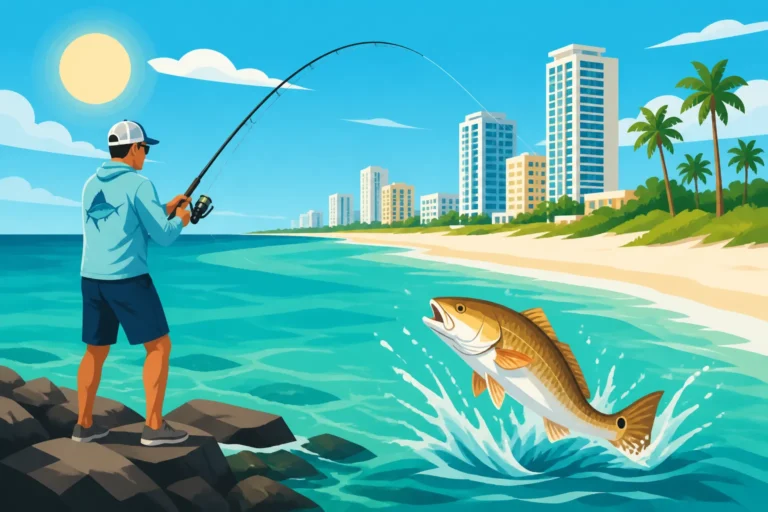
Don't let the concrete jungle fool you; South Florida's extensive network of urban canals offers surprisingly fantastic summer fishing, especially in areas like Miami and Fort Lauderdale. These canals are a lifesaver when you want a quick, accessible fishing fix without venturing far from the city. They also often feature shaded banks and deeper sections, providing relief from the summer sun for both anglers and fish.
The star of these freshwater and brackish canals is undoubtedly the peacock bass. These vibrant, hard-fighting exotics thrive in the warm Florida waters and are incredibly active during the summer. They're often found near structure like culverts, bridges, and fallen trees, eagerly smashing topwater lures, jerkbaits, or live shiners. Beyond peacock bass, you'll also find healthy populations of largemouth bass, especially in the more freshwater-dominant canals. In brackish sections closer to the coast, it's not uncommon to hook into snook that have ventured up from the saltwater. These canals are perfect for short morning or evening trips, or even fishing after an afternoon shower. You can fish from shore, small boats, kayaks, or even paddleboards. They offer a unique "urban jungle" fishing experience and are definitely among the "Best Canals in Miami for Peacock Bass".
Offshore Thrills: Battling Big Fish in Summer
While inshore offers plenty of action, South Florida's offshore waters come alive in the summer with a completely different array of species, perfect for those seeking bigger game and more adventurous fishing. Just be sure to keep an eye on the marine forecast for those pop-up storms!
Productive Reef and Wreck Adventures
Offshore reefs and wrecks are absolute magnets for fish in the summer. These underwater structures provide critical habitat, food sources, and protection, concentrating a wide variety of species that are eager to bite. From the artificial reefs off Fort Lauderdale to the natural coral formations in the Florida Keys, these spots offer some of the most consistent summer action.
You'll primarily target various snapper species like mangrove snapper, mutton snapper, and yellowtail snapper, which are abundant during the warmer months. Grouper, when their season is open, are also commonly found lurking in these rocky domains. Amberjack, known for their incredible fighting power, often school around deeper wrecks. Fishing these structures typically involves bottom fishing with live bait (like pinfish, pilchards, or squid) or heavy jigs. A good depth finder is essential to pinpoint the structure, and heavy tackle is a must to pull these strong fish away from the snags. Many local fishing charters, which you can often find listed on sites like FishingBooker, specialize in these types of trips. Remember to check "Florida Fishing Regulations and Bag Limits" before heading out, as limits and seasons can change.
Targeting Pelagics in the Gulf Stream
Summer is prime time for chasing pelagic species in the mighty Gulf Stream, which runs relatively close to South Florida's coast. The warm, nutrient-rich waters of the Gulf Stream attract a migratory buffet of powerful, fast-swimming fish, making for incredibly exciting offshore battles.
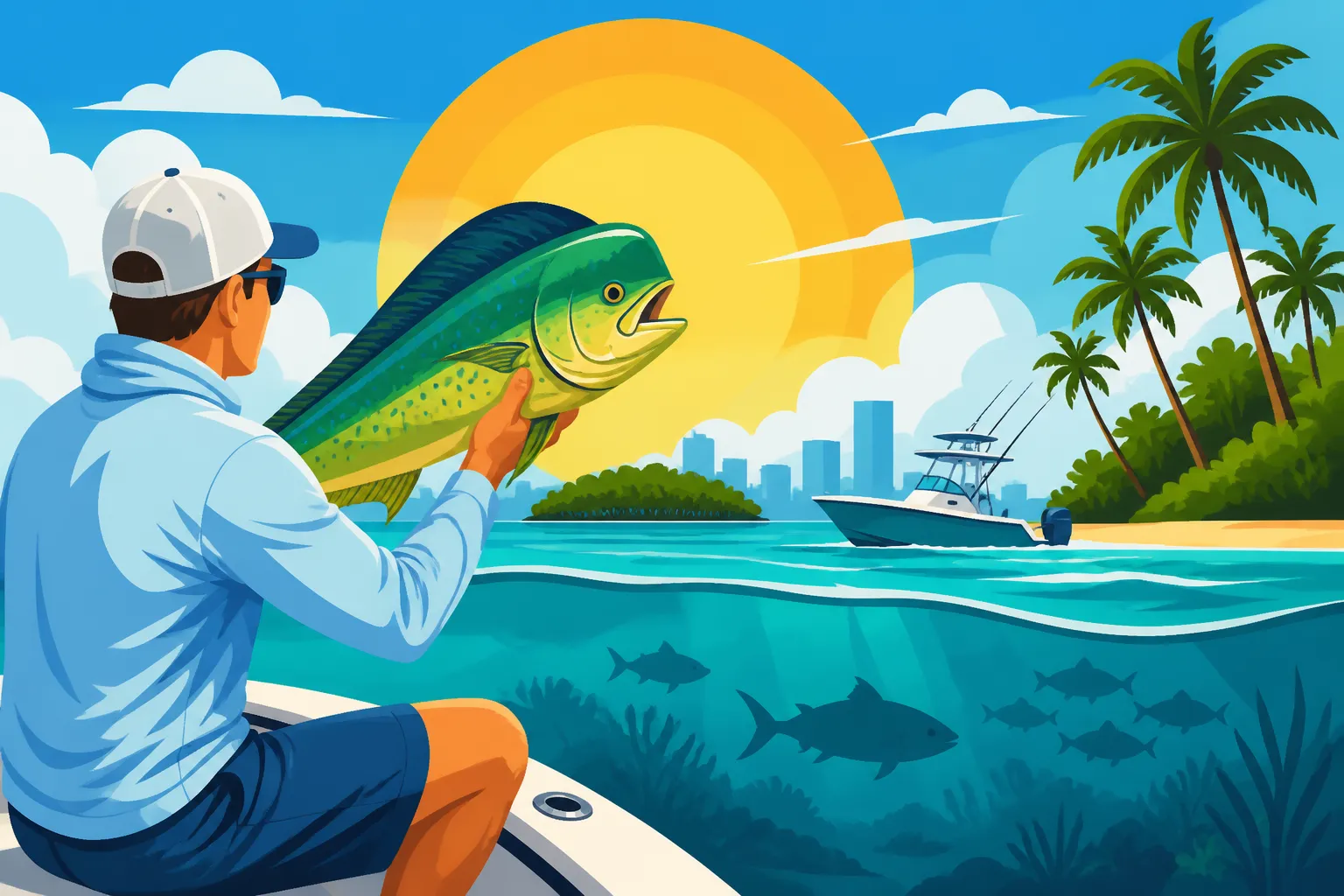
Mahi-mahi, also known as dorado, are arguably the stars of the summer offshore show. They are fast-growing, delicious, and incredibly acrobatic fighters. You'll often find them under floating debris, sargassum weed lines, or current rips. Trolling with ballyhoo, artificial lures, or even live baits like goggle eyes is a popular and effective method. Beyond mahi, you might also hook into blackfin tuna, wahoo (especially around the full moon), and even sailfish, though sailfish action typically peaks in cooler months, they are still present. This kind of fishing often involves long runs offshore, so having a reliable boat and knowledge of current conditions is vital. It’s a completely different experience from inshore, focusing on covering ground and finding signs of life. For more detailed insights into this type of fishing, check out our "Florida Offshore Fishing Techniques" guide.
Deep Dropping for Elusive Bottom Dwellers
For the truly adventurous and well-equipped angler, summer is an excellent time to explore the unique world of deep dropping. This specialized technique involves targeting fish in extremely deep waters, often hundreds or even over a thousand feet down, along the continental shelf. It's not for the faint of heart, but the rewards can be incredible.
Using electric reels, heavy weights, and multiple-hook rigs baited with squid or other natural offerings, anglers can target a fascinating array of deep-water species. These include highly prized fish like queen snapper, snowy grouper, golden tilefish, and sometimes even swordfish during the day. The appeal of deep dropping lies in the mystery and the chance to catch fish that few others ever see. Because these waters are so deep, the temperature remains consistently cold, providing a stable environment for these species regardless of surface conditions. This type of fishing requires specialized gear and expertise, so if you're new to it, considering a charter that specializes in deep dropping is a smart move. They'll have all the necessary equipment and know the precise coordinates for these productive deep-water ledges and structures.
Essential Strategies for Summer Success
To truly master summer fishing in South Florida, it's not just about knowing where to go, but also how to fish and, importantly, how to take care of yourself in the challenging conditions.
Timing Your Trips for Optimal Conditions
As we've touched on, timing is absolutely everything during the summer months. Forget about sleeping in if you want to maximize your chances of success. The absolute best fishing often happens during the first few hours of daylight, from dawn until about 9 or 10 AM, before the sun gets too high and the water starts to heat up. Fish are typically more active and feeding aggressively during this cooler window.
Likewise, the late afternoon and evening hours, as the sun begins to set and the air cools, can also be incredibly productive. Night fishing, especially for snook and tarpon around bridge lights and docks, is another fantastic option when surface temperatures are too high during the day. Beyond the time of day, paying attention to tide charts for inshore fishing and marine weather forecasts for offshore is critical. An incoming or outgoing tide can concentrate bait and feeding fish in specific areas. Always check the forecast for pop-up thunderstorms and heed any warnings – a fish isn't worth risking your safety. Our "Best Time of Year to Fish in Florida" delves deeper into seasonal considerations.
Choosing the Right Bait and Lures
In summer, fish can be a bit more finicky, especially during slower periods. This means your bait and lure selection can make or break your trip. For inshore fishing, live bait is often king. Live pilchards, threadfin herring, mullet, and especially live shrimp are irresistible to many species like snook, redfish, and trout. These natural presentations often entice a bite when artificials might not.
However, artificial lures still have their place. Soft plastics rigged weedless are excellent for working through mangroves or over grass flats without snagging. Topwater lures can be incredibly exciting during those early morning bites for peacock bass, largemouth bass, and even snook. For offshore, fresh cut bait, ballyhoo, squid, and heavy jigs are staples for bottom fishing. For trolling, various skirted lures and rigged natural baits like ballyhoo are highly effective for pelagics. Experimentation is key, and don't be afraid to try different presentations until you find what the fish are responding to. A good resource for inshore tactics is our "Florida Inshore Fishing Techniques" article.
Prioritizing Hydration and Sun Protection
This isn't just fishing advice; it's a safety imperative for summer in South Florida. The combination of intense sun, high temperatures, and humidity can lead to dehydration and heat-related illnesses very quickly. You absolutely must prioritize staying cool and hydrated.
Wear lightweight, breathable clothing, preferably long-sleeved shirts and pants designed for sun protection (UPF-rated). A wide-brimmed hat is non-negotiable, as are polarized sunglasses to protect your eyes and help you spot fish. Apply plenty of high-SPF sunscreen, and reapply it often, especially after sweating or getting wet. Most importantly, bring copious amounts of water, and drink it frequently, even if you don't feel thirsty. Electrolyte drinks can also be beneficial. Taking breaks in the shade, if available, and knowing your limits are crucial. Don't push yourself to the point of discomfort or exhaustion.
Here’s a quick overview of some top South Florida summer fishing opportunities:
| Location Type | Primary Target Species | Best Time of Day | Key Characteristics |
|---|---|---|---|
| Biscayne Bay | Snook, Tarpon, Bonefish, Permit | Early Morning, Late Evening | Clear flats, mangrove edges, deeper channels. |
| Everglades Backcountry | Snook, Redfish, Tarpon, Seatrout | All Day (seeking shade) | Mangrove mazes, remote, wilderness experience. |
| Urban Canals (Miami) | Peacock Bass, Largemouth Bass, Snook | Morning, Shaded Afternoon | Accessible, freshwater/brackish, good structure. |
| Offshore Reefs/Wrecks | Snapper, Grouper, Amberjack | All Day | Deep water, structure fishing, requires heavier tackle. |
| Gulf Stream | Mahi-Mahi, Sailfish, Wahoo, Tuna | All Day | Open water trolling, chasing weed lines and current. |
Disclaimer
Fishing conditions and regulations in Florida can change frequently. Always consult the latest rules and regulations published by the Florida Fish and Wildlife Conservation Commission (FWC) before heading out. This guide provides general information and recommendations, but local knowledge and current conditions should always take precedence. Be safe, respect the environment, and enjoy your time on the water!