Best Time to Fish Sebastian Inlet
It's incredibly frustrating to plan a fishing trip to a world-renowned spot like Sebastian Inlet, only to arrive and find the fish aren't biting. The truth is, Sebastian Inlet isn't just about showing up with a rod; it's a dynamic ecosystem where timing truly is everything. This comprehensive guide will break down the best times to fish Sebastian Inlet, offering insights into seasonal patterns, tidal influences, and species-specific strategies to help you maximize your success and finally land that trophy catch.
Understanding Sebastian Inlet's Unique Ecosystem
Sebastian Inlet, nestled between Brevard and Indian River counties on Florida's East Coast, isn't just a cut through the land; it's a vibrant, ever-changing environment where freshwater from the Indian River Lagoon meets the saltwater of the Atlantic Ocean. This confluence of waters creates a highly productive habitat that attracts an incredible diversity of fish species, but it also means understanding its nuances is critical for any angler.
The Dynamic Nature of the Inlet
Think of Sebastian Inlet as a giant funnel, constantly moving water and nutrients between the Indian River Lagoon and the Atlantic. This constant flow flushes baitfish, crustaceans, and other forage through the inlet, making it a natural ambush point for predatory fish. The structure here, including rock jetties, bridge pilings, and sandbars, provides shelter and current breaks where fish can lie in wait. Because of this dynamic nature, fish behavior can change rapidly. What worked an hour ago might not work now, and that's why understanding the "when" is just as important as the "how" and "where." It’s a place where patience and adaptability are key, but knowing the prime windows dramatically increases your odds.
Tidal Flows and Their Impact
The tides are arguably the most crucial factor influencing fishing success at Sebastian Inlet. Unlike many other spots, the currents here can be incredibly strong, especially during peak tidal movements. These powerful currents dictate when and where fish feed. Generally, the outgoing tide is often considered prime for many species, as it flushes bait from the calmer lagoon waters into the ocean, concentrating it for predators. However, a strong incoming tide also brings in fresh ocean water and bait, attracting fish that prefer those conditions.
You'll often hear experienced anglers talk about "the first of the incoming" or "the last of the outgoing." These periods, particularly the hour or two leading up to and following the peak of a tide, are when the current starts to accelerate or slow down significantly. Fish use these current changes to their advantage, positioning themselves to ambush prey. Slack tide, when the water movement is minimal, can sometimes be slow, but it can also present opportunities for different techniques, like bottom fishing or targeting species that prefer less current. Always check a local tide chart before heading out; knowing the timing of high and low tide can literally make or break your day.
Seasonal Fishing Strategies at Sebastian Inlet
Florida's climate might feel perpetually warm, but Sebastian Inlet still experiences distinct seasons that dramatically influence which fish are present and how they behave. Understanding these seasonal shifts is fundamental to planning a successful trip, whether you're a local or an out-of-state visitor checking out the Florida Fishing License Guide requirements.
Spring Fishing Action
As winter fades and water temperatures begin to rise (usually from March through May), Sebastian Inlet truly awakens. This is a fantastic time to target a wide variety of species. Migratory fish start making their way up the coast, and resident fish become more active after the cooler months.
- Snook and Redfish: Spring sees excellent action for both snook and redfish. They become much more aggressive as the water warms, making them easier to tempt with a variety of baits and lures. Live pilchards or mullet are deadly, as are topwater lures around dawn and dusk.
- Pompano: These delicious fish often move through the inlet and along the beaches in spring. Look for them in the surf or around the sandbars inside the inlet. Sand fleas, shrimp, and small jigs are your best bets. For more on these tasty targets, check out our Florida Pompano Fishing Guide.
- Bluefish and Spanish Mackerel: These aggressive species are usually abundant in the spring, chasing baitfish both inside and outside the inlet. They'll readily hit fast-moving spoons, jigs, and cut bait.
- Tarpon: While not in their full summer migration numbers, some juvenile tarpon can be found within the lagoon and sometimes around the inlet structure, offering exciting encounters.
Summer Challenges and Rewards
Florida summers (June through August) bring heat and afternoon thunderstorms, which can be challenging, but the fishing at Sebastian Inlet remains phenomenal if you adapt your approach. This is prime time for many of the larger migratory species.
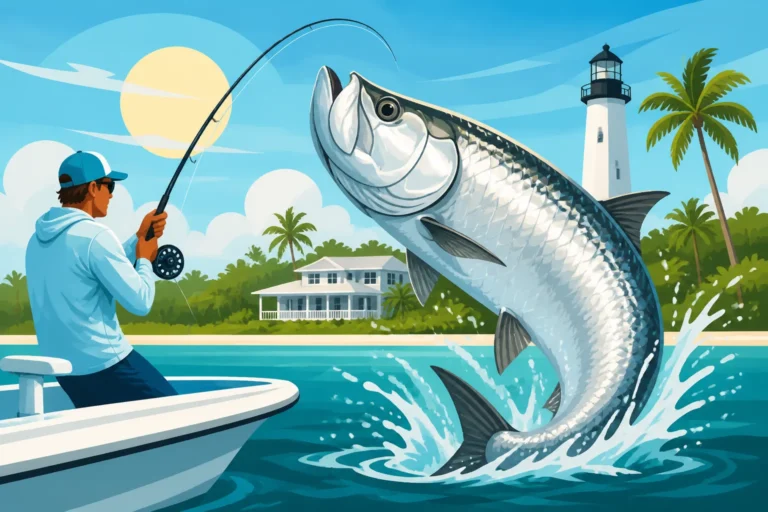
- Tarpon: The biggest draw in summer is the tarpon migration. Huge schools of these "silver kings" pass through the area, especially in late spring and early summer. Live mullet or crabs are top baits, and patience is key. For deep dives into catching these giants, consult our Florida Tarpon Fishing Guide.
- Snook: Summer is also peak snook season, particularly around the full and new moons when they often gather to spawn in the inlet. Night fishing under the lights for snook can be absolutely legendary, offering some of the most thrilling battles you'll ever experience. Always be aware of Florida Snook Fishing Guide regulations during this time, as closures are common to protect spawning fish.
- King Mackerel: Offshore, but sometimes close enough to the inlet jetties, king mackerel can be found in good numbers. Trolling or slow-moving live bait like menhaden or blue runners are effective.
- Sharks: With all the baitfish and larger predators, summer brings a lot of shark activity. This can be a fun challenge, but use appropriate heavy tackle.
To beat the heat and the crowds, consider fishing early mornings, late evenings, or even venturing out for night fishing.
Fall: The Prime Fishing Season
Many anglers will tell you that fall (September through November) is the absolute best time to fish Sebastian Inlet. The brutal summer heat begins to subside, water temperatures cool to ideal levels, and massive bait migrations trigger a feeding frenzy among nearly all predatory species. If you're looking for the Best Time of Year to Fish in Florida, fall at Sebastian Inlet is hard to beat.
- Mullet Run: The legendary "mullet run" happens in the fall, where huge schools of finger mullet migrate south along the coast. This is a spectacle to behold and creates an unparalleled fishing opportunity. Snook, redfish, tarpon, bluefish, Spanish mackerel, jacks, and even large sharks gorge themselves on the endless buffet. Topwater lures, large soft plastics, and live mullet cast into the schools are incredibly effective.
- Snook and Redfish: These two species are incredibly active during the fall run. They'll often be found stacked up in the inlet, on the jetties, and in the surf, chasing bait. This is a prime time for trophy catches. Our Florida Redfish Fishing Guide details specific techniques that thrive during this period.
- Flounder: As waters cool, flounder fishing picks up significantly. They ambush bait from the sandy bottom, so jigging Gulp! baits or live mud minnows and finger mullet can be very productive. Read up on our Florida Flounder Fishing Guide for more tips.
- Bluefish and Spanish Mackerel: These aggressive fighters are present in huge numbers during the mullet run, making for fast-paced action.
The fall is when you might need to embrace a bit of crowd tolerance, as many anglers know this is the time to be at the inlet.
Winter Opportunities
While winter (December through February) might see a slowdown in activity compared to the frenetic fall, Sebastian Inlet still offers excellent fishing, especially on warmer days or around specific species. Cold fronts can make fishing tough, but the calm, clear days in between can be magical.
- Flounder: Winter is arguably the best time to target flounder at Sebastian Inlet. They congregate in deeper pockets and around structure, making them a consistent target. Look for subtle bites near the bottom.
- Sheepshead: These striped, structure-loving fish are a winter staple. They'll be found around the pilings of the bridge and jetties, feasting on barnacles and small crabs. Fiddler crabs or live shrimp are ideal baits.
- Pompano: Cooler water often brings pompano closer to shore and into the surf. They’re excellent eating and fun to catch on light tackle.
- Bluefish and Jack Crevalle: These powerful fighters can still be found in the inlet throughout winter, especially after a cold front pushes bait deeper into the lagoon.
- Snook: While many snook move into the backwaters to escape cold temperatures, some remain in the inlet, particularly in deeper holes or areas with warm water discharge. They become lethargic, requiring slower presentations, and should always be handled with extreme care due to their vulnerability in cold water. Be mindful of Florida Snook Closed Season Dates which typically include winter months.
On sunny, calm winter days, the fishing can be surprisingly good, offering a peaceful alternative to the busy fall season.
Best Times of Day and Tidal Considerations
Beyond the seasons, the specific time of day and the stage of the tide are critical micro-factors that dictate success at Sebastian Inlet. Ignoring these details is a common mistake for less experienced anglers.
Mastering the Tides
As mentioned earlier, tides are king here. For many species, especially snook and redfish, a strong moving tide is preferred.
- Outgoing Tide: Often considered the best, especially for snook, redfish, and various predatory species. As the tide pulls water out of the Indian River Lagoon, it flushes out crabs, shrimp, and baitfish. Fish stage themselves along the jetties, bridge pilings, and edges of current seams to ambush this outgoing buffet. Target the last few hours of the outgoing tide, right before low slack.
- Incoming Tide: While less preferred by some, the incoming tide brings clean, oxygenated ocean water and offshore bait into the inlet. This can be excellent for species like Spanish mackerel, bluefish, and sometimes even tarpon. The first few hours of the incoming, as the current starts to pick up, can be very productive.
- Slack Tide: This is when the water movement is minimal, either at high or low tide. Fishing can slow down significantly, but it's not always dead. Sometimes, bottom dwellers like flounder or sheepshead become more active as they don't have to fight strong currents. It's also a good time to target deeper holes that are otherwise unfishable due to strong currents. Understanding Best Tides for Inshore Fishing in Florida is paramount.
It's essential to consult a tide chart and arrive early to observe the water movement. You'll quickly learn to read the currents and identify potential ambush points.
Dawn, Dusk, and Night Fishing
Beyond the tides, the ambient light conditions play a huge role.
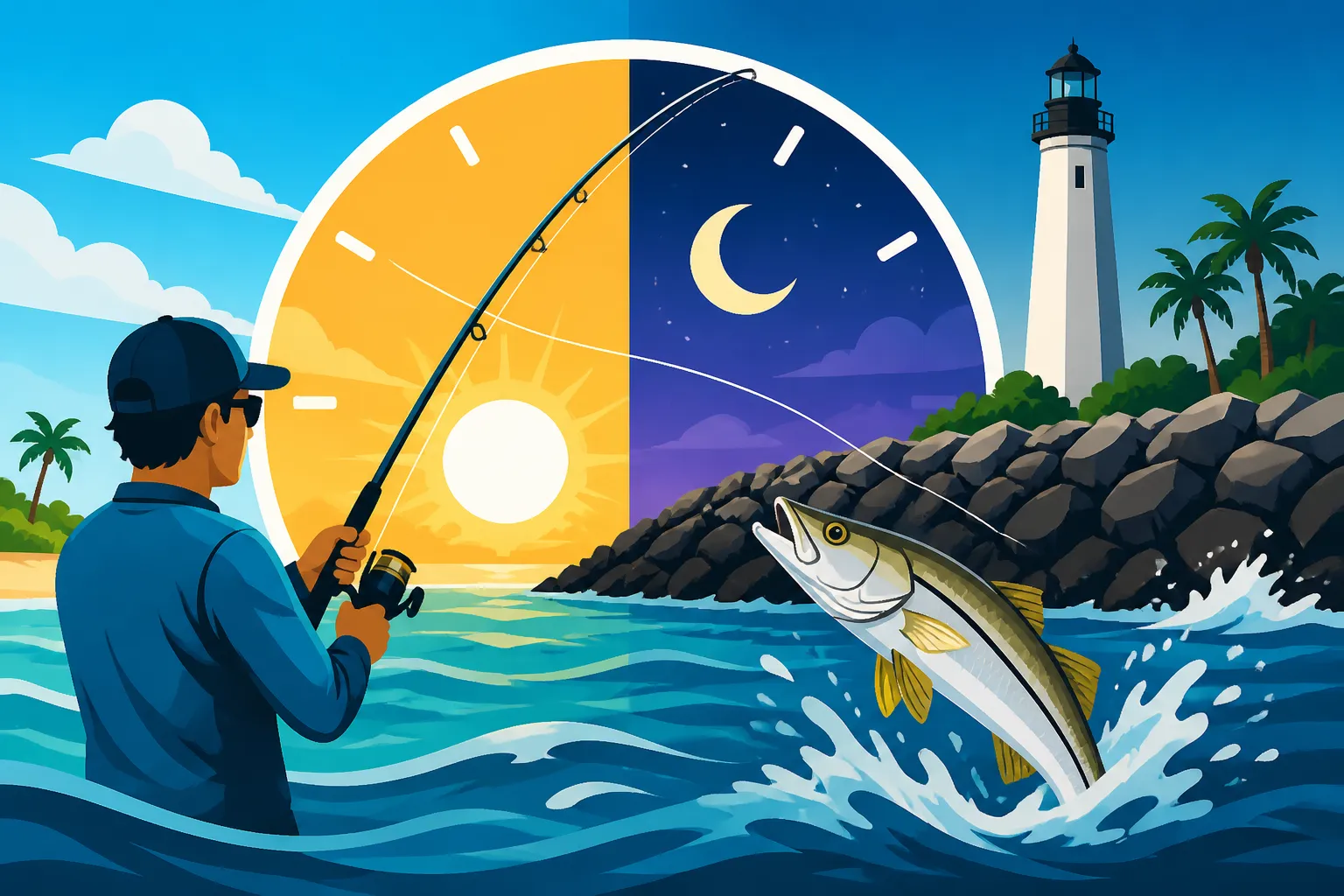
- Dawn and Dusk: These are prime feeding windows for nearly all predatory fish. The low light conditions make it harder for baitfish to see predators, giving the advantage to the hunters. Topwater lures, soft plastics, and live baits are exceptionally effective during these times. The hour before sunrise and the hour after sunset are often magical, offering explosive strikes and cooler temperatures. This is consistently one of the Best Time of Day to Fish in Florida.
- Night Fishing: Sebastian Inlet is world-famous for its night fishing, especially for snook. The bridge lights and jetty lights attract baitfish, which in turn attract large snook and other predators. Live bait (shrimp, pilchards, mullet) is highly effective, as are glow-in-the-dark or dark-colored artificial lures. Night fishing requires extra caution due to slippery rocks and reduced visibility, but the rewards can be immense, particularly for trophy snook. Make sure to have a good headlamp and sturdy footing.
Weather and Its Influence
Beyond the sun, moon, and tides, weather patterns significantly impact fishing at Sebastian Inlet.
- Cold Fronts: Following a strong cold front, fishing typically slows down as water temperatures drop and fish become lethargic. It might take a few days for the bite to recover. During this time, focus on deeper water and slow presentations.
- Warm Ups: Conversely, a few consecutive warm, sunny days after a cold snap can really turn the bite on, particularly in winter.
- Wind: Wind can make fishing challenging by creating chop and making casting difficult. However, a consistent breeze can also create current and push bait, sometimes stimulating a bite. An offshore breeze can flatten the nearshore waters, while an onshore breeze might bring in bait and larger waves.
- Rain: Light rain can sometimes improve fishing by cooling the water and adding natural cover, making fish more comfortable feeding. Heavy downpours, especially if accompanied by lightning, should be avoided for safety.
Always check the local weather forecast in addition to your tide charts.
Targeting Specific Species Throughout the Year
Different fish have different preferences and migratory patterns. Knowing what to target when will make your Sebastian Inlet trips much more focused and successful.
Snook and Redfish Patterns
Sebastian Inlet is legendary for snook, and a very popular spot for redfish.
- Snook: Their activity peaks in spring, summer, and fall. Summer is often associated with spawning aggregations, making them highly concentrated in the inlet, especially at night around the lights. Fall's mullet run sees huge snook feasting. Winter snook are more sluggish and sensitive to cold, often moving to deeper, warmer pockets or the backwaters. Always be aware of Florida Snook Size and Slot Limits to ensure legal harvests.
- Redfish: Like snook, redfish are abundant in spring and fall, particularly during the mullet run. They'll frequent the jetties, the spoil islands, and the deeper channels. Winter can still offer good redfish action on warmer days, often found in deeper holes. Both species respond well to live bait, various artificial lures, and soft plastics.
Flounder, Pompano, and Bluefish
These species offer consistent action throughout much of the year, though with seasonal peaks.
- Flounder: While present year-round, winter and early spring are prime times for flounder. They prefer sandy or muddy bottoms, often found near the jetties, bridge pilings, and drop-offs within the inlet. Small jigs tipped with shrimp or mud minnows, or live finger mullet, are effective.
- Pompano: These hard-fighting, delicious fish are migratory and typically show up in spring and fall as they move along the coast. They're often caught in the surf adjacent to the inlet or inside the inlet on sand fleas, shrimp, and bright-colored pompano jigs.
- Bluefish: Aggressive and plentiful, bluefish are present for much of the year, with peak activity during spring and fall bait migrations. They'll hit almost anything shiny or fast-moving, from spoons and Gotcha Plugs to cut bait.
Tarpon and Mackerel Migrations
For those seeking bigger, faster action, tarpon and mackerel provide thrilling opportunities.
- Tarpon: The "Silver King" makes its grand appearance during the late spring and summer months as part of its annual migration. While some resident tarpon might be around at other times, the sheer numbers of migratory fish in summer make it the best season. Live mullet and crabs are the go-to baits for these powerful fish.
- Spanish Mackerel: These speedy predators are common in spring and fall, often found just outside the inlet or sometimes within it when bait schools are thick. They love fast-moving lures like spoons and jigs.
- King Mackerel: While primarily offshore, kings can sometimes be caught near the jetties, especially when large schools of baitfish are present. This usually happens in summer and fall. Trolling live bait or using large spoons is the ticket.
Here's a quick reference table for some of the best times to target popular species at Sebastian Inlet:
| Species | Best Season(s) | Best Tide(s) | Best Time of Day | Common Baits/Lures |
|---|---|---|---|---|
| Snook | Spring, Summer, Fall | Outgoing (strong) | Dawn, Dusk, Night | Live Mullet/Pilchards, Topwaters, Jigs |
| Redfish | Spring, Fall | Outgoing, First Incoming | Dawn, Dusk | Live Shrimp/Mullet, Soft Plastics, Spoons |
| Flounder | Winter, Early Spring | Slack (Low) | Daytime | Live Mud Minnows, Gulp! Shrimp, Jigs |
| Pompano | Spring, Fall, Winter | Incoming, Outgoing (surf) | Daytime | Sand Fleas, Live Shrimp, Pompano Jigs |
| Bluefish | Spring, Fall | Any moving tide | Daytime, Dusk | Spoons, Gotcha Plugs, Cut Bait |
| Spanish Mackerel | Spring, Fall | Any moving tide | Daytime | Spoons, Jigs, Gotcha Plugs, Small Live Bait |
| Tarpon | Late Spring, Summer | Outgoing, Incoming | Dawn, Dusk | Live Mullet/Crabs |
| Sheepshead | Winter | Slack (High) | Daytime | Fiddler Crabs, Live Shrimp |
Practical Tips for a Successful Sebastian Inlet Trip
Having a good understanding of the seasons and tides is a massive head start, but a few practical tips can make your Sebastian Inlet trip even more enjoyable and productive.
Gear Up Appropriately
Sebastian Inlet's strong currents and powerful fish demand the right tackle. Don't show up with flimsy gear expecting to land a 40-pound snook.
- Rods and Reels: For most inshore and jetty fishing, a medium-heavy spinning rod (7-8 feet) paired with a 4000-6000 series reel spooled with 30-50 lb braided line is a good starting point. For heavier action or tarpon, you'll want a stout rod and an 8000+ series reel with 60-80 lb braid. For lighter species like pompano, a lighter surf rod with a sensitive tip is better. Take a look at our guide on the Best Rod and Reel Setup for Florida Inshore Fishing for more details.
- Leaders: Fluorocarbon leaders are essential. Use 30-50 lb test for snook and redfish, and step up to 60-100 lb for tarpon or when fishing around sharp structure. The clear water here makes a visible leader a real deterrent.
- Hooks and Lures: A variety of jigs (bucktail, soft plastics), spoons, and topwater lures will cover most scenarios. Always have live bait options like shrimp, pilchards, and mullet if available.
- Safety Gear: The jetties can be slippery, and the current strong. Wear appropriate footwear with good grip. A headlamp is crucial for night fishing. A pair of pliers for hook removal and a measuring device for fish lengths are also necessities, especially considering Florida Fishing Regulations and Bag Limits.
Utilizing Local Knowledge and Guides
Even with all the information in the world, nothing beats local knowledge.
- Bait Shops: Stop by local bait shops like Sebastian Inlet Bait & Tackle. They are a treasure trove of information, offering up-to-the-minute reports on what's biting, what baits are working, and current conditions. They'll also have the right live bait and tackle for the day.
- Observation: Spend some time observing other anglers. See what they're catching, what techniques they're using, and where they're fishing. Don't be shy about asking questions (politely, of course!).
- Fishing Guides: If you're new to the area or want to maximize your chances of a trophy catch, consider hiring a local fishing guide. They have years of experience at the Inlet and can put you on fish quickly, teach you techniques, and help you navigate the complex currents. Websites like FishingBooker can help you find reputable Sebastian Inlet fishing charters, allowing you to filter by target species, date, and price. A good guide can make all the difference, especially for targeting specific species or during challenging conditions. Booking through a platform like FishingBooker also offers the convenience of seeing available dates and prices upfront. For those interested, exploring a Florida Fishing Charter Guide might be a great next step.
Remember, Sebastian Inlet is a special place, and respect for the environment, fellow anglers, and the regulations ensures it remains a fantastic fishing destination for everyone. Whether you're casting from the shore with a Florida Shoreline Fishing License Explained or running a boat, knowing the best times to fish here is your ultimate secret weapon.
Disclaimer
Please note that fishing conditions, regulations, and fish behavior can change rapidly. Always consult the latest Florida Fish and Wildlife Conservation Commission (FWC) regulations before fishing, as bag limits and seasons are subject to change. This guide provides general information and recommendations based on typical patterns.