Airboat Fishing License Rules in Florida
Heading out for a day of fishing on an airboat in Florida promises an unparalleled adventure, cruising over shallow waters where traditional boats simply can't go. But before you rev up that engine and cast a line, a common question pops up for many anglers: "Do I need a special license to fish from an airboat in Florida?" It's a valid concern, and navigating the nuances of Florida's fishing regulations can feel like trying to untangle a backlash on a windy day. This comprehensive guide will clear up all your doubts, ensuring you're fully prepared and legal for your next airboat fishing trip.
The Unique World of Airboat Fishing in Florida
Airboat fishing is truly an iconic Florida experience, a perfect blend of thrill-seeking and tranquil angling. It offers access to some of the most remote and pristine freshwater environments, often teeming with fish that rarely see a hook. Unlike conventional boats that rely on submerged propellers, airboats glide over the surface thanks to their powerful airplane-style engines and large fans. This allows them to traverse extremely shallow waters, muddy flats, and even dense vegetation, opening up vast areas for fishing that would otherwise be inaccessible.
What Defines Airboat Fishing?
Airboat fishing is essentially freshwater fishing conducted from an airboat. It's not a distinct fishing method in itself, but rather a unique mode of transportation that enables specific types of angling. Imagine silently drifting into a hidden cove within the Everglades or poling through dense cattails on Lake Okeechobee, all while sitting comfortably in your airboat. This access to shallow, often untouched waters means less pressure on the fish and a more secluded experience for you. You're typically targeting species that thrive in these types of environments, often in areas that feel miles away from civilization. It’s an adventure that requires specific knowledge of both airboat operation and freshwater fishing tactics, making it a truly specialized pursuit.
Popular Airboat Fishing Destinations
Florida, with its vast network of wetlands, rivers, and shallow lakes, offers numerous hotspots for airboat fishing. The most renowned is undoubtedly the Everglades National Park, where airboats are practically synonymous with exploring the "River of Grass." Here, anglers can delve deep into the sawgrass prairies and mangrove tunnels, searching for elusive largemouth bass or even a non-native peacock bass in some of the more accessible canals. Another prime location is Lake Okeechobee Fishing Guide, often called Florida's "inland sea." Its immense size and extensive shallow grass beds make it ideal for airboat access, allowing anglers to reach monster bass hidden in dense vegetation far from conventional boat ramps. Smaller, yet equally productive, spots like the St. Johns River system and various conservation areas also provide excellent opportunities for airboat enthusiasts to find their angling bliss. These are often the places where you feel most connected to the wild heart of Florida.
Common Fish Species Targeted
When you're out on an airboat in Florida's freshwater systems, you're primarily going after species that thrive in shallow, vegetation-rich environments. The undisputed king of these waters is the Florida largemouth bass. Anglers often pitch or flip lures into thick cover, where these powerful fish lie in ambush. Another popular target, especially in the central and northern parts of the state, is the black crappie, locally known as speckled perch. These schooling fish provide fast action and are excellent table fare. Beyond these, you might encounter various panfish like bluegill and shellcrackers, which are fun to catch on light tackle. In some specific canals and urban areas, particularly in South Florida, the vibrant peacock bass can also be a thrilling catch. Understanding these target species helps you select the right gear and techniques for a successful airboat fishing trip.
Deciphering Florida's Fishing License Requirements for Airboat Anglers
This is where many people get tripped up. The perception might be that airboat fishing is so "different" that it requires a distinct permit. Let's clear that up right away.
Is a Special Airboat Fishing License Required?
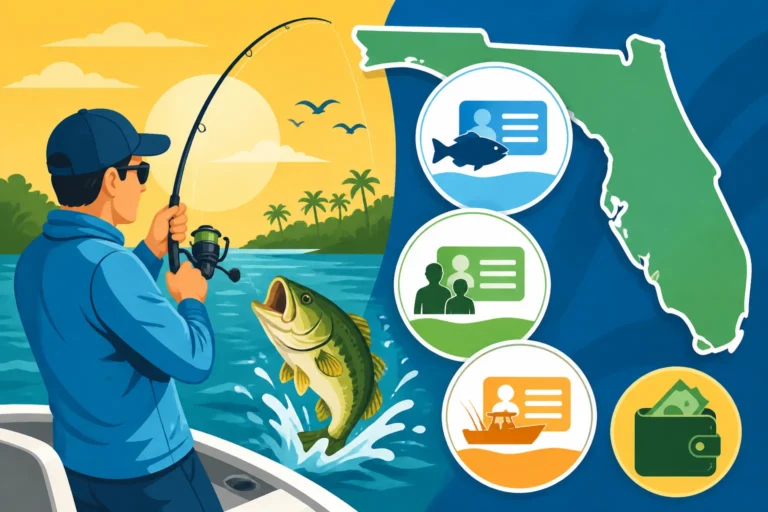
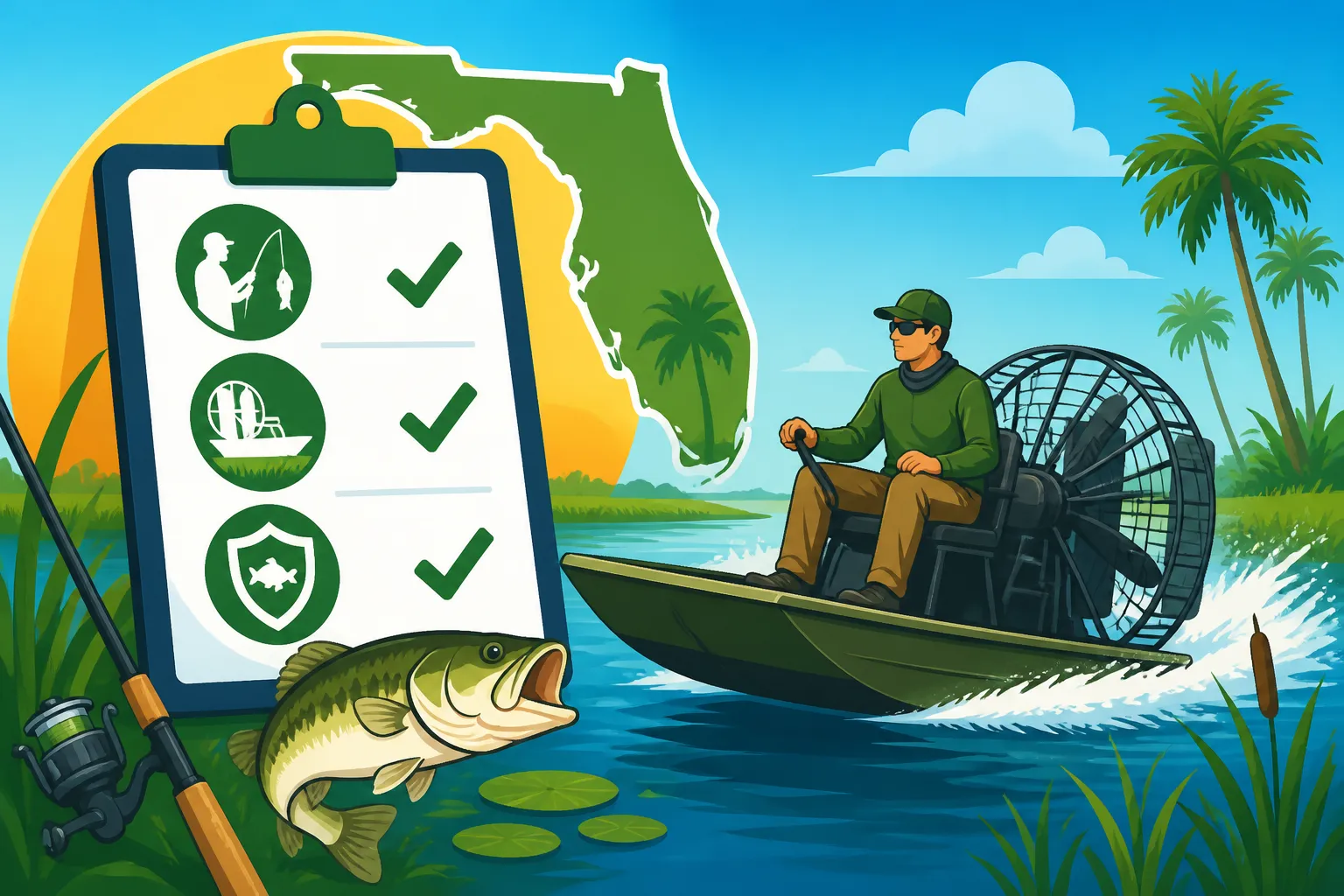
The straightforward answer is: No, there is no special or separate "airboat fishing license" required in Florida. This is a common misconception, but the fact is, the type of vessel you use to access a fishing spot doesn't dictate a unique license category. Whether you're fishing from a kayak, a jon boat, a luxury yacht, or an airboat, the requirement for a fishing license depends on who you are, where you're fishing (freshwater or saltwater), and what you're trying to catch. The airboat is simply a means of transportation, albeit a very specialized one, to get you to your chosen fishing grounds.
What is required is the appropriate Florida fishing license for the type of water you plan to fish. So, if you're taking your airboat into the freshwater rivers and lakes of the Everglades, you'll need a Florida Freshwater Fishing License Rules. If, by some unusual circumstance, you find yourself using an airboat to access brackish or saltwater areas (which is rare for traditional airboats but not impossible for certain modified vessels in specific estuaries), then a saltwater license would be necessary. For the vast majority of airboat fishing excursions, it will be a freshwater license you're after.
Standard Freshwater and Saltwater Licenses
Florida's licensing system is divided primarily into freshwater and saltwater categories. Most airboat fishing, as discussed, falls under freshwater.
- Freshwater Fishing License: This is what you'll typically need for airboat fishing. It covers all non-commercial freshwater fishing activities, including lakes, rivers, and canals. This license allows you to pursue species like largemouth bass, crappie, bluegill, and catfish.
- Saltwater Fishing License: While less common for airboat use, a saltwater license is necessary if you're fishing in Florida's marine waters, which include the vast estuaries, bays, and open ocean. Some unique, highly modified airboats might operate in shallow, brackish marshlands where a saltwater license could be relevant, but this is an exception rather than the rule.
It's also worth noting that Florida offers combination licenses, which cover both freshwater and saltwater fishing. For many anglers who enjoy both disciplines, a Florida Combination Freshwater and Saltwater License Cost can be a convenient and often cost-effective choice. It saves you the hassle of juggling two separate licenses and ensures you're covered no matter where your angling adventures take you. You can find detailed information about costs and types on the Florida Fish and Wildlife Conservation Commission (FWC) website or even through reputable online outdoor retailers like Amazon, where they might offer guidebooks that outline these fees.
Age and Residency Considerations
The need for a license also hinges on your age and whether you're considered a Florida resident.
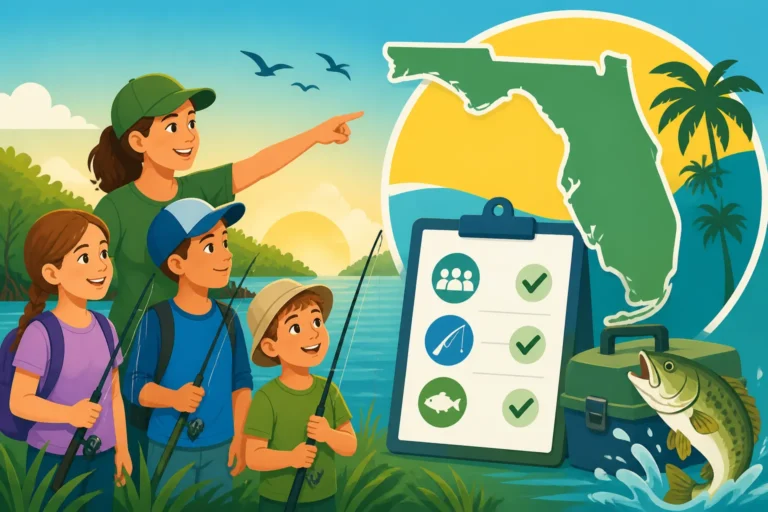
- Age Requirements: In Florida, both residents and non-residents must possess a valid fishing license if they are 16 years of age or older. Conversely, anyone under 16 years old is generally exempt from needing a license. This means if you're taking your kids or grandkids out on an airboat, and they're under 16, they can fish legally without one. You can find more details on Florida Fishing License Age Requirements.
- Residency: Florida offers different license rates for residents and non-residents. Residents typically pay a significantly lower fee for annual or multi-year licenses, reflecting their contribution to the state through taxes. Non-residents, including out-of-state visitors and "snowbirds" who don't meet Florida's strict residency requirements, will pay a higher fee. It's crucial to understand Florida Resident Fishing License Rules versus Florida Nonresident Fishing License Rules to avoid any penalties. Proving residency usually involves holding a Florida Driver's License or ID card for at least six consecutive months.
Here’s a quick overview of common license types and who needs them:
| License Type | Who Needs It | Waters Covered | Typical Duration |
|---|---|---|---|
| Freshwater Fishing License | Residents/Non-residents 16+ years old | Freshwater (lakes, rivers, canals) | 1 year, 5 years |
| Saltwater Fishing License | Residents/Non-residents 16+ years old | Saltwater (bays, ocean, estuaries) | 1 year, 5 years |
| Freshwater/Saltwater Combo | Residents/Non-residents 16+ years old | All Florida waters | 1 year, 5 years |
| Shoreline Fishing License | Florida Residents 16+ fishing from shore/pier* | Saltwater (shore/piers) | 1 year, Free |
| No License Required | Individuals under 16 years old, Florida residents 65+ | All Florida waters | N/A |
*Note: The Florida Resident Shoreline Fishing License is a free option for residents who only fish from land or structures attached to land (like piers or bridges) in saltwater. This isn't relevant for airboat fishing, but it's important context for understanding Florida's various exemptions. For airboat fishing, a regular freshwater license is the standard requirement. There are also specific Florida Fishing License Exemptions for certain groups like disabled residents or military personnel, so always check if you qualify.
Navigating Regulations Beyond the License
Possessing the correct fishing license is just one piece of the puzzle. Florida has a comprehensive set of regulations designed to manage fish populations and ensure sustainable fishing for future generations. Airboat anglers, like all others, must adhere to these rules.
Understanding Bag Limits and Season Dates
Once you have your license, the next critical step is to familiarize yourself with Florida Fishing Regulations and Bag Limits. These regulations dictate how many fish of a particular species you can keep (the "bag limit"), and sometimes, during which periods you can legally harvest them (the "season dates"). These rules are in place to prevent overfishing and protect spawning fish.
For instance, largemouth bass usually have a specific bag limit, and often, slot limits—meaning you can only keep fish within a certain size range to protect the largest breeding stock. Crappie also have daily bag limits, which can be quite generous given their schooling nature. These regulations can change, so it's vital to check the latest FWC guidelines before each trip. You can find up-to-date information on the FWC website or in their annual recreational fishing regulations brochure, which you might even find available as a digital download or a physical copy on Amazon. Ignoring these rules, even accidentally, can lead to stiff penalties, so always be informed.
Safety First: Airboat Operation and Angling
Airboats are powerful machines capable of high speeds and unique maneuvers, but they also come with inherent risks. Safety should always be your top priority, whether you're just sightseeing or actively fishing.
- Operating Safely: Always operate your airboat responsibly, especially in sensitive habitats. Be mindful of prop wash and its potential impact on shallow grass beds and fragile ecosystems. Adhere to posted speed limits and "no wake" zones. It's also crucial to remember that airboats can be very loud, so be respectful of wildlife and other recreational users. Always wear appropriate hearing protection to safeguard your ears from the engine noise. A good pair of noise-canceling headphones, like those you might find on Amazon, can make a huge difference in comfort and safety.
- Personal Flotation Devices (PFDs): Just like any other vessel, all passengers on an airboat must have access to a U.S. Coast Guard-approved PFD. Children under 6 years of age must wear a PFD at all times while the vessel is underway. Even as an adult, it's wise to wear one, especially if you're navigating unfamiliar or challenging waters.
- Navigation and Awareness: Airboats often operate in shallow, winding waterways that can be disorienting. Always carry proper navigation tools, whether it's a GPS unit or up-to-date charts. Be aware of your surroundings, including other boaters, wildlife, and potential hazards like submerged logs or changing water levels. If you're going into truly remote areas, consider filing a float plan with a trusted friend or family member, letting them know your route and expected return time.
Conservation and Ethical Angling Practices
As anglers, we have a responsibility to protect Florida's incredible natural resources. Airboat fishing, by its very nature, often takes you into delicate ecosystems, making ethical practices even more important.
- Catch and Release: Many airboat anglers practice catch and release, especially for trophy fish like large bass. If you plan to release fish, handle them with care: minimize their time out of the water, use wet hands, and support their body weight. Consider using barbless hooks to make release easier and less stressful for the fish.
- Leave No Trace: "Pack it in, pack it out" is the golden rule. Any trash you bring onto your airboat, whether it's empty lure packaging or snack wrappers, must leave with you. This includes discarded fishing line, which can be deadly to wildlife.
- Respect Wildlife: You'll encounter abundant wildlife while airboat fishing, from wading birds to alligators. Maintain a respectful distance and never disturb animals or their nesting sites. Remember, you're a visitor in their home. Adhering to these principles ensures that the unique beauty and bounty of Florida's freshwater systems remain for future generations of anglers.
Securing Your License and Preparing for Your Trip
Getting your fishing license is usually a quick and painless process, but it's important to do it correctly and have it with you when you're on the water.
Where to Purchase Your Fishing License
There are several convenient ways to purchase your Florida fishing license, ensuring you're legally ready for your airboat adventure:
- Online: The quickest and easiest method is to buy your license directly from the Florida Fish and Wildlife Conservation Commission (FWC) website through their GoOutdoorsFlorida portal. You can complete the entire process in minutes, pay with a credit card, and print your license or save it to your phone. This is often the preferred method for many anglers, allowing them to purchase their license at any time, day or night. For detailed steps, you can check out How to Buy a Fishing License Online.
- In Person: Many local tackle shops, sporting goods stores (like Bass Pro Shops or even Walmart), and county tax collector's offices are authorized license vendors. This is a good option if you prefer a physical transaction or have questions you'd like to ask in person. These vendors can usually print your license on the spot. If you're looking for Where to Buy a Florida Fishing License Near You, a quick online search will typically point you to the closest authorized dealer.
- By Phone: You can also purchase a license over the phone by calling the FWC's customer service line. They can process your order and provide you with a temporary license number, with the physical license typically mailed to you.
- GoOutdoorsFlorida App: Florida also has a convenient mobile app, GoOutdoorsFlorida, available for both iOS and Android devices. You can purchase and store your license digitally on your phone, making it easy to display if requested by a law enforcement officer. This means you don't need to worry about losing a paper copy. You can even check current regulations and find useful fishing information right from the app.
Whichever method you choose, make sure you have your license on you while fishing. A digital copy on your phone is usually sufficient, but always confirm the latest FWC guidelines on acceptable proof of license.
Essential Gear for an Airboat Fishing Adventure
While the airboat gets you there, the right gear ensures a successful and enjoyable fishing experience. Since you're primarily targeting freshwater species, your gear selection will reflect that.
- Rods and Reels: For largemouth bass, medium-heavy to heavy action casting or spinning rods paired with reels spooled with 20-50 lb braided line are common. This setup allows you to handle powerful fish in heavy cover. If you're chasing crappie or other panfish, lighter action rods and smaller spinning reels are perfect. You might even find comprehensive combo kits, specifically designed for Florida bass fishing, available for purchase on Amazon.
- Lures and Bait: The Everglades and Lake Okeechobee are classic destinations for plastic worms, creature baits, spinnerbaits, and topwater frogs when targeting bass. Live shiners are also a deadly choice if you prefer live bait. For crappie, small jigs or live minnows are highly effective. Always have a variety on hand to adapt to changing conditions.
- Safety Equipment: Beyond the mandatory PFDs, consider bringing a first-aid kit, a whistle or air horn, a fire extinguisher (required by law on airboats), and an anchor. A good waterproof dry bag, often available on Amazon, is invaluable for keeping your phone, wallet, and other essentials dry.
- Sun Protection: Florida sun is no joke, especially on the open water. Wide-brimmed hats, polarized sunglasses, long-sleeved UPF shirts, and plenty of sunscreen are absolute must-haves to protect yourself from harmful UV rays.
Planning Your Airboat Fishing Excursion
A well-planned trip makes all the difference. Beyond the license and gear, consider the logistics of your airboat fishing adventure.
- Weather Conditions: Florida weather can be unpredictable. Always check the forecast before you head out, paying close attention to potential thunderstorms, wind speeds, and water levels. Airboats handle shallow water well, but strong winds can make navigating challenging and uncomfortable.
- Access Points: Research public airboat ramps or private access points beforehand. Some areas may have restrictions on airboat use, especially within certain conservation areas or national parks. For example, some parts of Everglades Fishing Guide might have specific rules for airboat access.
- Hiring a Guide: If you're new to airboat fishing or unfamiliar with Florida's vast freshwater systems, consider hiring a professional guide. A knowledgeable local guide not only knows the best fishing spots but also understands the nuances of airboat operation in specific areas. They can provide all the necessary safety equipment, fishing gear, and invaluable expertise, making your trip much more productive and enjoyable. Many guides specialize in specific species, like Florida Largemouth Bass Fishing Guide trips on Lake Okeechobee. They often handle all the licensing for themselves and their paying clients (though you, as an individual angler, would still need your own recreational license unless specifically exempted by FWC rules for charter operations).
By taking the time to understand the licensing requirements, preparing with the right gear, and planning your trip thoroughly, you're setting yourself up for an unforgettable and legal airboat fishing experience in the Sunshine State.
Disclaimer
The information provided in this guide is intended for general informational purposes only and does not constitute legal advice. Fishing regulations in Florida can change frequently. Always consult the official Florida Fish and Wildlife Conservation Commission (FWC) website or their most current recreational fishing regulations brochure for the most up-to-date and accurate information before engaging in any fishing activities. Compliance with all applicable laws and regulations is the sole responsibility of the individual angler.