How to Fish a Spinnerbait for Bass
Oh, the spinnerbait! It's one of those lures that every bass angler knows, but truly mastering it can feel like cracking a secret code. Many folks throw a spinnerbait a few times, don't get immediate results, and then relegate it to the back of the tackle box, feeling frustrated and like they're missing out. But let me tell you, when you learn how to fish a spinnerbait for bass, especially in the diverse waters of Florida, you unlock an incredibly versatile and productive tool. This comprehensive guide is here to demystify the spinnerbait, helping you understand its magic and arming you with the techniques to confidently put more bass in your boat, or from the bank, time and time again.
Understanding the Spinnerbait: More Than Just Bling
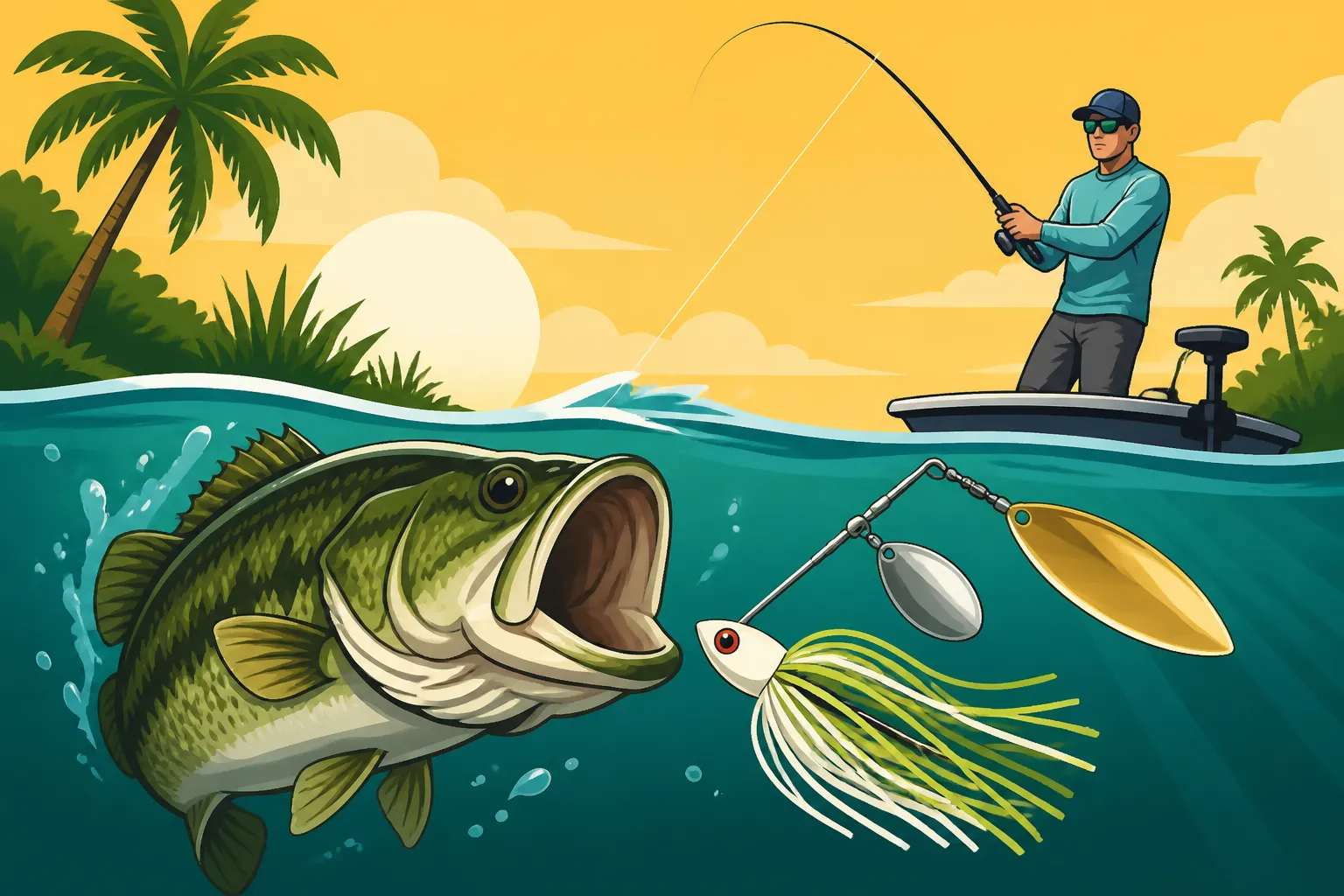
A spinnerbait might look a bit intimidating with its flashy blades and wireframe, but at its heart, it's a brilliant design built to attract aggressive bass. It’s not just a pretty face; it's a highly effective lure that mimics baitfish, creates irresistible vibrations, and catches the eye of even the most finicky largemouth bass. For anyone looking to truly expand their arsenal beyond basic plastics or crankbaits, understanding this lure is a game-changer.
Anatomy of a Bass-Catching Machine
Let's break down what makes a spinnerbait tick. You've got several key components, and each plays a vital role in its performance and effectiveness. Knowing these parts helps you choose the right spinnerbait for the conditions and understand why it performs the way it does.
First, there's the wireframe, often called the R-bend or safety-pin style wire. This is the backbone of the lure. One arm holds the main hook and skirt, while the other extends upwards to hold the blades. This design is what makes a spinnerbait so relatively weedless compared to many other lures, allowing it to navigate through cover that would snag a crankbait instantly.
Next, you have the head, usually lead, which provides weight and balance. The shape and size of the head influence how the lure tracks through the water and how quickly it sinks. Attached to the head is the skirt, typically made of silicone or rubber strands, which pulsates and flares, mimicking the body of a baitfish or even a crawfish. This movement adds crucial lifelike appeal that bass find hard to resist. Finally, the blades are the showstoppers, rotating on a swivel, creating flash, vibration, and a distinct "thump" that bass can detect from a distance, even in murky water.
When and Where Spinnerbaits Shine in Florida
Florida's waters, from the sprawling grass lines of Lake Okeechobee to the lily pad fields of the St. Johns River, offer prime real estate for spinnerbaits. These lures are incredibly effective in a wide range of conditions and habitats, often outperforming other baits when bass are actively feeding or hiding in dense cover.
Spinnerbaits truly excel when bass are relating to cover. Think about those thick hydrilla beds, stands of cattails, submerged timber, or even around docks and bridge pilings that line so many of Florida's freshwater systems. The unique design allows the spinnerbait to deflect off these obstacles without getting hung up, often triggering a reactionary strike from a lurking bass. They're also fantastic for covering a lot of water quickly, helping you locate active fish, especially during pre-spawn and post-spawn periods when bass are on the move. When you're trying to figure out where the fish are hiding, a spinnerbait is an excellent search bait. If you're looking for more general information on how to find bass, our Florida Largemouth Bass Fishing Guide has plenty of tips.
They are particularly deadly in stained or murky water. The flash from the blades and the strong vibrations they produce cut through the lack of visibility, sending clear signals to bass that something tasty is nearby. Overcast days, windy conditions, or even just early mornings and late evenings are prime times for spinnerbaits. They can be very effective during the Florida Bass Spawning Season when bass are aggressive and territorial.
Choosing the Right Spinnerbait for Florida Bass
Walking into a tackle shop or browsing online at a place like Amazon, the sheer variety of spinnerbaits can be overwhelming. But making smart choices about blade types, skirt colors, and weight will significantly increase your success rate in Florida's diverse bass habitats. It's not about having every single option, but understanding what each variation offers.
Blade Combinations and Why They Matter
The blades are perhaps the most crucial component of a spinnerbait, dictating its flash, vibration, and even its retrieve speed. There are three main blade shapes, each with distinct characteristics:
- Colorado Blades: These are round, cupped blades that create the most vibration and "thump." They spin slowly and pull hard, making them excellent for slow rolling in cold water, deep water, or murky conditions where fish rely more on lateral line senses. They also create a lot of lift, keeping the bait higher in the water column at slower speeds.
- Willowleaf Blades: Long, slender, and shaped like a willow leaf, these blades produce maximum flash and minimum vibration. They spin quickly and cleanly, making them ideal for faster retrieves, clear water, and when bass are actively chasing bait. Their slim profile helps them cut through vegetation with less resistance.
- Indiana Blades: A hybrid between Colorado and willowleaf, Indiana blades offer a good balance of flash and vibration. They spin at a medium speed, making them a versatile choice for a variety of conditions, from clear to slightly stained water.
Often, spinnerbaits come with tandem combinations, meaning two blades of different shapes and sizes. A common setup is a larger Colorado blade paired with a smaller willowleaf blade. This combination gives you a strong thump from the Colorado and plenty of flash from the willowleaf, offering the best of both worlds. Another popular choice for Florida's grassy waters is two willowleaf blades, which cut through the vegetation efficiently. Understanding these combinations is key to selecting the right tool for the job.
Skirt Colors and Trailer Options
Just like with any lure, color matters. The general rule of thumb is to match the hatch – select colors that mimic the local baitfish (like shiners or shad) or crawfish present in the water you're fishing.
- Natural Colors: White, chartreuse, shad patterns, and greens are fantastic go-to choices for imitating baitfish. A classic white or chartreuse spinnerbait is often productive in a variety of water clarities.
- Darker Colors: Black, blue, or junebug can be excellent in low-light conditions, deep water, or when bass are feeding on crawfish, especially when paired with a red or orange accent on the head.
- Bright/Flashy Colors: Sometimes, you need to trigger a reaction strike, and vibrant chartreuse, bright orange, or even pink can be effective, especially in highly stained or muddy water where bass need something bold to spot.
Adding a trailer to your spinnerbait's hook can significantly enhance its appeal. A soft plastic grub, swimbait, or even a specialized spinnerbait trailer can add extra bulk, action, and color. For example, a white grub trailer on a white spinnerbait can give the impression of a larger, more succulent baitfish, while a matching paddle-tail swimbait trailer can add a realistic swimming action. Sometimes, a simple curly-tail grub is all it takes to turn short strikes into solid hookups. Many anglers swear by the added action a trailer provides, especially when bass are being finicky.
Weight and Wire Considerations
The weight of your spinnerbait dictates how deep it runs and how fast you can retrieve it without it blowing out of the water. In Florida, you'll commonly find yourself reaching for weights between 3/8 oz and 1/2 oz for general purposes.
- Lighter Weights (1/4 oz – 3/8 oz): These are great for shallow water, fishing over sparse grass, or when you want a slower fall rate. They're also easier to cast with lighter tackle.
- Heavier Weights (1/2 oz – 1 oz+): When you're trying to fish deeper cover, battle strong winds, or make long casts, a heavier spinnerbait is the way to go. They also allow for faster retrieves while staying sub-surface. For targeting deeper ledges or brush piles, a heavier option is essential.
The wire gauge can also be a factor. Thicker wire is more durable but can slightly inhibit blade vibration. Thinner wire offers maximum vibration but can be more prone to bending with aggressive fish or snags. For most Florida bass fishing, standard wire gauges are perfectly adequate. Just make sure the components are strong enough to withstand strikes from powerful largemouth. When you're stocking up, don't forget to check out what's available on Amazon for a wide selection of weights and styles.
Mastering the Retrieve: Techniques for Tricking Florida Bass
Once you've got the right spinnerbait tied on, the real magic happens in how you retrieve it. A spinnerbait is incredibly versatile, allowing for a multitude of retrieve styles that can entice bass in different situations. It's not just about reeling it straight back; it's about making that lure look alive and irresistible.
The Steady Retrieve and Stop-and-Go
The simplest, and often most effective, way to fish a spinnerbait is with a steady retrieve. This means casting your lure out and reeling it back at a consistent speed, just fast enough to keep the blades spinning and the lure tracking properly through the water. This retrieve works particularly well when bass are actively feeding and you're covering open water, or along the edges of grass lines. The consistent flash and vibration imitate a fleeing baitfish, and often, the bass will just hammer it. Don't underestimate its simplicity; it's a proven fish-catcher.
Another fundamental technique is the stop-and-go retrieve. After casting, start a steady retrieve, then pause for a second or two, letting the spinnerbait flutter and fall slightly, before resuming your retrieve. That momentary pause, that sudden change in action, often triggers a strike from a following bass that was hesitant to commit. This tactic can be deadly when bass are a little more lethargic or spooky. It mimics a wounded baitfish, making it an easy target. This technique can be especially effective when fish are holding near structure and need a little extra encouragement.
Burning, Slow Rolling, and Yo-Yoing
Now, let's get into some more specialized, but incredibly effective, retrieves for Florida bass.
Burning a spinnerbait means reeling it back as fast as you possibly can, keeping it just under the surface or even breaking the surface occasionally. This retrieve is designed to trigger reaction strikes from highly aggressive or competitive bass. It's particularly effective when fish are shallow, actively schooling, or when you're trying to draw fish out of heavy cover. The speed prevents bass from getting a good look at the lure, making them react instinctively. This is a high-energy technique that can pay off big in the right conditions.
Conversely, slow rolling involves retrieving the spinnerbait just fast enough to keep the blades turning, often allowing it to tick along the bottom or through the tops of submerged grass. This technique is fantastic for deeper water, cold water, or when bass are lethargic and hunkered down. It presents a slow-moving, easy meal that bass don't have to exert much energy to chase. Pairing a slow roll with a large Colorado blade can create a powerful thumping vibration that bass can't ignore, even in low visibility. This is a patient technique, but it can be incredibly rewarding.
The yo-yo retrieve involves letting the spinnerbait sink to a certain depth, then aggressively lifting your rod tip to pull it up quickly, followed by letting it fall back down on a semi-slack line. This up-and-down motion mimics a dying baitfish or one struggling to swim. It's a great technique for vertical presentations, like fishing around deep brush piles, offshore humps, or even bridge pilings where bass are stacked. The sudden drop and rise can be a powerful trigger.
Targeting Specific Cover and Structure
Florida is famous for its abundant aquatic vegetation and varied structures. Knowing how to present your spinnerbait effectively around these features is crucial.
When fishing around grass lines, hydrilla, or lily pads, a spinnerbait truly shines. Cast parallel to the edge or right into the thicker stuff. As your lure hits a weed line or a lily pad stem, give your rod a sharp twitch or rip to free it. This deflection and sudden burst of speed often triggers a strike. The willowleaf blade is particularly good here as it slices through vegetation cleanly. Don't be afraid to let it get bogged down slightly and then rip it free – that's when bass often pounce! Our Florida Bass Fishing Techniques guide offers more insights into fishing around heavy cover.
For docks, fallen timber, or brush piles, cast your spinnerbait as close as possible to the structure. Let it fall for a moment, then begin your retrieve, allowing the blades to thump against the wood. The unique design of the spinnerbait means it will often bounce off these obstacles rather than getting snagged, creating erratic movements that mimic a panicked baitfish. If you're fishing under a dock, skip the lure in for a surprise presentation. Remember, these areas often hold the biggest bass, so precise casting is key.
Spinnerbait Setups and Essential Tips for Success
Having the right gear and knowing a few pro tips can make all the difference when you're slinging spinnerbaits for Florida bass. A balanced setup enhances your casting accuracy, feel, and ability to fight powerful fish.
Rod, Reel, and Line for Optimal Performance
Choosing the right rod, reel, and line combination is vital for effective spinnerbait fishing.
- Rod: A medium-heavy action casting rod, typically between 6'6" and 7'6" in length, is ideal. The medium-heavy action provides enough backbone to cast heavier spinnerbaits and pull bass out of cover, while also having enough tip flex to absorb strikes and prevent bass from tearing off. A fiberglass rod or a composite rod (graphite and fiberglass blend) can be excellent choices as they often have a more parabolic bend that helps keep bass hooked up better on reaction strikes. If you're looking for recommendations, our Best Rod for Inshore Fishing in Florida article might give you some ideas, even though it's saltwater-focused, the principles of rod action and power apply.
- Reel: A baitcasting reel with a gear ratio between 6.3:1 and 7.1:1 is perfect. This range allows for versatile retrieves – you can slow down for a slow roll or speed up for burning. A smooth drag system is non-negotiable, especially when you hook into a monster bass near heavy cover.
- Line: For most spinnerbait applications, 15-20 lb fluorocarbon or monofilament line is an excellent choice. Fluorocarbon offers low stretch and good abrasion resistance, which is great for fishing around heavy cover, plus it's nearly invisible underwater. Monofilament, with its stretch and buoyancy, can also be effective, especially for topwater burning retrieves where you want the bait to stay higher in the water column. Braid can be used, particularly in extremely heavy vegetation, but it's often best to use a fluorocarbon leader with it for better stealth.
Overcoming Common Spinnerbait Challenges
Even with the perfect setup, you might encounter a few hiccups when fishing spinnerbaits.
Snags: One of the biggest advantages of a spinnerbait is its weedless nature, but it's not entirely snag-proof. When you feel your lure bumping into cover, ease up on your retrieve slightly, give your rod tip a subtle shake, or even lift it gently to help the lure "walk" over the obstacle. If you get a hard snag, don't just yank. Try to "bow and arrow" your line, pulling back on the rod and then quickly releasing tension towards the snag, which can sometimes pop the lure free.
Short Strikes: Sometimes bass will nip at the blades or skirt without getting the hook in their mouth. This often indicates they're following but not fully committing. To combat this, you can add a trailer hook. This is a small, single hook attached to the main hook with a piece of surgical tubing or heat shrink, extending the hooking point further back. This simple addition can significantly increase your hook-up ratio on short strikers. Additionally, varying your retrieve speed or adding a pause can often turn a short strike into a solid hook-up.
Adding Scent and Trailers for Extra Appeal
While a spinnerbait's primary appeal is visual and vibrational, sometimes a little extra something can make all the difference, especially in tough conditions or highly pressured waters.
Adding scent to your spinnerbait's skirt or trailer can be a game-changer. There are many commercially available bass scents, like those from Berkley Gulp! or Pro-Cure, that can be applied directly to the soft plastic trailer or even brushed onto the skirt. The scent trail can entice curious bass to hold onto the lure for a split second longer, giving you more time to set the hook. This can be particularly effective in murky water where the bass are relying more on their sense of smell.
Beyond the standard soft plastic grub, experimenting with different trailer shapes and sizes can also elicit different reactions. Paddle-tail swimbaits on the back can add an even more pronounced swimming action, while larger creature baits might mimic a crawfish more effectively. Sometimes, matching the profile of the baitfish in the area precisely, or conversely, offering a completely different profile, is the key. Don't be afraid to experiment! This constant tweaking is part of the fun of Florida fishing.
| Blade Type | Shape | Vibration Level | Flash Level | Retrieve Speed | Best Use Cases |
|---|---|---|---|---|---|
| Colorado | Round, cupped | High | Low | Slow | Murky water, deep water, cold water, slow rolling, low light conditions, maximum thump |
| Willowleaf | Long, slender | Low | High | Fast | Clear water, burning retrieves, fishing through heavy vegetation, covering water quickly, mimicking fleeing baitfish |
| Indiana | Oval, medium cupped | Medium | Medium | Medium | Versatile, slightly stained water, balanced retrieve, general purpose, when you're unsure which blade to use |
| Tandem (Col./Wil.) | Mixed | High-Medium | High-Medium | Medium | All-around versatility, combination of thump and flash, good for various water conditions and retrieve speeds, often a great starting point for anglers |
Disclaimer
Fishing conditions and regulations in Florida can change frequently. Always consult the latest Florida Fish and Wildlife Conservation Commission (FWC) guidelines before heading out on the water. This article is for informational purposes only and should not be considered a substitute for official regulations.