Florida Lobster Mini-Season Dates
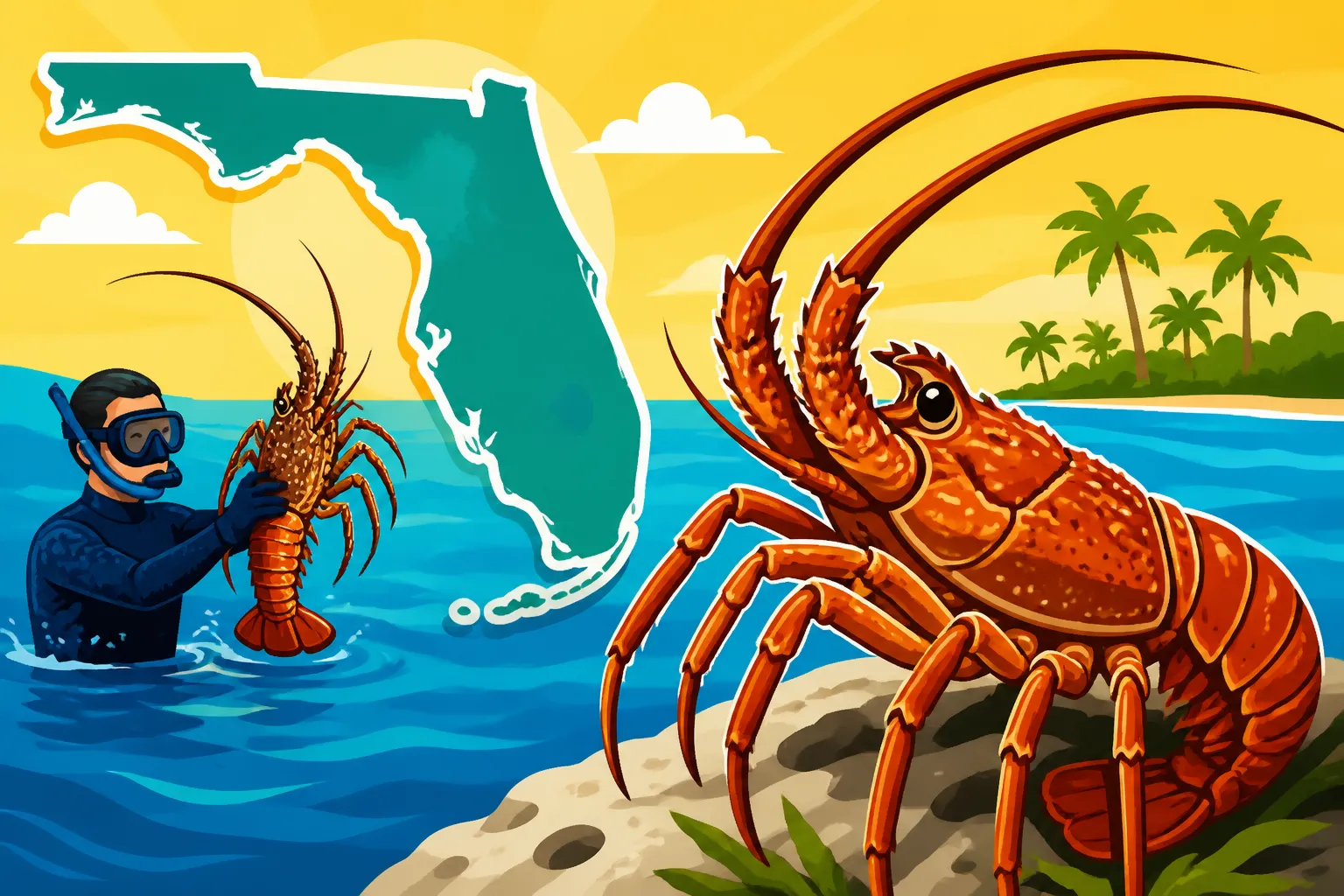
Oh, the Florida lobster mini-season! It’s one of those times of the year that gets every diver and aspiring bug hunter practically vibrating with excitement. But let's be real, the sheer thrill of chasing these delicious crustaceans can quickly turn into a headache when you're trying to untangle confusing dates, understand specific gear requirements, and ensure you're completely on the right side of the law. Nobody wants to deal with a hefty fine or, even worse, lose out on a fantastic diving opportunity because of a missed detail. This guide is here to cut through the confusion, meticulously laying out everything you need to know about the Florida lobster mini-season dates, essential regulations, and expert preparation tips to make your bug hunt a roaring success.
Understanding Florida's Lobster Mini-Season
The Florida lobster mini-season isn't just a random two-day window for fun; it's a strategically planned event that plays a crucial role in marine management. It’s designed to allow recreational divers a unique opportunity to harvest spiny lobsters before the commercial season kicks into high gear. This system helps balance the interests of recreational anglers and the commercial industry, ensuring that both groups have a chance at the abundant bounty Florida's waters offer.
Why We Have a Mini-Season
You might wonder why we even have this unique two-day window. The Florida Fish and Wildlife Conservation Commission (FWC) established the mini-season primarily to manage recreational harvest pressure. Think of it as a head start for us recreational folks. This short, intense period allows divers and snorkelers to go after lobsters when they are often more concentrated and less pressured, leading to a truly exciting and rewarding experience. It also serves as an important scientific tool, as the FWC monitors the success of the season to help inform future management decisions, ensuring the long-term health of the spiny lobster population.
Key Differences from Regular Season
It's super important to understand that the mini-season isn't just a preview; it comes with its own distinct set of rules that differ significantly from the regular recreational spiny lobster season. For starters, the dates are fixed and immutable, offering no flexibility. Secondly, gear restrictions are often more stringent during the mini-season. You’re typically limited to specific harvesting methods, primarily by hand or with a tickle stick and net. Commercial traps are, of course, strictly off-limits, and certain areas might have additional restrictions. The daily bag limits can also differ, and the presence of more enforcement officers is common due to the high volume of participants. It's a sprint, not a marathon, and every rule is designed to maintain order and resource sustainability during this busy period.
Who Can Participate
Essentially, anyone who holds the appropriate licenses and permits can participate in the Florida lobster mini-season. This includes both Florida residents and non-residents. There are age requirements for licenses, generally meaning anyone 16 years of age or older needs a valid Florida fishing license and a spiny lobster permit. Younger anglers often don't need a license, making it a fantastic family activity. However, even if you’re exempt from needing a license, you still need to adhere to all the bag limits, size restrictions, and other regulations that apply to everyone else. Don't forget to check the specific requirements, especially if you're an out-of-state visitor, to ensure you're fully compliant. The FWC website is always your best friend for the most up-to-date information on who needs a fishing license in Florida and other specific rules.
Official Florida Lobster Mini-Season Dates
This is the big one, the question on every lobster hunter's mind! Knowing the exact dates is paramount, as missing them means waiting another whole year. The Florida lobster mini-season is notoriously short and sweet, making precise planning absolutely essential.
The Fixed Dates Explained
The Florida lobster mini-season officially takes place on the last consecutive Wednesday and Thursday of July each year. This isn't a variable date that shifts with the moon phase or any other factor; it's set in stone. For instance, if you're looking at 2024, the mini-season will fall on July 24th and 25th. If you miss those two days, you're out of luck until the regular season opens or until next year's mini-season. This consistency is both a blessing and a curse: a blessing because it's easy to remember, and a curse because it's just two days! This short window creates a concentrated burst of activity, with divers converging on popular spots all across the state, especially in the Florida Keys.
Why These Specific Dates
The timing of the mini-season isn't arbitrary; it's carefully chosen by the FWC based on biological and management considerations. These dates typically coincide with a period when spiny lobsters are molting and moving into shallower waters, making them more accessible to divers. It's also scheduled before the regular commercial lobster season, which usually starts in August. This staggered approach helps distribute the harvest pressure, giving recreational divers a fair shot before the commercial boats deploy their traps. The FWC continually studies lobster populations and their reproductive cycles to ensure that these dates support sustainable harvesting practices, protecting the future of this valuable fishery.
Planning Your Trip Around the Dates
Since the mini-season is just two days, meticulous planning is key to maximizing your success and enjoyment. Many people book their accommodations, especially in hotspots like Key West or Marathon, up to a year in advance! Hotels, vacation rentals, and even campsites fill up incredibly fast. Beyond lodging, securing your boat rental or charter if you're not bringing your own vessel is equally important. Dive shops also get extremely busy, so plan to pick up or rent your gear well ahead of time. Don't forget to check marine weather forecasts diligently as the dates approach; even a small craft advisory can put a damper on your plans, and safety should always come first. Early preparation, from booking your stay to checking your gear, truly makes all the difference for a stress-free mini-season.
Essential Gear and Preparation for Mini-Season
Heading out for lobster without the right gear is like trying to bake a cake without flour – you just won't get the desired result! Proper equipment and thorough preparation are non-negotiable for a safe, successful, and legal lobster mini-season.
Must-Have Equipment
When you hit the water for mini-season, you'll need more than just your swim trunks. Here’s a rundown of the essentials:
- Dive Flag: This isn't just a suggestion; it's a legal requirement. Whether you're using a boat-mounted flag or a personal float, it must be displayed properly whenever divers are in the water. This is a critical safety item.
- Tickle Stick and Net: These are your primary tools for gently coaxing lobsters out of their hiding spots and scooping them up. Many divers have a preferred length and type, so experiment if you can before the big days.
- Measuring Gauge: Absolutely critical! Spiny lobsters have a strict size limit, and you must measure them in the water before bringing them onto your boat or shore. This small, often plastic, tool is designed to measure the carapace length accurately.
- Gloves: Lobster spines are no joke. A good pair of dive gloves will protect your hands from painful pokes and scrapes.
- Snorkel/Dive Gear: Mask, fins, snorkel, wetsuit (if the water is cool, or for sun protection), and appropriate dive weights are all standard. If you're scuba diving, ensure your tanks are filled and your regulator is in good working order.
- Coolers: You'll need at least two: one for your fresh catch (packed with ice to keep them lively and cool) and another for your food and drinks.
Many of these items, like measuring gauges, tickle sticks, and nets, can be found readily at local dive shops or online retailers like Amazon. It's wise to buy your measuring gauge well in advance and familiarize yourself with how to use it.
Pre-Trip Checks and Maintenance
Just like you wouldn't embark on a long road trip without checking your car, you shouldn't head out for mini-season without a thorough gear inspection. If you're using scuba gear, ensure your tanks have current hydrostatic test dates and visual inspection stickers. Have your regulators serviced if they haven't been in a while. Check your wetsuit for tears, your mask strap for cracks, and your fins for any damage. For boat owners, this means a full safety check: flares, life jackets for everyone on board, working bilge pump, navigation lights, and a full tank of fuel. Don't forget your boat registration and any other required safety equipment. A little preventative maintenance can save a lot of headaches – and potentially prevent dangerous situations – when you're out on the water.
Practice and Skill Development
For new lobster hunters, or those who haven't done it in a while, a little practice can go a long way. Lobsters are surprisingly quick and adept at escaping. Spend some time in shallow water practicing your tickle-and-net technique. It might sound silly, but getting comfortable with maneuvering the stick to "tickle" the lobster out of a crevice and then swiftly scooping it with the net takes a bit of coordination. You'll also want to practice measuring underwater; it's harder than it looks with moving lobsters and shifting currents. If you're planning on diving deeper, ensure your buoyancy control is dialed in, as bumping coral or stirring up too much sediment can ruin the experience for everyone and harm the delicate ecosystem. Consider joining a local dive club or asking experienced friends for tips before the season hits its peak.
Navigating Regulations and Bag Limits
Florida’s commitment to sustainable fishing means there are strict regulations in place, especially for popular species like spiny lobster. Ignorance of the law is never an excuse, and enforcement during mini-season is particularly diligent. It's crucial to know these rules inside and out.
Size Limits and Measurement
This is perhaps the most critical regulation. All spiny lobsters caught must have a carapace length greater than 3 inches but less than 5.5 inches. This means anything too small or too large must be immediately released, unharmed, back into the water. The carapace is the hard shell segment directly behind the lobster's eyes, extending to the tail.
Crucially, you must measure the lobster in the water. Bringing an undersized or oversized lobster into your boat, even just to measure, can result in a hefty fine. Always carry your approved lobster measuring gauge with you while diving. Place the gauge flat against the carapace, ensuring it fits correctly. If it's too small or too large, let it go. It's a simple rule, but one that leads to many violations for those who aren't careful. Remember, these rules are in place to protect juvenile lobsters and ensure breeding adults can continue to reproduce, safeguarding the population for future seasons.
Daily Bag and Possession Limits
The FWC sets clear limits on how many lobsters you can harvest. During the mini-season, the daily bag limit is six lobsters per person, per day, for most of Florida. However, there's a significant exception: if you're diving in Monroe County (the Florida Keys) or Biscayne National Park, the daily bag limit increases to 12 lobsters per person, per day. This is a big difference and something you absolutely need to remember depending on where you're fishing.
Possession limits are also important. While on the water, you cannot possess more than the daily bag limit per person. Once you land and are off the water, the possession limit changes: you cannot possess more than the daily bag limit per person for a single day's harvest. This means if you fish for two days in the Keys and catch 12 lobsters each day, you can possess 24 lobsters once you've landed, as long as you can prove they were caught over two separate legal days. Always keep your catches separate by day if you're fishing multiple days and ensure proper documentation if asked by FWC officers. Always review the Florida Fishing Regulations and Bag Limits for the most current information.
Understanding Restricted Areas
Not all waters are open for lobster hunting, even during mini-season. Several areas are strictly off-limits to protect sensitive marine environments or provide safe zones for other activities. These typically include:
- Everglades National Park: All lobster harvesting is prohibited.
- John Pennekamp Coral Reef State Park and other designated marine sanctuaries: Certain areas within these parks may have specific restrictions or be entirely closed to harvest.
- Dry Tortugas National Park: Specific areas within the park are closed to lobster harvesting.
- No-take zones: These are designated areas within larger fishing grounds where all harvesting is prohibited to serve as nurseries or protected breeding grounds.
Always consult updated FWC maps and regulations for the specific areas you plan to visit. Entering a restricted area, even accidentally, with harvested lobsters can lead to severe penalties, including fines and confiscation of your catch and gear. It's always better to be safe than sorry and double-check your charts and local postings before dropping anchor or jumping in.
Permits and Licenses You'll Need
Thinking you can just show up and start grabbing bugs? Think again! Florida has a comprehensive licensing system to ensure that all recreational harvest is accounted for and regulated. Missing these vital pieces of paperwork can turn your exciting mini-season adventure into a costly mistake.
Recreational Saltwater Fishing License
First and foremost, virtually anyone participating in the Florida lobster mini-season needs a valid Florida recreational saltwater fishing license. This is your baseline permit, required for most forms of saltwater fishing in the state. Whether you're casting a line for snook or diving for lobster, this license is your entry ticket. It's an annual license for residents, or you can purchase short-term options if you're a non-resident just visiting for a few days. The funds generated from these licenses play a critical role in conservation efforts across Florida, helping to manage fish populations and protect marine habitats. For a deeper dive into the requirements, check out our guide on Florida Saltwater Fishing License Rules.
Spiny Lobster Permit
Beyond the general saltwater fishing license, you'll need a specific endorsement: the Florida Spiny Lobster Permit. This isn't just an optional extra; it's a mandatory add-on for anyone planning to harvest spiny lobsters, regardless of whether you're a resident or non-resident. Think of it as a specialized sticker that goes on your main fishing license, indicating you're cleared for lobster. The cost for this permit is usually quite modest, but its importance is immense. It helps the FWC track lobster fishing effort and gather data crucial for managing the fishery. You can typically purchase this permit at the same time you buy or renew your main fishing license, either online through the Go Outdoors Florida website, at a local county tax collector's office, or at many bait and tackle shops. Missing this small but mighty permit could lead to significant fines. For more specific details, you can read about Florida Lobster Permit Requirements.
Exceptions and Exemptions
While most adults need both a saltwater fishing license and a spiny lobster permit, there are a few exceptions:
- Age Exemptions: Florida residents under 16 years old and over 65 years old are generally exempt from needing a recreational fishing license. However, even if exempt from the license, they still need to adhere to all spiny lobster season regulations, including bag and size limits.
- Shoreline Fishing: Florida residents who are fishing for saltwater species from the shoreline or from a structure attached to the shore (like a pier or bridge) might qualify for a free shoreline fishing license. However, this exemption typically does not cover harvesting spiny lobsters in the water, only pole-and-line fishing from the shore. If you're going into the water to get lobsters, you will need the full license and permit.
- Charter Boats: If you're on a properly licensed for-hire fishing charter or head boat, you typically don't need your own individual recreational fishing license or lobster permit, as the vessel's commercial license covers all passengers. However, this only applies if the vessel is licensed to carry passengers and specifically for the activity (i.e., lobster diving). Always confirm with your charter captain beforehand.
It’s always best to verify your specific situation, especially regarding Florida Fishing License Exemptions, to avoid any misunderstandings. When in doubt, it’s safer to get the license and permit than to risk a fine.
Here's a quick look at the typical license and permit needs for lobster mini-season:
| Participant Type | Recreational Saltwater Fishing License | Spiny Lobster Permit | Notes |
|---|---|---|---|
| Florida Resident (16-64) | Required | Required | Can purchase annual, 5-year, or lifetime options. |
| Florida Resident (Under 16) | Exempt | Exempt | Must still adhere to all bag & size limits. |
| Florida Resident (Over 65) | Exempt | Exempt | Requires Florida Senior Citizen Hunting and Fishing Certificate (free). Must still adhere to all bag & size limits. |
| Non-Resident (16+) | Required | Required | Short-term (3-day, 7-day) or annual options available. |
| On Licensed Charter Boat | Not required (usually) | Not required (usually) | Confirm with captain. Charter vessel's license covers passengers. |
| Developmentally Disabled Res. | Exempt | Exempt | Requires FWC-issued exemption certificate. |
This table provides a general overview, but always double-check the most current FWC regulations for any updates or specific circumstances that might apply to you.
Safety and Ethical Practices During Mini-Season
The excitement of the lobster mini-season can sometimes lead people to forget crucial safety protocols or proper ethical conduct. But for a truly successful and responsible experience, prioritizing safety and respecting the marine environment is paramount. After all, we want to enjoy these waters for years to come!
Diver Safety First
Mini-season is a whirlwind of activity, especially in popular spots. This means more boats, more divers, and more potential for accidents.
- Dive Flag: I mentioned it before, but it bears repeating: A dive flag is non-negotiable. It signals to boaters that there are divers in the water, giving them a wide berth. Ensure your flag is prominently displayed and of the legally required size. Never swim too far from your flag.
- Buddy System: Always dive with a buddy. This isn't just a suggestion; it’s a lifeline. If one person encounters a problem, the other is there to assist.
- Boat Traffic Awareness: The waters can be very crowded. Be constantly aware of boat traffic, especially when surfacing. Wear bright colors, and consider having a safety sausage or signal tube to deploy if you surface away from your flag or boat.
- Know Your Limits: Don't push yourself beyond your comfort zone in terms of depth, current, or bottom time. Fatigue, strong currents, or unexpected equipment issues can turn a fun dive into a dangerous situation quickly. Stay hydrated and well-rested.
- First Aid and Emergency Preparedness: Have a well-stocked first-aid kit on your boat. Know how to use it. Have emergency contact numbers readily available, and ensure someone on board knows how to operate your vessel and call for help if needed.
Respecting the Environment
We're incredibly lucky to have access to Florida's beautiful marine ecosystems, and it's our responsibility to protect them. The mini-season brings a high concentration of people to fragile habitats, so mindful diving is essential.
- Avoid Coral Damage: Many lobsters hide in and around coral reefs. Be incredibly careful with your fins, body, and gear to avoid bumping, kicking, or scraping delicate corals. Coral grows very slowly, and damage can take decades to recover. Maintain good buoyancy control to stay off the bottom.
- Trash Disposal: Pack out everything you pack in. Fishing line, plastic bags, food wrappers—all of it can harm marine life. Even biodegradable items should be taken back to shore. Let's leave no trace.
- Responsible Harvesting: Only take what you need and what is legal. Adhere strictly to size and bag limits. Release pregnant females (those with eggs under their tail, often called "berried") immediately and gently; it's illegal to harvest them. This ensures future generations of lobsters.
Avoiding Legal Troubles
Florida's FWC officers are out in full force during mini-season, and they don't mess around with violations. The penalties for fishing without a license in Florida or for violating lobster regulations can be severe.
- Check Everything: Before you even leave the dock, ensure every diver on board has their current Florida Fishing License Guide and spiny lobster permit. Double-check your measuring gauge is on your person before you enter the water.
- Measure in the Water: I can't stress this enough. An undersized lobster in your boat, even if you claim you were "just about to measure it," is a violation.
- Clearly Mark Your Catches: If you're fishing for multiple days, keep your daily catches separate in coolers and be prepared to show FWC officers how many lobsters you've caught each day. Transparency is key.
- Know Restricted Areas: As mentioned before, familiarize yourself with no-take zones. Fines for taking lobsters from protected areas are substantial.
By following these safety and ethical guidelines, you’ll not only have a more enjoyable and responsible mini-season but also help ensure these incredible crustaceans thrive for years to come.
Disclaimer
The information provided in this guide is for general informational purposes only and is subject to change. While we strive to offer the most accurate and up-to-date details, fishing regulations, dates, and requirements are set by the Florida Fish and Wildlife Conservation Commission (FWC) and can be modified at any time. It is always the angler's responsibility to consult the official FWC website or relevant local authorities for the most current and specific regulations before engaging in any fishing activity.