How to Chum for Sharks From a Pier
There's a special thrill that comes with the thought of hooking into a powerful shark from the steady ground of a pier. It’s an accessible way to experience big-game fishing without needing a boat, but many anglers get stumped on how to really draw those impressive predators in. If you're wondering how to effectively chum for sharks from a Florida pier, you're in the right place – this guide will walk you through everything you need to know to create an irresistible scent trail and increase your chances of a truly memorable catch.
Understanding Why and How Chumming Works for Pier Shark Fishing
Chumming isn't just about throwing food in the water; it's a strategic technique designed to exploit a shark's incredibly keen sense of smell. From a pier, you have a unique vantage point, but also a challenge: getting that scent out effectively without disrupting other anglers or drawing unwanted attention.
The Science Behind Scent Trails
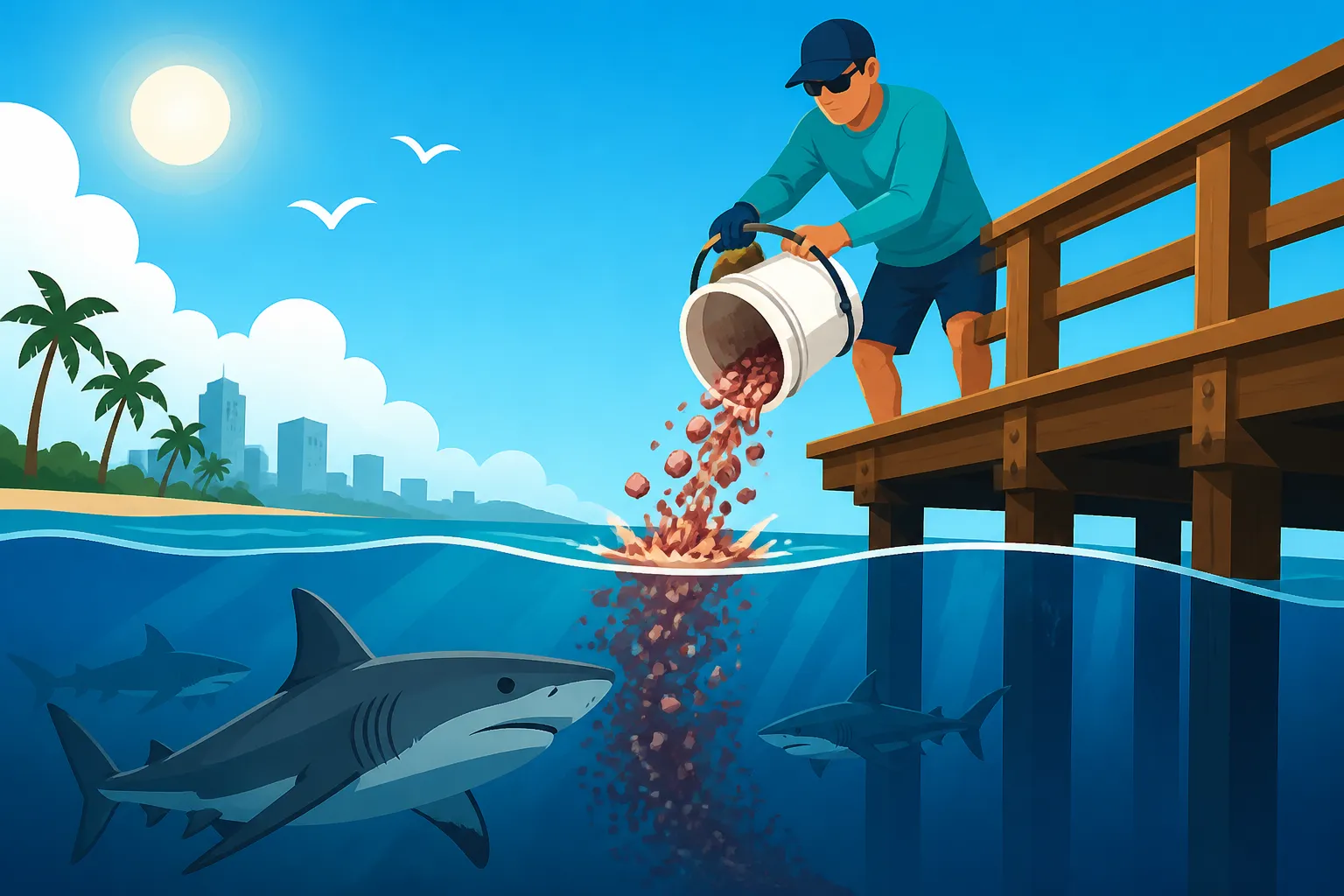
Sharks are often depicted as mindless eating machines, but they are highly evolved predators with an olfactory system that puts most other creatures to shame. They can detect incredibly minute quantities of blood and fish oils in the water, sometimes from miles away. When you chum, you're essentially creating a "scent corridor" in the current, leading directly to your fishing spot. This corridor of dissolved organic matter, blood, and oils acts like a siren call, guiding sharks from downcurrent right to where your bait is waiting.
Think of it like this: the ocean current is a moving river. If you drop a drop of dye into a river, it will slowly spread out, creating a long, diluted trail downstream. A shark picks up this trail at its widest and most diluted point and instinctually swims up the concentration gradient – following the increasingly stronger scent until it reaches the source. The goal of effective pier chumming is to create a consistent, long-lasting, and appealing scent trail without feeding the sharks so much that they ignore your baited hook. It’s a delicate balance between attracting and satisfying.
What Makes Good Chum for Sharks
When you're aiming for sharks, you need chum that's rich in blood and oily. Forget about breadcrumbs or corn; those are for smaller, more docile fish. For sharks, you want something that really broadcasts its presence. Fish scraps, leftover bait, ground fish, or even specific manufactured chum blocks are your best bet. The oilier the fish, the better. Mackerel, pilchards, sardines, menhaden, and mullet are all fantastic choices. The blood content is also critical, as it's a powerful attractant.
Many anglers collect their own scraps from previous fishing trips, freezing them until needed. Others opt for pre-made frozen chum blocks, which are incredibly convenient. These blocks slowly thaw and release their pungent goodness into the water, creating a steady stream of attractant. While the goal isn't to feed them a full meal, having tiny, edible particles in the chum can also stimulate their feeding instincts, encouraging them to investigate further.
FWC Regulations and Pier-Specific Rules on Chumming
This is a crucial point that many eager anglers overlook. While chumming is generally legal in Florida waters, there can be specific regulations, especially concerning sharks, and individual piers often have their own unique rules. Before you even think about setting up your chum bag, you absolutely must check with the Florida Fish and Wildlife Conservation Commission (FWC) for current shark fishing regulations, particularly regarding species, sizes, and any harvest restrictions. Some shark species are protected, and others might have specific seasons or slot limits. Make sure you're up-to-date on your Florida Fishing Regulations and Bag Limits.
Beyond state regulations, every pier is its own little kingdom. Many popular fishing piers, especially those bustling with families and tourists, have strict rules against chumming, or at least against certain methods of chumming (like throwing loose pieces of fish). The concern is often about cleanliness, deterring other swimmers, or simply not wanting to attract large predators too close to people. Before you head out, call the pier office, check their website, or look for posted signs. Violating pier rules can lead to fines, being ejected, or even losing your fishing privileges. It's always better to be safe than sorry and ensure you have your Florida Fishing License Guide in order.
Essential Gear and Materials for Effective Pier Chumming
Chumming from a pier requires a bit of specialized equipment to be both effective and respectful of your surroundings. You can't just dump a bucket over the railing.
Choosing the Right Chumming Equipment
For pier shark fishing, your primary chumming tool will be a sturdy chum bag or dispenser. Forget those flimsy mesh bags designed for small baitfish. You need something robust enough to withstand strong currents, the weight of a dense chum block, and the occasional tug from curious marine life. Heavy-duty mesh bags made from nylon or even wire mesh are ideal. Many anglers prefer a metal mesh cage, often called a "chum cage," because it's virtually indestructible and allows for a very slow, controlled release of scent. You can find excellent options on platforms like Amazon, from basic mesh bags to more elaborate weighted chum dispensers.
You’ll also need a strong rope or line to deploy and retrieve your chum bag. This isn't just any old string; it needs to be marine-grade, rot-resistant, and strong enough to handle a heavy, current-laden chum bag. Often, a buoy or float is attached to the rope to mark the bag's location and make retrieval easier, especially if the current is strong. Consider using a dedicated cleat or anchor point on the pier, if available, to secure your chum line, rather than just tying it to a railing where it could come loose or be a tripping hazard.
Lastly, a chum paddle or dispenser (for liquid chum or slop) can be useful for those who prefer to dispense smaller amounts more frequently. This usually involves a long handle with a cup or scoop at the end, allowing you to cast small handfuls or liquid chum out away from the pier. However, always verify if this method is allowed, as some piers might consider it littering or a nuisance.
Best Types of Chum to Use from a Pier
When it comes to the actual chum, quality makes a huge difference.
- Frozen Chum Blocks: These are probably the most popular and convenient choice for pier fishing. They come in various sizes and consistencies, often made from ground fish like menhaden, pilchards, or mackerel. Brands like Fishbites and offshore fishing supply companies often have them readily available. The beauty of a frozen block is its slow, steady release. As it thaws in the water, it constantly emits scent without creating a massive mess of particles all at once. You can often buy these at local bait and tackle shops, and sometimes even larger retailers like Walmart or Bass Pro Shops.
- Homemade Chum: If you’re a DIY enthusiast, you can create your own potent chum. This usually involves grinding up fish scraps, fish heads, carcasses, and even shrimp shells. You can mix in fish oil, oats (to act as a binder and slow release), or even a bit of sand for weight. Form these into blocks and freeze them. The advantage here is cost-effectiveness and customization. You can tailor your chum to what's available and what you believe the local sharks might prefer.
- Cut Bait Pieces: While not strictly "chum" in the sense of a steady scent trail, periodically throwing out small, irresistible chunks of fresh cut bait can supplement your chumming efforts. This serves as a "teaser" to get sharks interested and can be particularly effective if you're using similar bait on your hook. Good options for cut bait include mullet, ladyfish, or bluefish, which are often excellent choices for your main Best Bait for Snook Fishing in Florida or shark hooks.
Safety Considerations and Pier Etiquette
Chumming, especially for large predators like sharks, comes with its own set of responsibilities. Safety is paramount, not just for you but for other pier users.
- Awareness of Surroundings: Always be acutely aware of swimmers, paddleboarders, or anyone else in the water near the pier. Never chum if there's any chance of attracting a shark into an area where people are recreating. Most piers have designated fishing areas for a reason; stick to them.
- Secure Your Gear: A loose chum bag in a strong current can become a dangerous projectile or entanglement hazard. Ensure your rope is securely tied and your equipment is robust.
- Respect Other Anglers: Chumming can draw in all kinds of fish, not just sharks. Be mindful if your chumming is negatively impacting other anglers' chances, especially if they're targeting different species. A general rule of thumb is to avoid excessive chumming or methods that create a massive cloud of particles, which can sometimes spook other species or attract nuisance fish.
- Cleanliness: Chumming can be messy. Bring a dedicated bucket for any drips or discarded chum, and clean up your area thoroughly before you leave. No one wants to step on fish guts or smell stale chum. Many piers have specific waste disposal areas; use them.
Step-by-Step Guide to Deploying Chum from a Florida Pier
Now that you understand the why and what, let's get into the practical steps of effective chum deployment from a pier.
Preparing Your Chum Setup
Before you even step foot on the pier, make sure everything is ready.
- Thaw Just Enough: If you’re using a frozen chum block, don't let it completely thaw beforehand. You want it mostly frozen so it lasts longer once in the water, providing a slow-release effect. If you're driving a long distance, a cooler with ice is essential.
- Rig Your Chum Bag: Place your chum block or homemade chum into your heavy-duty mesh bag or wire cage. Secure the opening tightly. You don't want your chum escaping all at once or attracting larger animals like pelicans to pick at it from above.
- Attach the Rope and Weight: Securely tie your strong, marine-grade rope to the chum bag. If your chum block isn't heavy enough to sink and stay in the desired location, you might need to add a small weight (like a dive weight or a heavy sinker) to the bottom of the bag. This ensures it stays down in the water column and isn't just floating around on the surface.
- Add a Float (Optional but Recommended): Tie a brightly colored buoy or float to the other end of your rope. This is especially helpful if you plan to let your chum bag drift further out from the pier or if there's significant current. It makes retrieval much easier and marks the location for anyone else nearby.
- Secure Your Line: Once on the pier, identify a sturdy, permitted anchor point. This could be a designated cleat, a heavy post, or sometimes a secure part of the railing (again, check pier rules). Never just loop it over a wobbly railing or a loose object. Make sure your knot is strong and reliable.
Strategic Chum Deployment Techniques
This is where the art comes into play. The goal is a steady, consistent flow of scent.
- Initial Drop: Gently lower your chum bag into the water. Don't just heave it over. Depending on the current and depth, let out enough rope so the bag is submerged, ideally a few feet below the surface but above the bottom, where the current can effectively disperse the scent. If the current is very strong, you might need to deploy it further away from the pier to allow the scent trail to develop before it's too diluted right under the pier.
- Consider the Current: This is the most critical factor. Observe the current direction and strength. Your chum slick will travel downcurrent. You want to position your main fishing lines within or just at the end of this scent trail. If the current is moving from left to right, deploy your chum on the left side of your fishing area, allowing the scent to drift across and past your baited hooks.
- The Slow Release is Key: Avoid constant agitation of the chum bag. Let it do its work slowly. If you're using a frozen block, the natural thawing process will create a perfect, steady drip. If you're using loose chum in a bag, you might give it a gentle shake every 15-20 minutes, but don't overdo it. Too much loose particulate matter too quickly can sometimes "feed" the fish away from your hook, or attract too many small baitfish.
- Supplemental Chumming (Use Sparingly): If permitted and appropriate, you can periodically cast out small handfuls of finely ground chum or a scoop of liquid chum with a chum paddle. This creates a quick, strong burst of scent that can pique interest, especially if you haven't seen any activity. However, be very conservative with this method from a pier to avoid creating a mess or drawing too much unwanted attention from other anglers or wildlife.
Monitoring and Adjusting Your Chum Slick
Chumming isn't a "set it and forget it" operation. The ocean environment is constantly changing.
- Watch the Water: Observe how your chum is dispersing. Is the scent trail moving in the direction you intended? Is it too wide, too narrow, or too quick? If the current shifts, you might need to adjust the position of your chum bag.
- Check Your Chum Bag: Every hour or so, pull up your chum bag to check its contents. Is it almost empty? Is it thawing too fast or too slow? This helps you gauge how much more chum you might need or if you need to adjust its depth.
- Look for Signs of Life: Keep an eye out for increased baitfish activity around your chum slick, or even the tell-tale signs of larger predators like sharks cruising through. Birds diving on baitfish can also indicate a productive area.
- Adjust as Needed: If the current dies down, you might need to raise your chum bag slightly or give it a more frequent, gentle shake to help dispersion. If the current picks up, you might want to move the bag further upcurrent of your fishing lines. The key is adaptability. The Best Time of Day to Fish in Florida and current conditions will heavily influence your chumming strategy.
Maximizing Your Chances: Beyond Just Chumming
Chumming is a powerful tool, but it's just one piece of the shark fishing puzzle. To truly maximize your chances, you need to combine it with solid fishing techniques and safe practices.
Ideal Conditions and Time of Day for Shark Fishing
Sharks are opportunistic predators, but certain conditions make them more active and easier to target from a pier.
- Tide is Key: Moving water is paramount for shark fishing, especially when chumming. An incoming or outgoing tide helps to carry your scent trail far and wide. Slack tide, when the water is still, can make your chum just sit in one spot, limiting its effectiveness. Many anglers find the hours around dawn and dusk, especially during a strong tide change, to be incredibly productive.
- Water Clarity: While sharks don't rely on sight as much as scent, clearer water can sometimes help them spot your bait from a distance once they're in the chum slick. However, slightly murky water from a recent tide change or rain can also be good, as it provides cover for the sharks and can make them bolder.
- Time of Year: While many shark species are present year-round in Florida, certain times of the year see larger numbers or specific migratory patterns. Warmer months often bring more sharks closer to shore, but even in cooler months, species like blacktip or sandbar sharks can be found near piers. Understanding the specific Florida Fishing Seasons Explained for various species can greatly enhance your success.
Proper Rod, Reel, and Rigging for Pier Sharks
When targeting sharks from a pier, you're dealing with powerful, often large, fish. Your gear needs to be up to the task.
- Heavy-Duty Rod and Reel: A sturdy, conventional reel or a large spinning reel (8000 series or higher) paired with a heavy-action rod (rated for 30-80 lb line) is essential. Brands like Penn, Shimano, and Daiwa offer excellent options for this kind of fishing. You need something with significant line capacity and a smooth, powerful drag system. Think about what you'd use for What Pound Test Line for Tarpon Fishing? and then some!
- Strong Line: Spool your reel with heavy monofilament (50-80 lb test) or braided line (65-100 lb test). Braid offers incredible strength in a smaller diameter, allowing for more line on your spool, which can be critical for a long fight.
- Wire Leader: Sharks have rows of razor-sharp teeth that will easily cut through mono or fluorocarbon. A heavy-duty wire leader (100-200 lb test, either single-strand or braided cable) is absolutely mandatory. This leader should be at least 2-3 feet long to prevent the shark from biting through your main line.
- Large, Strong Hooks: Use circle hooks with barbs (check FWC regulations for circle hook requirements, especially for certain shark species) in sizes appropriate for your bait and target shark species, generally 12/0 to 20/0. Circle hooks are safer for the fish, as they typically hook in the corner of the mouth, making release easier.
- Heavy Sinker: Depending on the current, you'll need a heavy sinker (4-8 ounces or more) to hold your bait on the bottom. A pyramid sinker or a spider weight works well in sandy bottoms.
Handling Your Catch and Release Safely
This is perhaps the most critical part of shark fishing, especially from a pier. These are wild, powerful animals, and mishandling them can be dangerous for both you and the shark.
- Keep it in the Water: Whenever possible, avoid dragging the shark onto the pier deck. Most sharks can't survive long out of water, and it's also extremely dangerous. Use a sturdy drop net or a specialized pier gaff (if legal and you are skilled) to bring the shark alongside the pier for unhooking.
- Unhook Quickly and Carefully: Use long-nosed pliers, de-hookers, or bolt cutters for the wire leader (if you can't get the hook out) to unhook the shark while it's still in the water. If the hook is swallowed, cutting the leader as close to the hook as possible is often the best option. Stainless steel hooks will eventually corrode.
- Protect Yourself: Never reach into a shark's mouth. Even smaller sharks can inflict serious bites. Keep your hands, feet, and any bystanders well clear.
- Minimize Stress: The longer a shark is fought or out of water, the lower its chances of survival. Fight the fish effectively, unhook it quickly, and release it gently. If you need to take a picture, do it very quickly with the shark still partially submerged. For more detailed guidance, consult a comprehensive guide on handling your catch and release safely.
Chumming from a pier for sharks in Florida can be an incredibly rewarding experience. By understanding the science, using the right gear, deploying your chum strategically, and always prioritizing safety and ethical angling practices, you’ll be well on your way to hooking into some of Florida's most formidable inshore predators. Remember, respect the fish, respect the pier, and respect your fellow anglers, and you'll have a fantastic time out there.
Disclaimer
The information provided in this guide is for general informational purposes only. Fishing regulations, licensing requirements, and pier-specific rules in Florida can change frequently. Always consult the latest regulations from the Florida Fish and Wildlife Conservation Commission (FWC) and contact individual pier authorities before engaging in any fishing activities. Adherence to all local, state, and federal laws is the responsibility of the angler. Fishing, especially for large species like sharks, carries inherent risks, and safety precautions should always be observed.