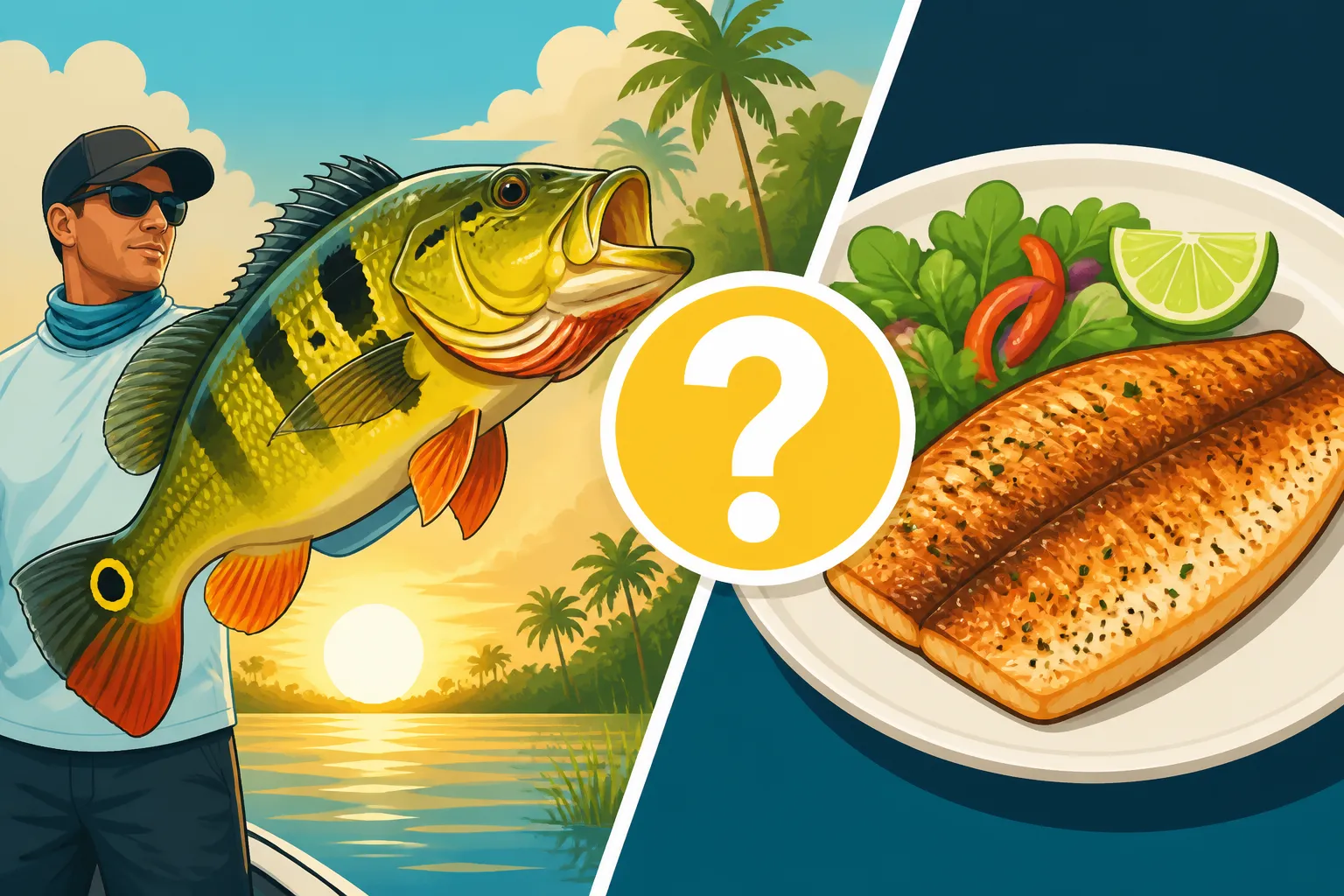
Is Peacock Bass Good to Eat?
There's a common misconception that if a fish fights hard and is exhilarating to catch, it can't possibly be good on the dinner table. This couldn't be further from the truth for many species, and it's a question often asked about Florida's vibrant peacock bass. If you've ever wrestled one of these aggressive, beautiful fish from a South Florida canal, you've likely wondered if its fighting spirit translates into culinary delight. This guide will dive deep into the taste, texture, and best preparation methods for peacock bass, helping you decide if it's worth taking a few home for dinner.
The Culinary Appeal of Peacock Bass
Peacock bass are, without a doubt, one of Florida's most exciting freshwater sportfish. They strike hard, jump often, and pull with surprising power. But beyond the thrill of the catch, how do they measure up in the kitchen? Many anglers are pleasantly surprised by the quality of peacock bass as table fare. They are generally considered an excellent eating fish, rivaling some of the most sought-after freshwater species.
Flavor Profile and Texture
When it comes to flavor, peacock bass offers a delightful experience. Its meat is firm, white, and notably flaky, providing a clean, fresh taste that isn't overpoweringly "fishy." Think of it as a milder, slightly sweeter version of your typical largemouth bass, but with a firmer texture. There's no oily residue or strong, muddy flavor that some freshwater fish can sometimes possess, especially if they come from less-than-ideal water conditions. This mildness makes it incredibly versatile, capable of taking on a variety of seasonings and cooking styles without its natural flavor being overwhelmed.
The texture is particularly appealing. It holds together well during cooking, flaking apart perfectly with a fork once done. This firmness prevents it from turning to mush, a common issue with some softer-fleshed fish. Whether you're grilling a whole fish or pan-searing fillets, you can expect a satisfying bite. Many compare its texture favorably to snapper or even grouper, but with that distinctive freshwater sweetness. It's truly a testament to the clean, clear waters of the canals and lakes where these fish thrive.
Freshwater vs. Saltwater Influences
One of the reasons peacock bass often tastes so good is its freshwater habitat. Unlike some bottom-dwelling or estuarine species that can sometimes pick up undesirable flavors from their diet or environment, peacock bass primarily feed on smaller fish, crustaceans, and insects in relatively clean, moving water. This diet and environment contribute to its lean, white meat and delicate flavor.
While saltwater fish often boast a richer, more pronounced "oceanic" flavor, freshwater species like the peacock bass tend to be milder and, some would argue, more adaptable to different culinary approaches. If you're someone who enjoys the clean taste of a crappie or the subtle sweetness of a freshwater snapper, you'll likely appreciate the peacock bass. It offers a nice alternative to the robust flavors of many Florida saltwater fish, providing a different, yet equally delicious, dining experience. The fact that you're catching them in relatively accessible urban and suburban canals only adds to their unique appeal as a local delicacy.
Catching and Handling for the Table
Landing a peacock bass is only half the battle if you intend to eat it. Proper handling from the moment it leaves the water to when it hits your cooler is absolutely critical for preserving its flavor and texture. A poorly handled fish, no matter how good the species, can quickly diminish in quality. Taking a few extra steps will ensure your peacock bass dinner is as fresh and delicious as possible.
Best Practices for Keeping Peacock Bass
When you decide to keep a peacock bass for dinner, act quickly and efficiently. The first and most crucial step is to dispatch the fish humanely and bleed it immediately. This process helps remove any blood from the flesh, which can impart an undesirable "fishy" taste if left in. A swift blow to the head followed by cutting the gills or the artery behind the gills will do the trick. Allow the fish to bleed out thoroughly, ideally by holding it head-down over the side of the boat or placing it in a bucket of water.
Once bled, immediately get your peacock bass on ice. A quality cooler filled with an ice-and-water slurry is ideal. The ice slurry cools the fish rapidly and evenly, preventing bacterial growth and preserving the meat's firm texture. Avoid simply tossing fish on dry ice or a few cubes, as this won't cool them sufficiently. The goal is to drop the fish's core temperature as quickly as possible. This meticulous care mirrors what you'd do for prized saltwater species, highlighting that these freshwater fighters deserve the same respect if they're destined for the plate. Proper chilling is paramount, especially in Florida's heat. Remember, a fish that's kept cold from the moment it's caught will taste infinitely better than one left to warm up.
Filleting and Preparation
Filleting a peacock bass is a straightforward process, similar to filleting other bass species. You'll want a sharp fillet knife, a sturdy cutting board, and perhaps some gloves for a better grip. Start by making an incision behind the pectoral fin, cutting down to the backbone. Then, turn your knife parallel to the backbone and slice along it, working from head to tail, to remove the fillet. Flip the fish over and repeat on the other side. You'll find the bones are relatively easy to navigate, yielding two clean, generous fillets. For a more detailed visual guide, resources on how to fillet a similar fish, such as How to Fillet a Grouper, can be very helpful.
Once the fillets are removed, you'll want to skin them. This is typically done by laying the fillet skin-side down, gripping the tail end, and carefully working your knife between the skin and the flesh. The skin of a peacock bass can be quite tough and isn't usually consumed. After skinning, run your fingers over the fillet to check for any remaining pin bones; these are easily removed with a pair of pliers or tweezers. Trim any dark meat or fatty areas, as these can sometimes contribute to a stronger flavor. What you're left with are beautiful, white, boneless fillets ready for your culinary adventures. You can easily find suitable fillet knives and cutting boards on platforms like Amazon to ensure you have the right tools for the job.
Popular Cooking Methods and Recipes
The versatility of peacock bass is one of its greatest assets in the kitchen. Its mild flavor and firm texture make it adaptable to a wide array of cooking styles, from the simplest preparations to more elaborate dishes. Whether you prefer quick and easy meals or enjoy experimenting with different cuisines, peacock bass is a fantastic canvas.
Simple & Delicious Recipes
For those who appreciate the natural flavor of the fish, simple cooking methods are often the best. Pan-frying is a classic choice and highlights the firm, flaky texture. Lightly dust the fillets in seasoned flour, cornmeal, or a simple breading, then pan-fry in olive oil or butter until golden brown and cooked through. A squeeze of fresh lemon juice and a sprinkle of chopped parsley are often all you need to elevate this dish.
Grilling is another fantastic option, especially for larger fillets. Brush the fish with olive oil, season with salt, black pepper, and perhaps some garlic powder or a sprinkle of a citrusy fish rub. Grill over medium-high heat until the fish flakes easily. The slight char from the grill adds a wonderful smoky dimension without overpowering the delicate flavor of the peacock bass. Baking or broiling in the oven with a medley of vegetables and herbs also works beautifully, resulting in a healthy and hands-off meal. Consider serving your pan-fried or grilled peacock bass with some rice and a simple green salad for a complete and satisfying dinner.
International Flavors and Adaptations
Given that peacock bass (or tucunaré, as it's known in its native South America) is a highly prized food fish in countries like Brazil and Colombia, it naturally lends itself well to South American culinary influences. In these regions, it's often prepared in vibrant stews, baked whole with fresh herbs and vegetables, or fried with a zesty marinade. Think flavors like cilantro, lime, garlic, and chili.
Here in Florida, you can easily adapt these international approaches. Try marinating your peacock bass fillets in a mix of lime juice, olive oil, minced garlic, and chopped cilantro before grilling or baking. This adds a bright, zesty kick that complements the fish beautifully. You might even find yourself experimenting with a light coconut milk curry or a vibrant ceviche, where the firm flesh of the peacock bass holds up perfectly to the acidic marinade. For those looking to explore specific spice blends or cooking tools to recreate these international flavors, a quick search on Amazon can reveal a treasure trove of options, from specialized seasonings to cookware. The beauty of this fish is its ability to absorb and showcase these exciting global flavors, making it a truly versatile ingredient.
Sustainability and Conservation Considerations
While delicious, it's important to consider the ecological context of peacock bass in Florida. These fish are not native to our waters, and their presence has a unique impact on the local ecosystem. Understanding this context can influence your decisions about keeping them for the table, knowing that you're potentially contributing to conservation efforts.
FWC Regulations and Bag Limits
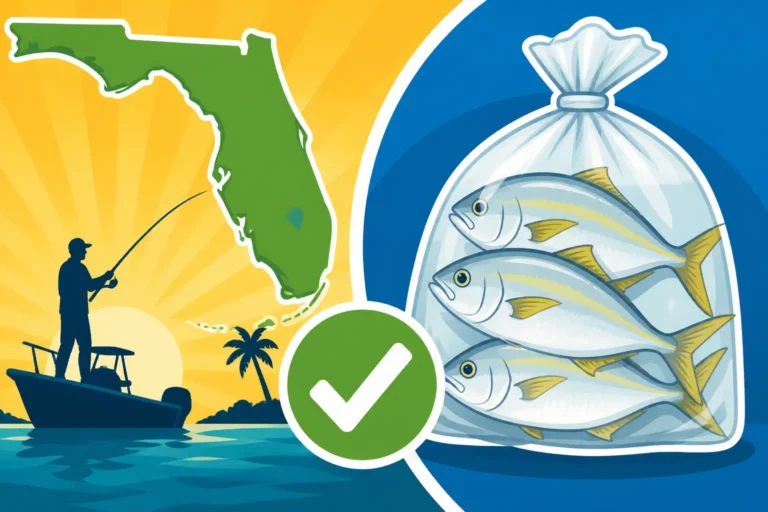
Currently, the Florida Fish and Wildlife Conservation Commission (FWC) has no closed season or size limit for peacock bass. This means that if you catch one, you are generally free to keep it, provided you adhere to the daily bag limit. As of now, anglers are permitted to harvest two peacock bass per day, with only one of those being over 17 inches. It's always a good idea to double-check the latest Florida Fishing Regulations and Bag Limits before heading out, as rules can change. This contrasts sharply with many native sportfish like snook or redfish, which often have strict slot limits and closed seasons.
The relaxed regulations on peacock bass are largely due to their non-native status. They were introduced to Florida's canal systems in the mid-1980s by the FWC as a biological control for undesirable exotic fish species, such as tilapia and cichlids, which were outcompeting native fish. They've since thrived, primarily in South Florida's freshwater canals and interconnected lakes. While they offer fantastic fishing opportunities, managing their population is part of maintaining the balance of Florida's diverse aquatic environments. Always remember that even for non-native species, ethical harvesting practices and adherence to all FWC guidelines, including having a valid Florida Freshwater Fishing License Rules, are paramount.
Ecological Impact of Keeping Peacock Bass
Given their status as an introduced species, harvesting peacock bass can actually be beneficial for Florida's native ecosystems. While they were introduced to help control other non-native species, they can and do prey on native juvenile fish if food sources become scarce. By selectively harvesting peacock bass, anglers play a small but meaningful role in managing their populations and potentially reducing pressure on native species. This is a fascinating aspect of peacock bass fishing – you're not just enjoying a day on the water and bringing home a tasty meal, you're also participating in a unique form of environmental stewardship.
However, it's also worth noting that peacock bass are not considered an invasive species that is spiraling out of control. Their populations are largely confined to the warmer waters of South Florida, particularly the extensive canal systems in counties like Miami-Dade and Broward. They are popular among anglers, both for their fighting prowess and now, hopefully, for their culinary value. So, the next time you're out fishing the canals and hook into one of these beautiful, hard-fighting fish, don't hesitate to consider keeping one or two for dinner. You'll not only enjoy a delicious meal but also contribute to a healthy, balanced fishery. For more information on where to find these fish, check out guides like Where Are Peacock Bass Found in Florida?.
| Cooking Method | Flavor Profile Highlighted | Best for Fillets or Whole Fish? | Ease of Preparation | Recommended Seasonings/Pairings |
|---|---|---|---|---|
| Pan-Frying | Mild, flaky, slightly sweet | Fillets | Easy | Lemon, salt, pepper, garlic powder, cornmeal |
| Grilling | Smoky, firm | Fillets (larger), Whole Fish | Medium | Olive oil, citrus rubs, herbs (cilantro, dill) |
| Baking/Broiling | Moist, delicate | Fillets, Whole Fish | Easy | Vegetables, white wine, butter, paprika |
| Ceviche | Zesty, fresh | Fillets (diced) | Medium (prep time) | Lime juice, red onion, cilantro, chili |
| Fish Tacos | Versatile, flavorful | Fillets (flaked, fried/grilled) | Medium | Cabbage slaw, crema, pico de gallo, hot sauce |
Disclaimer
This article is for general informational purposes only and does not constitute professional advice. Laws, prices and regulations vary by location and change over time. Consult a qualified professional for guidance on your specific situation.