Is Snook Good to Eat?
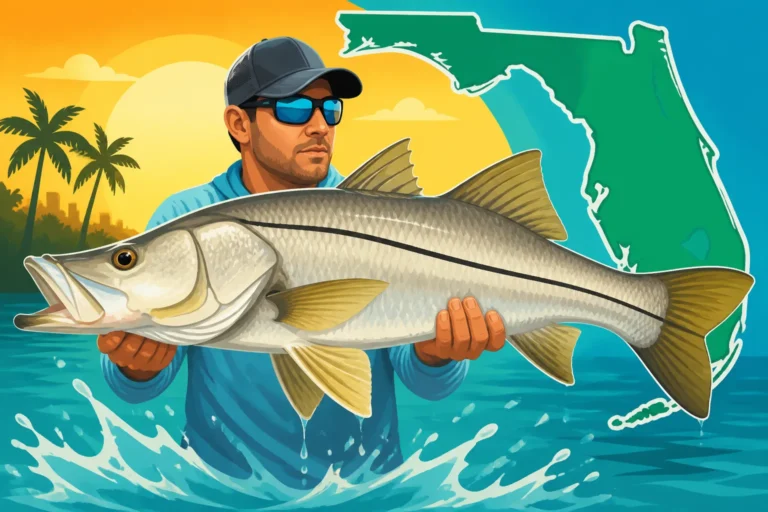
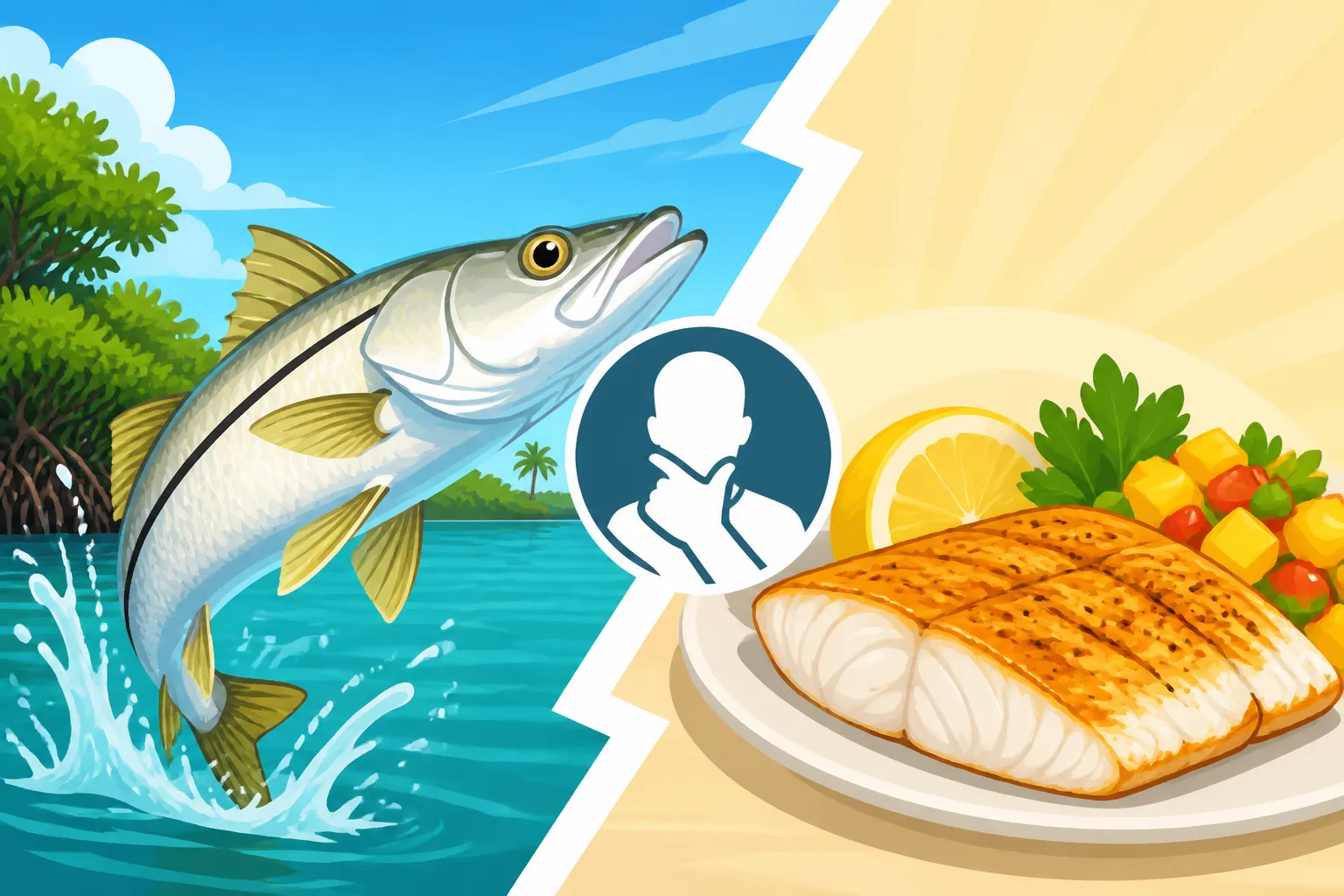
There's nothing quite like the thrill of hooking into a powerful snook, feeling that characteristic head shake, and finally bringing that beautiful fish to the boat or shore. For many anglers, the snook represents the pinnacle of Florida's inshore fishing experience. But once you've admired your catch and adhered to all the local regulations, a common question often pops up in the minds of first-time harvesters: Is this snook good to eat? This guide is here to unravel that mystery, diving deep into the culinary aspects of snook, helping you decide when and how to enjoy this incredible Florida staple responsibly, and what to expect when it lands on your dinner plate.
The Culinary Allure of Snook
Snook are renowned for their strength and acrobatics on the line, making them a favorite target for sport anglers. But their appeal doesn't stop once they're off the hook. Many who have tried it will tell you that snook can be an absolutely delicious table fare, offering a unique flavor and texture that stands out among Florida's vast array of edible fish.
Flavor Profile: What to Expect from Snook
When cooked properly, snook offers a mild, delicate flavor that is clean and slightly sweet. It's not an overly "fishy" taste, which is a huge plus for those who might be hesitant about strong-flavored seafood. Imagine a taste somewhere in the realm of snapper or mahi-mahi, but with its own distinct character. The flavor isn't overpowering, allowing it to take well to a variety of seasonings and cooking preparations, which we’ll delve into later. This subtle taste makes it a fantastic option for even the pickiest eaters, especially when compared to some of the more robust-flavored offshore species. If you've been on the fence, anticipating a strong, gamey flavor, you're in for a pleasant surprise; snook meat is remarkably palatable.
Texture Talk: Firmness and Flakiness
Beyond the taste, the texture of snook meat is a significant part of its culinary appeal. It’s wonderfully firm, yet tender, holding up well to grilling, pan-searing, and even frying without falling apart. When cooked, the flesh separates into large, moist flakes that melt in your mouth. It doesn't have the oily richness of some pelagic species, nor is it as delicate and flaky as a flounder. Instead, it strikes a beautiful balance, providing a satisfying bite without being tough or chewy. The white, opaque flesh is a clear indicator of its lean and desirable texture, making it a chef's delight and a diner's pleasure.
Factors Influencing Taste: Diet, Water, and Size
Like any wild-caught fish, the flavor and quality of snook can be influenced by several factors. One of the most significant is their diet. Snook are opportunistic predators, and what they eat directly impacts their flesh. Fish caught in areas with a plentiful supply of baitfish like pilchards, mullet, and shrimp tend to have a superior flavor. Water quality also plays a crucial role; snook taken from clean, clear waters – whether it's an ocean-fed inlet or a pristine backcountry flat – often taste better than those from murky, brackish, or less healthy environments.
Size is another key consideration. While it's tempting to keep the biggest fish you catch, many experienced anglers and chefs will tell you that smaller, "slot-sized" snook (those within the legal harvest limits) typically offer the best flavor and texture. Larger snook, while impressive, can sometimes have a coarser texture or a slightly stronger flavor. This isn't always the case, but it's a common observation. Remember, adhering to Florida Snook Size and Slot Limits is not just about legality; it's often about optimizing your culinary experience. Furthermore, some anglers swear by removing the prominent dark red lateral line from the fillet, claiming it eliminates any potential "fishy" taste, particularly in larger specimens. This technique is definitely worth trying if you’re concerned about any unwanted flavors.
Preparing Your Snook for the Table
Catching a snook is an achievement, but preparing it correctly is what truly unlocks its culinary potential. From the moment it comes aboard to when it hits the pan, proper handling makes all the difference in ensuring a delicious meal.
The Right Way to Clean and Fillet Your Snook
The journey from water to plate begins with immediate and proper care. As soon as you decide to keep a legal snook, it's paramount to get it on ice. A cooler full of ice is not just for keeping beer cold; it's essential for preserving the quality of your fish. Bleeding the fish immediately after the catch can also significantly improve the flavor by removing blood from the meat, resulting in a cleaner, whiter fillet. Once back on shore, filleting is the next step. Snook are relatively easy to fillet due to their firm flesh and distinct bone structure.
When filleting, ensure your knife is sharp. Start behind the gill plate, cut down to the backbone, and then turn your blade to run it along the backbone towards the tail. Repeat on the other side. Many anglers choose to skin their snook fillets, as the skin can be tough and, for some, impart a stronger taste. As mentioned earlier, carefully removing the dark red lateral line is a tip often shared by seasoned cooks. This strip of darker meat can sometimes have a more intense flavor, and its removal leaves you with pure, white, mild-tasting flesh. There are many great filleting knives and cutting boards available on platforms like Amazon that can make this process smoother and safer for both beginners and experienced hands.
Top Cooking Methods for Snook
Snook's firm, flaky, and mild-flavored flesh makes it incredibly versatile in the kitchen. There are countless ways to prepare it, but some methods truly allow its natural goodness to shine.
- Grilling: This is a fantastic option for snook, especially if you have thicker fillets. A light seasoning of salt, pepper, garlic powder, and a squeeze of lemon before placing it on a medium-hot grill can create a beautiful sear and smoky flavor. The firm texture prevents it from falling through the grates.
- Pan-Searing: For a quick and easy preparation, pan-searing is a winner. A little olive oil or butter in a hot skillet, searing the fillets for a few minutes per side until golden brown and cooked through, yields a tender, flaky result.
- Baking: Baking snook with fresh herbs, citrus slices, and a splash of white wine or broth in a foil packet is a healthy and incredibly moist way to cook it. The steam infusion keeps the fish from drying out.
- Frying: While perhaps not the healthiest, lightly battered and fried snook is a Southern classic. The firm flesh holds up well to frying, creating a crispy exterior and a tender interior.
Regardless of the method, the golden rule for cooking snook (or any fish) is do not overcook it. Snook cooks quickly, and overcooked fish becomes dry and loses its desirable texture. Cook until the flesh is opaque and flakes easily with a fork, typically an internal temperature of around 145°F (63°C).
Seasoning and Pairing Suggestions
Because snook has such a mild flavor, it's a blank canvas for a variety of seasonings. You don't need to overwhelm it with heavy sauces. Simple preparations often highlight its natural taste best.
- Classic Enhancements: A sprinkle of sea salt, freshly cracked black pepper, a squeeze of fresh lime or lemon juice, and a dusting of your favorite all-purpose seafood seasoning (many excellent options can be found on Amazon) are often all you need.
- Herbal Accents: Fresh dill, parsley, cilantro, or thyme can add a fragrant, bright dimension to your snook.
- Citrus & Spice: Consider a marinade of citrus juices (lemon, lime, orange) with a touch of chili powder or paprika for a zesty kick.
- Light Sauces: A simple butter-garlic sauce, a vibrant mango salsa, or a delicate lemon-caper sauce can complement snook beautifully without overshadowing its flavor.
- Pairings: Snook pairs wonderfully with light side dishes like steamed asparagus, rice pilaf, roasted vegetables, or a fresh green salad. Its delicate flavor also makes it an excellent choice for fish tacos or as the star of a light seafood pasta.
Conservation and Ethical Considerations
While snook offers a fantastic meal, it's crucial to remember that they are an iconic and highly regulated species in Florida. Enjoying snook on your plate comes with the responsibility of understanding and respecting conservation efforts to ensure future generations can also experience the thrill of catching, and perhaps eating, these magnificent fish.
Understanding Snook Regulations
Snook populations are carefully managed by the Florida Fish and Wildlife Conservation Commission (FWC) due to their popularity and susceptibility to environmental changes, particularly cold weather events. This means that Florida Snook Season Guide rules are often dynamic and can vary by region. It's not uncommon for seasons to close in specific areas or altogether during certain times of the year, especially during cooler months when snook are more vulnerable, as detailed in Why Florida Closes Snook Season in Winter.
Before planning to harvest a snook, you must check the most current regulations for the specific region and time of year you are fishing. These regulations include strict slot limits (minimum and maximum sizes), bag limits (how many you can keep), and closed seasons. Failing to adhere to these rules can result in significant fines and penalties. Remember, a valid Florida fishing license is also required for anyone looking to harvest fish, and it's essential to understand the general Florida Fishing License Guide requirements.
The Importance of Catch and Release for Large Snook
Beyond the legal slot limits, there's a strong ethical component to snook fishing, especially concerning larger fish. Snook are slow-growing, long-lived fish, and the largest individuals are typically the most prolific breeders. These "brood stock" snook are vital for the health and sustainability of the population. For this reason, many conservation-minded anglers practice "catch and release" for all snook, particularly the larger ones, even if they fall within a legal harvest slot.
The adage "let 'em go, let 'em grow" rings especially true for snook. Releasing these powerful fish ensures they can continue to spawn and contribute to the population's future. If you do catch a trophy-sized snook, embracing Catch and Release Best Practices for Snook is a profound way to contribute to conservation. This means minimizing their time out of the water, handling them gently, and ensuring a proper release to maximize their survival chances. Think about it: a picture with a big breeder fish lasts a lifetime, but that fish producing thousands of offspring is even better!
Responsible Harvest Practices
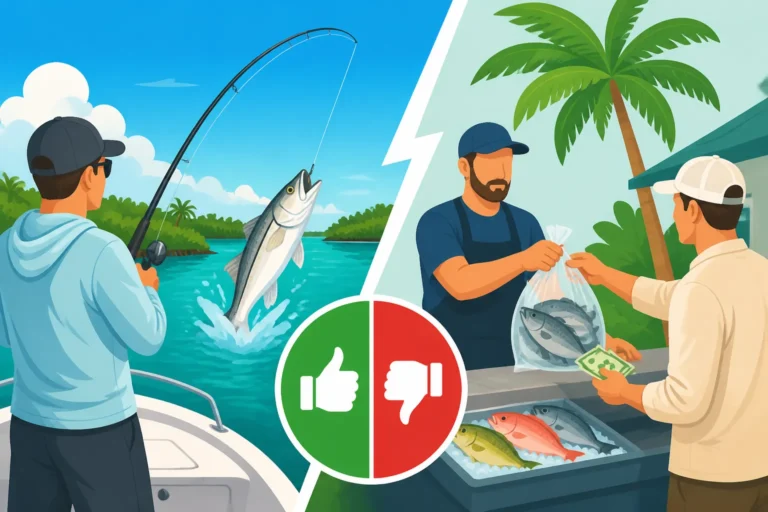
For those occasions when you do choose to harvest a legal snook for the table, doing so responsibly is key. This means only keeping fish that meet all current legal requirements and only keeping what you realistically plan to eat. There's no point in harvesting a fish only for it to go to waste. Understanding How Many Snook Can You Keep in Florida? is fundamental to responsible harvesting. The regulations are designed to allow for sustainable recreational harvest while protecting the overall population.
Responsible harvesting also involves respecting the fish itself. Use appropriate gear to avoid unnecessarily stressing the fish, learn about What Pound Test Line for Snook Fishing? for various scenarios, and be prepared to dispatch and ice down any kept fish quickly and humanely. Each snook harvested is a valuable resource, and treating it with respect throughout the process, from catch to kitchen, is part of being a true steward of Florida's fisheries. Don't forget that fish also get impacted by environmental changes, and knowing What Happens to Snook During a Cold Snap? helps in understanding their vulnerability.
Storage and Freshness: Keeping Your Snook Delicious
You've done everything right: caught a legal snook, prepared it carefully, and now you're ready to cook. But what if you have more than you can eat in one sitting, or you want to ensure the fillets are at their peak freshness? Proper storage is just as critical as proper preparation.
Immediate Care After the Catch
The quality of your snook on the plate starts the moment it leaves the water. As soon as you decide to harvest a snook, the absolute most important thing you can do is get it on ice, immediately. Don't let it bake in the sun in a livewell or on the deck. A rapidly chilled fish will have firmer flesh and a much cleaner flavor profile. Many anglers also choose to bleed their fish as soon as it's caught. This involves making a quick cut near the gills to allow the blood to drain, which helps remove impurities and results in whiter, milder-tasting fillets. A good cooler, perhaps one from YETI or Engel, packed with plenty of ice, is an essential piece of equipment for any serious angler. This immediate care prevents bacterial growth and the breakdown of muscle tissue, which are the main culprits behind "fishy" tastes.
Refrigeration and Short-Term Storage
Once you've filleted your snook, if you plan to cook it within a day or two, refrigeration is your best bet. Wrap the fillets tightly in plastic wrap or place them in an airtight container to protect them from air exposure and prevent them from absorbing odors from other foods in your fridge. Store them in the coldest part of your refrigerator, usually the bottom shelf. While refrigerated snook is best consumed within 1-2 days, some might argue it can last up to 3 days if handled impeccably. However, for optimal taste and texture, closer to the catch date is always better. Remember, freshness is fleeting, and the sooner you enjoy your catch, the better the experience.
Freezing for Longer Periods
If you've managed to catch a couple of legal snook and want to preserve some for a later date, freezing is the way to go. The key to successful freezing is minimizing air exposure and preventing freezer burn, which can dry out the fish and give it an unpleasant texture.
Here are a couple of popular methods for freezing snook fillets:
- Vacuum Sealing: This is arguably the best method. A vacuum sealer removes all air from the packaging, creating an airtight seal that dramatically extends the freezer life of your fish. Vacuum-sealed snook fillets can maintain their quality for several months, often up to a year. You can find excellent home vacuum sealer systems and rolls of bags on Amazon.
- Water Glazing: If you don't have a vacuum sealer, water glazing is a good alternative. Place your fillet in a freezer-safe container or bag, then cover it completely with water before freezing. The layer of ice acts as a barrier, protecting the fish from freezer burn. Once frozen, you can transfer the icy block to a freezer bag. This method works well for a few months.
Always label your frozen packages with the date to ensure you consume them within their optimal window. When you're ready to cook, thaw frozen snook slowly in the refrigerator overnight for the best results, rather than attempting to quick-thaw it at room temperature or in hot water. This gradual thawing helps maintain the fish's texture and moisture. This mindful approach to storage ensures that even weeks or months later, your snook will still deliver a delicious meal, reminiscent of the day you caught it.
| Culinary Aspect | Description | Considerations |
|---|---|---|
| Flavor Profile | Mild, delicate, slightly sweet, clean taste. Not overtly "fishy." | Varies slightly based on diet and water quality. Less robust than some offshore species. |
| Texture | Firm, moist, and flaky when cooked. Holds together well. | Smaller fish often have a finer texture; larger fish can be slightly coarser. |
| Best Size to Eat | Slot-sized snook (legal harvest size) generally preferred for optimal taste and texture. | Larger, trophy snook are often released for breeding purposes. |
| Cleaning Prep | Bleed immediately, ice down rapidly. Remove skin and lateral line for a cleaner flavor. | Sharp knife essential for clean fillets. |
| Versatility | Excellent for grilling, pan-searing, baking, and frying. Takes well to various seasonings. | Avoid overcooking to maintain moisture and texture. Simple seasonings often best. |
| Conservation | Highly regulated species with strict slot limits and seasons. Essential to check current FWC rules. | Consider catch-and-release for larger breeding fish. Best Time of Year to Catch a Trophy Snook is a good time to release big ones. |
| Storage | Ice immediately. Refrigerate for 1-2 days. Vacuum seal or water glaze for longer-term freezing. | Proper storage prevents spoilage and freezer burn, preserving quality. |
Disclaimer
This article is for general informational purposes only and does not constitute professional advice. Laws, prices and regulations vary by location and change over time. Consult a qualified professional for guidance on your specific situation.