Why Florida Closes Snook Season in Winter
It can be incredibly disheartening to plan a winter fishing trip to Florida, only to discover that the snook season is closed. Many anglers scratch their heads, wondering why this iconic sportfish is off-limits when other species are fair game. This guide will dive deep into the crucial biological and conservation reasons behind Florida's winter snook season closures, helping you understand the "why" and offering insights into how you can still enjoy the waters responsibly.
The Unique Vulnerability of Snook to Cold Weather
Snook are truly remarkable fish, known for their powerful strikes and acrobatic fights, making them a top target for many Florida anglers. However, these subtropical beauties have a significant Achilles' heel: cold water. Unlike some other fish that can tolerate a wider range of temperatures, snook are particularly susceptible to drops in water temperature, which can quickly turn a thriving fishery into a vulnerable population.
Snook's Sensitivity to Temperature Drops
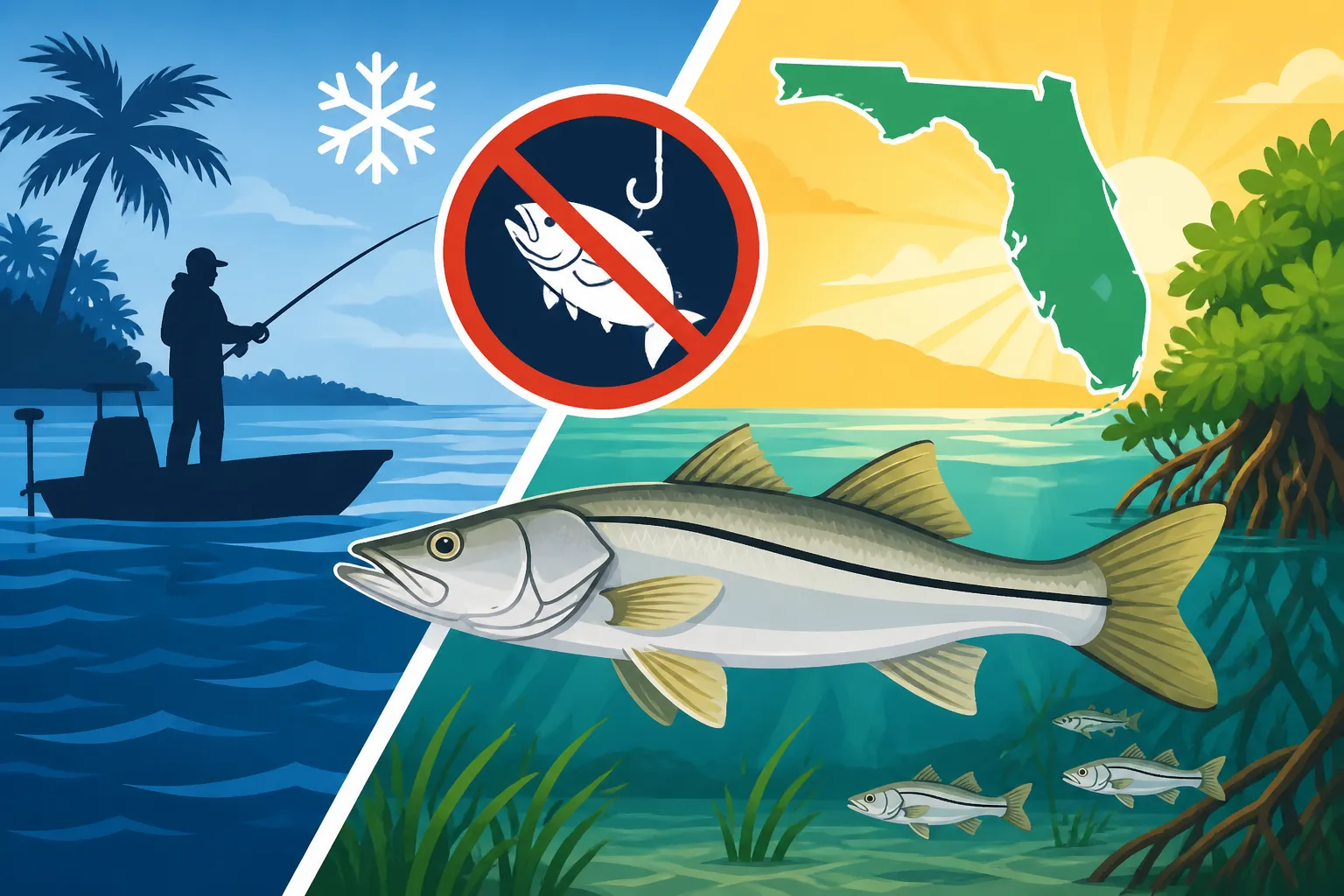
Imagine yourself trying to function normally when the temperature suddenly plummets and you're not dressed for it. That's a bit like what happens to a snook when cold weather hits. Snook are warm-water fish, and their physiology is finely tuned to the balmy climate of Florida. Their metabolism, which controls everything from how they digest food to how quickly they can react to predators or prey, slows dramatically as water temperatures fall. When the mercury in the water drops below certain thresholds, typically in the low to mid-60s Fahrenheit, snook become sluggish. They move slower, feed less, and generally become less active. This isn't just a slight inconvenience for them; it can be a matter of survival. Their immune systems can also be compromised, making them more susceptible to diseases. If the cold snap is prolonged, or the temperatures dip even further, below 55 degrees Fahrenheit, their ability to regulate their bodily functions can be severely impaired, leading to a state of shock or "cold stun." This vulnerability is a primary driver behind the Why Florida Closes Snook Season in Winter regulations.
For anglers, this sluggishness can sometimes make them seem easier to catch, almost too easy. They might stack up in warmer pockets, like deep canals or spring-fed areas, and become less wary. While this might sound like a dream scenario for filling a cooler, it's actually a huge red flag for fisheries management. Allowing harvest during these times would concentrate fishing pressure on a highly vulnerable population, leading to rapid depletion of stocks. This is precisely what conservation efforts aim to prevent.
Shallow Water Habitats and Exposure Risks
A significant part of the snook's charm and challenge lies in their preference for shallow, inshore habitats. You'll often find them lurking in mangrove estuaries, under docks, along grass flats, and in brackish canals. These areas provide excellent ambush points for prey and protection from larger predators, but they come with a major downside during winter: thermal instability. Shallow waters heat up and cool down much faster than deeper offshore waters. Think about a puddle on a hot sidewalk versus the ocean; the puddle's temperature changes rapidly.
When a severe cold front pushes through Florida, the shallow flats and canals can become deadly cold traps for snook. Unlike fish that can simply move to deeper, more stable thermal environments, snook in these skinny waters have limited escape routes. They might try to move into deeper channels or canals, or seek out areas with warmer outflow from power plants or natural springs, but these spots are often limited and can become overcrowded. If they can't find adequate thermal refuge, they're stuck. We've all heard stories, or even seen pictures, of snook huddled together in canals, barely moving, after a particularly harsh winter night. This increased exposure and inability to escape dangerously cold temperatures contribute significantly to the need for protective closures.
"Cold Stun" Events and Their Devastating Impact
The term "cold stun" is something every Florida angler dreads. It refers to a state where a fish, typically a cold-sensitive species like snook, becomes incapacitated due to extremely low water temperatures. When the water gets too cold, their nervous system and muscles stop functioning correctly. They lose their equilibrium, start swimming erratically, and eventually become completely immobile, floating belly-up or sinking to the bottom, often still alive but unable to move or react. This isn't just a minor setback; it's a critical threat to their survival.
During severe freeze events, Florida has experienced widespread snook "cold stun" incidents, leading to mass mortalities. These events can wipe out significant portions of the snook population, especially in certain regions. Recovering from such a devastating loss takes years, sometimes decades, even with strict fishing regulations in place. The winter season closure is a proactive measure designed to minimize additional stress and mortality on snook populations that are already teetering on the edge of survival during these unpredictable cold snaps. It's an essential part of the larger Florida Snook Season Guide strategy to ensure these fish are around for future generations.
Conservation Efforts and Management Strategies
The decision to close snook season in winter isn't made lightly; it's a careful, science-backed strategy by wildlife agencies to protect a valuable natural resource. It's all about ensuring the long-term health and abundance of snook populations, even if it means temporary restrictions for anglers.
Protecting Spawning Aggregations (Even in Winter)
While snook are famously known for their summer spawning aggregations, typically occurring in the warmer months when they move to passes and nearshore waters, it's important to recognize that their overall reproductive cycle can be influenced by environmental stress. Even outside the peak summer spawning, the general health and energy reserves of snook are vital for successful reproduction in the following season. When snook are severely stressed by cold temperatures in winter, their physiological processes, including those related to gonad development and energy storage for spawning, can be negatively impacted. A cold-stressed fish may not die outright, but its ability to successfully reproduce later could be compromised.
Therefore, the winter closure isn't just about protecting fish from immediate cold-induced death; it's also about giving them a chance to recover from the stress of cold weather, conserve energy, and build up the necessary reserves for a healthy spawning season in the spring and summer. By minimizing human interaction and harvest during these vulnerable periods, agencies help ensure that a robust population is ready to reproduce when conditions are optimal. This holistic approach to conservation considers the entire life cycle and all factors that can affect reproductive success, underscoring the importance of regulations like Florida Snook Size and Slot Limits to maintain healthy populations.
Mitigating Harvest Pressure on Stressed Fish
One of the most compelling reasons for the winter snook closure is to prevent excessive harvest of vulnerable fish. As mentioned, snook become lethargic and less evasive in cold water. They tend to congregate in warmer spots, making them easier targets for anglers. Imagine a scenario: a bitter cold front rolls in, and you know there's a deep canal holding a large number of sluggish snook. Without a closure, an ethical dilemma quickly arises. While many anglers would practice catch and release, the sheer concentration of fish and their diminished fighting capability would inevitably lead to increased incidental mortality from stress or, unfortunately, intentional overharvest by some.
Closing the season during these vulnerable times removes the temptation and the opportunity for anglers to take advantage of the snook's compromised state. It levels the playing field, ensuring that the fish have a better chance of surviving the cold and bouncing back when conditions improve. This mitigation of harvest pressure is a critical tool in preventing localized overfishing and safeguarding the overall snook population. The funds from your Florida Fishing License Guide are vital for enforcing these regulations and conducting the research needed to make such informed decisions.
Adaptive Management and Data-Driven Decisions
Florida's fisheries management is not a static process; it's a dynamic system based on scientific research, ongoing monitoring, and adaptive strategies. The Florida Fish and Wildlife Conservation Commission (FWC) continuously collects data on snook populations, water temperatures, and the impact of environmental events like cold snaps or red tides. This data-driven approach means that regulations, including season closures, are not arbitrary but are carefully considered based on the best available science. For example, if a winter is particularly mild, there might be fewer concerns about cold-related mortality, potentially influencing future season structures. Conversely, a severe winter will reinforce the need for strict protections.
The FWC utilizes sophisticated models and population assessments to understand the health of snook stocks and predict how different management actions will affect them. They also engage with anglers and stakeholders to gather input, though the final decisions are rooted in scientific necessity. This adaptive management allows for flexibility and responsiveness to changing environmental conditions, ensuring that conservation efforts are as effective as possible. Always check the official FWC website or the GoOutdoors Florida app for the most current Florida Snook Closed Season Dates and Florida Fishing Regulations and Bag Limits, as these can be updated based on real-time data and scientific recommendations.
Here's a quick look at how snook's winter vulnerability compares to some other popular Florida sportfish:
| Species | Primary Winter Vulnerability | Typical Cold Tolerance (Approx. Lowest F) | Winter Behavior | Season Status (General) |
|---|---|---|---|---|
| Snook | Extreme cold stun, mortality | 55-60°F | Lethargic, seeks warm refuges, stops feeding | Closed (regions vary) |
| Redfish | Cold stun (less severe), sluggish | 50-55°F | Schooling in deeper channels, some feeding | Open (size/bag limits apply) |
| Spotted Seatrout | Less sensitive cold stun | 45-50°F | Moves to deeper grass flats, slow feeding | Open (size/bag limits apply) |
| Largemouth Bass | Very low vulnerability | 40-45°F | Moves to deeper water, slows feeding, still active | Open (no closed season) |
| Tarpon | Extreme cold stun, mortality | 50-55°F | Migrates south or to deep canals/power plants, often ceases feeding | Open (specific permit/regulations) |
Note: This table provides general guidance. Specific temperatures and behaviors can vary based on water body, fish size, and individual fish health.
Practical Implications for Anglers During Winter Closures
So, the snook season is closed in winter. Does that mean you have to hang up your rods and reels until spring? Absolutely not! Florida offers incredible fishing year-round, and the winter closure for snook is an opportunity to explore new species, hone different techniques, and practice responsible angling.
Catch-and-Release Best Practices for Snook in Winter
Even with a closed season, you might still encounter snook during your winter fishing adventures, especially if you're targeting other species in their preferred warm-water refuges. When you do, practicing exemplary catch-and-release techniques is not just recommended, it's absolutely crucial for these already stressed fish. A snook caught in cold water is often fighting for its life, and improper handling can be its undoing. The goal is to minimize stress and ensure the fish has the best possible chance of survival.
First, reduce fight time as much as possible. Use appropriate tackle, like a medium-heavy setup with strong enough line (perhaps 30-40lb braid with a 40-60lb fluorocarbon leader, depending on the snook's size) to quickly subdue the fish without over-exhausting it. You can find excellent quality rods and reels suitable for inshore fishing on Amazon that will help you land fish efficiently. Second, keep the fish in the water as much as possible. Avoid taking it out for hero shots, especially if it's struggling. If you must lift it, support its entire body horizontally to prevent damage to internal organs, and never hold it by the jaw vertically. Tools like a dehooker or long-nose pliers are essential for quick and clean hook removal, and a good quality, rubber-coated landing net (also easily found on Amazon) can help land the fish safely without removing its protective slime layer. Finally, revive the fish thoroughly before releasing it. Hold it gently in the water, facing into the current, until it regains its strength and can swim away on its own. For more detailed guidance, check out Catch and Release Best Practices for Snook.
Exploring Alternative Winter Species
While snook may be off the menu for harvest, Florida's diverse fisheries offer a plethora of other exciting species to target during the cooler months. This is a fantastic opportunity to broaden your angling horizons! Redfish, for instance, are often very active in winter. They'll school up in deeper channels and on sun-warmed flats, providing excellent sight-fishing opportunities. Best Live Bait for Florida Inshore Fishing like shrimp or mud minnows can be deadly, or you can opt for artificial lures. Spotted seatrout are another popular winter target, often found over grass flats or near oyster bars. They might move to slightly deeper water than in summer, but they remain a reliable catch.
Freshwater anglers have plenty to look forward to as well. Largemouth bass fishing can be phenomenal in winter, particularly on sunny days when bass move to shallower, warmer areas to feed. Crappie, bluegill, and various catfish species are also active and can provide steady action. Consider exploring locations like Best Piers for Fishing Without a Boat or Best Bridges for Shore Fishing in Florida, which often hold a variety of species during cooler temperatures. Expanding your target species not only keeps your lines wet but also deepens your understanding of Florida's incredible aquatic ecosystems.
Monitoring Regulations and Local Conditions
Staying informed is perhaps the most important "practice" for any angler, especially during a time when specific species have seasonal closures or changing regulations. Always, and I mean always, check the latest regulations before you head out. The Florida Fish and Wildlife Conservation Commission (FWC) is your primary resource. Their website is full of up-to-date information, and they also offer the GoOutdoors Florida app, which many anglers find incredibly useful for checking licenses, regulations, and even reporting catches. Digital tools and resources like this are invaluable for staying current, and many anglers even keep a small, waterproof field guide or regulation summary with their tackle, which can often be purchased from retailers like Amazon.
Beyond just the statewide rules, keep an eye on local conditions. Winter weather in Florida can be unpredictable. A sudden cold front can drastically change fish behavior and even trigger emergency closures if conditions become severe enough. Pay attention to local weather forecasts, water temperature reports, and any FWC advisories. Understanding What Happens to Snook During a Cold Snap? will help you make better decisions about where and how to fish, even if it means adjusting your plans to target species that are less affected by the cold. Being a responsible angler means being knowledgeable and adaptable, ensuring you contribute to the conservation efforts that keep Florida fishing world-class.
Disclaimer
This article is for general informational purposes only and does not constitute professional advice. Laws, prices and regulations vary by location and change over time. Consult a qualified professional for guidance on your specific situation.