How Big Do Snook Get in Florida?
It's one of the most exciting questions any angler asks when they think about Florida fishing: "Just how big do snook get?" We've all seen those incredible photos of someone wrestling a giant snook, and it makes you dream of landing one yourself. But the truth is, while snook can grow to impressive sizes, the average catch is often different from those trophy shots. This guide will dive deep into the fascinating world of snook growth, what you can typically expect to catch, and what goes into creating those truly gargantuan fish that capture our imaginations and fill our bragging rights.
Understanding Snook Growth and Average Sizes in Florida
When you're out on the water, whether you're casting lures in a mangrove estuary or soaking bait near a residential dock light, you're likely to encounter snook of varying sizes. The "average" snook can be a bit of a moving target, depending on where you are and what type of fishing you're doing, but there are some general expectations we can set.
Typical Snook Sizes You'll Encounter
For many anglers, a typical snook might fall anywhere from 20 to 30 inches. These are the fish that provide thrilling fights on light to medium tackle, are common in many inshore habitats, and are often what anglers catch most frequently, especially those new to targeting snook. These fish are strong, acrobatic, and always a blast to reel in. You'll find them cruising along mangrove edges, ambushing baitfish near seawalls, or hiding in the deeper pockets of grass flats. They are the backbone of Florida's snook fishery, offering consistent action for both experienced anglers and excited beginners.
If you're an experienced angler who spends a lot of time specifically targeting snook, you might consistently hook into fish in the 30 to 35-inch range. These are mature, powerful fish that demand respect and a bit more skill to land. They can peel line off your reel with incredible speed and power, making every hook-up an adrenaline rush. These larger "average" snook are often found in areas with abundant food and good cover, like larger passes, deeper channels, and around significant structure. They've learned a few tricks over the years, making them a worthy opponent for any angler.
The "Trophy" Snook: What Qualifies?
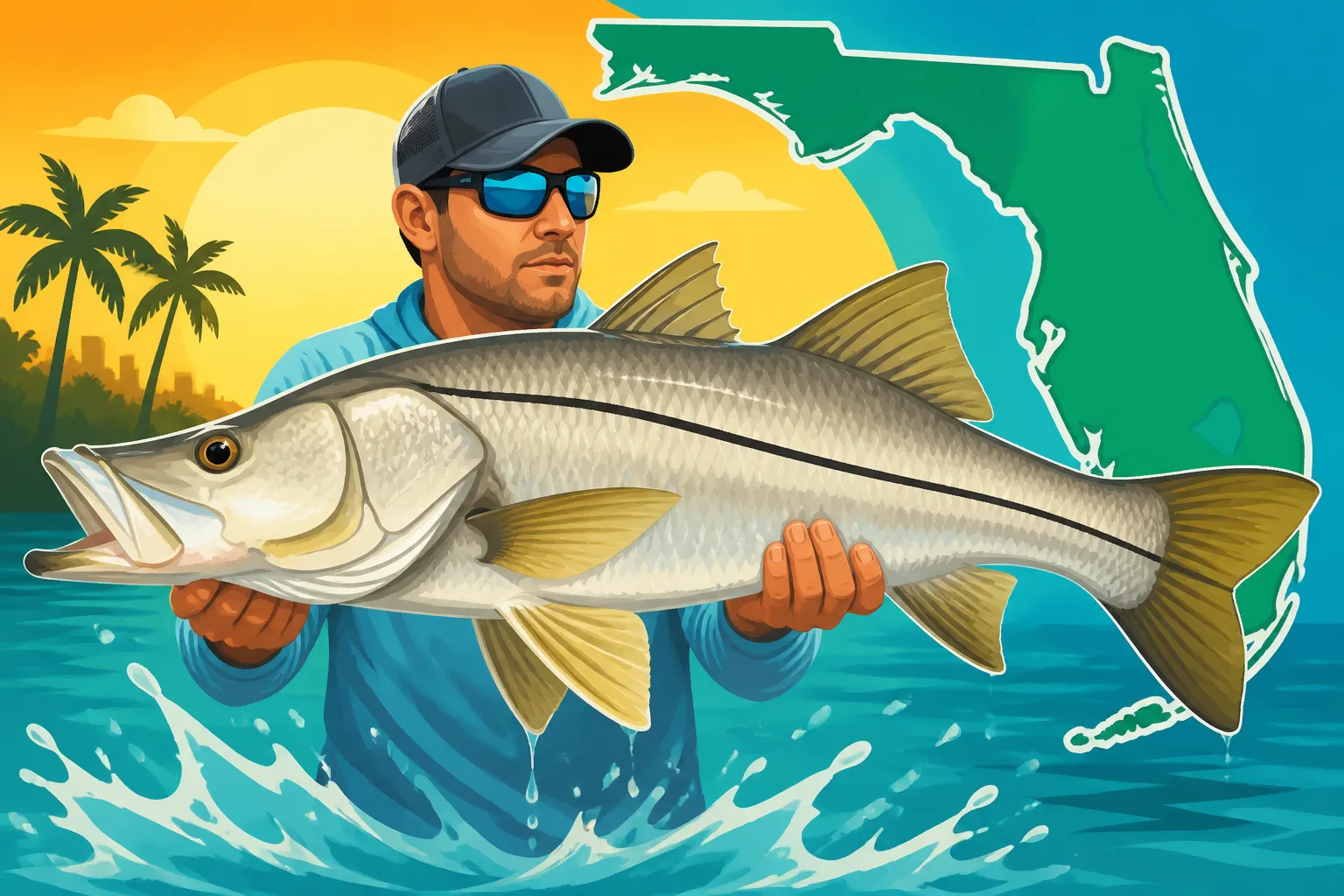
So, what makes a snook a "trophy" in Florida? While personal definitions vary, most anglers would agree that a snook measuring 40 inches or more is a true trophy. These are exceptional fish, often weighing in at double-digit pounds, sometimes pushing into the upper teens or even twenty pounds. Catching a snook of this caliber is often the highlight of an angler's year, if not their entire fishing career. They are cunning, incredibly powerful, and represent the pinnacle of the species' growth. Imagine the thrill of seeing a massive shadow emerge from the darkness under a dock light, or a huge swirl on a shallow flat, only for your bait to disappear and your reel to scream!
Trophy snook are a testament to the health of Florida's ecosystems and the effectiveness of conservation efforts, including strict Florida Snook Size and Slot Limits. Because these larger fish are often the most productive spawners, responsible angling practices like careful catch-and-release are paramount to ensuring future generations of big snook. Targeting these giants often requires specialized gear and techniques, a keen understanding of their habits, and a good dose of patience. Many anglers dedicate years to the pursuit of a true trophy snook, knowing that it's a rare and unforgettable achievement.
Factors Influencing Snook Size and Longevity
Snook are a fascinating species, and their growth isn't just a matter of time. Several interconnected factors play a crucial role in how large they ultimately become and how long they live in Florida's diverse waters. Understanding these influences can even help you predict where you might encounter larger specimens.
Habitat and Food Availability
Just like any other creature, snook thrive in environments that offer them everything they need to grow big and strong. A healthy habitat is paramount. This means estuaries with vast, intact mangrove forests provide crucial nursery grounds and adult shelter. These complex root systems offer protection from predators and act as prime ambush points for hunting. Similarly, expansive seagrass flats are teeming with baitfish and crustaceans, providing an endless buffet for growing snook. When snook have consistent access to a rich and varied diet—think mullet, pilchards, pinfish, and shrimp—they can grow at an accelerated rate.
Conversely, degradation of these critical habitats due to development, pollution, or natural disasters like hurricanes can severely impact snook populations and their maximum size potential. A snook in a stressed environment might struggle to find enough food, leading to slower growth and a smaller overall stature. Areas like the Indian River Lagoon or the vast backcountry of the Everglades, which boast incredible biodiversity, are often prime locations for finding larger, healthier snook because their food sources are so abundant. A well-fed snook is a happy, growing snook!
Age and Genetics
Naturally, age is a significant factor in how big a snook gets. Snook are relatively long-lived fish, with some individuals reaching ages of 15 years or more. Like humans, they grow steadily over time, though their growth rate typically slows down once they reach sexual maturity. A snook's size is also influenced by its genetics. Just as some people are naturally taller, some snook are genetically predisposed to grow larger and faster than others within the same population. These "super-growers" are often the fish that push the boundaries of typical sizes and contribute to the awe-inspiring state records.
It's a delicate balance; while an old snook is usually a big snook, an old snook in a resource-poor environment won't reach its full genetic potential. Their lifespan, combined with good genes and a thriving ecosystem, allows certain individuals to become those truly giant fish that we all dream of catching. Understanding their life cycle helps us appreciate the journey a trophy snook takes to reach its impressive size.
Fishing Pressure and Management
Fishing pressure, while seemingly counterintuitive, also plays a critical role in the average and maximum sizes of snook we see. Unregulated fishing could lead to overharvesting of larger, older fish, reducing the gene pool for big snook and potentially shrinking the average size of the population over time. This is where robust management strategies come into play. Florida has carefully crafted regulations, including slot limits, bag limits, and seasonal closures, designed to protect snook. For instance, Florida Snook Season Guide details when and where snook can be harvested.
These regulations ensure that juvenile snook have a chance to grow, and importantly, that large, mature breeding fish are protected, especially during their spawning periods. By releasing the largest snook, anglers contribute directly to the species' reproductive success and the continued presence of trophy-sized fish in our waters. These practices allow snook to live longer, grow larger, and reproduce, sustaining a healthy population for future generations of anglers. Responsible angling, often guided by conservation principles, is key to the ongoing success of Florida's world-class snook fishery.
Record-Breaking Snook and the Pursuit of Giants
Every angler, deep down, harbors the dream of catching a fish that breaks records or becomes a legend. For snook fishermen in Florida, this dream is particularly vivid, given the species' impressive potential for size and fighting prowess.
Florida State Records and Near-Record Catches
Florida is home to some truly massive snook, and the state record is a testament to the incredible growth potential of these fish. While I can't give you the exact current weight of the record-holder (you'd have to check the latest FWC records for that, and they do change!), rest assured it's a substantial fish, likely weighing in the mid-40-pound range, and almost certainly over 45 inches in length. Imagine the sheer power of such an animal! Catching a fish of that magnitude is a once-in-a-lifetime event, requiring an incredible combination of luck, skill, and being in the right place at the right time.
These record-breaking fish usually come from areas with abundant food sources and minimal environmental stress, often in the warmer, southern regions of the state. There are countless stories of "almost" record fish, of anglers battling monsters only to have them break off at the boat, or of fish that were released after a quick measurement, just shy of the official record. These near-record catches are almost as legendary as the records themselves, fueling the passionate pursuit among Florida's dedicated snook anglers. The pursuit of a giant snook is a quest that captures the imagination and provides endless tales of the ones that got away and the ones that made history.
How Anglers Target Larger Snook
Targeting those truly massive snook isn't just about throwing out a line; it's an art and a science that requires dedication and a specific approach. First, location is key. Giant snook are typically found in areas with deep pockets, strong currents, and plenty of cover, such as large inlets, deep residential canals, or around major bridge pilings. They often prefer to feed during strong tides, particularly around the new and full moons, which can influence their feeding behavior significantly. Knowing What Tide Is Best for Snook Fishing? can make all the difference.
When it comes to bait, live bait is often preferred for trophy snook. Large, lively baits like mullet, pilchards, or even small ladyfish or pinfish are irresistible to a big snook. Anglers might also use large, robust artificial lures, such as big swimbaits or topwater plugs, especially when fishing at night around dock lights where these giants often cruise. Gear is also critical: you need a powerful rod with plenty of backbone, a reel with a smooth, strong drag, and heavy enough line to handle the brutal runs and head shakes of a large snook. Many anglers invest in quality tackle, perhaps browsing options on Amazon, to ensure their gear can stand up to the challenge. Don't forget a sturdy leader; a massive snook can easily fray through light line. Successfully landing a monster snook often culminates a lifetime of learning Florida Inshore Fishing Techniques and mastering every aspect of the game.
Practical Considerations for Anglers
While the pursuit of a trophy snook is exhilarating, it's equally important to approach snook fishing with a strong sense of responsibility and equipped with the right tools. Our actions on the water directly impact the health and future of this incredible fishery.
Importance of Slot Limits and Conservation
Florida's snook regulations are carefully designed to protect the species and ensure its long-term viability. The slot limit, for example, dictates a specific size range within which snook can be legally harvested. This means that juvenile fish are protected until they have a chance to grow and mature, and crucially, the largest, most reproductively valuable fish are also protected. These big broodstock snook are vital for spawning, contributing significantly to the next generation of snook. If you're ever in doubt about the current regulations, always consult the Florida Fish and Wildlife Conservation Commission (FWC) website or app.
Adhering to these rules is not just about legality; it's a commitment to conservation. Releasing those oversized snook, even if they're absolute monsters, is one of the most impactful things an angler can do for the fishery. Understanding and practicing Catch and Release Best Practices for Snook is essential. This means minimizing their time out of water, handling them gently with wet hands, supporting their weight properly, and using appropriate tools to safely remove hooks. Every snook safely released is an investment in the future of Florida fishing.
Gear for Handling Larger Snook
When you hook into a really big snook, it's a battle. These fish are notorious for their powerful runs, head shakes, and their tendency to try and wrap you around any available structure. Having the right gear isn't just about landing the fish; it's about doing so efficiently and minimizing stress on the animal, especially if you intend to release it. For targeting large snook, a medium-heavy to heavy action spinning rod or baitcasting rod, often between 7 to 8 feet long, is ideal. Pair this with a robust reel capable of holding ample line and providing a smooth, consistent drag. You'll want to consider What Pound Test Line for Snook Fishing?, often 20-40lb braided line, paired with a stout fluorocarbon leader.
When it comes to landing and handling, skip the small landing net. A large, rubberized net is far better as it protects the fish's slime coat and fins. For truly big snook, many experienced anglers prefer to use a lip-gripping device, like a BogaGrip (widely available on Amazon), to safely control the fish boatside for a quick photo and release without touching its body. This minimizes stress and injury. Always have de-hooking tools readily available to quickly remove hooks. Investing in the proper tools, whether a high-quality rod, a reliable reel, or essential handling gear, helps ensure both your success and the well-being of the magnificent snook you encounter. After all, a healthy fishery means more big snook to chase for years to come.
Snook Size Comparison
To give you a clearer picture, here's a general comparison between what's considered a typical "average" snook and a "trophy" snook in Florida waters. Remember, these are broad categories, and individual fish will always vary!
| Characteristic | Typical "Average" Snook | "Trophy" Snook |
|---|---|---|
| Length Range | 20-30 inches (common) to 30-35 inches (experienced) | 40+ inches |
| Weight Range | 3-10 lbs (common) to 10-15 lbs (experienced) | 18+ lbs, potentially into the 20s or 30s |
| Age | 2-8 years | 10-15+ years |
| Habitat Preference | Mangrove edges, grass flats, small creeks, residential docks | Deep inlets, major passes, large bridges, deep canals |
| Bait Preference | Live shrimp, small baitfish, artificial lures | Large live bait (mullet, pilchards, ladyfish), large artificials |
| Fight Intensity | Strong, acrobatic, good runs | Extremely powerful, long runs, heavy head shakes, structure-oriented |
| Rarity of Catch | Common to frequent | Rare, often a once-in-a-lifetime fish |
Disclaimer
This article is for general informational purposes only and does not constitute professional advice. Laws, prices and regulations vary by location and change over time. Consult a qualified professional for guidance on your specific situation.