Is Tarpon Good to Eat?
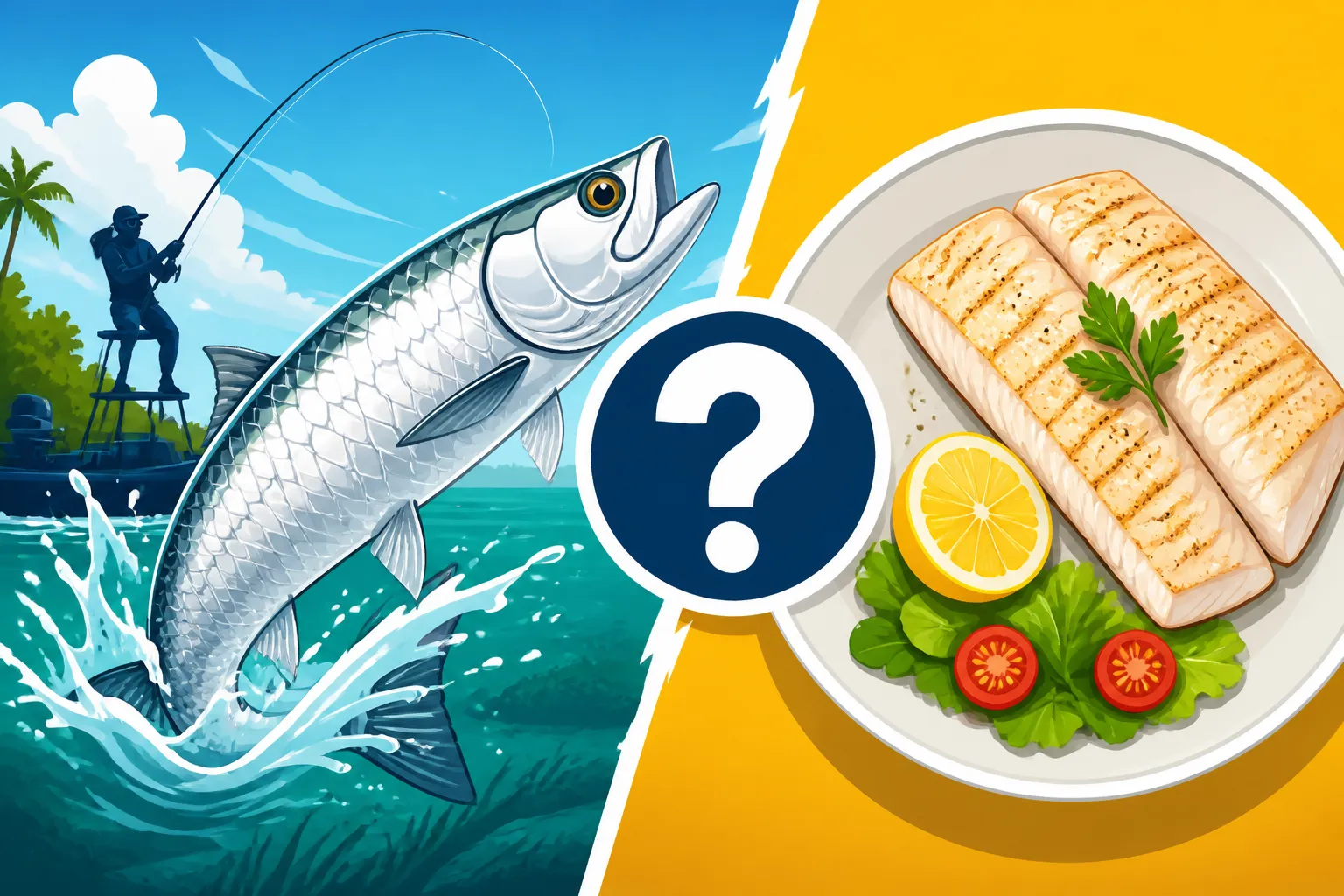
It's a question every passionate angler in Florida eventually asks, often while wrestling with a magnificent, silver-scaled beast that leaps and fights with incredible vigor: "Is tarpon good to eat?" The truth is, while the thrill of catching a tarpon is unmatched, the experience of eating one is usually far less appealing. This guide will dive deep into why the "Silver King" of Florida fishing is generally considered a poor table fare, exploring the reasons behind its reputation, the strong catch-and-release ethos, and the legal and ethical considerations that keep most anglers from putting them on a plate.
The Culinary Realities of Tarpon: Why They're Not on the Menu
Let's cut to the chase: if you're looking for a delicious fish dinner, tarpon isn't it. Despite their impressive size and the epic battle they provide on the line, tarpon are almost universally regarded as undesirable for consumption. This isn't just a matter of preference; there are several very practical and sensory reasons why they simply don't make good table fare.
Taste and Texture: A Disappointing Experience
When you envision a tasty fish, you likely think of delicate, flaky white meat with a mild flavor. Tarpon, unfortunately, delivers quite the opposite. Their flesh is often described as dark, tough, and riddled with a strong, "fishy," and sometimes even muddy or metallic taste. It's a flavor profile that many find overpowering and unpleasant, especially compared to the sweet, subtle notes of other popular Florida fish. The texture is also a significant deterrent; it's coarse, firm, and far from the tender, melt-in-your-mouth experience you'd hope for from a fresh catch.
Imagine spending hours battling a majestic Florida Tarpon Fishing Guide, finally bringing it boat-side, only to find that the reward for your effort is a meal that tastes more like the bottom of the boat than the pristine waters it came from. This stark reality is a major reason why the vast majority of anglers in Florida, even those who might keep other species, opt to release tarpon back into the wild.
The Bony Truth: A Filleting Nightmare
Beyond the flavor and texture, there's a practical nightmare awaiting anyone who attempts to fillet a tarpon for dinner: bones. Tarpon are incredibly bony fish, laden with a complex network of small, Y-shaped bones throughout their flesh. These aren't just a few easily removed pin bones; they are numerous and intricate, making the filleting process an arduous, frustrating, and often futile task. Even the most skilled fish cleaner will struggle to extract edible, bone-free portions from a tarpon.
Think about sitting down to a meal where every bite requires meticulous inspection and careful navigation around dozens of tiny, sharp bones. It quickly turns a potential dining experience into a chore. For a species known for its size, you'd expect to get substantial, clean fillets, but with tarpon, the effort-to-reward ratio for preparation is incredibly low. Most anglers decide early on that it's simply not worth the hassle when there are so many other delicious and easily prepared fish available in Florida waters.
The Conservationist's Creed: Why Tarpon Are for Sport, Not Supper
In Florida, the tarpon isn't just a fish; it's an icon, revered for its incredible fighting spirit and acrobatic displays. This deep appreciation has fostered a strong catch-and-release culture around tarpon, solidifying its status as a premier game fish rather than a food fish. This ethos is not only about sportsmanship but also about vital conservation efforts to protect these magnificent creatures.
The Unmatched Thrill of the Fight
Tarpon are often called the "Silver King" not just for their shimmering scales, but for their regal presence and unparalleled fight. Hooking a tarpon often leads to an aerial spectacle of jumps and head shakes, long runs, and a test of angler skill and endurance that can last for an hour or more. It's an experience that many anglers chase their entire lives, valuing the memory of the battle far more than any meal. This incredible sporting value means that most anglers simply don't view tarpon as something to be harvested. They are majestic adversaries meant to be admired, respected, and then released to fight another day. You might spend a lifetime trying to land a trophy tarpon, often checking Florida Tarpon Migration Timing to plan your trip, and when you finally do, the release is as much a part of the triumph as the catch itself.
Protecting the Silver King: The Role of Catch and Release
The catch-and-release philosophy isn't merely a tradition; it's a critical component of tarpon conservation. Tarpon are a long-lived species, and maintaining healthy populations relies heavily on responsible angling practices. By releasing tarpon, anglers directly contribute to the sustainability of the species, ensuring that future generations can also experience the thrill of battling these incredible fish. Organizations and state agencies actively promote and educate anglers on proper handling techniques to minimize stress and injury during release, emphasizing quick fotos and gentle handling to ensure the fish's survival. Many anglers invest in specialized dehooking tools and nets, readily available on platforms like Amazon, specifically to facilitate a safe release and cause as little harm as possible.
This commitment to conservation is deeply ingrained in the Florida fishing community. The thought of harvesting a tarpon for a meal, especially one that isn't particularly palatable, goes against the grain of this collective effort to protect such a prized resource.
Legal and Ethical Considerations for Tarpon
While the culinary aspects might be enough to deter most, the legal framework and ethical considerations surrounding tarpon in Florida further reinforce their status as a protected game fish. Understanding these rules is crucial for any angler.
Strict Regulations and the Tarpon Tag
Florida has some of the strictest regulations in place for tarpon, largely due to their conservation status. For recreational anglers, tarpon are almost exclusively a catch-and-release species. It is illegal to possess a tarpon without a special Tarpon Tag. These tags are not just part of the general Florida Fishing License Guide requirements; they are specific, highly restricted permits. A Tarpon Tag is generally required only if you intend to harvest a tarpon, such as for a state record, and even then, there are very strict rules about how and when it can be used. Most recreational anglers will never need or obtain one.
The cost of a Tarpon Tag is often significant, and it's a clear signal from the state that harvesting these fish is not encouraged for general consumption. You are allowed one tarpon tag per person per year, and the fish must be over a certain size and legally landed before the tag can be applied. The intent is not to allow for casual eating but to manage the rare instances of harvest. This means that for virtually all anglers, keeping a tarpon for dinner is not only unappetizing but also illegal. If you're caught fishing without the proper licenses or permits, including a Tarpon Tag if you possess a tarpon, the Penalty for Fishing Without a License in Florida can be severe.
Ethical Angling and Post-Release Survival
Beyond the letter of the law, there's a strong ethical component to tarpon fishing. Responsible anglers understand their role in the species' survival. This means practicing proper catch-and-release techniques to maximize the fish's chances of survival after being caught. Key practices include:
- Minimizing Fight Time: Using appropriate tackle to bring the fish to the boat as quickly as possible without over-stressing it.
- Handling with Care: Keeping the fish in the water as much as possible, supporting its body horizontally if it must be briefly removed for a photo, and never holding it vertically by the jaw or gills.
- Quick Release: Using dehooking tools to remove hooks quickly and gently. Sometimes, simply cutting the line if the hook is deep is the best option for the fish.
- Reviving the Fish: Gently holding the fish upright in the water, facing into the current, until it regains its strength and can swim away under its own power.
These efforts reflect a deep respect for the tarpon and its ecological role. The ethical angler knows that the true reward of tarpon fishing is the experience and the opportunity to contribute to the health of Florida's marine ecosystems, not a meal. Many experienced guides and outfitters emphasize these practices, and you can find many helpful resources, including specialized release tools, on sites like Amazon, to ensure you're doing your part.
Delicious Alternatives: Florida's True Table Fare
So, if tarpon isn't for eating, what fish are considered delectable in Florida? The good news is that the Sunshine State boasts an incredible variety of saltwater and freshwater species that are not only legal to keep (within specific Florida Fishing Regulations and Bag Limits), but are truly delicious.
Saltwater Stars for Your Plate
Florida's coastal waters are teeming with fantastic eating fish. If you're after a tasty dinner, consider targeting these species:
- Snook: Known for their flaky, white meat and mild flavor, snook are a favorite among Florida anglers. They have strict slot limits and closed seasons, and sometimes require a Florida Snook Permit Requirements to harvest, but a legal snook is a culinary treat. Many anglers consider it among the best-tasting fish in the state. Just be sure to check current regulations before you go, as they can vary by region and season.
- Redfish: These inshore fighters offer firm, white, and flavorful meat. They're excellent grilled, baked, or fried. Like snook, redfish have slot limits, so understanding Florida Redfish Slot Limit Explained is crucial to ensure you're harvesting legally and sustainably. They are a staple of many coastal restaurants.
- Spotted Seatrout: A classic Florida eating fish, trout offer delicate, flaky white meat with a mild flavor. They are abundant in grass flats and estuaries. While not as large as snook or redfish, they provide plenty of delicious fillets.
- Grouper and Snapper: For offshore anglers, various species of grouper (like gag and red grouper) and snapper (such as mangrove and red snapper) are prized for their firm, white, and exceptionally tasty meat. These fish often require specific seasons and size limits, but they are absolutely worth the effort. Learning How to Fillet a Grouper or How to Fillet a Snapper will set you up for some incredible meals. You can find specialized knives and cutting boards for these species on Amazon.
- Mahi-Mahi: Often caught offshore, Mahi-Mahi, also known as dolphin fish, are famous for their mild, sweet flavor and firm texture. They're incredibly versatile and a favorite for grilling or blackening.
Freshwater Delights for the Dinner Table
Don't forget Florida's freshwater opportunities! While largemouth bass are primarily a sport fish for many, other species offer excellent eating:
- Crappie (Speckled Perch): These panfish are incredibly popular for their delicate, flaky white meat. They are abundant in many of Florida's freshwater lakes and rivers.
- Bluegill and Bream: Small but mighty in flavor, these panfish are a childhood favorite and yield sweet, flaky fillets.
- Catfish: Channel catfish and other species found in Florida's freshwater systems offer robust, flavorful meat that is excellent fried or stewed.
Choosing to target these species not only ensures a delicious meal but also respects the vital conservation efforts that protect the magnificent tarpon. So next time you're on the water, enjoy the unparalleled fight of a tarpon, but save your appetite for one of Florida's many other culinary treasures.
| Fish Species (Common) | Primary Angling Focus | Culinary Quality | Bone Content | Legal Status for Harvest (General) |
|---|---|---|---|---|
| Tarpon | Sport Fishing | Very Poor | Extremely High | Highly Restricted (Tag Required) |
| Snook | Sport & Table Fish | Excellent | Moderate | Regulated (Slot, Season, Tag) |
| Redfish | Sport & Table Fish | Excellent | Moderate | Regulated (Slot, Bag Limit) |
| Spotted Seatrout | Sport & Table Fish | Good | Moderate | Regulated (Slot, Bag Limit) |
| Grouper | Sport & Table Fish | Excellent | Low | Regulated (Size, Season, Bag Limit) |
| Snapper | Sport & Table Fish | Excellent | Low | Regulated (Size, Season, Bag Limit) |
| Mahi-Mahi | Sport & Table Fish | Excellent | Low | Regulated (Bag Limit) |
| Crappie | Table Fish | Excellent | Moderate | Regulated (Bag Limit) |
Disclaimer
This article is for general informational purposes only and does not constitute professional advice. Laws, prices and regulations vary by location and change over time. Consult a qualified professional for guidance on your specific situation.