Boca Grande Pass Tarpon Migration Timing
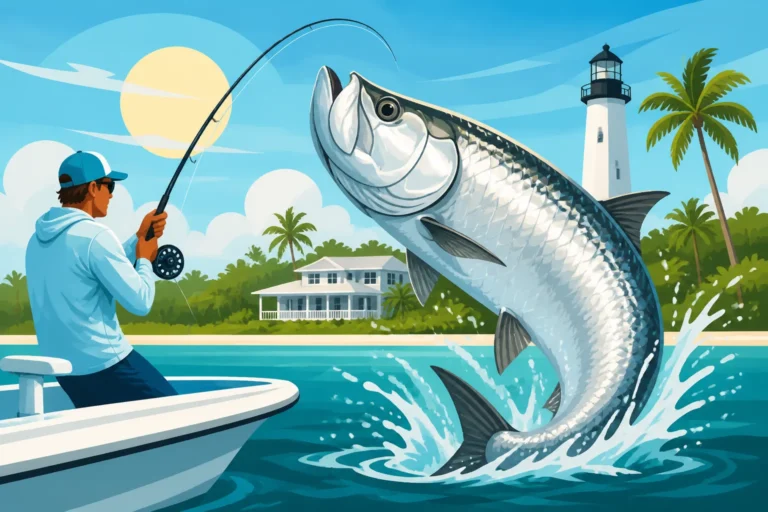
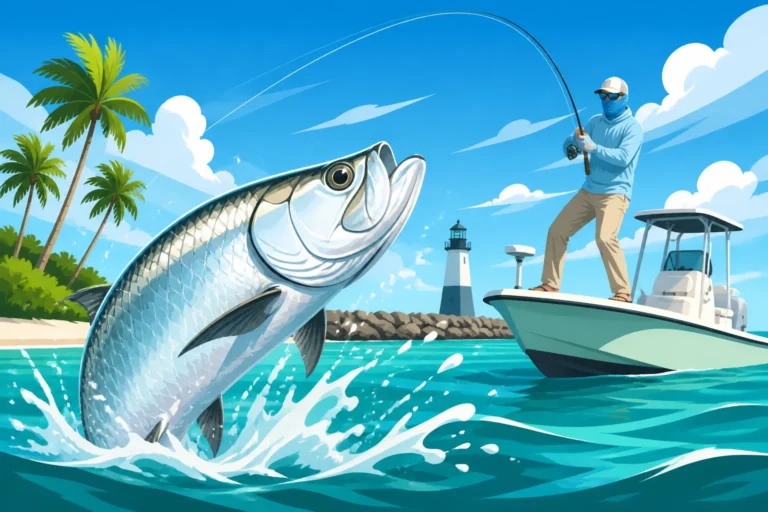
Trying to figure out the exact rhythm of the tarpon migration through Boca Grande Pass can feel like chasing a ghost – one day they're there in incredible numbers, the next they seem to vanish, leaving anglers scratching their heads. It’s a highly anticipated event, a true pilgrimage for many, but pinning down the perfect time can be tricky, influenced by so many natural variables. This comprehensive guide will pull back the curtain on the subtle science and seasoned wisdom behind predicting the tarpon's grand entrance and exit from the famed Boca Grande Pass.
Understanding the Allure of Boca Grande Pass for Tarpon
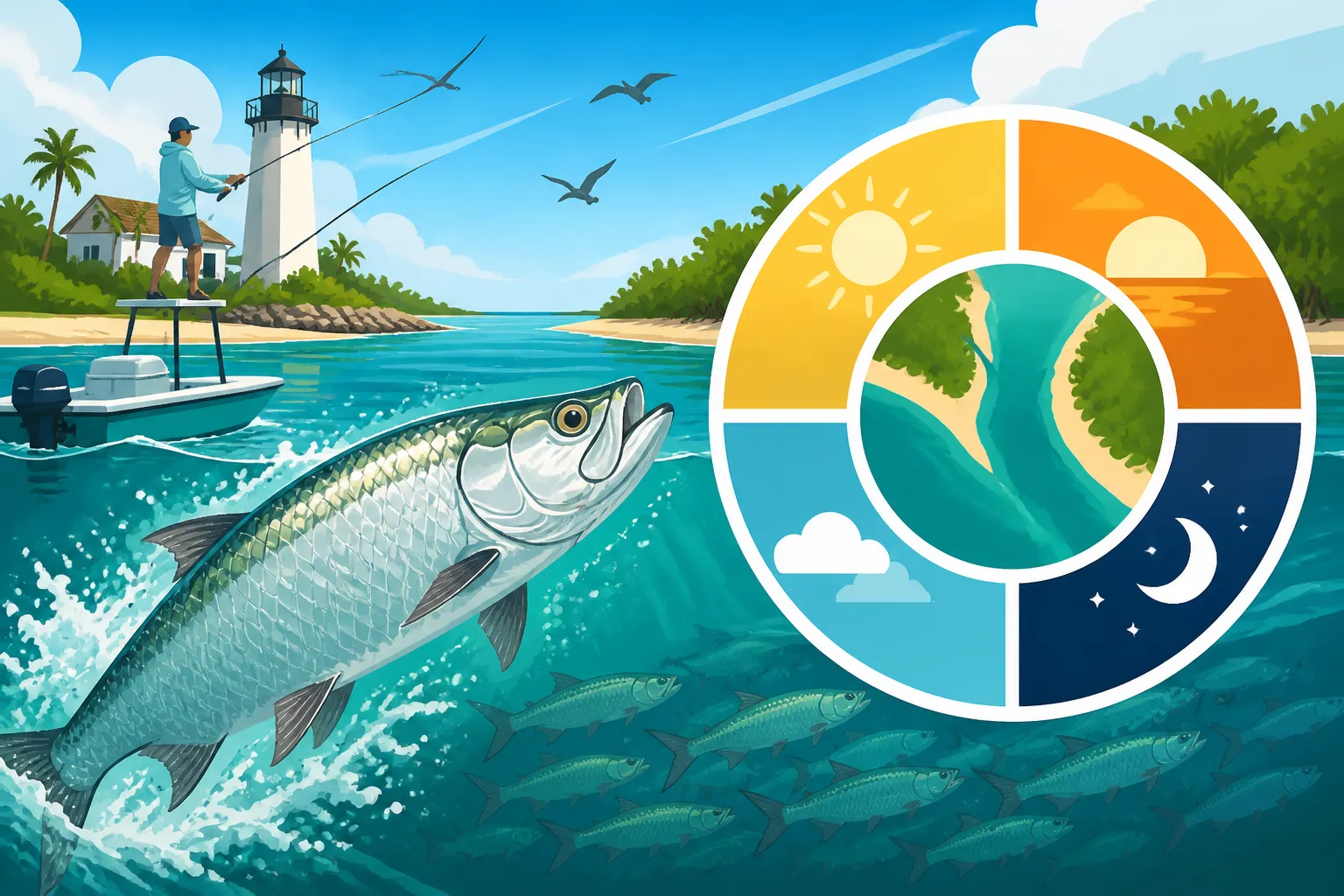
Boca Grande Pass, nestled on Florida's southwest coast, isn't just any fishing spot; it's a legendary arena, often dubbed the "Tarpon Capital of the World." This isn't a title earned lightly, but rather through decades of consistent, spectacular tarpon runs that draw anglers from across the globe. Understanding why tarpon are so drawn to this specific locale is key to understanding their migration timing.
Why Boca Grande Pass is a Tarpon Magnet
The primary reason Boca Grande Pass holds such immense appeal for tarpon is its critical role in their reproductive cycle. As spring transitions into summer, mature tarpon from both the Gulf of Mexico and coastal waters converge here, preparing for their offshore spawning ritual. It's like a grand staging ground, a pre-party before the main event. The pass provides a deep, protected channel with strong tidal currents that bring in a constant buffet of baitfish, acting as a crucial energy source for these large, powerful fish before they expend massive amounts of energy during spawning. Furthermore, the sheer volume and depth of the water provide a sense of security for these large predators, giving them ample room to gather. It's not just about food; it's about location, protection, and the perfect conditions for their biological imperative.
The Unique Geography and Current Dynamics
The geography of Boca Grande Pass is truly exceptional and plays a massive role in its tarpon magnetism. This deep, natural inlet separates Gasparilla Island from Lacosta Island, serving as the main artery connecting Charlotte Harbor to the Gulf of Mexico. What makes it so special are its remarkable depths, plunging over 80 feet in some areas, combined with incredibly strong tidal currents. These currents, funneling the massive volume of water in and out of Charlotte Harbor, create a powerful "river" effect. This current is a double-edged sword: it brings in abundant food sources like pass crabs, threadfin herring, and mullet, but it also creates challenging fishing conditions requiring specific techniques and local knowledge. The constant movement of water also helps oxygenate the deeper sections, making it a comfortable environment for tarpon to gather in large schools. The convergence of deep water, rich bait, and powerful currents forms a perfect storm, making it an irresistible stop for migrating tarpon.
The Core Migration Season: When Tarpon Arrive and Depart
The much-anticipated tarpon migration into Boca Grande Pass isn't a single event but a dynamic, ever-changing period that typically spans several months. Knowing the general window and then understanding the nuances within that window is crucial for a successful trip.
Peak Migration Months in Detail
While some tarpon may appear earlier or linger later, the indisputable peak of the Boca Grande tarpon migration runs from May through July. This is when the pass is absolutely teeming with silver kings, creating a spectacle unlike any other.
- May: This month marks the true beginning of the heavy run. Water temperatures have consistently risen, signaling to the tarpon that it’s time to move into the pass. You'll see large schools of fish "rolling" (breaking the surface to gulp air) and feeding actively. Anglers often target them by drifting baits through the pass or sight fishing on the surrounding flats. The excitement in May is palpable, with boats lining up, sometimes jockeying for position as the sun rises.
- June: Often considered the absolute prime time, June sees the largest concentrations of tarpon in the pass. The fish are actively feeding, staging, and preparing for spawning. This is when the legendary "hill tides" often occur, where specific tidal conditions create massive schools of pass crabs (a favorite tarpon delicacy) flowing out of the harbor. Targeting tarpon with live bait, particularly pass crabs, during these tides is a classic Boca Grande strategy. This is also a fantastic time to witness the sheer power of these fish, as they put up incredible fights. Many anglers book their trips months, sometimes a year, in advance to secure a prime June date.
- July: While the numbers might start to slightly taper off by late July compared to the intense peaks of June, tarpon are still very much present and active. Many of the fish have completed their initial spawning runs and are returning to feed heavily before dispersing. The fishing pressure might also lighten a bit, offering a slightly more relaxed experience while still providing excellent opportunities to hook into a trophy tarpon. Weather can start to become a factor with afternoon thunderstorms common, but early mornings can still be magical.
It's during these months that the pass becomes a hive of activity, both above and below the surface, and knowing the specific strategies for each month can greatly increase your chances of success. If you're looking for guidance, booking a charter during these months is paramount. Platforms like FishingBooker can help you find experienced captains who know the specific tactics for each stage of the migration.
Early Arrivals and Late Stragglers
The tarpon migration isn't a switch that flips on and off; it's a gradual ebb and flow. Savvy anglers often find success by targeting the "shoulders" of the main season, when fish are still moving through but the crowds might be lighter.
- Early Arrivals (Late March/April): As early as late March or April, especially if spring brings consistently warm weather and water temperatures, you'll start to see the first waves of migrating tarpon. These early fish are often found on the shallower flats surrounding the pass, particularly in areas like Gasparilla Sound or Pine Island Sound, rather than directly in the deep pass itself. They are typically feeding aggressively on baitfish, and sight fishing with artificial lures or flies can be incredibly effective. While not the massive schools seen in May and June, these early encounters can be incredibly rewarding due to fewer boats and aggressive fish. For detailed information on specific regional fishing, check out our guide on Best Fishing Spots in Florida.
- Late Stragglers (August/September): Even after the peak season, some tarpon remain in the area well into August and even September. These are often fish that have completed multiple spawning cycles and are either lingering to feed or are resident fish that don't participate in the mass migration. The fishing can be hit or miss, and the oppressive summer heat can make it challenging, but there are still opportunities for those willing to brave the conditions. These fish might be found in the pass, but also frequently move into the surrounding backcountry and even up into rivers and canals as they disperse. For those exploring various habitats, understanding Florida Saltwater vs Freshwater Fishing License rules is essential.
Factors Influencing Tarpon Migration Timing
While there’s a general season, the exact timing and intensity of the tarpon migration in Boca Grande can shift year to year, sometimes even week to week. Several environmental factors play a critical role in dictating the tarpon's movements and feeding behavior.
Water Temperature and Tidal Flows
These two elements are arguably the most critical drivers of tarpon behavior and migration timing.
- Water Temperature: Tarpon are highly sensitive to water temperature. They prefer warmer waters, typically above 75°F (24°C). If the spring is unusually cool, the migration might be delayed as tarpon wait for the Gulf waters to reach their preferred temperature range. Conversely, an early warm spring can trigger an earlier arrival. Cold fronts, even in May or June, can temporarily push fish out of the pass or make them lethargic, impacting their feeding patterns. Understanding the optimal water temperature is key to predicting when these fish will be most active.
- Tidal Flows: Boca Grande Pass is renowned for its extreme tidal swings and powerful currents, which are a direct result of the immense volume of water moving in and out of Charlotte Harbor. The strongest tidal flows, particularly the outgoing "hill tides" that occur during new and full moon phases, are legendary. These tides literally flush millions of pass crabs, small blue crabs, and other crustaceans out of the harbor and directly into the pass, creating an irresistible feeding frenzy for tarpon. Anglers meticulously study tide charts, sometimes planning their entire trip around these specific tidal events. Fishing during periods of slack tide or weak currents typically yields far less action in the pass itself. Knowing how to read a tide chart for fishing is a critical skill for any serious tarpon angler.
Baitfish Presence and Weather Patterns
Beyond temperature and tides, the availability of food and prevailing weather also significantly impact the tarpon run.
- Baitfish Presence: Tarpon are opportunistic feeders, and while pass crabs are famous, they will readily gorge on whatever baitfish are abundant. Schools of threadfin herring, scaled sardines ("pilchards"), and mullet moving through the pass and surrounding waters provide another major draw. If these bait schools are plentiful, tarpon are more likely to linger and feed actively. Conversely, a lack of bait can cause them to move on quickly or become more challenging to entice. A captain's ability to locate and net fresh live bait can make or break a tarpon trip. For more on sourcing live bait, consider our article on Cast Netting for Bait in Florida Waters.
- Weather Patterns: Florida's weather can be notoriously unpredictable, and tarpon fishing is often at its best during stable weather conditions. Prolonged periods of strong winds can churn the water, reducing visibility and making it difficult for tarpon to feed or for anglers to spot them. Heavy rainfall can temporarily lower salinity in some areas and bring cooler water, potentially scattering fish. Clear, calm, sunny days with light winds are generally ideal for sight fishing for tarpon on the flats and observing their rolling patterns in the pass. However, even during Florida's summer thunderstorm pattern, early morning and late afternoon windows can be highly productive.
Fishing Strategies During the Boca Grande Tarpon Run
Successfully targeting tarpon in Boca Grande Pass requires specialized techniques and a deep understanding of their behavior during the migration. It's not a place for the unprepared.
Techniques for Different Migration Phases
The fishing approach changes significantly depending on whether you're targeting early arrivals, peak season fish, or late stragglers.
- Early Season (April/Early May): During this phase, many tarpon are still staging on the shallower grass flats and in the backcountry around Charlotte Harbor and Gasparilla Sound. Sight fishing is the name of the game. Anglers will quietly pole or use a trolling motor to spot rolling or cruising fish. Once sighted, accurate casts with artificial lures like soft plastic jerkbaits (e.g., MirrOlure MirrOdine XL or DOA Bait Buster) or flies (e.g., toads, cockroach patterns) are critical. The goal is to present the lure just ahead of the fish, allowing it to "eat" as it swims past. This requires stealth and precision.
- Peak Season (Late May/June/Early July): This is when the deep pass fishing truly shines. The primary method is drifting live bait through the strong currents. Boats typically line up and drift with the tide, presenting pass crabs, threadfin herring, or even small mullet on heavy fluorocarbon leaders with circle hooks. The key is to get the bait down into the strike zone, where large schools of tarpon are holding in the deeper channels, often near the bottom. This is where the infamous "tarpon train" develops, with boats moving in a synchronized drift. Another technique is to anchor on the edges of the pass during specific tides and chum the water, drawing fish closer. This is where a knowledgeable captain, like those found on FishingBooker, truly excels, guiding you through the intricate dances of the pass.
- Late Season (Late July/August): As the main migration winds down, tarpon disperse. You might still find them in the pass, but many will move to nearby beaches for surf fishing opportunities or venture into the river systems like the Myakka or Peace River. On the beaches, live or cut mullet fished on the bottom can be effective. In the rivers, targeting deeper bends or areas with good structure using live pinfish or large shiners can produce results. The fish can be less predictable, but the rewards are still there for persistent anglers. For those keen on exploring different fishing environments, knowing the specific rules for Florida Private Pond and Farm Pond Fishing Rules might also be useful for other species.
Essential Gear and Bait Recommendations
Having the right tackle is non-negotiable for tackling these powerful fish.
- Rods and Reels: For pass fishing, you'll need heavy-duty spinning or conventional setups. Spinning reels like the Shimano Saragosa or Penn Spinfisher in 8000-10000 sizes, paired with 7-8 foot medium-heavy to heavy rods, are common. For conventional setups, a 4/0 or 6/0 reel spooled with strong braid is ideal. For shallower flats, lighter spinning gear (4000-6000 size) is often used for casting lures or flies.
- Line and Leaders: Spool your reels with 50-80 lb braided line. This offers strength and sensitivity. Crucially, you'll need very stout fluorocarbon leaders, typically 60-100 lb test, to withstand the tarpon's abrasive mouth and powerful runs. A bite leader of 80-150 lb monofilament is often added for extra abrasion resistance.
- Hooks: Circle hooks are mandatory in Florida for tarpon when using natural bait, to ensure a mouth hook-up and facilitate proper release. Sizes range from 7/0 to 12/0, depending on the bait.
- Bait:
- Live Pass Crabs: The legendary bait for peak season pass fishing. Their abundance during "hill tides" makes them irresistible.
- Live Threadfin Herring/Scaled Sardines: Excellent all-around baitfish, effective in both the pass and on the flats.
- Live Mullet/Pinfish: Larger live baits, good for bigger fish or when other baits are scarce.
- Artificial Lures: Soft plastic jerkbaits (e.g., D.O.A. Bait Buster, Z-Man HeroZ), topwater plugs (e.g., Heddon Super Spook), and various bucktail jigs are effective, especially for sight fishing.
- Flies: Large fly patterns in baitfish, crab, or shrimp imitations (e.g., Tarpon Toad, Black Death, Gummy Minnow) are used by fly anglers.
| Migration Phase | Typical Months | Primary Location | Recommended Techniques | Key Baits/Lures | Notes |
|---|---|---|---|---|---|
| Early Arrivals | Late March – Early May | Flats, Backcountry | Sight fishing, Poling | Soft plastics, Flies, Live baitfish | Fewer boats, aggressive fish, stealthy |
| Peak Season | Mid-May – Early July | Boca Grande Pass, Deep Channels | Drifting live bait, Anchoring | Live pass crabs, Threadfin, Mullet | High concentrations, strong currents |
| Late Stragglers | Mid-July – September | Pass, Beaches, River Systems | Drifting, Surf fishing, Structure | Live mullet, Pinfish, Cut bait, Jigs | Dispersed fish, lighter pressure |
Planning Your Boca Grande Tarpon Trip
A trip to Boca Grande for tarpon is more than just a fishing excursion; it's an experience that requires careful planning, especially during the peak migration.
Booking Charters and Accommodations
Due to the immense popularity of the Boca Grande tarpon run, advanced booking is absolutely essential.
- Charters: The best tarpon guides in Boca Grande are often booked a year or more in advance, particularly for prime dates in May and June. If you're serious about landing a silver king, start your research and booking early. A reputable guide not only provides the boat and gear but also possesses invaluable local knowledge about the tides, bait movements, and fish behavior that can make all the difference. Websites like FishingBooker are excellent resources for finding highly-rated captains in the Boca Grande area, allowing you to compare prices, read reviews, and book directly. Be sure to discuss what's included in the charter price, such as bait, tackle, and fish cleaning. For more insights, check out our guide on How to Choose a Florida Fishing Guide.
- Accommodations: Boca Grande is a charming, somewhat exclusive island, and accommodations can be limited and pricey, especially during tarpon season. Options range from luxury resorts like The Gasparilla Inn & Club to smaller vacation rentals and hotels on the mainland in Port Charlotte or Englewood. Book your lodging concurrently with your charter to avoid disappointment. Consider proximity to boat ramps if you're bringing your own vessel, or shuttle services if relying on a guide.
Permits and Regulations Specific to Boca Grande
Fishing for tarpon in Florida, especially in an iconic location like Boca Grande, comes with specific regulations designed to protect this incredible sportfish.
- Tarpon Tag: While a Florida saltwater fishing license is generally required for recreational fishing, tarpon have an additional rule. If you intend to keep a tarpon (which is rarely done, as most anglers practice catch and release), you must purchase a valid tarpon tag in addition to your regular saltwater fishing license. However, recreational anglers are highly encouraged to release all tarpon unharmed. Catch-and-release is the standard practice, preserving these magnificent fish for future generations. For more general licensing information, consult our Florida Saltwater Fishing License Rules.
- Florida Fishing Regulations and Bag Limits: Even for catch and release, you must adhere to FWC (Florida Fish and Wildlife Conservation Commission) regulations regarding handling, gear, and any specific harvest guidelines. For instance, tarpon over 40 inches caught in Florida cannot be removed from the water. This rule is critical for their survival, as removing large tarpon from the water can cause severe organ damage. Always be prepared with the proper tools for a quick, safe release, such as dehookers and cutters. Staying informed about current regulations is paramount, and details can be found in our comprehensive guide on Florida Fishing Regulations and Bag Limits.
Navigating the tarpon migration in Boca Grande Pass is an exhilarating challenge that rewards preparation and patience. By understanding the timing, the factors at play, and having the right strategies, you significantly increase your chances of experiencing the fight of a lifetime against the mighty silver king.
Disclaimer
Please note that fishing conditions, regulations, and migration patterns are subject to change. Always consult the latest Florida Fish and Wildlife Conservation Commission (FWC) regulations before heading out on the water. This guide is for informational purposes only and does not constitute legal advice.