Florida Snook Size and Slot Limits
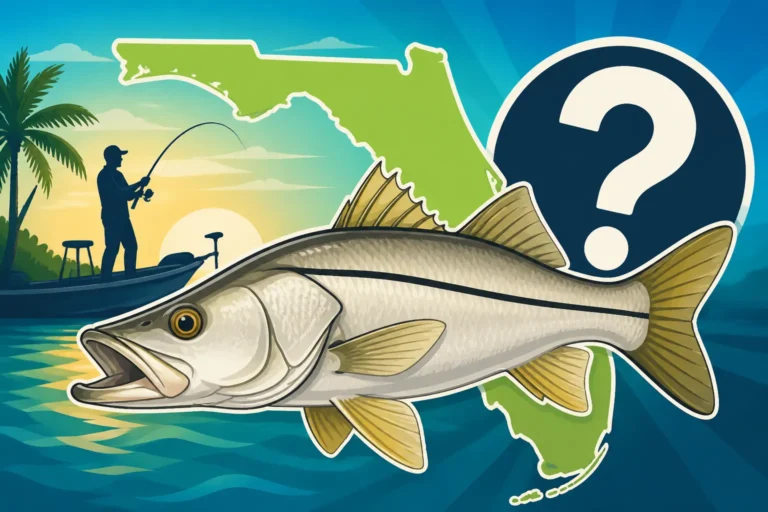
Oh, the elusive snook! If you've spent any time on Florida's inshore waters, you know the thrill of hooking into one of these magnificent fighters. But that excitement can quickly turn to anxiety when you're trying to figure out if your beautiful catch is actually a keeper. The rules around snook size and slot limits can feel like a moving target, leaving many anglers scratching their heads and fearing a citation. This guide is here to untangle all that confusion, helping you understand exactly what you need to know to fish for snook responsibly and legally in the Sunshine State.
Understanding Florida Snook Regulations: Why They Matter So Much
Florida's snook population is a true treasure, providing incredible sportfishing opportunities that draw anglers from all over the world. But precisely because they are so popular and such an important part of our marine ecosystem, snook are heavily regulated. It's not just about stopping people from taking too many fish; it's about protecting this species for future generations, ensuring their health, and maintaining the delicate balance of our coastal environments.
The Importance of Conservation for Snook
Snook are a highly sensitive species, particularly vulnerable to cold weather events and habitat loss. Unlike some other fish, they don't reproduce as quickly, and their populations can take longer to recover if overfished. This is why the Florida Fish and Wildlife Conservation Commission (FWC) puts so much emphasis on strict regulations, including the specific size and slot limits we'll discuss. Every snook that gets to spawn contributes to a healthier fishery down the line. When we all follow these rules, we're not just avoiding a fine; we're actively participating in the conservation efforts that keep our waters teeming with these incredible fish. Think of it as a shared responsibility for a shared resource. How Florida Fishing License Fees Fund Conservation is a great resource if you want to dive deeper into where your contributions go.
Navigating the Complexity of Fishing Rules
Let's be real, Florida's fishing regulations can feel like a labyrinth. You've got state waters, federal waters, different seasons for different species, and then regional rules that can shift depending on where you're casting your line. It's enough to make even a seasoned angler sigh in frustration. For snook, this complexity is particularly evident, with specific size ranges, seasonal closures, and even regional zone management. It’s crucial to remember that these aren't just arbitrary rules; they're based on scientific data about snook populations, spawning patterns, and environmental factors. Staying informed is your best defense against inadvertently breaking the law and, more importantly, it makes you a more effective and ethical angler.
Deciphering the Snook Slot Limit in Florida
One of the most common points of confusion for anglers targeting snook is the concept of a "slot limit." It's not like simply having a minimum size, which is common for many other species. A slot limit has both a minimum and a maximum size, and your fish must fall within that range to be legally harvested. This system is a cornerstone of modern fisheries management, and understanding it is absolutely essential for snook fishing in Florida.
What Exactly is a "Slot Limit"?
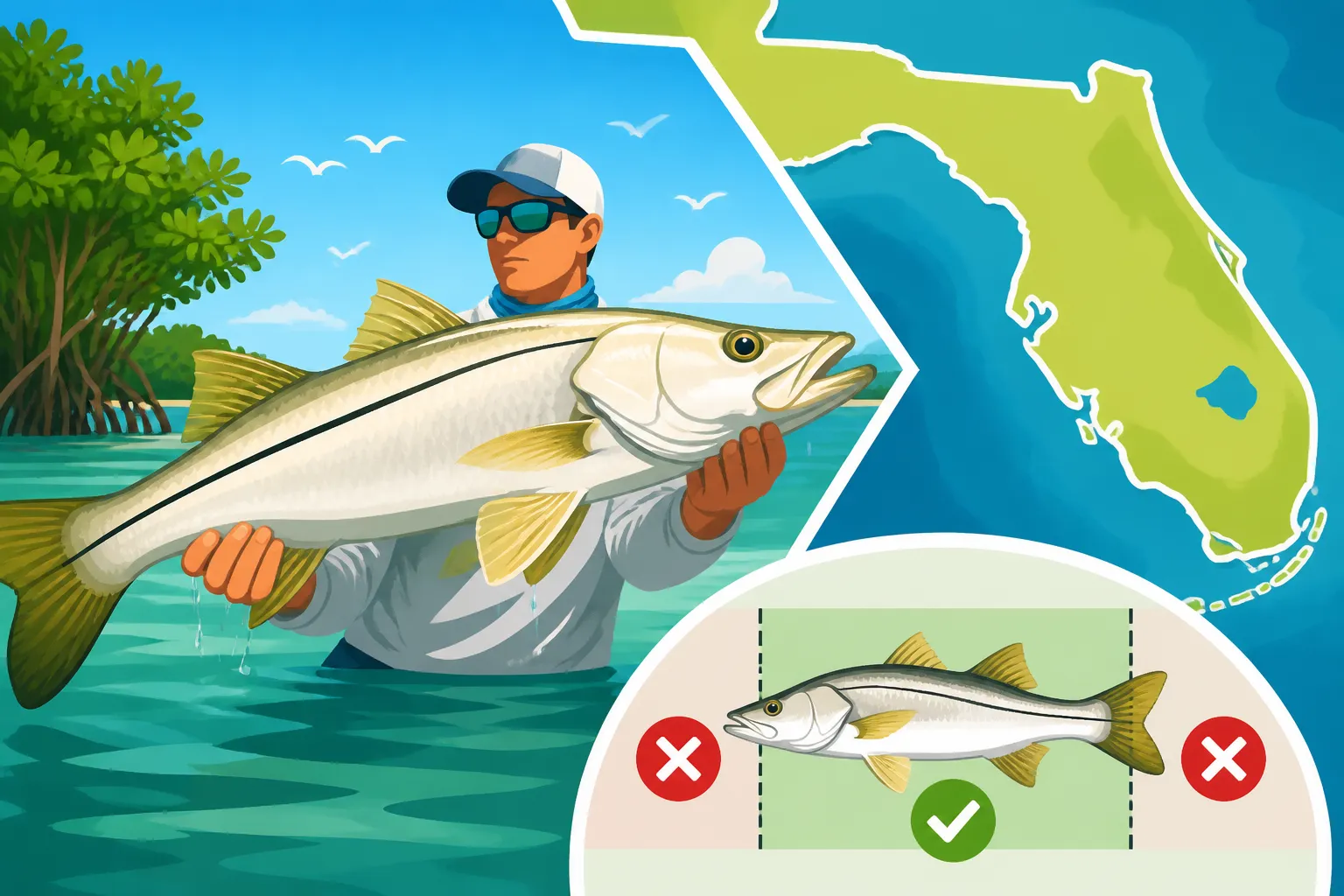
Imagine a window of opportunity. That's essentially what a slot limit is for fish like snook. Instead of saying "you can only keep fish over X inches," a slot limit says, "you can only keep fish that are between X inches and Y inches." For snook, this means there's a minimum length they must meet, but also a maximum length they cannot exceed.
Why this approach? It's all about protecting the most valuable fish in the population. The smaller fish are too young and haven't had a chance to reproduce effectively yet. The very large fish, often called "brood stock," are the most prolific spawners, producing the most eggs and contributing the most genetic diversity to future generations. By only allowing the harvest of medium-sized fish within the "slot," conservation efforts aim to ensure that both the young fish and the vital large breeders remain in the water to keep the population healthy and robust. This approach has been incredibly successful in maintaining healthy snook numbers over the years, despite their immense popularity. Florida Snook Size and Slot Limits is a related article if you want to keep diving into the specifics of these numbers.
The Current Snook Slot: Keeping You Legally Compliant
Alright, let's get down to the nitty-gritty. What is the actual snook slot limit in Florida? While specific numbers can change (which is why it's vital to always check the FWC website or the "Fish Rules" app before heading out), historically, Florida's snook slot limit typically falls within a range like 28 to 33 inches total length. This means if you catch a snook that's, say, 27 inches, it's too small and must be released. If you land a magnificent 34-inch snook, it's too large and must also be released. Only those fish falling perfectly within that 28-to-33-inch window are legal to keep, assuming the season is open and you have the proper license and any required permits.
It’s important to note that the slot limit isn't the only rule. There are also bag limits (how many you can keep per day) and regional closures to consider. For example, Florida Snook Season Closures by Region details how different parts of the state might have varying open and closed seasons, especially during spawning times or after severe weather. Always verify the current regulations for your specific fishing location and time of year.
Measuring Your Snook Correctly: A Crucial Skill
You've hooked a snook, fought it expertly, and brought it boat-side. Now comes the moment of truth: is it a keeper? This is where accurate measurement becomes absolutely paramount. A quarter of an inch can be the difference between a legal fish and a violation, or worse, harming a fish by keeping it illegally. Don't rush this step, and always have the right tools on hand.
The Proper Technique for Accurate Measurement
Measuring a fish might sound simple, but there's a right way and a wrong way, especially when FWC officers are potentially checking your catch. For snook, and most other regulated species in Florida, you need to measure the total length. This means you lay the fish flat on a measuring board, with its mouth closed and touching the stop on one end. Then, you gently pinch the tail lobes together (if the tail is forked) and measure to the very tip of the longest lobe.
Here are some key tips:
- Use a reliable measuring device: A sturdy, flat measuring board is best. Flexible tape measures can be inaccurate if not held perfectly straight. You can find good quality fish measuring boards on platforms like Amazon, many of which float if dropped overboard.
- Keep the mouth closed: An open mouth can add an inch or more to the perceived length.
- Pinch the tail: For a precise total length, gently compress the tail lobes.
- Measure quickly and carefully: The goal is to get an accurate measurement while minimizing stress on the fish, especially if you plan to release it.
- Measure on a flat surface: Don't try to measure a wriggling fish in the air. A wet, flat surface is ideal.
Why Even a Small Error Can Lead to Big Trouble
You might think, "What's the big deal about half an inch?" But in the eyes of the law, that half-inch can be a violation. FWC officers are trained to measure precisely, and if your fish is outside the legal slot, you could face significant penalties. These can range from a hefty fine to the confiscation of your catch and even your fishing gear. Nobody wants that to happen, especially after putting in all the effort to catch the fish.
Beyond the legal ramifications, there's the ethical consideration. Accidentally keeping an undersized or oversized snook means you're taking a fish that should have been left to grow or to breed. This impacts the overall health of the fishery. Always err on the side of caution. If you're unsure if a fish is just inside or just outside the slot, it's always best to release it. A good practice is to have your measuring device clearly marked with the snook slot limits so there's no doubt when you make a judgment call.
Regional Differences and Seasonality: It's Not Always the Same Everywhere
Florida is a big state with diverse ecosystems, and snook populations can vary from one region to another. Because of this, the FWC sometimes implements regional management zones and seasonal closures. What's legal on the Gulf Coast might not be legal on the Atlantic, and rules can even differ within parts of those coasts. This variability means you can't rely on a "one size fits all" approach to snook regulations.
How Regional Closures Affect Snook Fishing
The FWC divides Florida into various management zones for snook, primarily the Gulf Coast and the Atlantic Coast, with further subdivisions within those. These zones often have different open and closed seasons. For instance, snook might be closed to harvest on the Gulf Coast during certain months (often associated with their spawning aggregation periods) while remaining open on the Atlantic Coast, or vice versa.
These regional closures are put in place to protect snook when they are most vulnerable, such as during cold weather snaps when they become lethargic and susceptible to stress, or during their peak spawning times. Florida Snook Season Guide provides a comprehensive overview of these crucial periods. Always check the specific regulations for the county or body of water you intend to fish. A quick search on the FWC website or using their "Fish Rules" app is an absolute must before every trip. It's easy to get caught up in the excitement of a new fishing spot, but a quick check can save you a lot of grief.
Understanding Seasonal Changes and Their Impact
Beyond regional distinctions, snook regulations are also heavily influenced by the time of year. As mentioned, cold weather events can severely impact snook populations. Why Florida Closes Snook Season in Winter explains how snook are highly sensitive to temperature drops, and a prolonged cold snap can lead to significant fish kills. In response, FWC may implement emergency closures or modify seasons to protect vulnerable fish. Similarly, during the hottest parts of summer, snook often aggregate in passes and inlets to spawn. These periods are critical for the species' reproduction, and regulations may restrict harvest to allow these crucial breeding fish to do their job without added pressure. When Does Florida Snook Season Close? is a common question, and the answer often depends on which season and region you're asking about.
Understanding these seasonal impacts not only helps you stay compliant but also makes you a more effective angler. Knowing when snook are actively spawning, or when they are seeking warmer water in deeper canals during a cold front, can inform your fishing strategy, even if you're practicing catch-and-release. You might choose to target them in different areas or use different techniques depending on the season, always with an eye toward minimizing stress on the fish.
Essential Gear and Best Practices for Snook Anglers
Being a responsible snook angler goes beyond just knowing the rules; it involves having the right tools and adopting practices that ensure the health of both the fish you catch and the environment you're fishing in. Whether you're planning to keep a legal fish or just enjoying the thrill of the fight with catch-and-release, preparation is key.
Must-Have Tools for Measuring and Handling
Every snook angler should have a few essential items in their tackle bag to ensure compliance and promote fish survival.
- Reliable Measuring Device: As discussed, a sturdy, flat measuring board is non-negotiable. Many are made from durable plastic or aluminum and have clear markings. You can easily find these at most tackle shops or online retailers like Amazon. Some even have a built-in handle or lip to make holding the fish steady for measurement easier.
- Dehooking Tool: Snook have tough mouths, and hooks can be deeply set. A quality dehooking tool, like long-nosed pliers or a specialized hook remover, allows for quick and efficient hook removal, minimizing damage to the fish and getting it back into the water faster. Look for stainless steel options on Amazon that can withstand the saltwater environment.
- Lip Gripper or Landing Net: While not strictly required, a lip gripper (specifically designed for fish, like those from reputable brands) or a rubberized landing net can greatly aid in safely subduing and handling a snook, especially larger ones. A rubberized net is preferable to knotless nylon, as it's less abrasive to the fish's slime coat and fins. Avoid using traditional gaffs on snook you intend to release, as they cause too much damage.
- Gloves: Some anglers prefer gloves to protect their hands from snook's sharp gill plates and fin spines, especially if planning to handle the fish for a quick photo.
Having these tools readily accessible means you can measure and release a non-slot fish with minimal stress, or confidently verify a legal keeper. For more insights on ethical practices, consider reading Catch and Release Best Practices for Snook.
Responsible Angling for the Future of Snook
Beyond the gear, adopting responsible angling practices is vital for the long-term health of snook populations.
- Handle with Care: If you're practicing catch-and-release, try to keep the fish in the water as much as possible. If you must bring it aboard for a quick photo or measurement, do so quickly and support its body horizontally to avoid internal organ damage. Avoid dragging it on rough surfaces or handling it by the jaw alone.
- Minimize Fight Time: While snook are fun fighters, prolonged battles can exhaust them, especially in warm water. Use appropriate tackle to land them efficiently. What Pound Test Line for Snook Fishing? will help you choose the right gear.
- Revive If Necessary: If a snook appears lethargic after release, gently hold it upright in the water, facing into the current, allowing water to flow over its gills until it swims away under its own power.
- Know When to Call It: If you're fishing during a particularly hot time of year or after a cold snap, consider switching to catch-and-release, even if snook season is open. Fish are more vulnerable to stress during extreme temperatures.
- Report Violations: If you witness someone openly violating snook regulations, report it to the FWC. Conservation is a community effort, and protecting our fisheries benefits everyone.
By being mindful of these practices and always checking the latest regulations, you contribute to ensuring that snook remain a prized game fish in Florida for generations to come.
The Nuances of Snook Regulations: More Than Just the Slot
While the slot limit is a critical piece of the puzzle, snook regulations in Florida involve more than just a minimum and maximum length. There are specific license requirements, additional permits, and limitations on how many fish you can keep. Overlooking any of these details could lead to issues, even if your fish is perfectly within the slot.
License and Permit Requirements
First and foremost, you absolutely need a valid Florida saltwater fishing license to fish for snook, unless you fall under a specific exemption. While fishing from a licensed pier or charter boat might cover your license, for most shore or private boat anglers, this is a must-have. You can easily purchase these online or at various retailers. Check out Florida Saltwater Fishing License Rules for more details.
But here's a crucial detail for snook: you also need a Snook Permit. This is an additional endorsement that must be purchased in conjunction with your recreational saltwater fishing license if you intend to harvest snook. The fees from this permit directly contribute to snook research and management, bolstering conservation efforts. Without this permit, even if your snook is perfectly within the slot and caught during an open season, keeping it is illegal. So, before you even think about putting a snook in your cooler, make sure your license and snook permit are squared away. Florida Snook Permit Cost and Requirements can give you all the specifics you need on this.
Understanding Bag Limits and Prohibited Methods
Even with a snook permit and a fish within the slot, you can't just fill a cooler. Florida imposes a bag limit for snook, which typically allows anglers to keep only one snook per person per day. This is a strict limit designed to further reduce fishing pressure on the population.
Furthermore, there are rules about how you can catch snook if you intend to harvest them. Snook must be caught with hook and line; methods like spearfishing or using nets (other than a cast net for bait) are generally prohibited for snook harvest. Also, it's illegal to buy or sell snook recreationally caught in Florida.
Here's a quick summary of key snook regulations:
| Regulation Aspect | General Rule (Always Verify Current FWC Data) |
|---|---|
| Size Limit | Slot limit (e.g., 28-33 inches total length) |
| Bag Limit | One (1) snook per person, per day |
| License | Florida Saltwater Fishing License Required |
| Permit | Florida Snook Permit Required |
| Method | Hook and line only for harvest |
| Sale | Illegal to buy or sell recreationally caught snook |
| Seasonality | Varies by region and time of year (open/closed) |
Remember, this table provides a general overview. Regulations are dynamic, so always consult the FWC's official resources or the "Fish Rules" app before each trip to ensure you have the most up-to-date information for your specific location. Staying informed is the best way to enjoy Florida's incredible snook fishing without any worries!
Disclaimer
This article is for general informational purposes only and does not constitute professional advice. Laws, prices and regulations vary by location and change over time. Consult a qualified professional for guidance on your specific situation.