What Is the Florida State Record Snook?
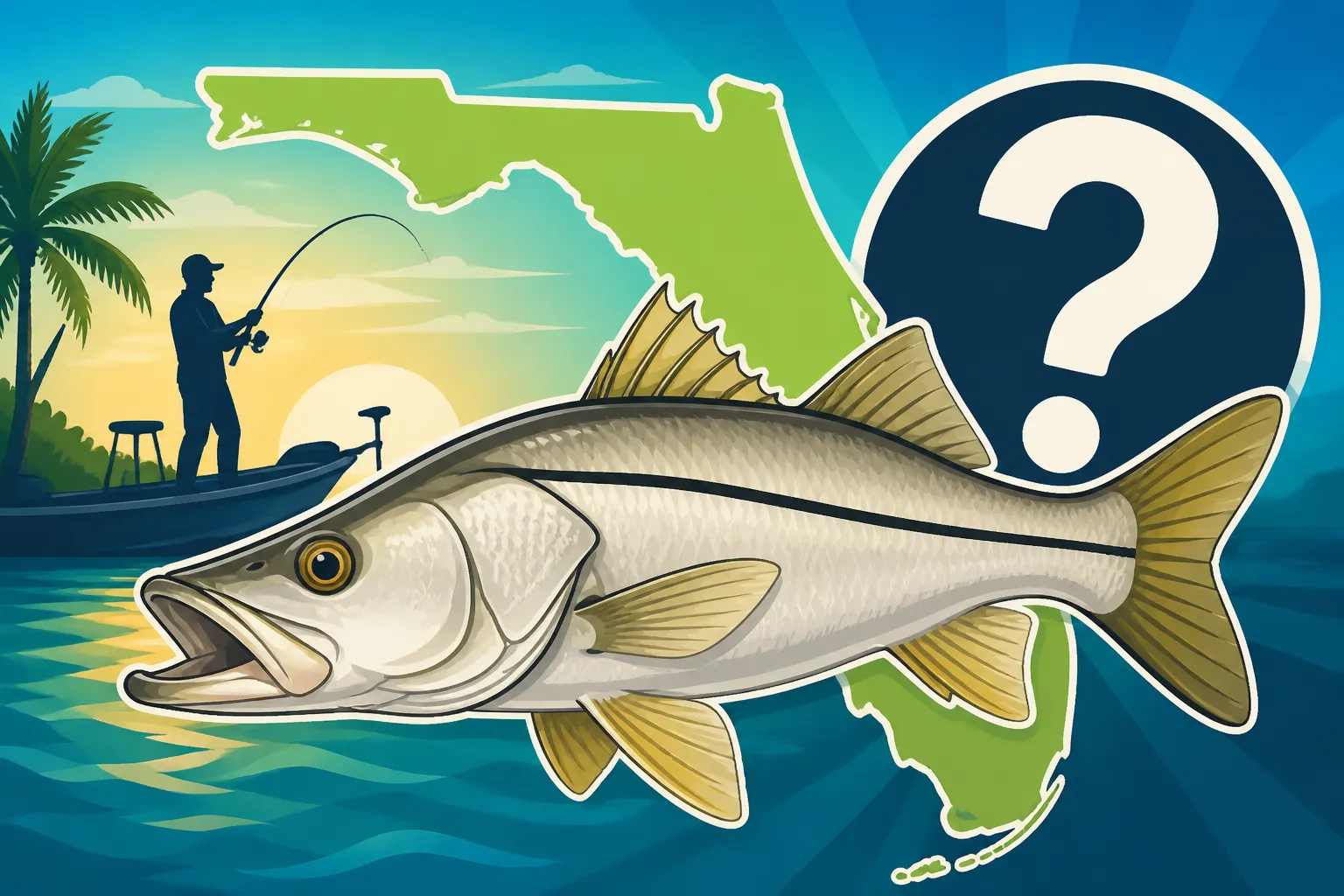
For many Florida anglers, the quest for a truly massive snook isn't just a hobby—it's a lifelong obsession. There's a certain magic to these powerful, elusive fish that keeps us coming back, casting into mangroves and inlets at dawn, or stalking the shadows of dock lights at night. But when you're talking about the biggest of the big, the kind of fish that legends are made of, the question inevitably arises: what is the Florida state record snook, and what does it take to even dream of catching a fish like that? This guide dives deep into the celebrated state record, explores the allure of the snook, and offers insights into how anglers can pursue their own trophy fish while respecting this incredible species.
The Allure of the Snook: Why This Fish Captivates Anglers
Snook are, without a doubt, one of Florida's most iconic and sought-after gamefish. They embody everything that makes saltwater fishing in the Sunshine State so thrilling: power, acrobatics, and a frustratingly intelligent wariness. From the smallest fingerling hiding in a tidal creek to the gargantuan specimens patrolling our inlets, every snook encounter is memorable.
The Snook's Reputation as a Top Gamefish
Ask any seasoned inshore angler in Florida what their favorite fish to target is, and chances are, snook will be right at the top of the list. Their reputation isn't just hype; it's earned through countless battles. When hooked, a snook doesn't just pull; it explodes. They'll often make powerful runs, head shakes that try to throw the hook, and spectacular acrobatic jumps clear out of the water, leaving you momentarily stunned before you even realize what's happening. This raw, explosive energy, combined with their ability to quickly seek refuge in tangled mangrove roots or under dock pilings, makes every fight a true test of skill, tackle, and nerves.
Beyond the fight, snook are incredibly beautiful fish, with their distinctive lateral line running down a sleek, golden-bronze body. They are incredibly predatory, and watching them ambush baitfish near structure is a masterclass in efficiency. They can be incredibly frustrating at times, ignoring every lure or live bait you throw at them, but that only adds to their mystique. The challenge itself is a huge part of the appeal, making the reward of landing one even sweeter. Whether you're sight fishing on shallow grass flats or blind casting into a dark creek mouth, the anticipation of that violent strike is addictive. Many anglers consider a big snook the ultimate prize of inshore fishing.
Snook Habitats and Behaviors in Florida
Understanding where snook live and how they behave is fundamental to even dreaming of catching a trophy. These fish are true opportunists and thrive in a variety of brackish and saltwater environments across Florida's vast coastline. You'll find them in the labyrinthine root systems of mangroves, which provide both ambush points and protection from predators and harsh weather. They love the current, so inlets, passes, and river mouths are prime real estate, especially when the tide is moving bait. Sandy beaches, particularly those with nearby structure like jetties or rock piles, also hold snook, especially during warmer months. They'll venture into deeper channels, nearshore wrecks, and even freshwater canals that connect to tidal systems, demonstrating their incredible adaptability.
Snook are ambush predators. They'll often station themselves in areas where they can dart out and snatch an unsuspecting baitfish or shrimp as the current brings it past. They are highly sensitive to water temperature, becoming sluggish in cold snaps and seeking deeper, warmer water. Conversely, in the heat of summer, they might move to areas with more oxygen or shade. Their diet is varied, consisting primarily of small fish like mullet, pilchards, and sardines, but they won't pass up shrimp or crabs. The biggest snook often become more solitary and territorial, establishing prime feeding grounds that they will aggressively defend. Knowing these habits is key to approaching them with the right strategy.
Unveiling the Record: The Florida State Record Snook
Every angler dreams of catching "the big one," but there's only one state record. For snook in Florida, that record stands as a testament to both the incredible size these fish can achieve and the skill and luck of the angler who landed it.
The Specifics of the Record Fish
The legendary Florida state record snook, the benchmark against which all other monster snook are measured, weighed an astonishing 47 pounds, 12 ounces. This colossal fish was caught by Robert Lopez in the St. Lucie River in 1978. Just imagine holding a fish of that magnitude – nearly 50 pounds of pure muscle and fight. It's a weight that most anglers will only ever dream of seeing, a true once-in-a-lifetime catch that has remained unbroken for decades.
This record is significant not just for its sheer size but also because it represents the pinnacle of snook fishing achievement in a state renowned for its incredible snook population. The St. Lucie River, where the record was set, is part of the extensive Indian River Lagoon system, an estuary famous for its diverse fishery and productive waters. While snook in the 20-30 pound range are considered excellent trophy fish, approaching the 50-pound mark is truly exceptional and speaks to a combination of ideal environmental conditions, a mature fish, and an angler who was ready for the battle of a lifetime. It serves as a constant reminder of the incredible potential lurking in Florida's waterways.
The Story Behind the Record
While the exact hour-by-hour details of Robert Lopez's monumental catch are part of fishing lore and not perfectly documented for every casual observer, we can certainly envision the scenario. It would have been a day like any other for an avid angler, perhaps one with a hopeful feeling in the air. The St. Lucie River, a major snook stronghold, offers a mix of deep channels, current-swept structures, and nearby mangroves. Lopez would have been targeting snook, likely with live bait, which is often the most effective method for enticing the largest, most cautious fish. Imagine the quiet anticipation as the bait drifted or was slowly worked through a promising current seam.
Then, the strike. Not a subtle peck, but a violent, rod-wrenching explosion that signaled something truly extraordinary was on the line. The initial run of a snook of that size would have been unstoppable, stripping line from the reel with incredible speed and power. The angler would have had to apply maximum pressure, balancing the risk of breaking off against the need to turn the fish from heavy cover. Envision the back-and-forth battle, the moments of heart-stopping aerial displays, the relentless tugging as the fish tried to bury itself. Each gain of line would have been hard-won, followed by another powerful surge. The adrenaline would have been pumping, the arms burning, the mind focused solely on keeping that line tight. Finally, after what must have felt like an eternity, the fish would have been brought boatside, its immense size revealed, a moment of pure triumph that sealed its place in Florida fishing history. It's a story that embodies the ultimate dream of any dedicated snook fisherman.
Chasing Giants: Strategies for Targeting Trophy Snook in Florida
Catching a truly massive snook, one that might even approach the state record, isn't something that happens by accident very often. It requires dedication, knowledge, and often, a good dose of patience. These are not your average fish; they're wary, experienced, and strong.
Prime Locations and Environments for Big Snook
When you're trying to find a snook that could be a true trophy, you need to think about where the biggest fish live. While smaller snook are abundant in a variety of places, the giants tend to favor specific, often more challenging, environments. Look for areas with significant structure and strong current, such as major inlets like Sebastian Inlet, Boca Grande Pass, or those along the Florida Keys. These "superhighways" provide a constant buffet of baitfish and offer deep, current-swept ambush points where a large snook can comfortably lie in wait.
Deep canals connecting to larger bays or the Gulf/Atlantic can also hold monsters, especially those with plenty of docks, seawalls, and submerged debris. Bridges are another hot spot; the pilings and shadows provide shelter and eddies where big snook can rest and feed. Larger, deeper grass flats with distinct channels and potholes can also be productive, particularly on strong tidal flows. These fish aren't usually cruising aimlessly; they are positioned to feed. Think about where a big predator would have the advantage, where food is plentiful, and where they can retreat quickly if needed. Targeting specific features like rock jetties or heavy mangrove shorelines adjacent to deeper water can significantly increase your chances. For some of the best areas to target these fish, check out articles like Best Spots in the Indian River Lagoon for Snook or Best Spots at Sebastian Inlet for Snook.
Essential Tackle and Techniques for Trophy Snook
To stand a chance against a snook pushing 30, 40, or even nearly 50 pounds, you absolutely need to upgrade your gear. Forget the light tackle you might use for trout or smaller redfish. You'll want a heavy-action spinning or baitcasting rod, typically in the 7 to 8-foot range, with plenty of backbone to turn a powerful fish from structure. Pair this with a robust reel capable of holding at least 200-300 yards of strong braided line, usually 30-50 pound test. A smooth, powerful drag system is non-negotiable; you need to be able to apply serious pressure without it sticking or grinding.
Leader material is crucial. Big snook have abrasive mouths and will make short work of light mono. A 40-80 pound fluorocarbon leader is recommended, tied directly to your braid with a strong knot like an FG knot or an Albright. For hooks, use stout, sharp, appropriately sized circle hooks for live bait, or strong treble hooks on your artificial lures. Speaking of lures, live bait often reigns supreme for the biggest snook—think large mullet, pilchards, or pinfish. When it comes to artificials, large swimbaits, jerkbaits, and topwater plugs can be effective, especially during low light conditions or at night. Anglers serious about catching trophy snook often fish during specific windows, such as strong outgoing tides at inlets or around the full and new moons. Consider diving into topics like Best Bait for Snook Fishing in Florida or Topwater Lure Fishing for Snook to refine your approach. The choice between live bait and artificials, as well as the optimal time of day to fish, can also be explored further in Best Time of Day to Fish in Florida and What Tide Is Best for Snook Fishing?. Many anglers find success at dawn, dusk, or under the cloak of night. You can find a vast array of high-quality tackle, from heavy-duty rods and reels to a variety of lures and strong leader materials, on platforms like Amazon, ensuring you're well-equipped for the challenge.
Conservation and Regulations: Protecting Florida's Snook Population
While the dream of catching a state record snook is exhilarating, it's vital to remember the responsibility that comes with fishing for such a prized species. Snook populations, though resilient, are sensitive to environmental changes and fishing pressure. Adhering to regulations and practicing proper handling are paramount to ensuring these incredible fish continue to thrive for future generations.
Understanding Snook Seasons and Slot Limits
Florida has very specific regulations in place to protect snook, especially during their spawning periods and when they are most vulnerable to cold weather. These rules are not arbitrary; they are carefully crafted by wildlife agencies like the Florida Fish and Wildlife Conservation Commission (FWC) based on extensive scientific research to ensure sustainable populations. It's crucial to know the current Florida Snook Season Guide, as seasons can change by region and year. Generally, snook seasons are closed during parts of the winter (when they are susceptible to cold stress) and during peak summer spawning months.
Equally important are the slot limits and bag limits. A slot limit means you can only keep snook within a certain size range, designed to protect both juvenile fish (so they can grow and reproduce) and the largest, most reproductively active adults (the "breeders"). For example, a common slot limit might be 28 to 33 inches. Any snook caught outside this slot must be immediately released unharmed. The bag limit restricts the number of snook an angler can keep per day. Always double-check the latest regulations, as they can vary regionally in Florida. Understanding these rules, along with topics like Florida Snook Size and Slot Limits and Florida Snook Season Closures by Region, is not just about avoiding a fine; it's about being a responsible steward of our natural resources.
Catch and Release Best Practices for Large Snook
For most trophy snook, especially those outside the slot limit or those you simply choose to release, proper catch and release techniques are essential for their survival. A fish that's been fought hard, particularly a large one, is under significant stress. Your actions in the moments after the catch can make all the difference.
First, minimize the fight time as much as possible, applying steady pressure without over-stressing the fish or breaking your line. When the fish is boatside or shore-side, try to keep it in the water as much as possible. If you must lift it for a quick photo, support its weight horizontally, ideally with two hands—one grasping the lower jaw (with a lip grip if you have one, or gloved hand) and the other supporting the belly and tail. Never hang a large snook vertically by its jaw alone, as this can severely damage its internal organs and spine. Use de-hooking tools to quickly remove hooks; if a hook is deeply embedded, cut the line as close to the hook as possible. Revive the fish by holding it gently in the water, facing into the current, until it regains its strength and swims away on its own. For more detailed instructions on how to handle these majestic fish, refer to Catch and Release Best Practices for Snook. Remember, a successful release ensures that these fish can continue to grow, spawn, and provide thrilling encounters for other anglers down the line.
Understanding Snook Characteristics and Fishing Considerations
| Feature | Description | Fishing Consideration | Conservation Note |
|---|---|---|---|
| Max Size | Up to 50+ lbs (State Record: 47 lbs, 12 oz) | Requires heavy tackle: 30-50 lb braid, 40-80 lb fluorocarbon leader, stout rods/reels with strong drag. | Large fish are critical breeders; catch and release is highly encouraged, especially for those outside the slot. |
| Habitat | Mangroves, inlets, passes, jetties, bridges, canals, nearshore wrecks. Prefer structured areas. | Target areas with strong current, deep water access, and ambush points. Look for tide lines, eddies, and submerged structure. | Habitat preservation (mangroves, estuaries) is crucial for snook survival. |
| Diet | Primarily baitfish (mullet, pilchards, sardines), shrimp, crabs. | Live bait (mullet, pinfish) is often most effective for large snook. Large artificial lures mimicking natural prey also work. | Avoid overfishing baitfish populations. |
| Fight Style | Powerful runs, head shakes, acrobatic jumps. Known for their explosive energy. | Be prepared for a tough fight; use strong knots, check drag settings, and be ready to follow the fish if it runs for cover. | Minimize fight time to reduce stress, especially if planning to release. |
| Temperature | Highly sensitive to cold water (below 60°F). Seek warmer, deeper water during cold snaps. | Avoid targeting snook during severe cold snaps; they are stressed and often lethargic, increasing mortality risk. Seasons are often closed during these times. | Respect closed seasons during cold weather to protect vulnerable fish. |
| Regulations | Strict slot limits and closed seasons (winter/summer). | Always check current FWC regulations for specific regional seasons, slot limits, and bag limits before fishing. | Adherence to regulations ensures sustainable populations and future fishing opportunities. |
Disclaimer
This article is for general informational purposes only and does not constitute professional advice. Laws, prices and regulations vary by location and change over time. Consult a qualified professional for guidance on your specific situation.