Florida Snook Season Closures by Region
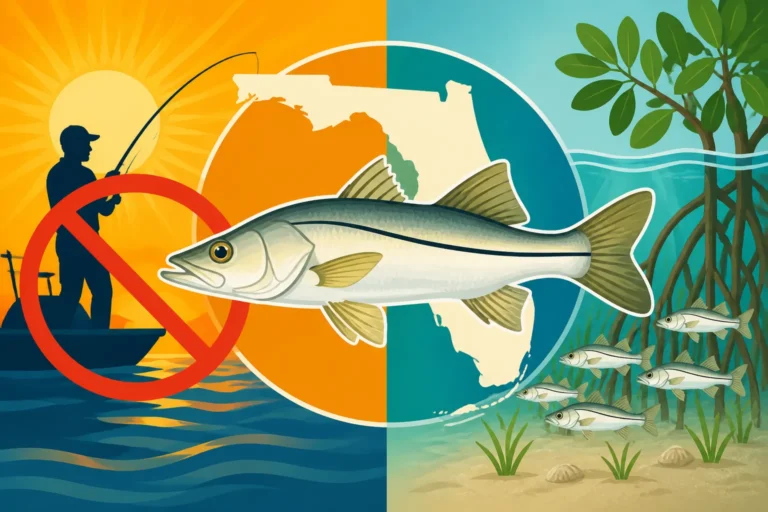
There's nothing quite like the thrill of a snook hitting your line, but the excitement can quickly turn to frustration when you realize the season might be closed. Florida's snook regulations can feel like a constantly shifting puzzle, especially with different rules for different parts of our beautiful state. This guide is here to untangle the complexities of Florida's snook season closures by region, helping you understand when and where you can legally target and keep these incredible game fish.
The Perennial Puzzle of Snook Seasons: Why They Close and Why It Matters
Florida's snook populations are a precious resource, providing endless enjoyment for anglers and a vital part of our marine ecosystem. However, they're also quite sensitive to environmental changes and fishing pressure. This is why the Florida Fish and Wildlife Conservation Commission (FWC) implements specific closure periods, often varying by region. It's not just about setting arbitrary dates; these closures are a crucial conservation strategy, designed to protect snook during their most vulnerable times.
Spawning Patterns: Protecting the Next Generation
One of the primary reasons for snook season closures is to protect these fish during their spawning periods. Snook typically gather in large numbers in passes, inlets, and nearshore waters to reproduce. This makes them particularly susceptible to overfishing. Imagine a bustling nursery, and suddenly, everyone wants to take the newborns home – it just wouldn't work for long-term sustainability! By closing the season during these critical times, the FWC ensures that snook have the best possible chance to successfully spawn, lay their eggs, and contribute to the next generation of fish. This proactive approach helps maintain healthy snook populations for years to come. During these periods, anglers are encouraged to practice careful Catch and Release Best Practices for Snook if they choose to target them.
Vulnerability to Cold Weather: A Lifeline for Snook
Another significant factor, especially for some regions, is the snook's sensitivity to cold temperatures. Unlike many other Florida fish, snook are tropical species and do not tolerate cold water well. A sudden, prolonged cold snap can be devastating, leading to large-scale fish kills. When water temperatures plummet, snook become lethargic and stressed, making them easy targets for predators and even easier to catch. To prevent further stress and give the surviving fish a fighting chance to recover, the FWC often implements emergency or pre-planned winter closures. This protection is vital, especially after severe cold weather events, to allow the populations to rebound. This is why you'll often see distinct Why Florida Closes Snook Season in Winter rules.
Florida's Regional Approach to Snook Management: Understanding the Zones
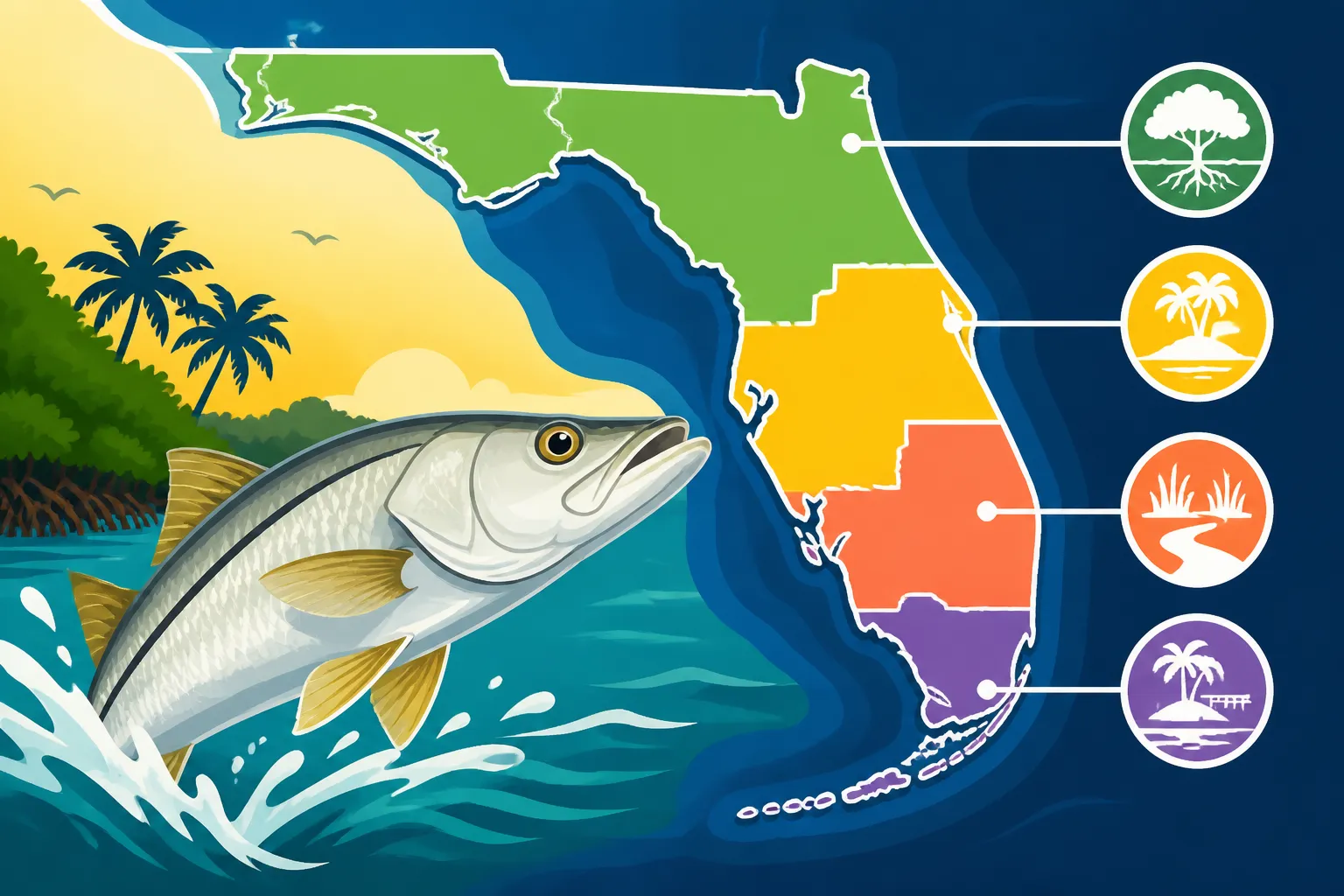
Florida is a long state with varied coastal environments, from the temperate waters of the Panhandle to the subtropical climes of the Keys. It stands to reason that snook populations and their behaviors might differ across these vast stretches of coastline. To effectively manage these differences, the FWC divides Florida into distinct regions for snook management, each with its own specific set of rules and closure dates. This tailored approach allows for more precise conservation efforts, accounting for regional spawning times, environmental conditions, and population dynamics. Getting familiar with these zones is the first step in mastering snook regulations.
The Gulf Coast: Its Unique Challenges and Closures
The Gulf Coast of Florida, stretching from the Panhandle down to the southern tip of the mainland, faces unique ecological conditions. This vast expanse includes diverse habitats, from shallow grass flats to deep passes, but it's also more susceptible to significant cold fronts pushing down from the north compared to parts of the Atlantic. Snook here exhibit specific spawning patterns, generally moving to coastal waters and inlets for reproduction in the warmer months. As a result, the Gulf Coast region typically sees seasonal closures designed to protect these fish during their most vulnerable reproductive periods.
Anglers targeting snook in areas like Tampa Bay, Charlotte Harbor, and the Ten Thousand Islands need to pay close attention to the Gulf Coast regulations. These closures are critical for maintaining the health and abundance of snook in these vital estuaries. Typically, you'll find a closure in the winter months to protect against cold weather stress and another during peak spawning times in the late spring and early summer. It's not uncommon for these dates to be adjusted based on population assessments or environmental events, so always check the latest FWC guidelines before you head out. A quick search on Amazon for "Florida fishing regulations handbook" can yield a handy guide that often includes these regional maps and dates.
The Atlantic Coast: Different Pressures, Different Rules
Moving over to Florida's Atlantic Coast, the waters are often influenced by the warmer currents of the Gulf Stream, which can moderate winter temperatures compared to some areas on the Gulf side. However, the Atlantic Coast also has its own distinct pressures, including heavy fishing activity around major inlets and urban centers. Snook populations here also have specific spawning behaviors, often congregating in inlets and nearshore areas during spring and summer. Therefore, the Atlantic Coast has its own set of seasonal closures tailored to these regional characteristics.
Anglers fishing spots like Sebastian Inlet, Mosquito Lagoon, or the Indian River Lagoon will operate under Atlantic Coast snook regulations. These closures are strategically timed to coincide with spawning periods, ensuring that the fish have a chance to reproduce unhindered. Just like the Gulf Coast, there are typically both a winter closure period to safeguard against colder waters and a spring/early summer closure for spawning. The exact dates can sometimes differ from the Gulf, highlighting the importance of knowing your specific fishing zone. Keeping a close eye on the FWC website or investing in a reliable fishing calendar, perhaps one found on Amazon that specifies state regulations, is highly recommended. You can also learn more about specific regulations in the Florida Snook Fishing Guide.
Everglades National Park: A Special Case for Snook Protection
Everglades National Park is a unique and incredibly important ecosystem, and its snook populations are managed with an extra layer of protection due to its status as a national park and critical conservation area. The regulations within Everglades National Park for snook can often be more stringent or operate on a different schedule than the broader state regulations for the Gulf or Atlantic coasts. This is because the park's primary mission is the preservation of its natural resources and wildlife, and snook are a keystone species within its brackish and saltwater habitats.
Fishing within the park typically requires a permit in addition to your state fishing license, and the rules regarding snook are often geared towards minimizing impact and ensuring sustainability. Historically, snook fishing within certain areas of the park has been catch-and-release only, or subject to extended closures, sometimes even year-round for harvest. This heightened level of protection reflects the park's commitment to ecological integrity. Anglers planning a trip to fish for snook in the Everglades, whether in Flamingo or the Ten Thousand Islands region within the park boundaries, must absolutely check the specific National Park Service regulations in addition to FWC rules. It’s a distinct management regime, and adherence is crucial to both avoiding penalties and supporting conservation efforts in this irreplaceable natural wonder.
Decoding the Snook Season Calendar: Typical Closure Periods
Understanding the general flow of snook season closures is crucial for any angler in Florida. While exact dates can shift slightly year to year based on environmental factors or FWC assessments, there are typical patterns that emerge. These patterns are designed around the snook's natural life cycle, specifically their need to spawn and their vulnerability to cold. By grasping these overarching themes, you can better anticipate when and where snook will be off-limits for harvest, allowing you to plan your fishing trips accordingly.
Spring Spawning Closures: Protecting the Next Generation
The spring and early summer months are prime time for snook to spawn, especially in the nearshore waters, inlets, and passes where they gather in large numbers. These aggregations make them particularly easy targets, and harvesting during this critical period could severely impact future populations. This is why both the Gulf and Atlantic coasts typically implement a closure during these warmer months.
For example, you'll generally find closures spanning a portion of May, June, and often into July. These dates are crucial because they directly correspond with the peak spawning activity of snook across the state. The idea is to give the snook a clear window to reproduce and disperse their eggs without the added pressure of anglers keeping them. While you might still encounter snook during these times, all harvest is prohibited. This means any snook caught must be immediately and carefully released, following best practices to ensure their survival. It’s a powerful way we, as anglers, contribute directly to the health of the fishery. Always check the official FWC website for the precise dates, as they are the final authority. For details on what is considered a legal snook, refer to Florida Snook Size and Slot Limits.
Winter Cold-Weather Closures: A Lifeline for Vulnerable Fish
Snook are a tropical species, and unlike some of their hardier counterparts, they simply don't do well in cold water. When water temperatures drop significantly, particularly below 60 degrees Fahrenheit, snook become stressed, lethargic, and highly susceptible to disease or even death. Prolonged cold snaps, which Florida occasionally experiences, can lead to devastating fish kills, impacting the population for years.
To mitigate this risk, Florida implements winter closures, typically spanning parts of December, January, and February, though these can vary regionally and are often influenced by actual weather patterns. The primary goal of these closures is to reduce additional stress on snook during these vulnerable periods. When a cold front hits, snook will often seek deeper, warmer waters, or congregate in canals and protected areas. Catching them when they are already weakened adds immense stress and can reduce their chances of survival. Therefore, during winter closures, just as with spawning closures, all snook caught must be released unharmed. This compassionate approach ensures that snook have the best chance to recover from the cold and thrive once warmer weather returns. Understanding these closures ensures you're fishing responsibly and ethically.
Here's a general overview of typical snook closure periods by region. Remember, these are general and subject to change by FWC, so always verify current regulations before fishing!
| Region | Typical Spawning Closure | Typical Cold Weather Closure | Key Regulations Notes |
|---|---|---|---|
| Gulf Coast | May 1 – Aug 31 | Dec 1 – Feb end | Check FWC for exact start/end dates and any emergency orders. |
| Atlantic Coast | June 1 – Aug 31 | Dec 15 – Jan 31 | Dates can vary slightly; always confirm with FWC. |
| Everglades Nat. Park | Often Year-Round Catch & Release | Check NPS specific rules | More restrictive, may be permanent catch-and-release. |
Beyond the Calendar: Unpredictable Closures and How to Stay Informed
While there are standard seasonal closures for snook, nature doesn't always stick to a schedule. Florida's dynamic environment means that sometimes, unexpected events can trigger additional, emergency closures. These unforeseen circumstances, such as severe cold snaps, red tide events, or hurricane impacts, require swift action from the FWC to protect snook populations from further harm. As an angler, staying informed about these unpredictable changes is just as important as knowing the regular calendar dates.
Emergency Closures: When Nature Forces a Hand
Picture this: you've planned your long-awaited fishing trip, checked the calendar, and the snook season is open! But then, a severe, unseasonable cold front sweeps through, dropping water temperatures dramatically, or a widespread red tide bloom appears. These are precisely the types of events that can lead to emergency snook closures. When snook are stressed by extreme cold, they become lethargic and gather in warm-water refuges, making them incredibly vulnerable. Similarly, red tide events, with their associated toxins and oxygen depletion, can decimate fish populations.
In these situations, the FWC acts quickly to implement temporary emergency closures. These closures are not predetermined but are reactive measures to protect the snook population from further stress or mortality. They can be statewide, regional, or even specific to certain bodies of water. The duration of these emergency closures varies, lasting until conditions improve and the snook population shows signs of recovery. Always check the FWC's official website or download their Fish Rules app before every trip. It's truly your best resource for real-time updates on these critical, unplanned changes. Having a quality fishing shirt, perhaps one you ordered from Amazon, with sun protection can make a long day of checking regulations and fishing much more comfortable.
Your Role in Conservation: What to Do During Closed Seasons
Whether it's a planned seasonal closure or an unexpected emergency order, closed snook seasons are designed for one reason: conservation. As anglers, we have a vital role to play in supporting these efforts. During any closed season, the most crucial rule is simple: if you catch a snook, it must be immediately and carefully released. This means handling the fish as little as possible, using appropriate What Pound Test Line for Snook Fishing? and tackle to minimize fight time, and employing proper release techniques to ensure the fish's best chance of survival. Avoid taking the fish out of the water for photos, especially if it's struggling.
Beyond careful catch-and-release, closed seasons offer a fantastic opportunity to explore targeting other species. Florida boasts an incredible diversity of fish, many of which have open seasons when snook are closed. You could shift your focus to redfish, trout, or even try your hand at freshwater bass fishing, which often has less restrictive seasonal rules. It's also a great time to maintain your gear, spool up new line, or browse new tackle options on Amazon. Remember, responsible angling ensures that future generations will also have the opportunity to experience the thrill of catching Florida's iconic snook. Your actions during closed seasons directly contribute to the sustainability of this incredible fishery.
Disclaimer
This article is for general informational purposes only and does not constitute professional advice. Laws, prices and regulations vary by location and change over time. Consult a qualified professional for guidance on your specific situation.