What Is the Florida State Record Grouper?
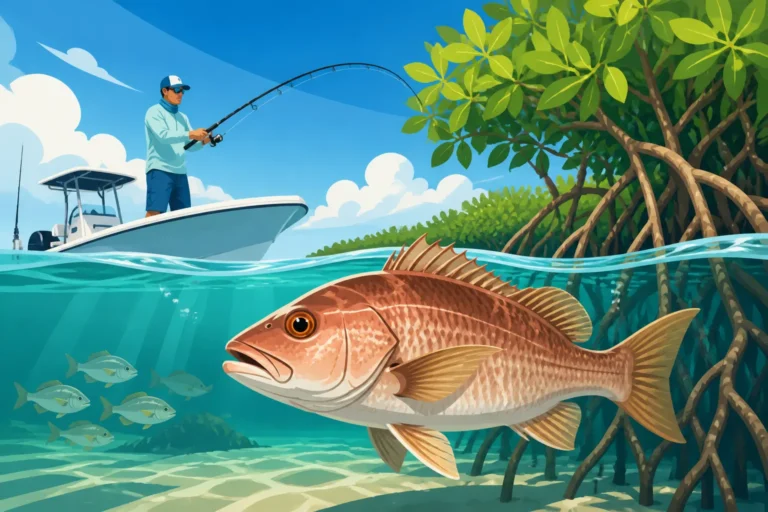
There's nothing quite like the thrill of feeling a true heavyweight on the end of your line, especially when you're fishing in Florida. For many anglers, the ultimate dream isn't just a big fish, but a state record. When it comes to grouper, that dream can feel pretty monumental! This guide will dive into what constitutes a Florida state record grouper, the various species that hold these impressive titles, and what it takes to even dream of catching one.
Understanding the Florida State Record Grouper: It's More Than Just One Fish
When people ask, "What is the Florida state record grouper?", it's a fantastic question, but it's a little like asking what the record for "tree" is. Florida's waters are teeming with a variety of grouper species, each with its own distinct characteristics, habitats, and, crucially, its own state record category. The Florida Fish and Wildlife Conservation Commission (FWC) meticulously maintains records for different species, acknowledging the incredible diversity of these powerful bottom dwellers. It’s not just about any old grouper; it’s about a specific species that shatters previous benchmarks.
These records are a testament to the sheer size and strength some of these fish can achieve, far surpassing what most recreational anglers typically encounter. Think about it: you might catch a solid 20-pound gag grouper on an average day, but a state record is an entirely different beast, often double or even triple that size for many species. It's a truly humbling experience, a blend of preparation, skill, and that undeniable bit of luck that makes fishing so captivating. For many, just knowing the stories behind these monster fish is enough inspiration to keep dropping lines.
What Constitutes a State Record?
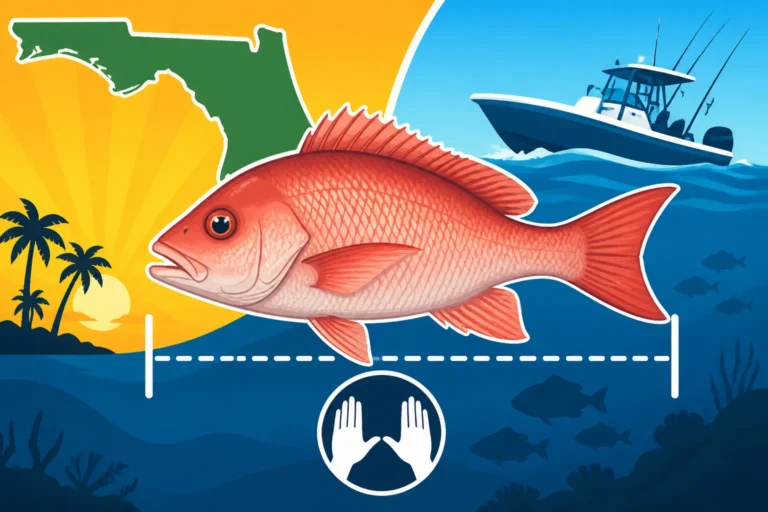
Setting a state record isn't as simple as just weighing a big fish at the dock. The FWC has a very precise protocol to ensure the integrity of these prestigious titles. It's not a casual affair; it's a rigorous process designed to confirm the catch's authenticity and ensure fair play.
First and foremost, the fish must be legally caught according to all existing regulations, including proper Florida Fishing Regulations and Bag Limits. This means no illegal gear, no fishing in closed seasons or areas, and adhering to all licensing requirements. Every detail matters, from the type of bait to the method of retrieval. Secondly, the fish must be accurately identified to the species level. This is critical for grouper, as many species can look similar, especially to an untrained eye. A certified biologist or FWC officer will typically confirm the species. Finally, the fish must be weighed on a certified scale, usually at an official weigh station, often in the presence of witnesses. The scale needs to be calibrated and approved for commercial use to ensure absolute accuracy, leaving no room for doubt. Documentation, including photographs and sometimes even a sworn affidavit, is also part of the package. It's a whole procedure, but it's what makes a record truly count.
The Prestige and Inspiration of Record-Breaking Catches
The allure of a state record isn't just about bragging rights; it's about pushing the boundaries of what's possible, inspiring anglers, and highlighting the incredible natural resources Florida has to offer. Every record set becomes a part of the state's fishing heritage, a benchmark for future generations of anglers to aspire to. It motivates people to explore new techniques, seek out untapped fishing grounds, and invest in top-quality gear, like a sturdy rod and reel combo that you might find on Amazon designed for battling big fish. These stories fuel our passion and remind us why we endure early mornings, long boat rides, and the occasional skunking. They show us that the next cast could always be the cast.
Prominent Florida Grouper Species and Their Record Potential
Florida's waters, from the shallow flats to the deep offshore ledges, are home to an impressive array of grouper species. Each offers a unique challenge and the potential for a truly memorable catch. While most grouper species in Florida have a state record associated with them, some are more frequently targeted by anglers and thus tend to be the ones people think of when discussing "record grouper."
Let's explore some of the more well-known grouper species you might encounter and what makes them record-worthy. Remember, while I won't list specific poundage for current records here (as these figures can change, and you should always check the FWC's official site for the absolute latest numbers), I can tell you these are truly massive fish, often dwarfing what most anglers consider a "good catch."
Gag Grouper: The Grunt and Run King
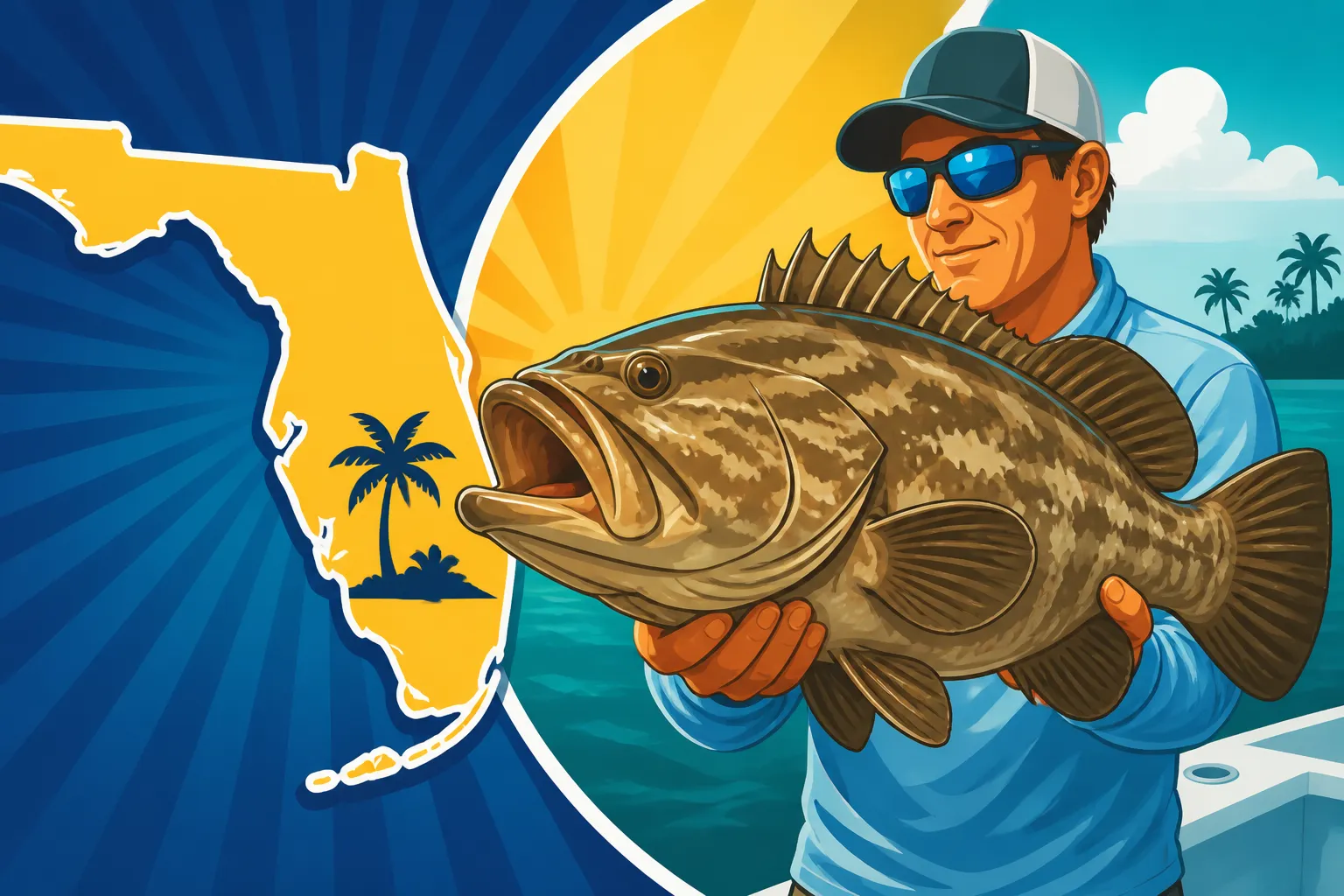
The Gag Grouper (Mycteroperca microlepis) is arguably one of Florida's most popular and sought-after grouper species. Anglers love them for their aggressive strikes and powerful, structure-hugging fights. When you hook a big gag, they make a beeline for the nearest rock, wreck, or reef, and if you don't stop them fast, you'll get "rocked" – meaning your line gets cut on the sharp edges of their hideout. The state record for Gag Grouper is a truly impressive specimen, a colossal fish that far exceeds the average keeper size. Imagine wrestling a fish that heavy away from sharp structure; it takes immense strength, precise rod control, and robust tackle. Many seasoned offshore anglers spend countless hours specifically targeting these brutes.
Catching a record-sized Gag often means fishing in deeper waters, sometimes over 100 feet, using heavy jigs or live bait like pinfish or grunts. You need gear that can handle the initial, powerful drag-screaming run, often a heavy conventional setup with strong braided line. Many dedicated anglers study fishing reports and lunar phases, even researching what gear reputable charters use, to give themselves an edge.
Red Grouper: The Steady Puller
Red Grouper (Epinephelus morio) are another staple of Florida's offshore fishing scene, particularly in the Gulf of Mexico. They tend to be found on hard bottom, coral reefs, and rocky ledges, often in slightly shallower waters than Gag Grouper but still requiring a boat to reach. While they might not have the explosive "grunt and run" of a gag, a large Red Grouper puts up a steady, powerful fight, trying to pull you straight back down into the depths. The state record Red Grouper is a truly enormous fish, a testament to the growth potential of this species.
Anglers targeting red grouper often use heavy bottom fishing rigs with natural baits such as cut squid, sardines, or live pinfish. Unlike gags, reds are less prone to rock you immediately but will relentlessly try to bulldog their way back to cover. You need a strong back, a well-tuned reel, and a heavy-action rod to bring one of these monsters to the surface. Good quality hooks and leader material are absolutely essential, as a record-breaking fish will test every component of your tackle. You can find excellent selections of these essential items on Amazon to ensure your gear is up to snuff.
Black Grouper: The Deepwater Beast
The Black Grouper (Mycteroperca bonaci) is often considered the "king" of the shallow-to-mid depth groupers, prized for its sheer size and fighting prowess. These fish can grow incredibly large and are found in both Gulf and Atlantic waters, often around deeper wrecks, reefs, and rocky bottom. A record-setting Black Grouper is a sight to behold – a true giant that commands respect. They are known for their strong initial run and their ability to quickly wear out an unprepared angler.
Targeting Black Grouper typically involves fishing deep water structures with large live baits like legal grunt, sizable pinfish, or even small jacks. Heavy-duty tackle is not just recommended; it's mandatory. We're talking about stout rods, high-capacity reels with plenty of heavy braid, and strong fluorocarbon leaders. The fight is intense and prolonged, requiring stamina and strategic pumping of the rod. Many professional captains and seasoned anglers dedicate their lives to pursuing these magnificent creatures, understanding that every battle is a test of will and tackle.
Goliath Grouper: The Protected Giant
The Goliath Grouper (Epinephelus itajara) is perhaps the most iconic giant among Florida's grouper species. These truly gargantuan fish can weigh hundreds of pounds and are a major draw for divers and photographers due to their impressive size and docile nature. However, it's crucial to understand that Goliath Grouper are a protected species and cannot be harvested in Florida. This means there is no "state record" for a kept Goliath Grouper in the traditional sense, though FWC might maintain a "catch and release" record or historical data from before their protection.
While you can't keep them, catching and releasing a Goliath Grouper is an unparalleled experience. It's a pure test of strength and endurance, a battle that can last for an hour or more with a fish that can easily outweigh several grown men. They are often found around large wrecks, bridges, and deep-water structures. If you ever hook into one, be prepared for the fight of your life, ensure you have appropriate gear for a quick and safe release, and treat the fish with the utmost care. Many anglers specifically book trips with guides who specialize in catch-and-release Goliath fishing for the sheer thrill of the fight.
Other Notable Grouper Species with Record Potential
Florida is also home to other grouper species, each with its own state record to chase:
- Warsaw Grouper (Hyporthodus nigritus): These are true deep-water giants, often caught in depths exceeding 300 feet. They are solitary and powerful, and a state record Warsaw is a rare and monumental catch.
- Yellowfin Grouper (Mycteroperca venenosa): Found on coral reefs in the Florida Keys and parts of the Atlantic, they are known for their distinctive yellow fins and can grow quite large.
- Scamp (Mycteroperca phenax): A smaller, but incredibly delicious, grouper often found in deeper waters. While smaller than gags or blacks, a record scamp is still a very respectable fish.
Each of these species presents its own unique challenge and requires specialized knowledge and gear to target effectively. From specific depths to preferred baits, understanding the nuances of each grouper is key to even dreaming of a record-breaking catch. Remember, you can find specialty rods, reels, and even marine electronics on Amazon that cater to deep-dropping for species like Warsaw Grouper.
Here's a quick overview of some prominent grouper species in Florida:
| Grouper Species | Typical Habitat | Average Adult Size | Record Potential (Relative) | Common Fishing Technique |
|---|---|---|---|---|
| Gag Grouper | Reefs, wrecks, rocky bottom (mid-depth) | 10-40 lbs | High | Bottom Fishing, Jigging |
| Red Grouper | Hard bottom, coral reefs (shallower offshore) | 5-25 lbs | High | Bottom Fishing |
| Black Grouper | Deeper reefs, wrecks, rocky bottom | 20-70 lbs | High | Bottom Fishing, Live Bait |
| Goliath Grouper | Wrecks, bridges, deep structures (protected) | 100-800+ lbs | Catch & Release Only | Heavy Live Bait |
| Warsaw Grouper | Very deep offshore ledges (300ft+) | 50-300+ lbs | Very High | Deep Dropping |
| Yellowfin Grouper | Coral reefs (Keys, Atlantic) | 10-30 lbs | Moderate | Bottom Fishing |
| Scamp | Deep rocky bottom | 5-15 lbs | Moderate | Bottom Fishing, Light Jigging |
Note: This table provides general information. Actual sizes and record potential can vary widely. Always consult official FWC resources for current regulations and record details.
The Quest for a Record: Tips and Considerations
Chasing a state record isn't for the faint of heart. It requires dedication, preparation, and often, a significant investment of time and resources. But for those who are truly passionate, the journey itself can be incredibly rewarding.
Essential Gear for Monster Grouper
Landing a truly enormous grouper, one with record potential, demands top-tier gear. You simply can't skimp on quality when battling a fish that can put hundreds of pounds of pressure on your tackle.
- Rods and Reels: For most large grouper, you'll want heavy conventional setups. Look for rods with a strong backbone and sensitive tip, capable of handling 80-130 pound test line. Reels should have a high-quality drag system that can withstand sustained pressure without faltering. Brands like Penn, Shimano, and Daiwa offer excellent options that are widely used by serious grouper anglers. You can find detailed reviews and purchase these on Amazon to compare models and ensure you're getting the right tool for the job.
- Line: Braided line is almost a necessity for deepwater grouper fishing due to its minimal stretch, which allows for better bite detection and stronger hooksets in deep water. Pair it with a heavy fluorocarbon leader, typically 80-200 pound test, for abrasion resistance against sharp rocks and the fish's rough mouth.
- Terminal Tackle: Use strong, sharp hooks – often 8/0 to 12/0 circle hooks are preferred for their effectiveness and ability to hook fish in the corner of the mouth, reducing gut-hooking. Heavy-duty swivels, snaps, and sinkers appropriate for the depth and current are also crucial.
Techniques and Strategies
Targeting record-sized grouper goes beyond simply dropping a line. It involves understanding their behavior, habitat, and feeding patterns.
- Locating Structure: Grouper are structure-oriented fish. They love wrecks, natural reefs, rock piles, ledges, and even artificial reefs. High-end sonar and GPS units are invaluable for finding these honey holes, especially in deeper offshore waters. Many anglers spend hours studying charts and historical data to pinpoint productive spots.
- Bait Selection: Live bait is often king for big grouper. Pinfish, legal grunts, threadfin herring, sardines, and even small jacks are all excellent choices. For deep dropping, large cut baits like bonita or legal amberjack can also be highly effective. The fresher the bait, the better.
- Heavy Lifting: When a big grouper bites, the first few seconds are critical. You need to put maximum pressure on the fish immediately to turn its head away from structure. This often means cranking down the drag and using a technique called "winching" or "power cranking" to get them up a few feet before they can escape. This is where a Florida Offshore Fishing Charter Guide can teach you invaluable tips.
- Patience and Persistence: Record fish aren't caught every day. There will be many trips where you catch smaller fish or nothing at all. The quest for a record is a marathon, not a sprint, requiring immense patience and an unwavering commitment to the pursuit.
Safety First on the Water
When venturing offshore for large grouper, especially in deeper waters, safety should always be your top priority. Ensure your boat is seaworthy, well-maintained, and equipped with all necessary safety gear, including life jackets, flares, a VHF radio, and an EPIRB. Always check the weather forecast before heading out, as conditions can change rapidly in Florida. Fishing for large fish can also be physically demanding, so be mindful of your limits and stay hydrated. Consider fishing with experienced buddies or booking a reputable charter that prioritizes safety.
What to Do if You Catch a Potential Record
If you believe you've landed a fish that could be a state record, here’s a quick rundown of what to do:
- Do NOT fillet or clean the fish. The FWC needs the fish intact for identification and verification.
- Keep the fish alive if possible, or at least on ice to preserve its condition.
- Contact FWC immediately. They have a specific process for record applications and can guide you through the next steps, including directing you to a certified weigh station.
- Take clear photos. Document the catch from multiple angles.
- Be prepared for verification. This will involve accurate species identification, weighing on a certified scale, and possibly a detailed account of the catch.
Remember, the thrill of the chase and the experience of battling a powerful fish are often as rewarding as the catch itself. Whether you're targeting the smallest scamp or dreaming of the largest black grouper, Florida's waters offer endless opportunities for incredible fishing adventures. Don't forget to check out our guides on Florida Grouper Fishing Guide and Florida Gag Grouper Season Dates for more specific information on these magnificent fish. Happy fishing!
Disclaimer
This article is for general informational purposes only and does not constitute professional advice. Laws, prices and regulations vary by location and change over time. Consult a qualified professional for guidance on your specific situation.