How Big Do Tarpon Get in Florida?
It's a question that whispers on every angler's lips, especially when you're gearing up for a Florida adventure: just how big do these majestic "Silver Kings" truly get? The thought of hooking into one of these magnificent creatures is enough to quicken any heartbeat, and the sheer power they possess is legendary. This guide is here to unravel the mystery of tarpon size in Florida, exploring not just their typical dimensions but also the factors that contribute to their impressive growth and what you can realistically expect when you encounter one of these incredible fish in the Sunshine State.
What Size Tarpon Can You Expect to Catch in Florida?
When we talk about tarpon in Florida, we're talking about a fish that commands respect and awe, primarily due to its incredible size and fighting prowess. While they start small, their growth rate is impressive, and they quickly mature into formidable opponents for any angler. You're not likely to find a "small" adult tarpon in Florida waters; they tend to be substantial.
Average Sizes for Florida Tarpon
Most recreational anglers targeting tarpon in Florida will encounter fish ranging from about 40 to 80 pounds. This is a very common range, especially in the estuaries, bays, and along the beaches where they are frequently targeted. These "average" tarpon are still absolute beasts, capable of incredible runs and acrobatic leaps that will test your tackle and your stamina. Imagine a fish that's longer than your arm, thick like a football player's thigh, and brimming with explosive energy – that's your average Florida tarpon. They might not be the giants of legend, but they are certainly no pushovers.
For instance, if you're fishing the legendary Boca Grande Pass during the migration, you'll see a lot of fish in this 60-100 pound range, with many pushing even heavier. These fish are strong, well-fed, and ready to put on a show. Similarly, in the shallow flats of the Florida Keys, while you might spot smaller, younger fish, the ones that take a fly or lure are often in this solid 50-80 pound bracket, offering an unparalleled shallow-water challenge.
Trophy Tarpon and Record-Breaking Giants
While the average catch is impressive, Florida is also home to true leviathans that can tip the scales at well over 100 pounds. These are the fish that dreams are made of, often referred to as "trophy tarpon." Fish weighing 150 pounds or more are certainly not unheard of, particularly in certain regions and during peak migration times. The current state record for Florida tarpon, for example, is an astonishing specimen that weighed in at over 200 pounds!
Catching a tarpon of this magnitude is a rare feat, often requiring specific tactics, heavy-duty gear, and a good dose of luck and perseverance. These monstrous fish are typically older, wiser, and have survived countless encounters. Targeting them often involves live bait fishing in deeper channels or patient sight fishing on the flats where their sheer bulk makes them stand out. Think about trying to land a small refrigerator on a rod and reel – that's the kind of challenge these record-breakers present. If you're serious about chasing a giant, consider booking a specialized Florida Tarpon Fishing Guide who knows the local waters and the habits of these colossal fish.
Here’s a quick overview of what to expect:
| Category | Typical Weight Range (lbs) | Typical Length Range (feet) | Notes |
|---|---|---|---|
| Juvenile | Under 10 | Under 2 | Found in backwaters, canals, freshwater |
| Average Adult | 40 – 80 | 3 – 5 | Most common catch for recreational anglers |
| Large Adult | 80 – 150 | 5 – 6.5 | Trophy class, powerful fighters |
| Record/Giant | 150+ | 6.5 – 8+ | Extremely rare, state record over 200 lbs |
Factors Influencing the Mighty Tarpon's Dimensions
It's not just random chance that determines how big a tarpon gets; several key environmental and biological factors play a significant role in their growth and overall size in Florida waters. Understanding these can give you a better appreciation for these incredible fish and where you might encounter the biggest ones.
Age and Growth Rate
Like most fish species, tarpon size is directly correlated with age. These fish can live for a surprisingly long time, often reaching 50 years or even more in some cases. The oldest and largest tarpon are the ones that have simply had more time to grow. Their growth rate is influenced by diet and habitat, but generally, they add significant length and girth over many years. A 100-pound tarpon is likely several decades old, having navigated countless challenges and seasons.
Initially, juvenile tarpon grow quite rapidly in nutrient-rich backwaters and canals, transforming from tiny larvae into hardy fish. As they mature and move into larger estuarine and coastal environments, their growth continues, albeit at a slower pace, but with increasing emphasis on gaining mass. The Florida Tarpon Migration Timing is also a key factor, as these fish follow bait and comfortable water temperatures, ensuring they have ample food sources to fuel their growth throughout their lives.
Food Availability and Diet
A fish is only as big as what it eats, and tarpon are opportunistic predators with a hearty appetite. Their diet largely consists of other fish like mullet, pinfish, sardines, and ladyfish, as well as crustaceans such as crabs and shrimp. Areas with an abundant supply of these baitfish and invertebrates tend to support larger, healthier tarpon populations.
Consider the rich estuaries and river mouths that are nurseries for many bait species; these are prime feeding grounds. When baitfish schools are plentiful, tarpon have a consistent food source, allowing them to pack on the pounds. Conversely, in areas where prey is scarcer, tarpon may not reach their full growth potential. This is why certain fishing spots in Florida are known for producing bigger fish – they are simply more productive ecosystems. Knowing What Do Tarpon Eat? can also help you select the most effective bait or lure to attract these giants.
Habitat and Environmental Conditions
The specific environment a tarpon inhabits throughout its life also greatly affects its potential size. Tarpon are highly migratory, moving between different habitats depending on the season, water temperature, and food availability. Those that spend more time in open coastal waters, large bays, and near deep passes often have access to a wider range of larger prey items and more stable conditions, leading to greater size.
For example, tarpon found in deeper coastal waters or offshore often grow larger than those that might spend more time in shallower, more confined freshwater or brackish canals, though even those smaller environments can hold surprising trophies. Water quality, salinity levels, and overall health of the ecosystem also play a critical role. A healthy habitat supports a healthy food chain, which in turn supports larger fish. Warm, stable water temperatures, especially, allow for consistent feeding and growth throughout the year, contributing to the impressive sizes seen in Florida.
The Thrill Beyond Just the Scale: Fighting a Silver King
While the potential for catching a giant tarpon is undoubtedly exciting, experienced anglers will tell you that the true measure of a tarpon isn't just its weight on a scale. It's the unforgettable experience of the fight itself.
The Unforgettable Battle
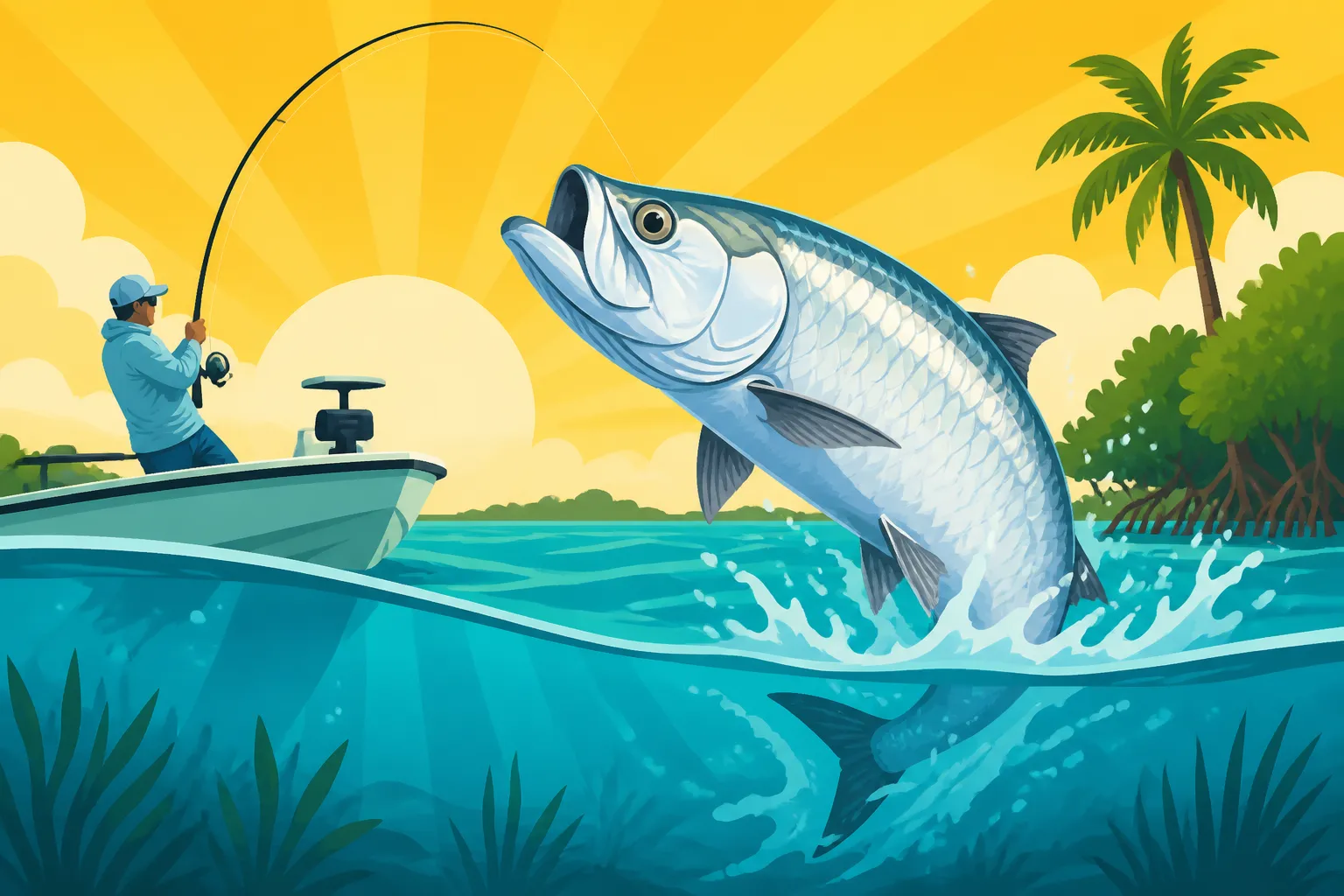
Hooking into a tarpon, regardless of its exact size, is a moment etched into every angler's memory. These fish are renowned for their incredible strength, blistering runs, and spectacular aerial displays. A tarpon's fight is characterized by explosive leaps out of the water, head shakes designed to throw the hook, and powerful surges that can peel line from your reel at an alarming rate. It's a true test of skill, patience, and physical endurance. Many would argue that a 60-pound tarpon fighting in shallow water is just as exhilarating, if not more so, than a 150-pound fish in open water, simply because of the sheer spectacle of the jumps.
Imagine standing on a flats boat, casting to a cruising "silver king" and watching it inhale your fly or lure. The next second, all hell breaks loose as it rockets skyward, shaking its head violently, then dives, stripping fifty yards of line before you can even react. It’s a dance that can last anywhere from 15 minutes to well over an hour, leaving you with aching arms and an adrenaline rush that few other fish can provide. This is why Fly Fishing for Florida Tarpon is considered one of the pinnacles of the sport; the close quarters battle amplifies every jump and run.
The Challenge of Landing and Release
Successfully landing a tarpon is a significant accomplishment. Their hard, bony mouths make hook sets tricky, and their powerful movements often result in pulled hooks or broken lines. Many anglers use heavier leaders and specialized knots to stand a chance. Even after you've fought it to the boat, the battle isn't over. Tarpon are notoriously difficult to bring alongside, especially the bigger ones, and require careful handling to ensure a safe release.
The focus in Florida is overwhelmingly on catch and release for tarpon, due to their value as a sport fish and their protected status. The goal is to revive the fish quickly and release it unharmed to fight another day. This means minimizing the time the fish is out of the water and handling it gently. Many guides carry special tools for quick hook removal. You’ll want durable gloves, and possibly specialized lip grippers (which you can find on Amazon along with other essential tarpon gear), to secure the fish briefly for a quick photo before revival. The ultimate trophy is not the fish you take home, but the healthy fish you send back.
Responsible Angling: Handling and Releasing Your Tarpon
Since tarpon are primarily a catch-and-release fishery in Florida, especially for the larger ones, responsible angling practices are absolutely crucial. Our goal as anglers is to ensure these magnificent fish can continue to thrive for future generations to enjoy.
Best Practices for Catch and Release
Releasing a tarpon properly is just as important as the fight itself. Here are some key guidelines:
- Minimize Fight Time: While a long fight is thrilling, it exhausts the fish. Use appropriate tackle (check What Pound Test Line for Tarpon Fishing?) that allows you to subdue the fish efficiently.
- Keep it in the Water: Try to keep the tarpon in the water as much as possible, especially its gills submerged. If you must bring it aboard for a quick photo, do so gently and quickly, supporting its body horizontally. Avoid holding it vertically by the jaw if it's a large fish, as this can damage its internal organs.
- Quick Hook Removal: Have pliers or de-hooking tools readily available. If the hook is deeply embedded, it may be better to cut the line close to the hook rather than risk further injury.
- Revive the Fish: After the fight and any brief photo opportunity, hold the tarpon by the tail and jaw, pointing it into the current. Move it gently back and forth to force water over its gills until it regains its strength and can swim away on its own power. This might take a few minutes. Don’t rush this step.
- Avoid Overhandling: Reduce physical contact with the fish's body to protect its protective slime coat.
- Use the Right Gear: Heavy-duty gloves, long-nosed pliers, and even a large measuring tape (many good options available on Amazon) are essential for safely handling and documenting your catch before release.
Understanding Tarpon Regulations
Florida has specific regulations in place to protect tarpon populations, emphasizing their status as a sport fish rather than a food fish. Most tarpon fishing is strictly catch and release. While a tarpon tag can be purchased for a harvest, it's a rare occurrence, usually reserved for potential record-breaking fish, and very few tags are issued. The regulations are complex and can change, so it's always imperative to check the most current rules before heading out.
The overarching principle is conservation. These fish are incredible natural resources, and their continued presence in Florida's waters depends on all of us practicing responsible angling. By understanding their size potential, the factors that contribute to it, and how to treat them with respect, we ensure that the legend of the Silver King will endure. For more on specific regulations, be sure to check out guides like Florida Fishing Regulations and Bag Limits.
When you're out there on the water, remember that a big tarpon isn't just a number on a scale. It's an ancient, powerful creature that has navigated the intricate waterways of Florida for decades. The honor is in the pursuit, the battle, and the respectful release.
Disclaimer
This article is for general informational purposes only and does not constitute professional advice. Laws, prices and regulations vary by location and change over time. Consult a qualified professional for guidance on your specific situation.