Is Redfish Good to Eat?
One of the most common questions I hear from anglers, especially those new to Florida's incredible inshore fishing scene, is whether redfish are good to eat. After all, you spend all that time and effort reeling in one of these beautiful, hard-fighting fish, and it’s natural to wonder if they'll be just as rewarding on the dinner plate. The short answer is a resounding "yes!" — but there's a lot more to it than a simple yes or no. This guide will dive deep into everything you need to know about preparing and enjoying your redfish catch, from understanding their flavor to the best cooking methods and responsible angling practices.
The Flavor Profile of Florida Redfish
Redfish, also known as red drum, are a truly iconic species in Florida's coastal waters. They put up an amazing fight, making them a favorite target for sport anglers. But their appeal doesn't stop there; many consider them a delicious table fare. However, like any fish, their taste can vary based on several factors, and proper handling is crucial to unlock their full culinary potential.
What Influences the Taste of Redfish?
The flavor of a redfish isn't a one-size-fits-all experience. Several elements play a significant role in how your catch will taste once it hits the pan or grill. Understanding these can help you better appreciate your meal and even inform your fishing choices.
Firstly, a redfish's diet greatly impacts its flavor. Redfish are opportunistic feeders, often munching on shrimp, crabs, and smaller baitfish like mullet and pinfish. Fish that have a diet rich in shellfish tend to have a sweeter, cleaner taste. Think about a redfish caught in clear, grassy flats where they’re primarily gorging on shrimp and fiddler crabs versus one pulled from a muddier, less active environment where their diet might be different. The former will likely yield a more desirable flavor. This is why knowing What Do Redfish Eat? can sometimes give you a hint about what to expect on your plate.
Secondly, their habitat plays a role. Redfish found in cleaner, saltier ocean water or pristine seagrass flats often have a milder, less "fishy" taste compared to those from brackish estuaries with lower salinity or muddier bottoms. While redfish adapt incredibly well to varying conditions, the environment they inhabit can subtly infuse their flesh with different characteristics. A redfish from the crystal-clear waters of the lower Keys, for instance, might taste slightly different than one from a more turbid estuarine system further north.
Lastly, and perhaps most significantly, size matters. The "slot limit" for redfish in Florida (which defines the legal size range you can keep) is in place for conservation, but it also often coincides with the best-eating sizes. Smaller, younger redfish tend to have a milder flavor and more delicate texture. As they grow larger, their flesh can become a bit tougher and stronger in flavor, sometimes developing a coarser texture. This is a common phenomenon with many fish species; the truly massive "bull" redfish, while an incredible trophy, are often best released to continue spawning, not just for conservation but for culinary preference as well. This is why understanding Florida Redfish Slot Limit Explained is so important, not just for legality, but for taste, too!
Describing the Redfish Culinary Experience
When properly handled and cooked, redfish generally offer a delightful culinary experience. The flesh is typically firm, white, and flaky. It’s not overly oily like some mackerel or bluefish, striking a nice balance that makes it versatile for many cooking methods.
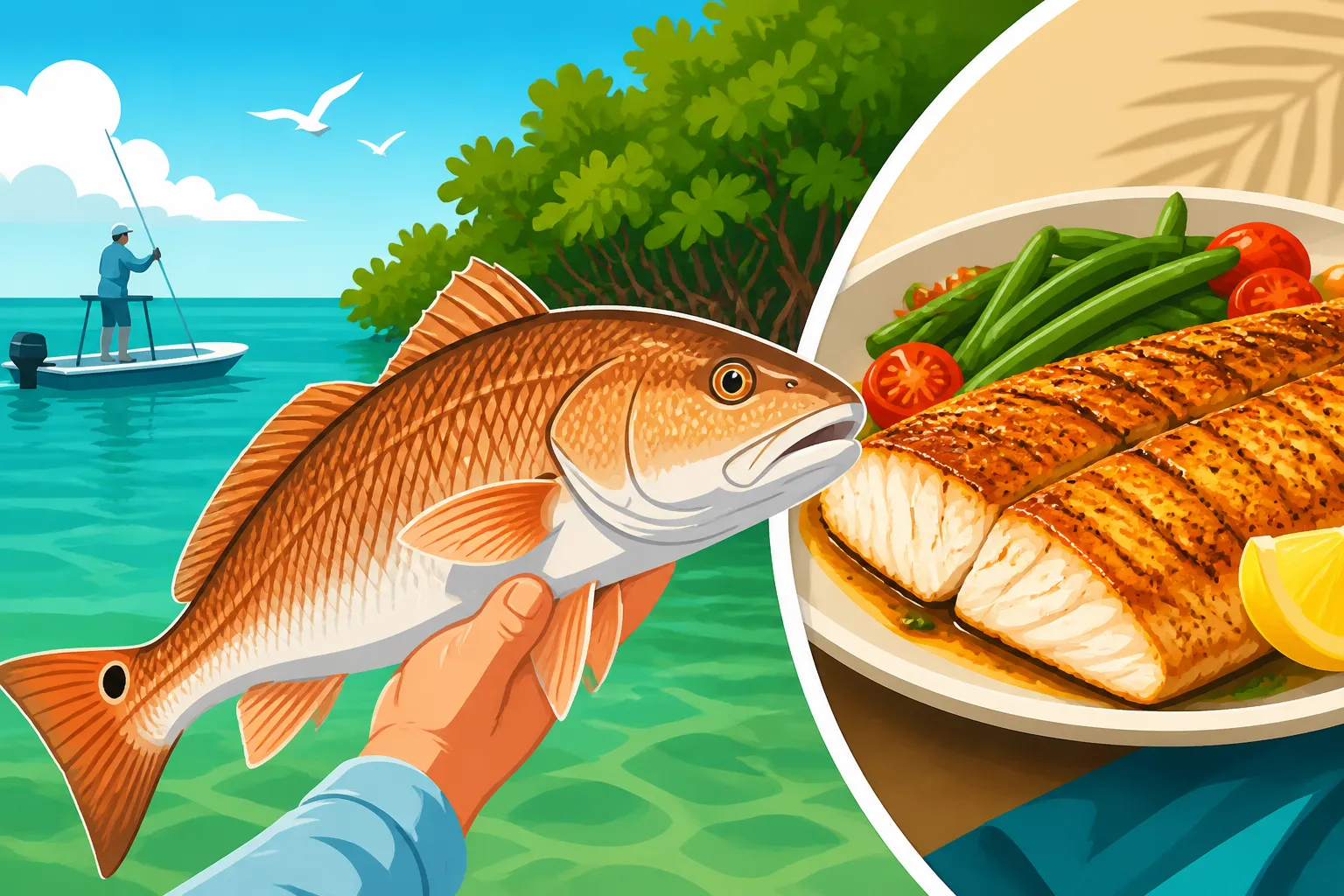
The flavor is often described as mild, sweet, and clean. It’s not a "strong" tasting fish, which makes it appealing to a wide range of palates, even those who claim not to love "fishy" fish. The mildness means it takes on seasonings and sauces beautifully, allowing your culinary creativity to shine without the fish's natural flavor being overpowered. You'll find it holds its shape well during cooking, whether you're grilling, baking, or pan-searing, which is a real plus.
Many compare redfish to other popular white, flaky fish like snapper or mahi-mahi, though each has its own unique subtle notes. The key takeaway is that redfish, particularly those within the slot limit, are highly regarded for their delicious taste and agreeable texture.
Freshness is Key: Maximizing Flavor
No matter how inherently good a fish tastes, its true flavor can only be experienced when it's as fresh as possible. This isn't unique to redfish, of course, but it bears emphasizing. From the moment you land your redfish, every step you take in handling it contributes to its final taste.
Keeping your catch alive or properly iced down immediately after landing is paramount. Many experienced anglers bleed their fish immediately by cutting a gill arch, which helps remove blood from the flesh, resulting in a cleaner, milder flavor. After bleeding, getting the fish on ice quickly and keeping it cold helps to stop bacterial growth and preserve the firmness and flavor of the meat. A good cooler filled with ice is an essential piece of gear, right up there with your rod and reel. I've seen too many otherwise fantastic catches diminish in quality because they spent too long in a warm livewell or a barely-iced cooler. For more tips on this, you might find our guide on How to Handle a Redfish for Release useful, as many of the initial care steps apply even if you intend to keep the fish.
Popular Ways to Prepare Redfish
Redfish is a remarkably versatile fish in the kitchen. Its firm, flaky white meat and mild flavor make it a fantastic canvas for a variety of cooking methods and spice profiles. From classic Southern preparations to simple, healthy meals, you’ll find plenty of ways to turn your catch into a memorable dinner.
Blackened Redfish: A Classic Florida Dish
When you talk about cooking redfish in Florida, the first thing that often comes to mind is blackened redfish. This iconic preparation became hugely popular, especially in the Gulf Coast region, and for good reason. It’s flavorful, creates a fantastic crust, and perfectly complements the redfish’s mildness.
To blacken redfish, you'll need a very hot cast-iron skillet – I mean smoking hot. The idea is to sear the fish quickly, creating a dark, spicy crust while keeping the inside moist and flaky. The "blackening" isn't about burning the fish, but rather developing a flavorful crust from the spices reacting with the intense heat. You generously coat your redfish fillets with a blend of specific blackening spices, which typically include paprika, cayenne pepper, garlic powder, onion powder, thyme, and oregano. Some folks like to dip the fillets in melted butter first to help the spices stick and to achieve an even richer crust.
When the skillet is smoking, you lay the seasoned fillets down. The sizzle and smoke are part of the experience! Cook for only a few minutes per side until that dark, flavorful crust forms. The inside will be perfectly cooked through but still tender. This method delivers a punch of flavor and a beautiful texture contrast that many find irresistible. If you want to master this, check out our full guide on the Best Way to Cook Redfish. You can find excellent pre-made blackening spice blends on platforms like Amazon, making it super easy to get started.
Grilling and Pan-Searing for Simplicity
For those who prefer a lighter, perhaps healthier, or simply quicker preparation, grilling and pan-searing are excellent choices for redfish. Both methods highlight the fish’s natural flavor without heavy coatings.
Grilling redfish gives it a wonderful smoky char and delicate flakiness. You can grill whole fillets, or for larger fish, even a "half shell" fillet (skin on, scales on) works wonders, protecting the delicate flesh from drying out and sticking. Lightly brush the fish with olive oil, season with salt, pepper, and your favorite herbs (lemon, dill, and parsley are always winners with fish), then grill over medium-high heat. Keep a close eye on it; redfish cooks relatively quickly, usually just a few minutes per side depending on thickness. It’s fantastic served with a squeeze of fresh lemon and some grilled vegetables. If you're out camping or glamping, a portable grill and some simple seasoning from your local market or even a handy set bought on Amazon can make for an incredible wilderness meal.
Pan-searing is equally straightforward and perfect for a weeknight dinner. Heat a non-stick or cast-iron skillet with a little olive oil or butter over medium-high heat. Season your fillets and place them skin-side down first, if the skin is left on. This helps crisp up the skin and protect the flesh. Cook until golden brown on one side, then flip and finish cooking. You'll know it's done when the fish flakes easily with a fork. It creates a beautiful crust and keeps the interior moist and tender.
Baking and Frying: Versatile Choices
Beyond blackening and searing, redfish also performs well with baking and frying, offering even more variety in how you enjoy your catch.
Baking redfish is a hands-off, healthy approach that’s great for meal prepping or when you’re cooking for a crowd. You can bake fillets simply with butter, lemon, and herbs, or get more adventurous with toppings like breadcrumbs, chopped vegetables, or even a light sauce. Place the seasoned fillets in a baking dish, perhaps on a bed of sliced lemons or onions, and bake at a moderate temperature until cooked through and flaky. This method results in a very moist and tender piece of fish, allowing the subtle sweetness of the redfish to come through beautifully.
Frying, on the other hand, is for when you want that crispy, golden exterior. While it’s not the healthiest option, a perfectly fried redfish fillet is a comfort food classic. You can go for a light dredge in seasoned flour or cornmeal, or a fuller batter for a fish-and-chips style meal. Heat your oil to the right temperature (around 350-375°F) and fry the pieces until they are golden brown and float. The mild flavor of redfish holds up well to the richness of frying, and the crispy coating adds a delightful textural contrast. Just remember that Florida has very specific Florida Fishing License Guide requirements, so always ensure you're legally permitted to keep your catch before you plan your fish fry!
Handling and Cleaning Your Redfish for the Table
The journey from the water to your dinner plate is just as important as the cooking method itself. Proper handling and cleaning are absolutely critical to ensure your redfish tastes as good as it possibly can. Skipping these steps can lead to a less-than-stellar meal, no matter how skilled you are in the kitchen.
Proper Catch Care: From Hook to Cooler
This cannot be stressed enough: the care you take immediately after catching a fish directly impacts its flavor and texture. Think of it like fresh produce – you wouldn't leave a perfectly ripe tomato sitting in the sun for hours before bringing it inside, right? The same principle applies to your redfish.
Once you've decided to keep a redfish (and confirmed it's within the legal Florida Redfish Size and Bag Limits), the first step is to humanely dispatch the fish. A quick blow to the head or a technique called 'iki jime' (spiking the brain) can achieve this. This minimizes stress on the fish, which prevents the release of lactic acid into the muscles that can negatively affect flavor.
Next, and this is a big one: bleed the fish. While not all anglers do this, I highly recommend it for any fish you plan to eat. By making a quick cut to the gills, you allow the blood to drain from the fish's system. Blood left in the flesh can impart a stronger, sometimes "gamey" or metallic flavor. Bleeding results in cleaner, milder-tasting white meat. You can do this by placing the fish head-down in a bucket of seawater or simply letting it bleed out over the side of the boat (away from swimming areas, of course).
Finally, and most importantly, get that fish on ice, and lots of it! An insulated cooler filled with a slurry of ice and saltwater is ideal. The saltwater helps keep the fish cold more effectively than just ice alone and maintains skin quality. The goal is to rapidly chill the fish to stop bacterial growth and preserve its freshness. Don’t just throw a few cubes on top; fully submerge the fish in ice if possible. This rapid cooling maintains the firm texture and delicate flavor of the redfish. Investing in a quality cooler is just as important as your fishing gear; after all, you want to protect your prize!
Filleting Redfish: Step-by-Step
Filleting a redfish is a straightforward process, but like any skill, it improves with practice. A sharp, flexible fillet knife is your best friend here. You can find excellent fillet knives, along with sharpening tools, readily available on platforms like Amazon.
Here's a basic rundown of the typical filleting process:
- Prepare your workstation: Lay the fish on a clean, stable surface. Some anglers prefer to scale the fish first, while others skip this step, especially if they plan to skin the fillet.
- First cut behind the gills: Make a cut behind the pectoral fin, going down to the backbone but not through it.
- Cut along the backbone: Turn the knife and run it along the backbone towards the tail, keeping the blade pressed against the bone. Use long, smooth strokes.
- Separate the fillet: Once you reach the tail, you can either completely remove the fillet or leave a small piece attached to flip over and work on the other side.
- Remove the rib cage: Carefully cut around the rib bones to separate them from the meat. You can either cut the ribs out or run your knife along the top of the ribs to remove the fillet in two parts.
- Skin the fillet (optional): If you're skinning, lay the fillet skin-side down. Hold the tail end firmly and slide your knife at a shallow angle between the skin and the meat, wiggling it gently back and forth until the fillet separates. This is where a very sharp knife and some practice really pay off.
Remember, safety first! Always cut away from yourself, and use a good cutting board that won't slip around.
The "On the Half Shell" Technique
One particularly popular and often recommended method for redfish is cooking it "on the half shell." This means you fillet the fish, but you leave the skin and scales on one side of the fillet. This method is fantastic for grilling and baking, and it serves a few key purposes:
- Protects the delicate flesh: The skin and scales act as a natural barrier, protecting the fish from direct heat, preventing it from drying out, and keeping it from sticking to the grill grates or pan.
- Adds flavor and moisture: The fat layer just under the skin renders during cooking, basting the fish and adding moisture and flavor.
- Easy handling: It makes the fillet much easier to handle on the grill or in the oven, as it holds its shape better.
To prepare redfish "on the half shell," you simply follow the filleting steps, but instead of skinning the fillet, you leave the skin and scales intact. You’ll usually remove the rib bones, though. Season the flesh side generously, and then place it scale-side down on a hot grill or in a baking dish. The scales become wonderfully crispy, and the flesh inside stays perfectly moist. It's a method that truly celebrates the redfish's natural qualities and is often preferred by seasoned Florida anglers.
Redfish and Sustainable Eating in Florida
Enjoying redfish isn't just about delicious meals; it's also about being a responsible angler and contributing to the health of Florida's incredible fisheries. Eating redfish sustainably means understanding and respecting the regulations designed to protect this prized species for future generations.
Understanding Redfish Regulations
Florida's wildlife commission (FWC) has a robust set of regulations specifically for redfish, all aimed at ensuring a healthy and abundant population. These rules dictate when and where you can catch redfish, as well as how many you can keep and what size they need to be.
The most critical regulation is the "slot limit." This means that only redfish within a specific length range can be harvested. For example, a common slot might be 18 to 27 inches (though these numbers can change by region and over time, so always check current regulations!). Fish smaller than the minimum size are often called "rat reds," and larger ones are "bull reds." Both extremes must be released. The slot limit ensures that juvenile fish have a chance to grow and mature, and large, breeding-size fish (the "bulls") can continue to spawn and contribute to the population. Our articles like Florida Redfish Size and Bag Limits and How Many Redfish Can You Keep in Florida? go into much greater detail about these crucial rules.
Beyond the slot limit, there are also "bag limits," which dictate how many fish per person per day you can keep. There might also be regional differences in regulations, and sometimes even temporary closures or special management zones. Always, always check the latest FWC regulations for the specific area you'll be fishing before you head out. A quick check on the FWC website or using their Fish Rules app (which you can download on your smartphone) can save you from potential fines and help you fish responsibly.
Conservation and Responsible Angling
Choosing to harvest a redfish, even within the legal limits, comes with a responsibility to the environment. Every fish kept is one less fish in the ecosystem, and while sustainable harvesting is part of fisheries management, practicing good conservation habits goes beyond just following the rules.
One key aspect is minimizing harm to fish you intend to release. For those "rat reds" or "bull reds" that are too small or too large, or if you've already met your bag limit, proper catch and release techniques are vital. This means using appropriate tackle to avoid over-exhausting the fish, handling them gently with wet hands, and releasing them quickly and safely. Tools like de-hookers can minimize damage to the fish's mouth. Our guide on How to Handle a Redfish for Release provides comprehensive advice on this important practice.
Supporting conservation efforts is another way to be a responsible angler. A significant portion of the revenue generated from Florida Fishing License Costs and Fees goes directly towards conservation programs, habitat restoration, and fisheries research. By purchasing your license, you're directly investing in the future of Florida fishing. Many local conservation organizations also work tirelessly to protect vital redfish habitats, and supporting them through donations or volunteering helps ensure these incredible fish continue to thrive.
The Ethical Angler's Dilemma: Eat or Release?
For many anglers, particularly those who have a deep respect for the resource, the decision to keep a fish or release it is often more complex than simply checking the regulations. It's a personal choice that balances the desire for a fresh meal with the understanding of the fish's ecological value.
"Catch and release" is a widely practiced philosophy, especially for iconic sportfish like redfish and Florida Tarpon Fishing Guide. Many anglers derive immense satisfaction from the fight itself and are happy to let the fish go to fight another day and contribute to spawning. This is especially true for the larger "bull reds," which are the most prolific breeders. Releasing these giants allows them to continue their vital role in sustaining the population.
However, there's absolutely nothing wrong with keeping a legal-sized redfish for dinner! That's part of the fishing experience for many. The joy of catching your own food and sharing a meal with friends and family is a deeply satisfying aspect of angling. The key is to make that decision consciously and responsibly. Ask yourself: "Do I truly need this fish for food, or am I just keeping it because I can?" If the answer is yes, you'll be treating yourself to one of Florida's finest table fish. If you're unsure, or if you've already got plenty, a quick, careful release is always a great option.
Ultimately, the redfish is a spectacular species, both as a sportfish and as table fare. By understanding its flavor profile, learning the best cooking methods, and committing to responsible angling practices, you can enjoy these magnificent fish for years to come. Tight lines, and happy eating!
Disclaimer
This article is for general informational purposes only and does not constitute professional advice. Laws, prices and regulations vary by location and change over time. Consult a qualified professional for guidance on your specific situation.