Do Snook Live in Freshwater or Saltwater?
One of the most common questions I hear from fellow anglers, especially those new to the Florida scene, is about snook and where exactly they call home. It's confusing because you hear stories of them being caught in both salty estuaries and surprisingly far up seemingly freshwater rivers. This guide will cut through the myths and give you the real scoop on snook habitat, helping you understand their preferences, their incredible adaptability, and ultimately, how to find and catch these elusive, hard-fighting fish, no matter where you're fishing in the Sunshine State.
The Truth About Snook Habitat: Brackish Water Specialists
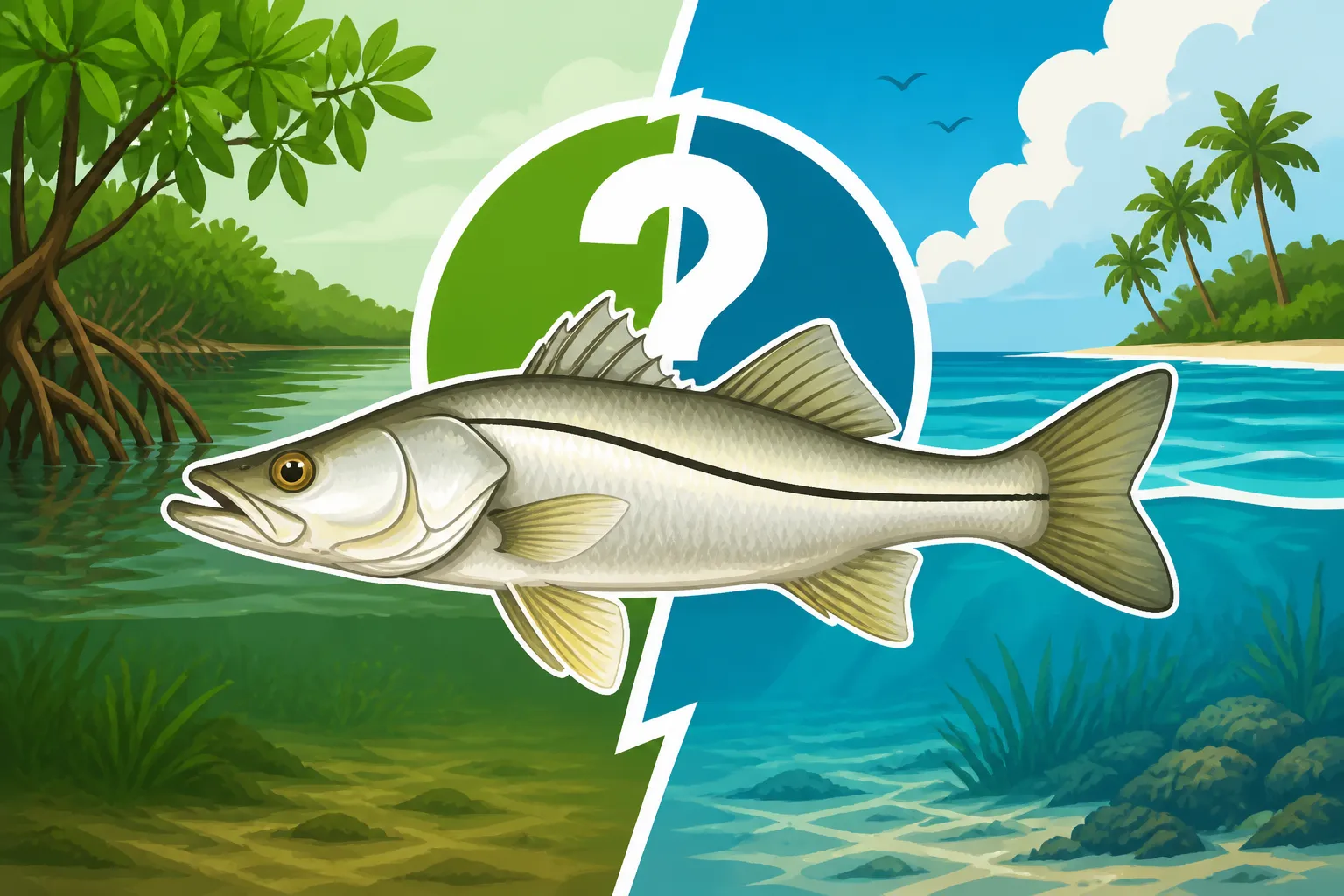
Let's clear this up right from the start: snook are primarily saltwater fish, but they are also incredibly adaptable and thrive in brackish water. This means they are most commonly found in estuaries, which are those magical places where freshwater rivers and streams meet the salty ocean. While you can occasionally find them in pure freshwater or out in the open ocean, these are usually temporary excursions, not their preferred long-term residence.
A Mix of Worlds: Estuaries and Mangroves
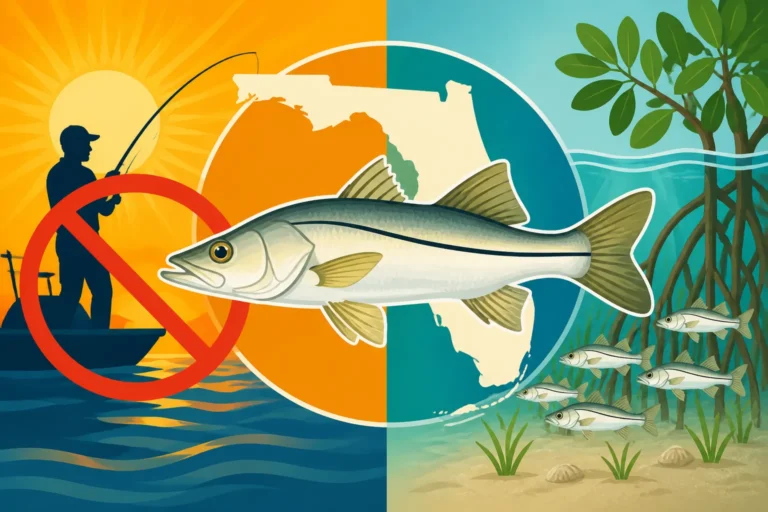
Estuaries are the true heartland for snook. Think of a place where a river slowly flows into a bay or the Gulf of Mexico, creating a gradient of salinity. This mixing zone is what we call brackish water, and it’s a dynamic environment that snook absolutely adore. These areas often feature extensive mangrove forests, intricate creek systems, and vast seagrass flats, all of which provide a rich ecosystem for snook to live and hunt in. The constantly changing tides bring in new food sources and flush out waste, creating a vibrant, productive environment. It’s like a bustling city for fish, full of opportunities and shelter.
For many snook, especially juvenile ones, these brackish zones are their nurseries. They offer protection from larger, offshore predators and an abundance of small baitfish, crustaceans, and insects to fuel their rapid growth. It’s where they learn to be snook, honing their predatory instincts in a relatively safe setting. Understanding this dependency on estuaries is key to appreciating their life cycle and why conservation of these delicate habitats is so crucial for the species.
The Saltwater Connection: Ocean Access is Key
Despite their love for brackish waters, snook aren't strictly confined to the backwaters. They absolutely need access to full-strength saltwater. Why? Primarily for spawning. When it's time to reproduce, adult snook migrate out of the estuaries and into higher salinity environments, often near inlets, passes, and along the beaches. This is where they broadcast spawn, releasing their eggs and milt into the moving currents. Without this annual pilgrimage to the saltier ocean waters, their reproductive cycle would be incomplete.
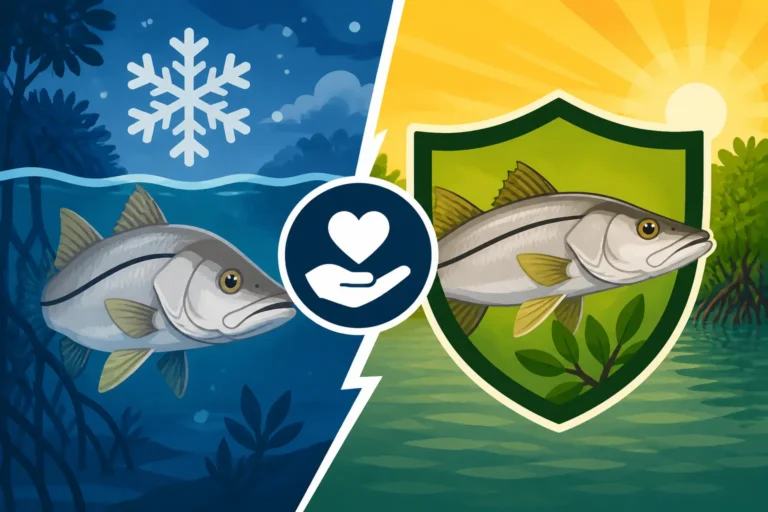
Furthermore, during severe cold fronts, which Florida experiences from time to time, snook that are deep within brackish creeks or even slightly upstream in what might appear to be freshwater, will often seek refuge in deeper, more stable saltwater environments. Saltwater is more thermally stable than freshwater, meaning it cools down and heats up slower. When water temperatures drop dangerously low, snook can suffer from cold shock, so seeking out those deeper, warmer pockets of saltwater is a matter of survival. This migratory behavior highlights their reliance on a healthy connection between estuaries and the open sea. You can learn more about how cold weather affects them in What Happens to Snook During a Cold Snap?.
Tolerance, Not Preference: Briefly in Freshwater
It's true, every now and then you hear about a snook being caught far up a river, seemingly in pure freshwater. While this might seem to contradict their primary saltwater nature, it’s usually an anomaly rather than a regular occurrence. Snook can tolerate freshwater for short periods, especially during times of heavy rain and runoff when salinity levels in their preferred brackish habitats drop significantly. They are incredibly hardy fish in this regard, able to adapt to a wide range of salinities.
However, they generally don't thrive long-term in purely freshwater systems. They won't reproduce there, and their long-term health can be compromised if they remain in zero-salinity water for extended periods. Think of it like a human being able to hold their breath for a few minutes; it's possible, but it's not sustainable for living. So, while a snook might surprise you by showing up in a canal that seems entirely fresh, rest assured that its natural inclination is to return to the more saline, brackish, or fully saltwater environments that support its full life cycle.
Why Snook Prefer Brackish Environments in Florida
Understanding that snook live in brackish water is one thing, but knowing why they prefer it is another. It’s not just a random choice; these dynamic environments offer a perfect storm of conditions that allow snook to thrive, grow large, and continue their species. Florida’s expansive coastline and numerous river systems create countless ideal snook territories.
Abundance of Food Sources
Estuaries are teeming with life, and for a predatory fish like the snook, that means a smorgasbord of food. The mix of fresh and saltwater brings together species from both realms, plus organisms that specifically thrive in brackish conditions. Snook will feast on a wide variety of prey, including mullet, pilchards, sardines, pinfish, and various other baitfish that congregate in these sheltered waters. They also love to snack on shrimp, crabs, and other crustaceans that make their homes in the mud flats and mangrove roots. This diverse and plentiful food supply is a significant reason why snook grow to impressive sizes in Florida.
Compared to the open ocean, where prey might be more dispersed, or pure freshwater, which typically has a less diverse prey base for a large predatory fish, estuaries provide a concentrated and reliable food source. This allows snook to expend less energy hunting and more energy growing, making them incredibly efficient predators within their chosen domain. You'll often find them ambushing prey from mangrove shadows or structure.
Protection from Predators
Another major draw of brackish environments is the built-in protection they offer. The labyrinthine nature of mangrove forests, shallow flats, and intricate creek systems provides countless hiding spots for snook, especially juveniles, to escape larger oceanic predators like sharks, dolphins, and larger fish. The dense root systems of mangroves act as underwater fortresses, making it difficult for bigger, faster predators to navigate or ambush them effectively.
This protective cover isn't just for juveniles; even adult snook utilize it. They can tuck themselves deep into mangrove cuts or under submerged structure, waiting for baitfish to swim by. This ability to disappear quickly into cover is a key survival strategy and contributes to their reputation as a challenging fish to catch. The relatively shallow and often murky waters of estuaries also provide a degree of camouflage that open, clear ocean waters do not. For more on their diet, check out What Do Snook Eat?.
Thermal Refuge and Spawning Grounds
Florida is known for its sunshine, but even the Sunshine State can get chilly. As mentioned before, saltwater maintains a more stable temperature than freshwater. In winter, when air temperatures drop, shallow freshwater areas can cool rapidly. Snook, being a subtropical species, are very sensitive to cold. Brackish estuaries often have deeper channels or pockets where water temperatures remain more stable and warmer, offering a crucial thermal refuge during cold snaps. These areas, particularly those with access to deeper, warmer saltwater, become critical for snook survival.
Beyond temperature, these interconnected brackish systems are vital for their reproductive success. While adult snook typically move to higher salinity areas (near inlets and beaches) to spawn, the larvae and juvenile snook then drift or swim back into the protected, food-rich estuaries to grow. These estuaries serve as essential nursery habitats, providing the ideal conditions for young snook to mature before they are large enough to venture into more open waters. The cycle of life for a snook is inextricably linked to the health and accessibility of these varied aquatic environments.
Where to Find Snook: Spotting Their Favorite Haunts
Now that we understand why snook love brackish water and the importance of their connection to both freshwater and saltwater, let's talk about where you can actually find them. Knowing their preferred hangouts is half the battle when targeting these incredible sportfish.
Classic Snook Hangouts
If you're looking for snook in Florida, start with the classics. Their favorite places always involve some kind of structure, current, and ambush points. Here are some prime examples:
- Mangrove shorelines: This is arguably the most iconic snook habitat. The tangled roots provide cover, shade, and a buffet line of small baitfish and crabs. Look for points, small cuts, and shadowed areas.
- Piers and Docks: Any man-made structure over the water, especially those with lights at night, will attract baitfish, and where there's bait, there are snook. They'll hide in the pilings, waiting to ambush. Check out Best Piers for Fishing Without a Boat for some ideas.
- Bridges and Causeways: Similar to piers, bridges offer extensive structure, deep water, and often strong currents that funnel bait right to the snook. The shadow lines are particularly effective ambush spots.
- Seagrass Flats: While not always obvious structure, healthy seagrass beds are nurseries for countless small fish and invertebrates, making them prime hunting grounds for snook, especially at dawn and dusk.
- Inlets and Passes: These are critical migration routes for snook moving between estuaries and the open ocean for spawning. Strong currents and deep channels are common here, making for excellent, albeit often challenging, fishing.
- Tidal Creeks and Rivers: Deeper into the estuaries, these winding waterways offer plenty of ambush points along their banks, especially around oyster bars, fallen trees, and rocky outcrops. This is where you might occasionally find them venturing further upstream, especially after heavy rains.
When you're out on the water, pay attention to these features. Snook are ambush predators; they won't typically chase baitfish across open water. They prefer to wait patiently in cover, letting the current bring dinner to them, then striking with explosive speed.
Understanding Water Conditions
Beyond just where you look, understanding the water conditions is paramount. Snook are highly sensitive to:
- Temperature: They prefer warmer water, generally above 68°F (20°C). Anything below this can make them lethargic and less likely to bite, and dangerously cold water can be fatal. During winter, look for warmer, deeper pockets or areas with dark bottom that absorbs more solar heat. Check out Best Water Temperature for Snook Fishing.
- Salinity: As we've discussed, they thrive in a mix. While they can tolerate lower salinity, a good balance often means a healthy ecosystem and active fish. Extreme freshwater runoff can push them to saltier areas.
- Current: Snook love current. It brings them food and allows them to position themselves for ambushes without expending too much energy. Look for eddies, current breaks, and choke points where water is moving. An incoming or outgoing tide near an inlet is often prime time.
- Clarity: While snook can live in murky water, they often prefer a bit of clarity to spot their prey. After heavy rains, when water gets very stirred up, they might move to clearer areas.
Learning to "read the water" – observing baitfish, current, water color, and temperature – will greatly increase your chances of finding snook, regardless of the specific location.
Gear for Every Environment
Whether you're casting artificials into mangrove tunnels or free-lining live bait near a bridge, having the right gear is essential. A medium-heavy spinning rod (7-foot to 7-foot 6-inches) with a matching 3000-5000 series reel is a versatile setup for most snook scenarios. You'll want to spool it with 15-30 lb braided line and use a 30-50 lb fluorocarbon leader for abrasion resistance against their rough mouths and any nearby structure.
For lures, topwaters, jerkbaits, soft plastic paddle tails on jig heads, and subsurface twitchbaits are all incredibly effective. Live bait, such as pilchards, mullet, or shrimp, is often irresistible to snook. Make sure your hooks are sharp and strong enough to handle their powerful runs. If you're looking to stock up on new tackle, Amazon offers a huge selection of rods, reels, lines, and lures specifically designed for inshore saltwater fishing. You can find everything from high-end brands to more budget-friendly options to get you started or replace worn-out gear. Having a good pair of pliers to unhook fish and a stout net or lip gripper for handling is also critical. Check out What Pound Test Line for Snook Fishing? for more line recommendations.
Fishing for Snook: Tips for Diverse Habitats
Now, let's get down to the exciting part: how to actually catch these magnificent fish in the varied environments they inhabit across Florida.
Targeting Snook in Inshore Saltwater
This is where most snook fishing takes place – in the fertile estuaries, bays, and along the beaches where saltwater dominates.
- Live Bait is King (Often): If you can get your hands on live pilchards, sardines, or finger mullet, you're in business. Free-line them with a small circle hook near mangrove roots, dock pilings, or bridge fenders. Let the bait do the work, swimming naturally. Snook can be picky, and a lively baitfish is often the best way to entice a strike.
- Artificial Lures for the Aggressive Strike: When snook are active, artificial lures can be incredibly effective and offer a more engaging fishing experience.
- Topwater Plugs: Especially at dawn and dusk, or on overcast days, a walk-the-dog style topwater lure can provoke explosive strikes that are unforgettable. Work it slowly and deliberately near cover.
- Jerkbaits/Twitchbaits: Subsurface hard plastics that mimic fleeing baitfish are excellent around structure. Vary your retrieve with pauses and twitches.
- Soft Plastics: Paddle tails, jerk shads, or shrimp imitations rigged on a jig head are versatile and can be fished effectively at various depths, especially near the bottom or along current lines. When using soft plastics, a slow, steady retrieve with occasional twitches can be deadly.
- Night Fishing: Don't overlook the night! Snook are ambush predators, and dock lights, bridge lights, and streetlights casting glow on the water at night can be absolute hotbeds for feeding snook. The lights attract baitfish, and the snook lurk in the shadows, waiting for an easy meal. This is a great time for soft plastics or even small live baits.
The key to inshore snook fishing is patience, observation, and precision casting. Get your lure or bait into the strike zone, which is often right up against the structure, and be ready for a powerful fight!
Searching for Snook in Brackish Creeks and Rivers
As snook push further into brackish creeks and even the lower reaches of rivers, your approach might need to adjust slightly. The water might be stained, and the typical baitfish might be different.
- Smaller Baits and Lures: In these narrower, often shallower environments, snook might be feeding on smaller prey like shrimp, mud minnows, or smaller freshwater-tolerant baitfish. Adjust your lure size accordingly. Small paddle tails, shrimp imitations, or even weedless soft plastics can be very effective here. You might even find success with some bass-oriented lures if they mimic the local forage.
- Focus on Structure: Fallen trees, submerged logs, rock piles, culverts, and creek bends are all prime ambush points. These areas create current breaks and hiding spots. Make accurate casts to these structures, letting your lure or bait drift naturally with the current before retrieving.
- Quiet Approach: In tighter quarters, snook can be easily spooked. Use a quiet trolling motor or pole your boat stealthily. Keep your shadows off the water and avoid loud noises. A stealthy approach is paramount to not sending them scattering into the depths of the mangroves.
While Amazon offers a fantastic array of general fishing gear, you might also find specialized regional baits and lures for these specific brackish river environments at local bait and tackle shops, which often cater to the unique needs of local waterways.
When They Venture Upstream: Rare Freshwater Sightings
While not a common target in pure freshwater, if you do stumble upon a snook in a truly freshwater section of a river or canal, consider it a special treat. They are likely there temporarily, perhaps driven by extreme weather events or simply following a strong food source upstream.
- Don't Assume Freshwater Tactics: Even in freshwater, they are still saltwater snook. They will still respond to the same baits and lures they prefer in saltwater. Don't switch to bass lures unless they closely mimic the local baitfish they might be targeting.
- Look for Strong Structure: Just like in estuaries, they'll be hugging cover. Docks, bridges, seawalls, fallen trees, and deep bends in the river are all places to check.
- Catch and Release is Key: Given the rarity and potential stress of being in a freshwater environment, responsible catch and release practices are especially important if you encounter a snook far upstream. Minimize handling time, use proper tools, and release them gently to give them the best chance of returning to their preferred habitat. Remember, for information on ethical handling, you can refer to Catch and Release Best Practices for Snook.
| Habitat Type | Key Characteristics | Ideal Fishing Conditions | Recommended Bait/Lures | General Tips |
|---|---|---|---|---|
| Estuaries/Bays | Brackish water, mangroves, seagrass flats, oyster bars | Moving tide, stable temps, clear-to-stained water | Live bait (pilchards, mullet, shrimp), topwaters, jerkbaits, soft plastics | Focus on structure, ambush points, current. Dawn/dusk often best. |
| Inlets/Passes | High salinity, strong currents, deep channels, jetties | Strong incoming/outgoing tide, clear water | Live bait, large soft plastics, heavy jigs, bucktails | Target current seams, deep holes, jetties. Be prepared for strong fights. |
| Tidal Rivers/Creeks | Lower salinity, winding banks, fallen trees, culverts | Slight current, stained water | Smaller live bait, shrimp imitations, small paddle tails | Stealthy approach, focus on structure, target bends and deep pockets. |
| Open Beaches | High salinity, surf, sand bars, troughs | Incoming tide, clean water, baitfish present | Live bait (mullet), bucktails, large soft plastics | Look for signs of baitfish, troughs, and current rips along the beach. |
| True Freshwater | Rare, low salinity, far upstream in rivers/canals | Any conditions, often after heavy rains | Same as brackish, focus on smaller, local baitfish imitations | Catch & release, treat as unique encounter. Focus on very obvious structure. |
This article is for general informational purposes only and does not constitute professional advice. Laws, prices and regulations vary by location and change over time. Consult a qualified professional for guidance on your specific situation.