What Bait Do Grouper Prefer?
It's incredibly frustrating to spend a beautiful day out on the water, meticulously dropping your lines, only to reel in nothing but bait stealers or empty hooks when you know big grouper are lurking below. Getting those elusive, hard-fighting grouper to bite often comes down to one critical factor: using the right bait. This comprehensive guide will pull back the curtain on the preferred meals of Florida's most sought-after bottom dwellers, helping you fill your cooler and avoid those disappointing trips.
Decoding Grouper Feeding Habits
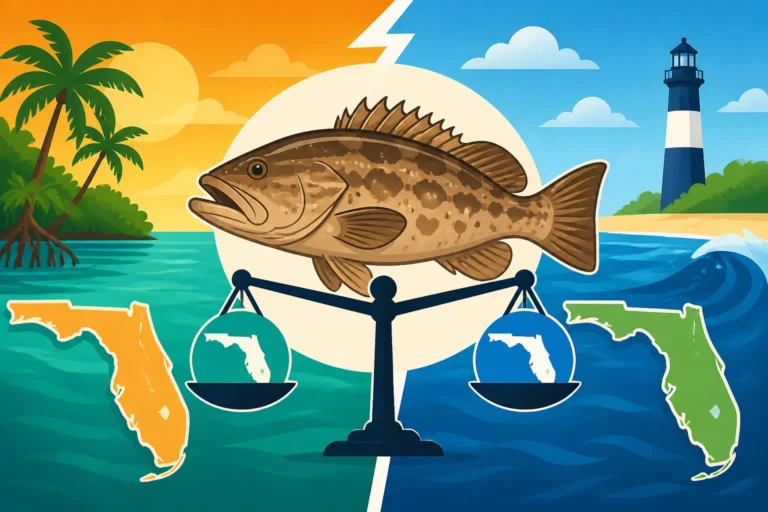
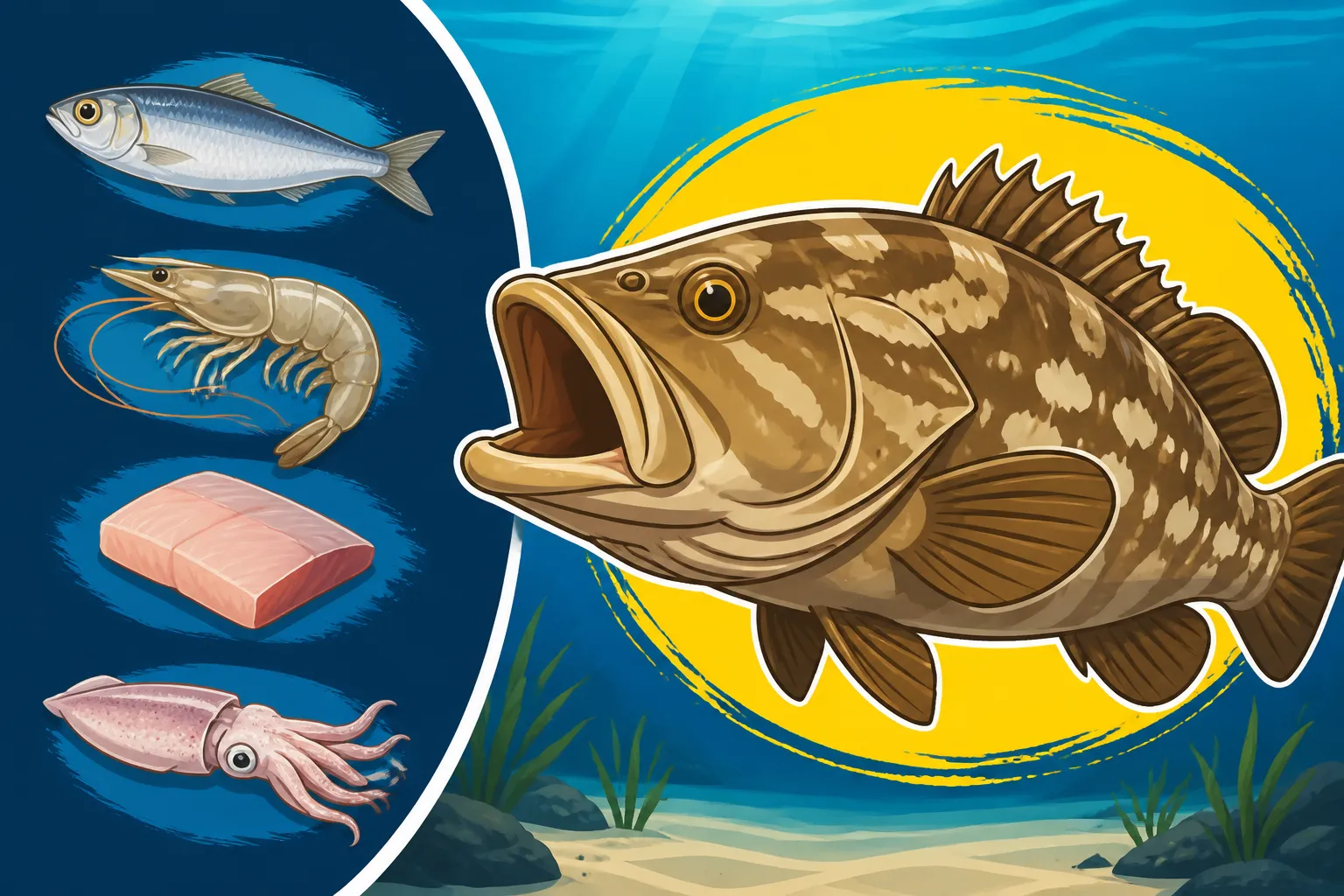
Grouper are ambush predators with a powerful, cavernous mouth designed to inhale their prey. They typically hide among rocky ledges, wrecks, reefs, and other bottom structures, waiting for an unsuspecting meal to swim by. Understanding this predatory nature is key to selecting and presenting the most effective baits. They're not going to chase a tiny morsel; they want a substantial, easy meal.
The Hunter's Mentality: What Drives a Grouper's Bite
Think of a grouper as the king of its underwater castle. It's patient, opportunistic, and incredibly powerful. When they decide to strike, it's usually with explosive force. This means your bait needs to be enticing enough to trigger that aggressive reaction. They're looking for something that looks natural, moves naturally (if live), and offers a good protein payoff. A struggling baitfish or a juicy chunk of calamari represents less effort for more reward, which is precisely what a predator wants. The murky depths where grouper often reside also means scent plays a massive role in attracting them, not just sight.
Environmental Factors Influencing Bait Choice
The specific conditions of your fishing trip can greatly influence which baits will perform best. Water clarity, current strength, and even the time of day can dictate whether a live, struggling baitfish or a scent-heavy cut bait is the better option. For instance, in clear, calm waters, a lively pinfish might be spotted from afar and be irresistible. However, in strong currents or murky conditions, a fresh piece of bonita or squid, oozing scent, will likely get more attention as the aroma travels downstream. The depth you're fishing at also matters; deeper water often requires heavier baits or rigs to get down quickly past smaller, unwanted species.
The Gold Standard: Live Baits for Florida Grouper
When it comes to tempting grouper, live bait is often considered the undisputed champion. The natural movement, vibration, and scent of a struggling baitfish are hard for a hungry grouper to resist. It screams "easy meal!" in a language they perfectly understand.
Pinfish: The Grouper Candy
If there's one bait that almost every Florida grouper angler swears by, it's the pinfish. These feisty, spiny little fish are abundant in Florida's inshore and nearshore waters, making them a readily available and highly effective option. Their tough scales and ability to withstand being dragged down deep mean they stay alive and active on the hook, creating a commotion that grouper can't ignore. They're like candy to a grouper.
Pinfish are usually caught in shallow grass flats using a cast net or pinfish traps. Once you have them, keeping them alive and lively is crucial. A good livewell with plenty of oxygen is non-negotiable. When rigging, many anglers prefer a single J-hook or circle hook through the nose or lips for maximum natural movement. Others might put the hook just behind the dorsal fin, especially if they want the pinfish to dive quickly. The key is to keep them swimming freely. You can even find specialized pinfish traps and cast nets on Amazon if you're looking to stock up on your bait-catching gear before your next trip.
Pilchards and Sardines: Schools of Deliciousness
Smaller, but equally effective, pilchards and sardines are like dinner bells for grouper. These schooling baitfish are packed with oils and scent, and their frantic movements when hooked are incredibly attractive to predators. While they might not be as tough as a pinfish, their sheer numbers and strong scent trail make them irresistible.
You'll often find pilchards and sardines in large schools near passes, inlets, and even just offshore. A good cast net is essential for gathering these baits. Rigging them similarly to pinfish, through the nose or lips, is common to allow them to swim naturally. For some species like red grouper, which sometimes prefer a smaller mouthful, a lively pilchard can be exactly what they're looking for. Keep your livewell fresh, as these baits tend to be more delicate than pinfish.
Mullet: A Hearty Meal
Larger grouper, especially gag grouper and black grouper, aren't afraid of a substantial meal, and a live mullet fits the bill perfectly. Mullet are hardy baitfish found throughout Florida's estuaries and coastal waters. Their size offers a big profile and a significant meal, often reserved for targeting trophy-sized grouper.
Mullet can be caught with a cast net in canals, bays, and around docks. For larger mullet, a J-hook through the nose is preferred to give them maximum swimming action. Since mullet are strong swimmers, they put up a good fight on the hook, sending out vibrations that can draw in distant grouper. Don't be shy about using a 6-inch or even 8-inch mullet if you're after a really big fish; a grouper's mouth is bigger than you think!
Other Live Baits: Menhaden and Squirrelfish
Beyond the mainstays, other live baits can be incredibly effective depending on your location and the specific grouper species you're targeting. Menhaden, sometimes called "pogies," are oily, schooling baitfish that are fantastic for offshore grouper. They create a huge slick of scent that can bring fish up from the depths. Squirrelfish, with their large eyes and tendency to live around rocky structures, are also a natural prey item for grouper and can be excellent when fished right near cover. Using what's naturally available in the area you're fishing is always a smart move.
When Live Bait Isn't an Option: Cut Bait and Artificials
Sometimes, catching live bait just isn't feasible, or the conditions call for something different. Don't despair! Cut baits and even certain artificial lures can be incredibly effective for enticing hungry grouper, especially if you understand how to use them to your advantage.
Fresh Cut Bait: Scent is Key
When you can't get live bait, fresh cut bait is your next best friend. The rich scent trail it leaves in the water can be a powerful attractant, drawing grouper out of their hiding spots. The fresher, the better when it comes to cut bait – it maximizes the natural oils and aroma.
Squid: The Universal Donor
Squid is a perennial favorite for bottom fishing, and grouper are no exception. Its tough texture makes it difficult for bait stealers to pull off the hook, and it emits a strong scent. You can use whole small squid, or cut larger squid into strips or chunks. The white color and flapping action of a strip can also be visually appealing. It's often readily available at bait shops, and you can even find pre-packaged frozen squid in bulk on Amazon for convenience. Just make sure to thaw it properly before use to retain its texture and scent.
Bonita and Mackerel: Oily Goodness
These are oily fish, and that oil is pure gold for grouper. A chunk of fresh bonita or mackerel, cut into a size that fits in a grouper's mouth, will release a powerful scent trail. Many anglers prefer to cut these baits into triangular chunks, leaving the skin on for durability. The strong scent can travel far, especially in deeper water or areas with current, bringing in fish that might not otherwise notice your offering. Using a sharp knife to prepare your cut bait ensures clean edges and maximum scent dispersion.
Ladyfish and Other Fillets: Local Delicacies
Ladyfish are often caught as bycatch when targeting other species, but don't discount them as grouper bait! They are oily and have a somewhat tough skin, making them excellent when cut into strips or chunks. Other local fish fillets, like a fresh piece of grunt or even the belly strip of a legal snapper, can also be fantastic grouper baits. The key is to use fresh, oily fish from the same environment the grouper inhabit. The natural oils and flesh are exactly what these bottom predators are accustomed to eating.
Artificial Lures: The Aggressive Strike
While not as common for grouper as natural baits, artificial lures can certainly catch their attention, especially when targeting active fish or when jigging over structure. The aggressive nature of a grouper means they'll often strike a lure out of instinct or territoriality.
Heavy Jigs: Getting Down Deep
Big, heavy jigs are fantastic for grouper, particularly when you're fishing deep wrecks or reefs. Vertical jigging involves dropping a heavy, often metallic jig down to the bottom and then retrieving it with sharp, upward jerks. This action mimics a wounded baitfish, and the flash and vibration can trigger an aggressive strike. Brands like Nomad Design and Shimano Butterfly jigs are popular choices for this type of fishing. The weight of the jig allows you to get to the bottom quickly, minimizing time spent drifting through unwanted bait stealers. For a more in-depth look at this technique, check out Jigging Technique for Grouper.
Soft Plastics: Scented and Subtly Enticing
Larger soft plastic swimbaits, often infused with scent, can also be effective. Rigged on a heavy jig head, these lures mimic baitfish or even squid. The key is to work them slowly along the bottom, bumping them off structure. The added scent helps compensate for the lack of natural movement and can often coax a bite from a more hesitant grouper. You can find a wide variety of scented soft plastics, including those from brands like Berkley Gulp!, on Amazon. These are excellent for those days when live bait is scarce, but you still want to offer something appealing.
Rigging and Presentation: Making Your Bait Irresistible
Choosing the right bait is only half the battle; how you rig and present it is equally important. A perfectly chosen bait poorly presented might as well be an empty hook. Grouper are smart, and they won't fall for something that looks unnatural or suspicious.
The Art of the Bottom Rig
Most grouper fishing involves getting your bait directly on or very close to the bottom where they live. This necessitates specific rigging techniques that keep your bait in the strike zone and prevent it from getting snagged immediately.
The Carolina Rig: Simplicity and Effectiveness
The Carolina rig is a classic for a reason – it's simple and incredibly effective for bottom-dwelling species. It consists of a leader tied to a swivel, with an egg sinker (or similar weight) above the swivel on the main line. This setup allows the bait to move somewhat naturally on the leader, even while the sinker holds it near the bottom. The length of your leader can vary, but generally 3-6 feet of fluorocarbon leader works well for grouper, as it's less visible underwater. This rig is versatile and can be used with both live and cut baits. For a general overview of getting started, you might find Beginner Tips for Saltwater Fishing in Florida helpful.
Knocker Rig: Direct Contact
The knocker rig is another excellent choice, especially when fishing directly on structure. With this rig, the sinker slides directly down to the eye of the hook, maintaining constant contact. This gives you a very direct feel for the bottom and for bites. It's also less likely to snag on rocky bottoms than some other rigs because the weight and hook stay close together. This rig is particularly effective with live baits, allowing them to swim right over the structure where grouper hide.
Hook Selection: Size and Style Matters
Using the correct hook size and style is crucial for both hooking success and the fish's health, especially with catch-and-release efforts.
Circle Hooks: Conservation and Effectiveness
Circle hooks are highly recommended, and often legally required, for many grouper species in Florida. Their design allows them to hook fish in the corner of the mouth, significantly reducing gut-hooking and improving survival rates for released fish. When using circle hooks, resist the urge to "set" the hook with a strong jerk; instead, simply reel tight when you feel a bite, and the hook will do its job. This is a game-changer for ethical angling. Understanding Catch and Release Best Practices for Snook can also apply to other species like grouper.
J-Hooks: When Allowed
Traditional J-hooks are also used by some anglers, especially for larger live baits, but they do carry a higher risk of deep hooking. If using J-hooks, ensure they are strong enough to handle a powerful grouper. A heavy-gauge hook won't straighten under pressure. The size of your hook should match the size of your bait – too small, and the fish might miss it; too large, and it could hinder the bait's natural movement.
Bait Presentation: Making It Look Natural
Even the best bait won't work if it looks unnatural. Presenting your bait effectively means considering several factors.
Drifting vs. Anchoring
Deciding whether to drift or anchor often depends on the current, wind, and the type of structure you're fishing. When drifting, your bait covers more ground, presenting it to more grouper. This is particularly effective over larger, spread-out reefs. However, if you've found a specific, tight spot like a wreck, anchoring upcurrent and letting your bait drift back into the structure is often more precise. For offshore species, you might be interested in Drift Fishing Technique for Grouper.
Chumming: Drawing Them In
Chumming can be an incredibly effective way to draw grouper out of hiding and get them actively feeding. A chum block or a steady stream of cut bait pieces drifting down current can create a scent trail that leads grouper right to your hooked bait. Just be careful not to overdo it, or you might fill them up before they see your hook! Many anglers swear by a slow, consistent chum slick to maximize their chances.
Gear Matching: Rod, Reel, and Line
Having the right gear is paramount. Grouper are incredibly strong, and you need a stout rod, a powerful reel with a good drag system, and heavy line to pull them out of structure before they can "rock you up" (break your line on rocks). A medium-heavy to heavy conventional or spinning rod, paired with a reel spooled with 50-80 pound braided line and a heavy fluorocarbon leader, is a common setup for offshore grouper. Don't skimp on the leader – fluorocarbon is key for abrasion resistance against sharp rocks and grouper teeth. Consider reading Best Rod and Reel Setup for Florida Offshore Fishing for more details on suitable equipment.
| Bait Type | Pros | Cons | Ideal Use Case |
|---|---|---|---|
| Live Pinfish | Extremely effective, hardy, natural. | Can be hard to catch, requires livewell. | Any grouper species, especially gag and red grouper. |
| Live Pilchards | High scent, frantic action, schooling. | More delicate, harder to keep alive. | Red grouper, smaller gags, good for chumming. |
| Live Mullet | Big profile for big fish, strong. | Can be hard to catch large ones. | Targeting trophy gag or black grouper. |
| Cut Squid | Readily available, tough, good scent. | Less natural movement. | All grouper, great alternative to live bait. |
| Cut Bonita/Mackerel | High oil content, strong scent trail. | Can be messy, attracts bait stealers. | Deep water, strong currents, scent is crucial. |
| Heavy Jigs | Covers water, triggers reaction strike. | Requires active retrieve, less "natural." | Deep wrecks, active fish, fast current. |
| Soft Plastics | Scented options, mimic baitfish/squid. | Less movement than live bait, slower retrieve. | Finesse presentations, when live bait is unavailable. |
Ultimately, the best bait often comes down to a combination of availability, conditions, and what the grouper are feeding on that day. Don't be afraid to experiment! Start with what's local and fresh, keep it lively if it's live bait, and present it well. With a little patience and the right offering, you'll be well on your way to landing some fantastic Florida grouper.
Disclaimer
This article is for general informational purposes only and does not constitute professional advice. Laws, prices and regulations vary by location and change over time. Consult a qualified professional for guidance on your specific situation.