Do Grouper Limits Differ Between the Gulf and Atlantic Coasts?
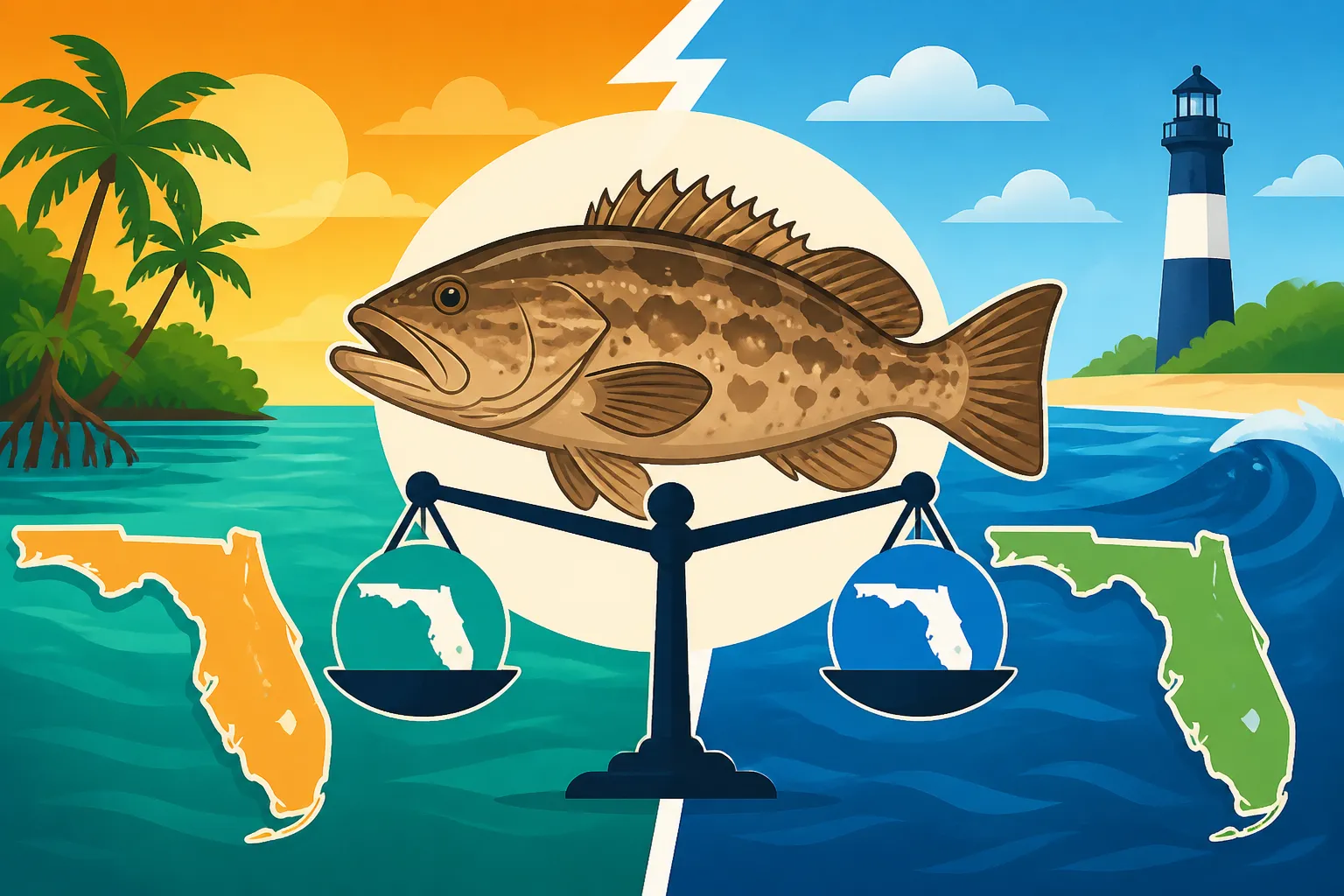
Navigating Florida's fishing regulations can feel like trying to untangle a fishing line after a massive backlash. It's especially confusing when you're trying to figure out if the rules for your favorite species, like grouper, change depending on whether you're dropping a line in the Gulf or the Atlantic. Many anglers get frustrated by this regional variation, wondering why a fish caught just a few miles apart might fall under totally different rules. This guide will cut through the confusion and explain whether grouper limits truly differ between Florida's Gulf and Atlantic Coasts, and what that means for your next fishing adventure.
Understanding Florida's Dual Coastline Challenge
Florida is unique, stretching down into two vastly different marine environments: the Gulf of Mexico on its western side and the Atlantic Ocean to its east. While it might seem like one big state with one set of rules, the reality for fish populations and the people who manage them is far more complex. These two bodies of water, despite being connected, have distinct ecosystems, different fishing pressures, and varying political and biological considerations that often lead to different regulatory frameworks for many species, including grouper.
The Gulf's Unique Ecosystem and Pressures
The Gulf of Mexico off Florida's coast is characterized by extensive, productive continental shelf waters that stretch far offshore before dropping into deeper areas. This shelf supports vast hard-bottom habitats, natural reefs, and ledges that are prime real estate for many grouper species. Historically, fishing pressure in the Gulf has been incredibly high, especially for popular species like gag grouper and red grouper. This intense pressure, combined with environmental factors like red tides and hurricanes, means that certain populations in the Gulf might need more stringent management or different seasonal closures to recover and remain healthy. Regulations in the Gulf are often influenced not just by Florida's FWC (Fish and Wildlife Conservation Commission) but also by federal agencies like NOAA Fisheries, especially when you venture into federal waters, which extend past nine nautical miles from shore.
The Atlantic's Distinct Fisheries
On the other side of the state, Florida's Atlantic coast faces different challenges and supports slightly different fisheries. The continental shelf here is generally narrower, dropping off more steeply into the deep Atlantic waters. While reefs and ledges are still abundant, the specific habitat characteristics and species distribution can vary. Fishing pressure is certainly present, but the dynamics, types of vessels, and targeted species sometimes differ from the Gulf. For instance, species like snowy grouper or Warsaw grouper might be targeted more frequently in the deeper Atlantic waters. Additionally, Atlantic regulations are coordinated with regional fishery management councils that may have different priorities and biological assessments than their Gulf counterparts. This means that while some overarching principles apply, the specific dials (like season length or bag limits) might be set differently to reflect the health and recovery needs of Atlantic grouper stocks.
Key Grouper Species and Their Regulations Across Florida
When it comes to grouper, the question isn't just "do limits differ," but "which grouper species are we talking about?" Florida is home to many different kinds of grouper, and while some regulations might be uniform statewide, others are indeed split by coast. Understanding these distinctions is crucial for staying legal and fishing responsibly. You'll often find that the rules are a blend of state and federal regulations, and it's always worth checking the most current FWC guidelines before you head out.
Gag Grouper: A Tale of Two Coasts
Ah, the mighty gag grouper! This is perhaps the most classic example of a species with distinctly different regulations between Florida's Gulf and Atlantic coasts. The management strategies for gag grouper have historically been quite separate, largely due to distinct population dynamics and recovery efforts.
On the Gulf Coast, gag grouper often have shorter recreational seasons, typically opening in early summer and closing by late fall or early winter. The seasons can be quite volatile, changing year to year based on stock assessments and federal mandates. The minimum size limit for gags in the Gulf is also specific, and there's a daily bag limit that usually allows you to keep one fish per person within a recreational aggregate. The reasoning behind these stricter Gulf regulations often stems from concerns about stock health and past overfishing, requiring more conservative measures to ensure a sustainable future. If you're planning a trip to the Gulf, even for a short-term visit, knowing the specific dates and limits for gag grouper is paramount. Many anglers will consult online resources or even specialized fishing apps before heading out, which you can often find reviews for on platforms like Amazon.
On the Atlantic Coast (including state and federal waters), gag grouper have historically had a more open recreational season, often running for a longer period through the spring, summer, and fall. The minimum size limit might be different as well, though sometimes it aligns with federal standards. The daily bag limit is typically one per person within the aggregate bag limit for grouper. These differences reflect separate stock assessments and management plans for Atlantic gag grouper, which have faced different pressures and shown different recovery patterns compared to their Gulf relatives. It's a common frustration for anglers traveling between coasts, as a perfectly legal catch in one area might be undersized or out of season in another. This is why familiarizing yourself with Florida Grouper Season Guide is essential.
Red Grouper: More Uniformity, but Still Nuances
Red grouper, another immensely popular target species, tends to have more consistent regulations across Florida's state waters on both the Gulf and Atlantic sides, especially regarding minimum size limits. However, the seasons can still see some variation, particularly when considering federal waters or specific regional closures.
In Gulf state waters and generally in Atlantic state waters, the recreational minimum size limit for red grouper has often been the same. The daily bag limit typically allows for multiple fish per person, again within a recreational aggregate. The seasons, while generally longer than for gags, can still have specific opening and closing dates, especially in federal waters, which impact both Gulf and Atlantic anglers.
Where the nuances arise for red grouper is often in the federal waters, which extend beyond Florida's state waters. Federal regulations, which are designed to manage larger, regional stocks, might impose emergency closures or slightly different aggregate bag limits that affect anglers fishing further offshore, regardless of which coast they departed from. So, while you might find more general consistency for red grouper, always double-check the specifics for the area you're targeting, especially if you're venturing out past nine miles. Being prepared with the right gear, perhaps a heavy-duty jigging rod you picked up from Amazon, is one thing, but knowing the rules is another.
Other Grouper Species: The Less Common, But Still Regulated
Beyond gag and red grouper, Florida's waters are home to a diverse array of other grouper species, each with its own set of rules. For many of these, the regulations tend to be more uniform statewide, but always, always verify.
- Black Grouper: These impressive fish are found on both coasts. Generally, they have a consistent statewide minimum size limit and a bag limit (usually one fish per person, part of the aggregate). Seasons are typically also uniform, but like all grouper, subject to change based on stock assessments.
- Scamp Grouper: Scamp are prized for their delicious meat and are found on both coasts. Their minimum size and bag limits are typically statewide, though they can be part of different aggregate bag limits depending on the coast or federal waters.
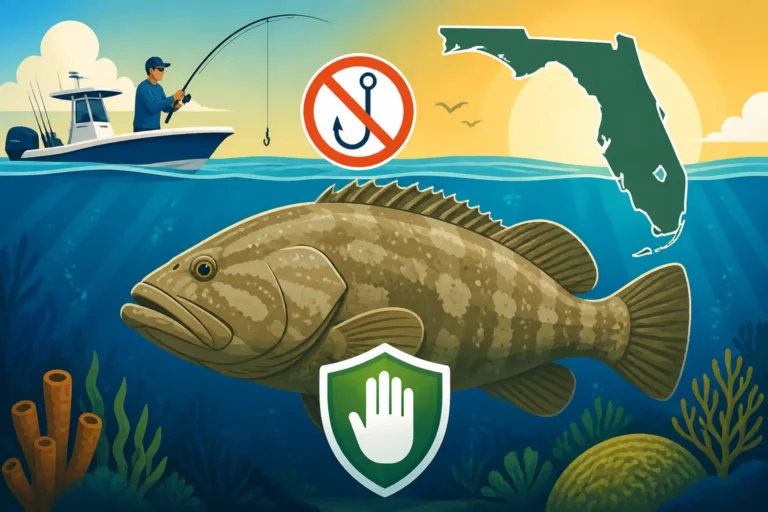
- Yellowfin Grouper, Yellowmouth Grouper, Nassau Grouper, Goliath Grouper, Warsaw Grouper, Snowy Grouper, etc.: For many of these less commonly targeted species, the regulations (if they are even allowed to be harvested, as in the case of protected Goliath and Nassau grouper) often apply statewide. Some, like the deepwater snowy grouper or Warsaw grouper, are primarily caught in federal waters, making federal regulations the dominant factor regardless of which Florida coast you launch from. Knowing the Gag Grouper Size and Bag Limits and comparing them to these other species helps highlight the variations.
It’s important to remember that these are general guidelines. Florida's fishing regulations, especially for federally managed species that spend time in both state and federal waters, can be dynamic. Factors like scientific stock assessments, public input, and management council decisions can lead to changes in season dates, size limits, and bag limits. The best practice is always to consult the latest FWC rules and federal regulations for the specific waters you plan to fish before every trip. You can find excellent waterproof guides for identifying fish and understanding regulations on Amazon, which are perfect for keeping on your boat or in your tackle box.
Why These Differences Matter to Anglers
Understanding the coastal variations in grouper limits isn't just about avoiding a fine; it's about being a responsible angler and contributing to the sustainability of Florida's incredible fisheries. Getting caught with an undersized or out-of-season fish, even by accident, can lead to significant penalties, not to mention the potential harm to the fish population.
Planning Your Fishing Trip
For many anglers, the first step in planning a grouper trip is deciding which coast to fish. If you're specifically targeting gag grouper, for example, knowing that the Atlantic might offer a longer season could influence your travel plans. Conversely, if you're after a monster red grouper, the state-water regulations are often similar, but federal regulations might dictate your offshore adventures.
This also impacts how you prepare. If you're fishing the Gulf, where Gag grouper seasons can be shorter and more restrictive, you might focus more on other species during certain times of the year. On the Atlantic, a more open gag season might mean you allocate more time and specific tackle for them. It’s also important to be aware of the Florida Saltwater Fishing License Rules, as these also dictate where and how you can fish. Always check what specific permits, like those for certain species or areas, might be required in addition to your general fishing license.
Checking the Latest Regulations
Given the dynamic nature of fishing regulations, relying on old information or hearsay is a recipe for trouble. The Florida Fish and Wildlife Conservation Commission (FWC) is your primary resource for state waters, while NOAA Fisheries governs federal waters.
Here’s how experienced anglers typically stay current:
- FWC Website: The FWC website is the official source for Florida's state fishing regulations. They provide detailed information on size limits, bag limits, and seasons, often broken down by coast.
- FWC Fish|Hunt FL App: This mobile app is a fantastic tool that provides real-time access to regulations, allowing you to check limits right on the water using your smartphone. It's an invaluable resource for avoiding accidental violations.
- NOAA Fisheries: If you're planning to fish federal waters (more than 9 nautical miles offshore in the Gulf, or more than 3 nautical miles offshore in the Atlantic), you'll need to consult NOAA Fisheries regulations. These can be found on their website, often through the Gulf of Mexico Fishery Management Council or the South Atlantic Fishery Management Council.
- Local Bait Shops and Marinas: These local establishments are often excellent sources of up-to-date information. Staff members are usually anglers themselves and can provide practical advice on current conditions and regulations. They’ll also be able to tell you if there are any specific local advisories, such as those related to How Red Tide Affects Fishing in Florida.
- Fishing Guides and Charters: If you're new to an area or unsure about regulations, hiring a local fishing guide or going on a charter is a great way to learn. Reputable guides are always current on the rules and can provide an educational experience, helping you navigate the complexities of local and federal regulations. Many guides will provide all the necessary gear, but some anglers prefer to bring their own, perhaps a high-quality reel they found on Amazon.
Ultimately, the answer is a resounding "yes." Grouper limits do differ between Florida's Gulf and Atlantic Coasts for some key species like gag grouper, while others, like red grouper, show more uniformity in state waters but can still have nuances in federal zones. These differences are not arbitrary; they reflect the unique biological and management needs of the fish populations in each distinct marine environment. As anglers, our responsibility is to understand these variations, stay informed, and respect the rules to ensure that future generations can also enjoy the thrill of catching grouper in the Sunshine State.
| Grouper Species | Gulf Coast (State Waters) | Atlantic Coast (State Waters) | Key Differences/Similarities |
|---|---|---|---|
| Gag Grouper | Shorter recreational season, specific size/bag limit. | Generally longer recreational season, specific size/bag limit. | Significant differences in season length and specific dates due to separate stock assessments. |
| Red Grouper | Consistent minimum size, broader season, aggregate bag limit. | Consistent minimum size, broader season, aggregate bag limit. | Generally uniform in state waters, but federal regulations for offshore can vary. |
| Black Grouper | Consistent minimum size, consistent bag limit (1 per person). | Consistent minimum size, consistent bag limit (1 per person). | Largely uniform statewide. |
| Scamp Grouper | Consistent minimum size, consistent bag limit. | Consistent minimum size, consistent bag limit. | Largely uniform statewide. |
| Goliath Grouper | Protected, no harvest. | Protected, no harvest. | Uniform statewide protection. |
Disclaimer
This article is for general informational purposes only and does not constitute professional advice. Laws, prices and regulations vary by location and change over time. Consult a qualified professional for guidance on your specific situation.