Best Time of Year to Catch a Trophy Snook
If you've ever dreamt of battling a true trophy snook, that giant, line-peeling beast that tests every fiber of your being, you know it's not just about showing up with a rod and reel. These elusive giants demand respect, timing, and a deep understanding of their habits. This guide is here to unravel the mystery, helping you pinpoint the absolute best times of year to target those legendary snook in Florida waters, maximizing your chances of landing that fish of a lifetime.
Understanding the Snook's Seasonal Behavior
Snook are incredible fish, a true symbol of Florida's inshore fishing scene. But they're also highly sensitive creatures, and their behavior, particularly their feeding patterns and where they choose to hang out, is profoundly influenced by the changing seasons and the water conditions that come with them. Understanding these natural rhythms is the first step to becoming a successful trophy snook angler.
The Influence of Water Temperature
Water temperature is, without a doubt, the single biggest factor dictating snook behavior. These fish are tropical by nature, and while Florida offers plenty of warm water, there's a delicate balance. They thrive in warmer temperatures, usually between 70-85°F. When the water gets too cold, below 60°F, snook become lethargic, stop feeding, and can even die. This is why you often hear about cold snaps impacting snook populations, leading to Florida Snook Closed Season Dates during vulnerable times.
Conversely, water that gets too hot can also make them sluggish, though less mortally dangerous. During extreme summer heat, you might find them seeking out deeper, cooler pockets of water or areas with more current and oxygen. Knowing this temperature preference is key to understanding their seasonal movements. They're constantly on the move, seeking that "sweet spot" temperature, which dictates where they migrate, when they feed aggressively, and when they simply hunker down. This makes certain times of the year inherently better for targeting the biggest, most active fish.
Spawning Cycles and Their Impact
Snook have a distinct spawning cycle that heavily influences where they are found and how aggressively they feed. Generally, snook spawn in the warmer months, typically from late spring through summer, peaking in July and August. During this time, adult snook, including those massive females you're after, migrate from their inshore haunts to inlets, passes, and nearshore beaches to reproduce.
This migration brings them into specific areas where they concentrate in large numbers, often making them more accessible to anglers. However, while they are present, their feeding behavior can be a bit more unpredictable during the actual spawning activity. Post-spawn, as they recover and begin to move back inshore, they enter a period of aggressive feeding to regain lost energy. This is a critical window for trophy hunting. It's not just about when they're present, but what they're doing when they're present, and their biological drive to reproduce or recover from it is a huge part of the equation.
Prime Seasons for Trophy Snook: Spring and Fall
While snook can be caught year-round in Florida, if you're specifically chasing that wall-hanger, those truly monster snook, two seasons stand head and shoulders above the rest: spring and fall. These periods offer the ideal combination of water temperature, bait availability, and the fish's natural instincts.
Spring: The Pre-Spawn Feast
As winter fades and the water temperatures steadily climb into the high 60s and 70s, snook start to shake off their winter lethargy and begin their migration towards coastal waters for spawning. This is the "pre-spawn" period, and it's absolutely prime time for trophy snook. The fish are actively feeding, sometimes with reckless abandon, as they pack on calories in preparation for the energy-intensive act of reproduction.
You'll find these big snook moving out of deeper creeks and canals, often staging in the open bays, around mangrove shorelines, and near the mouths of rivers, making their way towards the passes and inlets. They're incredibly hungry, willing to hit a variety of baits and lures, and their increased activity makes them easier to locate. Live baits like pilchards, mullet, and pinfish become irresistible, and artificials that mimic these forage species can be incredibly effective. This is a fantastic window, typically from April through June, depending on how quickly the water warms up each year. The fish are strong, healthy, and focused on eating, which is exactly what a trophy hunter wants.
Fall: Post-Spawn Recovery and Feeding Frenzy
Just as strong, if not stronger, than spring for trophy snook is the fall. Once the summer heat begins to subside and water temperatures start to cool down into the mid-80s and then 70s, the snook that spawned during the summer months are moving back inshore. They've exhausted a tremendous amount of energy during spawning, and now their primary drive is to rebuild their fat reserves for the upcoming winter. This leads to what many call the "fall run" or "fall feeding frenzy."
During this period, from September through November (again, depending on weather patterns), baitfish schools are often abundant and migrating. Massive schools of mullet, often called the "mullet run" along Florida's coasts, provide an all-you-can-eat buffet for hungry snook. You'll find trophy snook ambushing these bait schools in inlets, around jetties, along beaches, and in the backcountry. They are exceptionally aggressive, hitting topwater lures, big swimbaits, and of course, live mullet with explosive force. This is when you can witness some truly spectacular fishing, with big snook boiling on the surface as they chase down bait. It's a high-energy time, and the fish are typically at their heaviest and most robust.
Summer and Winter: Challenges and Opportunities
While spring and fall are prime, that doesn't mean you can't catch trophy snook during the other seasons. They just present different challenges and require different approaches.
Summer Strategies
During the peak of summer, when water temperatures can soar into the high 80s, snook can become a bit more finicky during the day. They'll often seek out shaded areas, deeper water, or spots with strong current to stay cool and oxygenated. This means targeting them at first light, dusk, or even Night Fishing Technique for Trout Under Dock Lights can be incredibly productive. You might find them laying up under docks, bridges, or deep in mangrove tunnels. The fishing might require more patience and precision, but the big fish are still there, especially during their spawning periods in the passes and nearshore. Just remember that extreme heat, as discussed in How Hot Weather Affects Summer Fishing in Florida, can make them sluggish.
Winter Strategies
Winter presents the most significant challenge for trophy snook. As temperatures drop, especially during cold fronts, snook become very lethargic and seek refuge in warm water sanctuaries. These include deep canals, power plant outflows, spring-fed rivers, and residential channels. They often stack up in these areas, becoming less interested in feeding. Targeting them requires very slow presentations, often with live shrimp or small jigs, and being extremely careful not to spook them. It's not usually the time for aggressive topwater bites. However, if you hit a warm spell in winter, it can temporarily activate them. Remember, Why Snook Are Protected During Cold Weather is precisely because they are so vulnerable. Anglers should consult Florida Snook Season Guide for specific closed seasons to ensure ethical fishing during these vulnerable times.
Factors Influencing Snook Activity Beyond Season
While the overarching seasons give you a great framework, smart trophy snook anglers know that success often comes down to understanding the more granular, day-to-day factors that influence fish behavior. The biggest snook are often the smartest and pickiest, so nailing these details can make all the difference.
Tides and Moon Phases
Tides are king when it comes to inshore fishing, and snook are no exception. Moving water is crucial for snook; it brings bait, disorients prey, and oxygenates the water. Both incoming and outgoing tides can be productive, but the strength of the current often dictates the best bite. Strong current pushes baitfish through pinch points, making ambushing easier for snook.
Many experienced anglers swear by fishing around the new and full moons, when tidal swings are typically at their greatest (known as "spring tides," not to be confused with the season). These strong currents often trigger aggressive feeding. Conversely, during neap tides (quarter moons) when tidal movement is weaker, snook can be less active. Understanding What Tide Is Best for Snook Fishing? and how to read a local tide chart is indispensable. For trophy snook, you're often looking for that perfect blend of strong current and cover where they can lie in wait.
Baitfish Movements
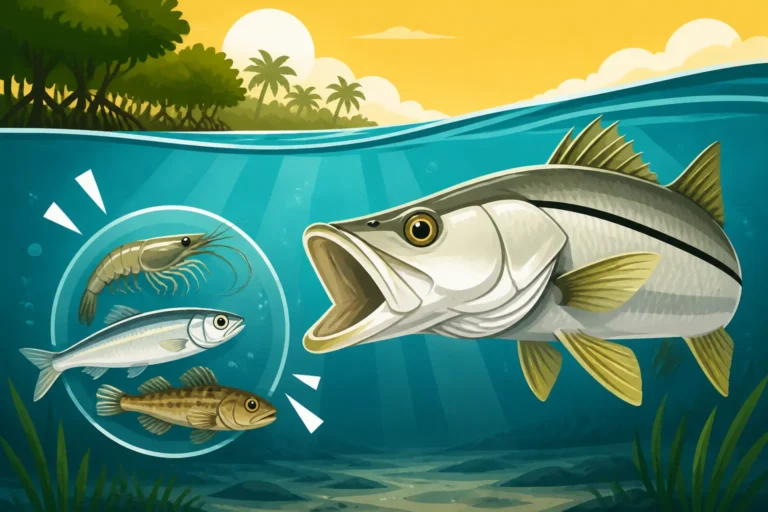
You've heard the saying "find the bait, find the fish." This couldn't be truer for trophy snook. These predatory fish are acutely aware of their local food sources. Whether it's schools of mullet, pilchards, threadfin herring, or even shrimp, snook will follow their prey. Observing baitfish activity is a huge clue. Are there schools showering on the surface? Are there ripples or splashes indicating bait being pushed? These are all signs that snook are likely nearby and actively feeding.
During seasonal bait migrations, like the mullet run in the fall, trophy snook will position themselves strategically to intercept these massive schools. Learning to identify the local baitfish and understanding their seasonal patterns can give you a significant advantage. Sometimes, just knowing where the bait is concentrated is more important than the exact time of year. If the bait is abundant and vulnerable, snook will be there to capitalize.
Weather Patterns and Fronts
Florida's weather is notoriously fickle, and while sunny skies are great for boat rides, changing weather can dramatically affect fishing. Cold fronts, even mild ones, can shut down a snook bite quickly, especially in the cooler months. The sudden drop in air temperature, often accompanied by strong winds and clearer water, can send snook scurrying for deeper, warmer, and often muddier water. Conversely, a few days of stable, warm weather after a cold snap can really turn the bite on.
Rain can also play a role. A light rain can often improve fishing by providing cover and washing bait into the water. However, heavy rains can muddy the water, drop salinity in brackish areas, and make fishing more challenging. Cloud cover can sometimes extend the productive morning and evening bites, as it simulates lower light conditions. Keeping an eye on the forecast and understanding how various conditions impact snook is a skill that comes with experience, but it's vital for those chasing big fish. Don't be afraid to postpone a trip if How Cold Fronts Affect Winter Fishing in Florida indicates conditions will be tough.
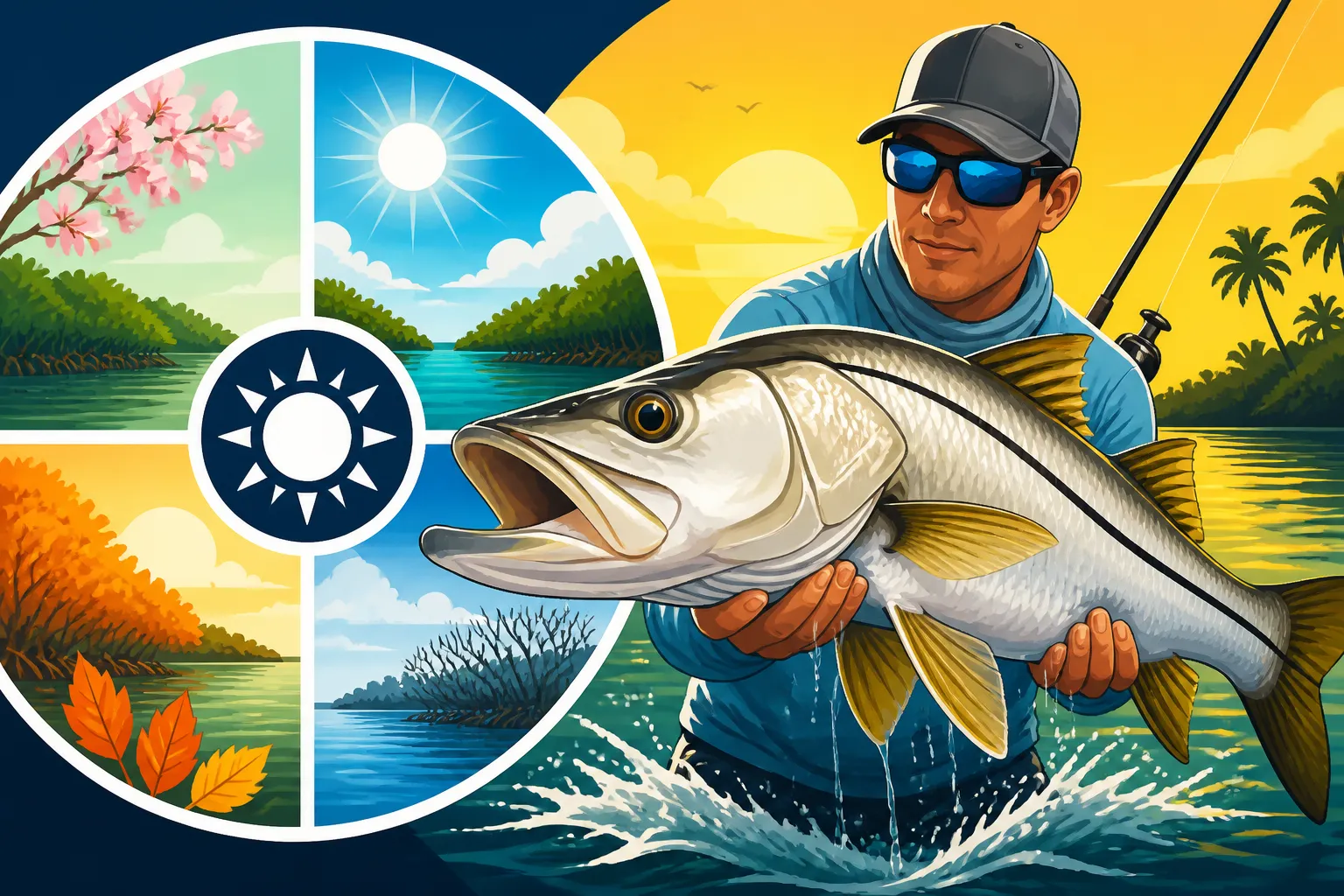
| Season | Typical Water Temp Range | Snook Behavior | Best Trophy Opportunities | Common Challenges |
|---|---|---|---|---|
| Spring | 68-78°F | Pre-spawn feeding, migrating to coastal areas, highly active | Excellent; fish are hungry and moving out of wintering holes | Sudden cold snaps, variable weather |
| Summer | 80-90°F+ | Spawning, can be lethargic during day, seek shade/current | Good, especially at night or early/late day around passes | Extreme heat, afternoon thunderstorms, post-spawn fatigue |
| Fall | 72-82°F | Post-spawn feeding frenzy, follow migrating baitfish | Excellent; fish are actively gorging for winter, strong fighters | Hurricane season impacts, short windows of opportunity |
| Winter | 55-68°F | Seek warm water refuges, lethargic, reduced feeding | Challenging; require precise tactics, very slow presentations | Cold fronts, potential for fish kills, limited feeding |
Gear and Tactics for Trophy Snook
Catching a trophy snook isn't just about being in the right place at the right time; it's also about having the right tools and knowing how to use them. These powerful fish can test your tackle to its limits, and a small mistake can mean the difference between a memorable catch and a heartbreaking bust-off.
Targeting Big Snook with Specific Baits
For trophy snook, bigger bait often equals bigger fish. While snook will eat small shrimp and finger mullet, those true giants are often keying in on substantial meals. Live baits are often the most effective for big snook, mimicking their natural forage perfectly.
- Live Mullet: Especially during the fall run, a frisky 6-10 inch live mullet is hard for a trophy snook to resist. They'll inhale it with a vengeance.
- Live Pilchards (Whitebait): When available in large numbers, a livewell full of pilchards can lead to epic fishing. Free-lining a large pilchard in current or near structure is deadly.
- Live Pinfish/Grunt: These tougher baits are great for larger snook, especially around rocky areas or heavy structure where they might deter smaller fish.
- Larger Artificials: Don't be afraid of big lures. Topwater plugs like the Heddon Super Spook or a MirrOlure Provoker can provoke explosive strikes, particularly at dawn and dusk. Large soft plastic jerkbaits or swimbaits, like those you might find on Amazon, rigged on heavy-duty jig heads, can be cast into mangrove roots or retrieved along current seams. Dive-and-rise plugs are also very effective, especially around structure. When it comes to Best Bait for Snook Fishing in Florida remember, the bigger the snook, the bigger its appetite for a substantial meal.
Rod, Reel, and Line Considerations
You need tackle that can stand up to the brute force of a trophy snook. These fish are notorious for their violent headshakes, their ability to dive into structure, and their sheer pulling power.
- Rods: A medium-heavy to heavy action spinning or baitcasting rod, typically 7 to 7'6" in length, with a fast tip, is ideal. This length gives you casting distance and leverage for fighting fish near cover. A good quality rod ensures you have the backbone to turn a big fish's head.
- Reels: A sturdy spinning reel in the 4000 to 6000 size range, or a robust baitcasting reel capable of handling heavy braid, is necessary. Smooth drag is absolutely paramount, as a sticky drag will lead to broken lines or pulled hooks. Look for reels from reputable brands that can withstand the intense pressure.
- Line: Braided line is almost a must for trophy snook fishing due to its incredible strength-to-diameter ratio and sensitivity. Use 30-50 lb test braid. Pair this with a fluorocarbon leader of 40-80 lb test. Fluorocarbon is nearly invisible underwater and offers excellent abrasion resistance, which you'll need when a snook tries to rub your line on barnacles or mangrove roots. The length of your leader can vary, but 2-4 feet is a good starting point. Knowing What Pound Test Line for Snook Fishing? is crucial for not only landing the fish but also for the health of the snook if you intend to release it.
Remember, the goal with trophy snook is often catch and release, especially for the larger females which are vital for reproduction. Proper handling, minimizing fight time, and using appropriate tools like a dehooker are essential. Catch and Release Best Practices for Snook outlines how to handle these magnificent fish carefully, ensuring they swim away healthy to fight another day and continue their important role in Florida's ecosystem. Using quality gear, like a sturdy pair of pliers or a hook remover from Amazon, can make the release process smoother and safer for both you and the fish.
Disclaimer
This article is for general informational purposes only and does not constitute professional advice. Laws, prices and regulations vary by location and change over time. Consult a qualified professional for guidance on your specific situation.