What Happens to Snook During a Cold Snap?
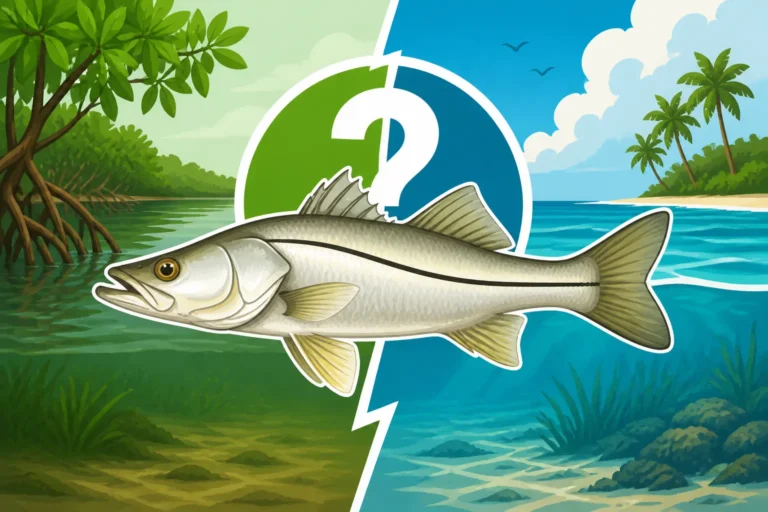
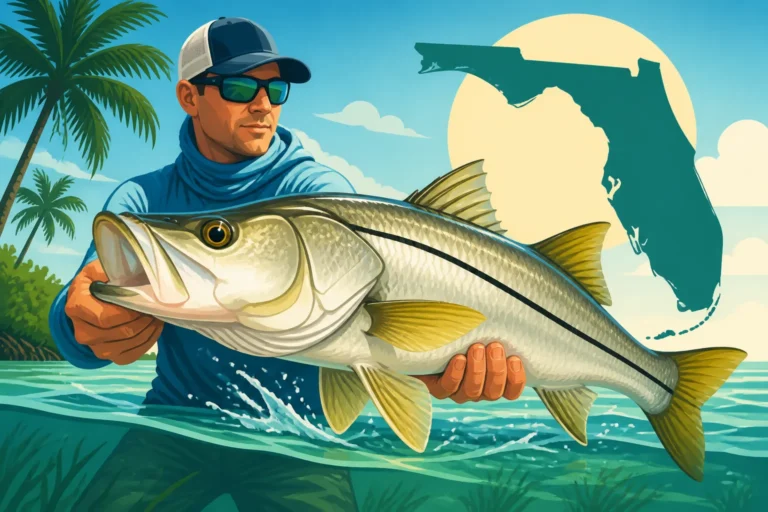
Oh, the dread that washes over us Florida anglers when the weather forecast shows those frigid temperatures dipping down into the unexpected! We know that a true cold snap can be a real game-changer for our beloved snook, those magnificent linesiders we cherish. This guide is all about shedding light on what actually happens to snook when the mercury plummets, why they're so vulnerable, and what us responsible anglers can do to help them through these challenging times.
The Chilling Truth: Why Snook Fear a Cold Snap
When you live in a place known as the Sunshine State, you might think our fish are immune to the cold, but that's simply not true. Snook, in particular, are highly sensitive to significant drops in water temperature, making cold snaps a genuine threat to their survival. It’s not just about a little discomfort; for snook, a sudden chill can be a matter of life and death.
A Tropical Fish in a Temperate Zone
Let's be real, snook are tropical fish at heart. They thrive in warm, subtropical waters, which is precisely why Florida, with its typically balmy climate, is a perfect home for them. Their natural range stretches south, into warmer climes, and while they've adapted well to much of Florida, they're still at the northern edge of their comfort zone here. This means they don't have the built-in physiological mechanisms that some other fish species possess to handle prolonged cold. Think of it like a person from the Caribbean moving to Canada – they can certainly adapt, but a sudden blizzard is going to hit them a lot harder than someone who grew up with snow. Our snook are right there, trying to make the most of our beautiful waters, but those rare, severe cold fronts are their Achilles' heel.
Metabolic Meltdown: How Cold Affects Snook Internally
When water temperatures drop below a critical threshold, typically around 50-55°F (10-13°C), snook start experiencing severe physiological stress. Unlike us warm-blooded humans, fish are ectothermic, meaning their body temperature mirrors their surroundings. As the water cools, their metabolism slows dramatically. It's like trying to run a race in slow motion; all their vital functions become sluggish. Their immune system weakens, making them more susceptible to diseases and parasites that they would normally fight off with ease. They become lethargic, lose their appetite, and are simply unable to function properly. Prolonged exposure to these cold temperatures can lead to organ damage, irreversible physiological shock, and ultimately, death. This isn't just an inconvenience for them; it's a full-blown emergency where every degree matters.
Where Do Snook Go When the Water Gets Cold? Seeking Thermal Refuge
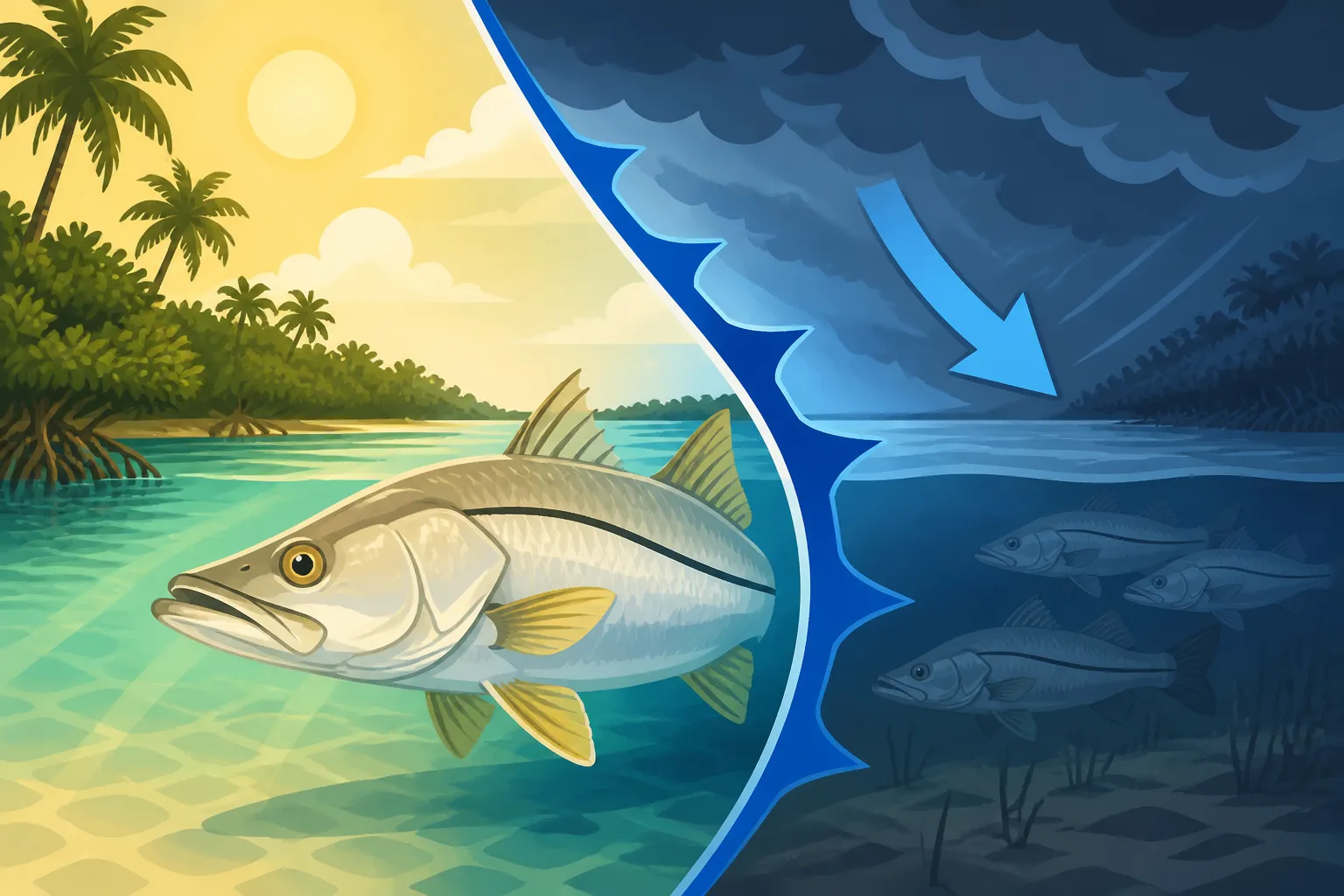
Knowing how vulnerable snook are to cold, it’s no surprise they have a survival instinct to seek out warmer waters. These "thermal refuges" become critical lifelines during a cold snap, concentrating snook in specific areas. It's a fascinating display of natural adaptation, even if it comes with its own set of dangers.
The Hunt for Warm Water Pockets
When the shallow flats and mangrove edges that snook typically inhabit begin to chill rapidly, these clever fish start looking for any patch of warmer water they can find. Their prime targets are deeper canals, residential dock areas, and sometimes even the outflows of power plants, which can discharge warmer water. Springs, with their constant flow of groundwater at a more stable temperature, also become crucial havens. They'll also seek out muddy bottom depressions or areas where the sun can still penetrate and warm the darker substrate. Imagine a giant, underwater game of hide-and-seek, where the prize is survival. They'll congregate in these spots, often piling up in incredible numbers, trying to keep warm. It's truly a sight to behold, though a somber one, when you see hundreds of snook huddled together, barely moving, just trying to make it through the night.
The Dangers of Overcrowding and Stagnation
While these thermal refuges offer a temporary reprieve, they are far from ideal. When large numbers of snook cram into a relatively small area, several problems arise. Oxygen levels can deplete rapidly, especially in stagnant canals, leading to further stress or even suffocation for weaker fish. The close proximity also means that any diseases or parasites present can spread like wildfire through the stressed population. Furthermore, while the deeper water offers some thermal stability, these huddled masses of lethargic snook become easy targets for predators, though even predators can be slow-moving in extreme cold. It’s a desperate trade-off: escape the immediate cold, but face new threats from overcrowding and compromised health. This is why sometimes, even after the cold snap passes, we see continued mortality among fish that survived the initial freeze.
The Angler's Dilemma: Ethical Fishing During a Cold Snap
As passionate anglers, we love to chase snook. But during a cold snap, our priorities must shift from catching to conservation. This is a time when our respect for the fish and the ecosystem truly shines through.
Why Fishing for Stressed Snook is Strongly Discouraged
This is perhaps the most crucial point for any responsible angler: do not target snook during a cold snap. It's just not right, and it significantly increases the mortality rate of these already struggling fish. Think about it: a cold-stressed snook is already on the brink. Its immune system is compromised, its metabolism is barely functioning, and it's expending every last bit of energy just to stay alive. The stress of being hooked, fighting, and handled – even if released carefully – can be the final straw. Their muscles are cold and stiff, making it harder for them to recover from the fight. Their slime coat, a vital protective layer against disease, can be easily damaged. Even if a fish swims away, it might succumb hours or days later from delayed mortality due to the exertion and trauma. Many anglers mistakenly believe a quick catch and release is harmless, but for a cold-stressed snook, it can be a death sentence. It’s important to give them every chance to survive these extreme weather events.
What Concerned Anglers Can Do (and Not Do)
So, what can you do if you're out near the water during or after a cold snap and see snook?
- Observe from a Distance: If you happen upon a group of snook in a thermal refuge, admire them from afar. Do not disturb them, cast at them, or try to interact with them in any way. Keep your distance, watch, and appreciate their resilience.
- Report Distressed Fish: If you see snook that appear visibly distressed, floating, or behaving unusually, it's vital to report it to the Florida Fish and Wildlife Conservation Commission (FWC). They rely on public reports to monitor the health of the fishery and implement necessary actions. You can usually find a non-emergency hotline or online reporting tool on their website.
- Avoid Thermal Refuges: Even if you're targeting other species, it's best to steer clear of known snook cold-weather hangouts. Unnecessary boat traffic or noise can stress fish even further.
- Consider Alternative Species: Florida has an incredible diversity of fish species! During a cold snap, perhaps turn your attention to freshwater species that might be less affected, or saltwater species that are more cold-tolerant. Many anglers turn to bass fishing in the central Florida lakes or target species like sheepshead, which thrive in cooler water. You might even find some excellent deals on new cold-weather fishing gear on Amazon to try out new techniques for these other species.
- Understand and Respect Regulations: Pay close attention to any emergency closures implemented by the FWC, such as Florida Snook Closed Season Dates. These closures are put in place for a reason – to give snook the best chance to recover without additional angling pressure. These rules often come with specific dates and regions, and it’s important to know if Why Florida Closes Snook Season in Winter impacts your local fishing grounds. Ignorance is not an excuse, so stay informed.
The Aftermath: Snook Recovery and Long-Term Implications
The immediate threat of the cold snap might pass, but the journey to full recovery for snook populations, and indeed the entire ecosystem, is often a long and challenging one. The long-term effects can be profound, shaping fishing opportunities for years to come.
Surviving the Chill: Immediate and Delayed Mortality
When the water temperatures rebound, it’s a huge relief, but the crisis isn't always over. While some snook will inevitably perish during the coldest days, many others might survive the initial freeze only to succumb to what's known as "delayed mortality." These fish, severely weakened by the cold, may have compromised immune systems that make them vulnerable to bacterial infections or parasites that wouldn't normally be a threat. They might struggle to feed, or their organs could have sustained damage that eventually proves fatal. Imagine getting severe frostbite – even if you warm up, the damage can linger and cause problems for a long time. For snook, this means that even if you see them swimming away seemingly fine after the cold, the fight for survival can continue for weeks afterward. This is why official agencies monitor for What Happens to Snook During a Cold Snap? and other similar events, recognizing the broader impact beyond just what is observed immediately.
Conservation in Action: Protecting Snook After a Freeze
Following a severe cold snap, the Florida Fish and Wildlife Conservation Commission (FWC) steps up its conservation efforts dramatically. They conduct surveys to assess the extent of the damage to snook populations. Based on these assessments, they often implement emergency regulatory changes. This might include extended closures of snook season, stricter Florida Snook Size and Slot Limits, or even temporary changes to bag limits. The goal is always to reduce fishing pressure on the recovering population, giving them the best chance to rebound, spawn successfully, and rebuild their numbers. These protective measures are crucial, especially for a species like snook, which can take several years to reach sexual maturity.
It's a collective effort, really. Anglers play a critical role by understanding that Why Snook Are Protected During Cold Weather is about long-term sustainability. Respecting these closures, even when it means putting your snook gear away for a bit, ensures that future generations will still have the thrill of battling these incredible fish. These times reinforce the importance of understanding the life cycle of these magnificent creatures. Sometimes, the best way to interact with nature is to give it space to heal. If you're looking for more information on snook fishing, consider checking out guides like Florida Snook Fishing Guide or Florida Snook Season Guide to stay informed about their health and regulations.
Table: Snook Behavior Comparison – Normal vs. Cold Snap
| Characteristic | Normal Conditions (Warm Water) | Cold Snap Conditions (Cold Water) |
|---|---|---|
| Activity Level | Active, aggressive, strong swimmers | Lethargic, slow-moving, often still or barely hovering |
| Feeding Behavior | Actively hunts baitfish, shrimp, crabs | Reduced or no feeding, metabolism too slow to digest |
| Habitat Preference | Shallow flats, mangrove edges, grass beds, oyster bars | Deeper canals, residential docks, warm water outflows, springs |
| Schooling Tendency | Solo or small groups, widespread | Aggregates in large, dense schools in thermal refuges |
| Survival Rate | High (barring predation, disease, fishing pressure) | Significantly reduced, high risk of immediate or delayed mortality |
| Response to Angling | Strong fight, good chance of survival if properly released | Weak fight, high stress, very high post-release mortality rate |
This table really highlights how drastic the change is for snook. For those keen on mastering the art of best time of year to catch snook in Florida or figuring out Best Bait for Snook Fishing in Florida, understanding these cold weather behaviors is paramount, even if it means not fishing for them during these critical periods. And always remember, knowing What Happens If You Keep an Undersized Fish in Florida? applies year-round, but respecting nature's limits is even more important during cold weather events.
Disclaimer
This article is for general informational purposes only and does not constitute professional advice. Laws, prices and regulations vary by location and change over time. Consult a qualified professional for guidance on your specific situation.