Florida Crappie Fishing Guide
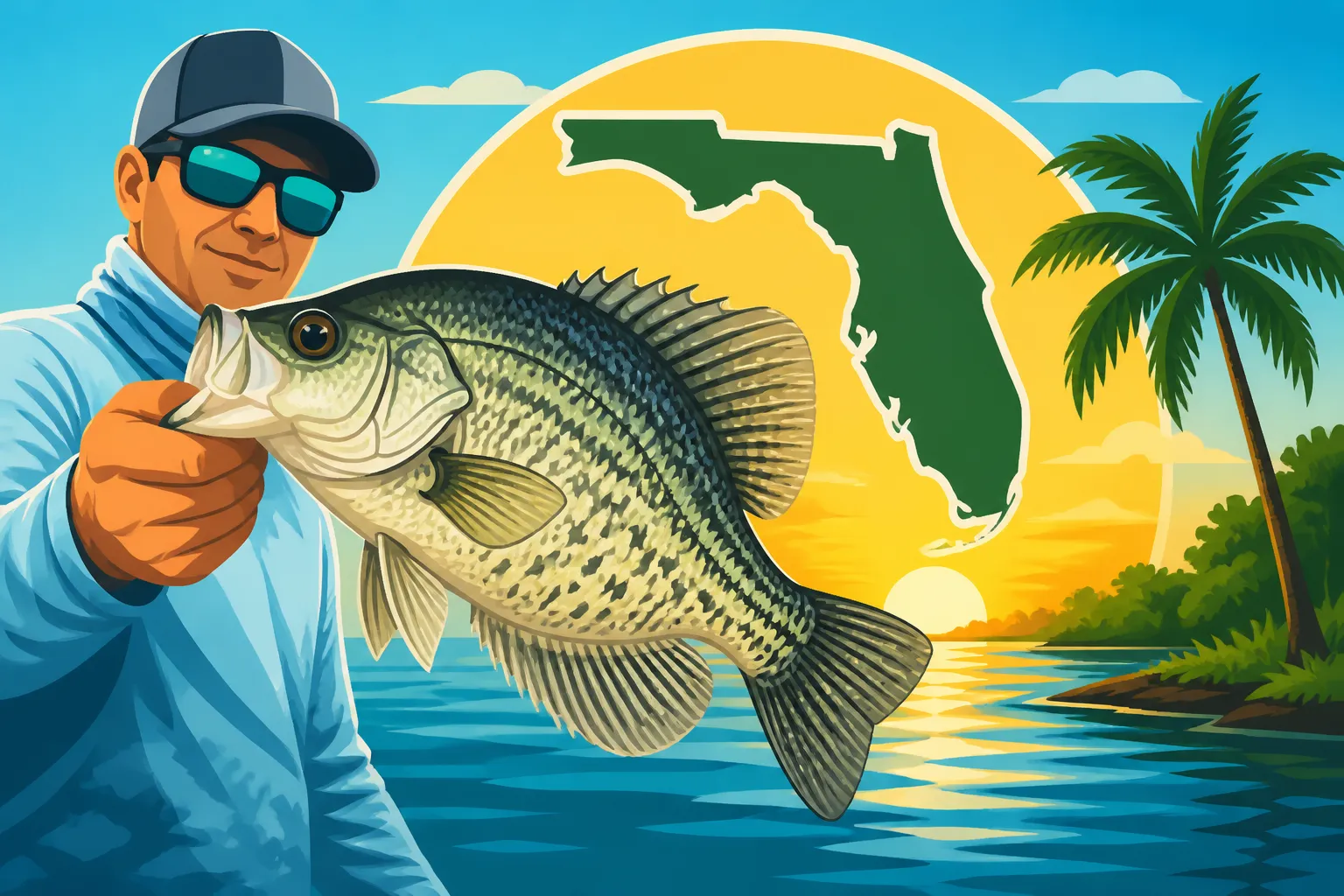
There's nothing quite like the subtle tug of a crappie on your line, especially when you know it's a "slab" – those big, plate-sized beauties that make for an incredible dinner. Many anglers get intimidated by the idea of freshwater fishing in Florida, especially when they hear about the legendary bass, but crappie, affectionately known as speckled perch, offer a fantastic and often overlooked challenge and reward. This guide is dedicated to helping you unravel the mysteries of Florida crappie, from understanding their habits to mastering the techniques that will fill your cooler.
Understanding Florida Crappie: Speckled Perch and Slab Catching
Crappie in Florida are truly something special. While they might not get the same superstar attention as a largemouth bass, ask any seasoned panfish angler, and they'll tell you that chasing crappie, particularly those impressive "slabs," is a deeply satisfying pursuit. Often referred to locally as speckled perch or specks, these fish are a cornerstone of freshwater fishing across the state, providing year-round action if you know where and how to look.
What Makes Florida Crappie Unique?
Florida is home to both black crappie and white crappie, though black crappie are far more common and widely distributed across our warm, nutrient-rich waters. What makes them unique here isn't just their prevalence, but how they thrive in our diverse freshwater systems, from sprawling lakes to winding rivers and even smaller canals. Their speckled appearance, with irregular black spots against a silvery-green or golden body, is distinctive and truly beautiful. Unlike some other fish that can be finicky eaters, crappie often feed in schools, meaning when you find one, you've often found a whole group, leading to some truly memorable fishing days. This schooling behavior is a key characteristic that dedicated crappie anglers learn to exploit, often resulting in a steady stream of catches once a productive spot is located.
One of the big draws of crappie fishing is their delicious table fare. The fillets are white, flaky, and mild, making them a favorite for many anglers who fish for food. There’s a certain satisfaction that comes from catching your own meal, and Florida crappie certainly deliver on that front. They're also incredibly active fighters on light tackle, offering a thrilling battle for their size. It’s not uncommon to hear tales of anglers battling what feels like a much larger fish, only to pull in a feisty, football-shaped crappie that gave them a run for their money.
The Life Cycle and Habits of Florida Crappie
Crappie typically have a relatively short but productive lifespan, often living only a few years but growing quickly in Florida's temperate climate. They are primarily freshwater fish, preferring clear to moderately stained water with plenty of submerged structure like fallen trees, brush piles, lily pads, and docks. These structures provide both ambush points for feeding and protection from predators. If you spend time observing a healthy crappie habitat, you'll notice how they relate to cover – always seeking refuge or a strategic position to snatch an unsuspecting baitfish or insect.
Their diet is varied, consisting mainly of smaller baitfish like minnows and shad, as well as insects, crustaceans, and even smaller invertebrates. This diverse diet makes them responsive to a wide array of baits and lures, which we'll dive into later. Understanding their feeding habits is crucial; they aren't typically aggressive chasers like a largemouth bass, but rather ambush predators that prefer to 'sip' or gently take baits, which requires a keen eye and sensitive touch from the angler. They are also highly sensitive to water temperature changes, a factor that heavily influences their movements and feeding patterns throughout the year. For instance, Fishing After a Cold Snap in Florida can dramatically alter where you find these fish.
Prime Crappie Fishing Seasons and Conditions in Florida
Knowing when to fish for crappie in Florida is almost as important as knowing where. While you can catch them year-round, certain seasons and conditions bring about peak activity, making your efforts much more productive. Florida's mild winters and long summers mean crappie are almost always biting somewhere, but targeting those prime windows can turn a decent day into a truly epic one.
Best Time of Year for Crappie in Florida
Hands down, the late winter and early spring are the absolute best times to target crappie in Florida. This period, roughly from late January through April, is when the water temperatures begin to rise steadily after the cooler months. As the mercury climbs into the 60s Fahrenheit, crappie, particularly the larger "slabs," become much more active and move into shallower waters to spawn. This is when anglers truly hit the jackpot, as the fish are concentrated and actively feeding, preparing for and recovering from the spawn.
During these months, crappie can be found closer to shore, around brush piles, submerged vegetation, and other forms of cover in depths ranging from a few feet to ten feet or so. It's a fantastic time for both boat and shore anglers to connect with these tasty panfish. While the spring spawn is the main event, don't dismiss the cooler months entirely. Throughout the fall and winter, crappie tend to school up in deeper pockets of water, often near drop-offs or river channels, where the water temperature is more stable. This offers a different kind of challenge, often requiring more specialized techniques to pinpoint their deeper haunts. Knowing the Best Time of Year to Fish in Florida generally can help you narrow down your crappie efforts.
Ideal Weather and Water Conditions
Crappie are quite particular about their environment, and paying attention to weather and water conditions can significantly improve your catch rates. Overcast days are often crappie gold. When the sun is high and bright, crappie tend to retreat into deeper, shaded cover, making them harder to find. Cloudy conditions, however, encourage them to move more freely and feed more actively, even in shallower water. A gentle breeze is also a bonus, as it creates a ripple on the water's surface, breaking up light penetration and making the fish feel more secure, while also helping to concentrate baitfish.
Water clarity plays a role too. Crappie prefer slightly stained or tea-colored water over crystal clear conditions. This provides them with camouflage, making it easier to ambush prey and giving them a sense of security from predators. Rapid changes in water temperature, especially sudden drops due to cold fronts, can send crappie into a funk, making them less willing to bite. Stable, slowly warming temperatures are ideal. Conversely, prolonged periods of hot, stagnant weather in summer will send crappie deep into thermal refuges, making them harder to entice.
Understanding Crappie Spawning Patterns
The crappie spawn is the holy grail for many anglers, and understanding it is key to a banner year. In Florida, crappie typically begin their spawning ritual when water temperatures consistently reach the mid-60s Fahrenheit. This usually occurs first in the central and southern parts of the state in late January or February, then progresses north through March and April. They'll move into shallow water, often just a few feet deep, seeking out areas with firm bottom, such as gravel, sand, or even hardened clay, often near submerged brush, lily pads, or cattails.
Males will fan out saucer-shaped nests, guarding them aggressively. During this period, the fish are highly concentrated and focused, making them relatively easier to catch. Anglers often look for visible signs of spawning activity, like disturbed vegetation or even seeing fish darting around. It's crucial to approach these areas quietly and stealthily, as crappie can be easily spooked despite their spawning fervor. After the initial spawn, fish may stay in the shallower areas for a while, feeding heavily to regain energy, before retreating to deeper water as temperatures continue to rise.
Top Gear and Tackle for Florida Crappie Success
Crappie fishing doesn't require a massive investment in heavy-duty gear, but having the right tools for the job can make all the difference between a few nibbles and a full livewell. Precision and sensitivity are key when it comes to enticing these subtle biters, and thankfully, quality crappie gear is generally quite affordable and accessible. Whether you’re a seasoned angler or just starting out, a well-matched rod and reel can truly elevate your crappie game.
Rods, Reels, and Line for Crappie Anglers
When it comes to crappie, light tackle is the name of the game. A good crappie rod should be sensitive enough to detect the faintest of bites, which crappie are notorious for. Many anglers prefer a lightweight spinning rod between 6 and 9 feet long, with an ultra-light or light action and a fast tip. This allows for long casts with small baits and excellent feel for those subtle takes. A longer rod, especially for dock fishing or trolling, can help you keep your bait away from the boat and navigate obstacles. You can find excellent options on platforms like Amazon that are specifically designed for panfish.
Pair your sensitive rod with a small spinning reel, typically a 500 or 1000 series. These reels are light, well-balanced, and provide a smooth drag, which is essential when fighting a surprisingly strong crappie on light line. For line, 4 to 6-pound test monofilament or fluorocarbon is generally preferred. Monofilament offers good knot strength and some stretch, acting as a shock absorber. Fluorocarbon, on the other hand, is nearly invisible underwater and has less stretch, providing even more sensitivity. Some anglers opt for braided line with a fluorocarbon leader for maximum sensitivity and strength, but the lack of stretch can sometimes pull hooks if you're not careful. This setup is quite different from what you might use for larger species, as outlined in our Best Rod and Reel Setup for Florida Inshore Fishing.
Essential Baits and Lures for Florida Crappie
Crappie are opportunistic feeders, but they do have their preferences. The most consistent and often most productive bait for crappie is live minnows. A small minnow, hooked lightly through the back or lip, suspended under a bobber or slowly trolled, is incredibly hard for a crappie to resist. You'll often see anglers using tiny hooks (size 4, 6, or even 8) to match the minnow size and avoid spooking these sometimes wary fish.
Beyond live bait, a variety of artificial lures can be incredibly effective. Small jigs, particularly those weighing 1/32 to 1/8 ounce, are crappie killers. These can be tipped with tiny soft plastic bodies in various shapes like tubes, grubs, or small minnow imitations. Colors like chartreuse, white, black/chartreuse, and pink are often top producers. Jigging spoons and tiny crankbaits can also work, especially when fish are holding deeper. Don't forget about scented baits, either; sometimes that extra attractant can be the tipping point for a hesitant crappie. Experimentation is key, as what works one day might not work the next, but having a diverse tackle box, easily assembled from retailers like Amazon, will keep you prepared.
Electronics and Accessories for Crappie Fishing
While not strictly essential for every crappie trip, a few electronics and accessories can significantly boost your success, especially when targeting those deeper winter slabs. A good fish finder is invaluable for locating submerged brush piles, ledges, and schools of baitfish, which are all prime crappie real estate. Side imaging or down imaging sonar can give you a clear picture of structure below and around your boat, helping you pinpoint exactly where crappie are holding.
Another fantastic tool, particularly for lake fishing, is an electric trolling motor. This allows for quiet, precise boat control, which is critical when approaching crappie schools without spooking them. It’s also indispensable for slow trolling techniques. Other useful accessories include a good crappie net with a fine mesh (to avoid tangling tiny jigs), a livewell or cooler to keep your catches fresh, and a pair of polarized sunglasses to cut glare and spot structure or even fish in shallower water. A small tackle box or bag specifically organized for your crappie jigs, weights, and hooks will keep you efficient on the water.
Effective Crappie Fishing Techniques in Florida
Crappie fishing is an art form, requiring patience, a light touch, and a willingness to adapt your methods. These fish aren't usually aggressive predators, preferring to ambush their meals, which means your presentation needs to be subtle and enticing. Mastering a few key techniques will put you ahead of the game and lead to more consistent catches in Florida's varied waters.
Trolling for Crappie: The Slow and Steady Approach
Trolling is a highly effective method for covering water and locating crappie schools, especially in larger lakes like those often mentioned in our Best Freshwater Fishing Lakes in Florida guide. The idea is to move your boat slowly, typically between 0.5 to 1.5 miles per hour, dragging multiple baits behind you at different depths. Many anglers use spider rigging, which involves deploying several long rods (sometimes up to eight or more) from the front of the boat, fanned out like a spider's legs. Each rod can have a different bait or lure, often a small jig tipped with a minnow or a soft plastic, set at varying depths using small weights or bobbers.
This method allows you to experiment with depth and bait until you find what the crappie are biting and at what level. Once you get a bite, note the depth and the bait used, and then replicate it on your other rods. Trolling is particularly effective during the pre-spawn and post-spawn periods when crappie are spread out and actively roaming for food. It's a fantastic way to find those concentrations of fish that might otherwise be missed.
Jigging and Bobber Fishing for Panfish
For more stationary fishing, jigging and bobber fishing are classic and incredibly effective crappie techniques. Jigging involves using a small jig (1/32 to 1/8 ounce) and working it vertically near structure. This can be done from a boat, pier, or even the shore, dropping the jig directly into brush piles, under docks, or along submerged ledges. The key is to impart subtle action – tiny twitches, slow lifts, and pauses – to imitate a struggling baitfish or insect. The bite often feels like a light tap or simply a bit of added weight on your line.
Bobber fishing, especially with live minnows, is arguably the most popular and easiest method for crappie. A small float, set to suspend your bait at a desired depth, allows you to target fish holding at specific levels around cover. The bobber acts as your strike indicator; a slight dip, twitch, or disappearance signals a crappie bite. This method is excellent for beginners and kids, offering visual excitement when the bobber goes down. It's also very effective when fish are concentrated in specific areas, such as during the spawn or when they're tight to cover.
Live Bait Rigs for Finicky Slabs
Sometimes, artificial lures just won't cut it, especially when crappie are particularly finicky or pressured. This is where live bait rigs shine. The simplest and often most effective rig is a plain hook (size 4-8), a small split shot weight (if needed to get depth), and a lively minnow. This can be fished under a bobber or simply free-lined into cover. For deeper water or when current is a factor, a double hook rig, sometimes called a "crappie rig," is popular. This setup typically consists of two hooks tied at different heights on the main line, with a weight at the bottom. This allows you to present two baits at slightly different depths, increasing your chances of finding the crappie's preferred level.
Another effective live bait presentation is tight-lining. This involves fishing directly below the boat with just enough weight to keep your minnow at the desired depth. You hold the rod and feel for the subtle taps, often without a bobber. This method offers maximum sensitivity and direct contact with the bait, allowing you to feel even the lightest crappie bite. Remember, always use the freshest live bait possible; healthy, active minnows are far more enticing to crappie than sluggish ones.
Where to Find Crappie in Florida: Hotspots and Habitats
Florida boasts an incredible array of freshwater systems, and with a little knowledge, you can uncover crappie hotspots throughout the state. Unlike saltwater species that require tides and currents, crappie gravitate towards specific types of cover and structure in our lakes and rivers. Knowing what to look for is half the battle won, leading you directly to where those speckled beauties are hiding.
Key Freshwater Lakes and Rivers
When it comes to prime crappie real estate in Florida, some names consistently rise to the top. Lake Okeechobee, while famous for its bass, is also a crappie powerhouse, especially in the cooler months when fish school up in deeper areas like the "rim canal." Central Florida's chain of lakes, including Lake Kissimmee, Lake Toho, and Lake Marion, are also renowned crappie fisheries. These lakes feature abundant hydrilla, lily pads, and cypress trees that provide ideal cover. You can find more details on these lakes in guides like Best Public Lakes for Bass Fishing Near Orlando, which often highlight panfish opportunities as well.
Moving north, the St. Johns River system and its associated lakes (like Lake George and Lake Monroe) offer fantastic crappie fishing, particularly around its numerous creeks and tributaries. Even smaller, lesser-known lakes and reservoirs across the Panhandle and North Florida can hold impressive numbers of crappie. The key is to look for bodies of water with good water quality, plenty of natural or artificial structure, and a healthy baitfish population. Don't overlook the potential of local county and state parks; many manage their ponds and lakes for panfish.
Navigating Structure and Cover
Crappie are ambush predators that rely heavily on cover and structure. If you want to find them, you need to think like them and look for places they can hide and hunt. Here's a quick breakdown of common crappie hangouts:
| Structure Type | Crappie Behavior | Ideal Season |
|---|---|---|
| Brush Piles | Excellent ambush points, shelter from predators, concentrates baitfish. | Year-round, especially good in cooler months |
| Fallen Trees/Logs | Provides shade, hiding spots, and collects debris for insect life. | Year-round |
| Lily Pads/Vegetation | Offers overhead cover, cooler water, and insect habitat. Ideal for spawning. | Spring (spawn), Summer (shade) |
| Docks/Piers | Shade, structure, and often attract baitfish. Deeper water near pilings is key. | Year-round, good for bank anglers |
| Drop-offs/Ledges | Transitional zones where crappie move between deep and shallow water, especially in winter. | Winter, Post-spawn |
| River Channels | Deeper, stable water provides refuge during temperature extremes. | Winter |
Learning to use your electronics to locate these submerged structures is a game-changer. Once you find a brush pile or a submerged tree, gently present your bait right on top of it or along its edges.
Public Access and Hidden Gems
Florida offers abundant public access for crappie anglers, from well-maintained boat ramps on large lakes to smaller, quieter parks with bank access. State parks and wildlife management areas (WMAs) often feature lakes and ponds that are excellent for crappie, and many have facilities for launching kayaks or small boats. Don't be afraid to consult local bait shops; they are often a treasure trove of information about current conditions and productive spots, and they can point you to lesser-known "hidden gems" that might not show up on popular fishing maps.
Additionally, many of Florida's freshwater canals, particularly in South Florida, can hold surprising numbers of crappie, often overlooked by anglers targeting peacock bass or largemouth. These canals provide a unique fishing experience, often accessible from public roads or small launch points. Remember to always check local regulations and property lines when exploring new areas. While a Florida Freshwater Fishing License Rules guide is essential, knowing where you can legally cast a line is equally important.
Crappie Regulations and Conservation in Florida
As with all fishing in the Sunshine State, crappie fishing comes with its own set of rules and regulations designed to protect the resource and ensure sustainable fishing for future generations. Ignoring these rules isn't just illegal; it actively harms the very fishery we all love. Being a responsible angler means understanding and adhering to bag and size limits, and appreciating the role we play in conservation.
Florida Crappie Bag and Size Limits
The Florida Fish and Wildlife Conservation Commission (FWC) sets specific regulations for crappie (speckled perch) to manage their populations effectively. These regulations can vary slightly by water body, so it's always critical to check the most current FWC guidelines before you head out. Generally, for black crappie, there is a generous daily bag limit, allowing anglers to keep a good number of fish for the dinner table. There is usually no minimum size limit, which is different from many other game fish. This means you can keep smaller crappie, which are often delicious, but remember that releasing the larger "slab" crappie can help ensure more big fish for future spawns.
It's common for the FWC to have a statewide daily bag limit, but sometimes specific lakes or regions may have their own unique rules, often due to targeted management efforts or local conditions. Always refer to the FWC website or a current Florida fishing regulations pamphlet, which you can usually pick up at bait and tackle shops or review online, before you go. This diligence helps avoid unintentional violations, which can lead to fines and legal trouble, as detailed in our Florida Fishing Regulations and Bag Limits resource.
Protecting Florida's Crappie Population
Conservation isn't just about following rules; it's about being a steward of the environment. While crappie populations are generally robust in Florida, responsible angling practices help ensure their continued health. Catch-and-release, especially for the largest spawning females (the "slabs"), can significantly contribute to the gene pool and future generations of crappie. If you're going to keep fish, only take what you'll realistically eat, and consider releasing some of those bigger ones.
Using proper handling techniques when releasing fish is also crucial. Minimize their time out of water, handle them gently with wet hands, and avoid squeezing their internal organs. If a fish is deeply hooked, it's often better to cut the line as close to the hook as possible rather than trying to remove the hook, which can cause more damage. Beyond fishing practices, supporting conservation efforts through your purchase of a Florida Fishing License Guide directly funds vital research, habitat restoration, and enforcement that benefits crappie and all other freshwater species in Florida. Every license purchased plays a part in keeping our waters vibrant and full of fish.
Disclaimer
This article is for general informational purposes only and does not constitute professional advice. Laws, prices and regulations vary by location and change over time. Consult a qualified professional for guidance on your specific situation.