Florida Bag Limit for Hogfish
Navigating the myriad of fishing regulations in Florida can sometimes feel like trying to solve a puzzle with half the pieces missing, especially when you're targeting a unique and highly prized species like hogfish. Many anglers, both seasoned veterans and eager newcomers, find themselves scratching their heads wondering exactly what the legal bag limit is for hogfish, along with crucial size requirements. This guide is here to clear up that confusion, diving deep into the specific rules for harvesting hogfish in Florida waters, ensuring you can enjoy your time on the water responsibly and legally.
Understanding Hogfish and Their Popularity in Florida Waters
Hogfish aren't your everyday catch. They're a unique and incredibly delicious species that bring a special thrill to any fishing trip. Their distinctive appearance and often shy nature make them a challenging but rewarding target for many anglers across the Sunshine State. But what exactly is it about these fascinating fish that makes them so sought after?
What Makes Hogfish Such a Prized Catch?
First and foremost, it's all about the taste. Hogfish are renowned for their exceptionally delicate, white, flaky meat, often compared to scallops or even crab. Many consider them one of the finest eating fish in Florida, making them a top prize for those looking to fill their cooler with gourmet seafood. This isn't just hyperbole; ask almost any Floridian angler, and they'll likely rave about a hogfish dinner. Beyond their culinary appeal, they're also interesting to pursue. They don't strike a bait aggressively like a snapper or grouper; instead, they often use their elongated snouts to root around in the sand for crustaceans. This unique feeding behavior often requires a more finessed approach, whether you're spearfishing or using hook and line.
Another aspect that adds to their allure is the challenge. Hogfish are often found in areas with plenty of structure, like rocky ledges, coral reefs, and wrecks, making them a game of skill to extract. Spearfishermen particularly love targeting them, as they offer an engaging hunt, often requiring stealth and precision. They are not always easy to spot, blending into their environment, and their movements can be quite deliberate. For recreational divers and anglers, encountering a hogfish is always a treat, given their unique look and generally docile demeanor when not actively being hunted.
Where to Find Hogfish in Florida
Hogfish are primarily a saltwater species and are most commonly found in the warmer waters of Florida, particularly along the Gulf Coast and parts of the Atlantic. They love structure, so you'll typically find them around reefs, ledges, wrecks, and even bridge pilings that offer plenty of nooks and crannies to hide and forage for food. Their diet consists mainly of small invertebrates, such as crabs, shrimp, and mollusks, which is why they spend so much time rooting around on the seafloor.
While you can encounter them in shallower waters, especially younger fish, the larger, more mature hogfish often prefer depths ranging from 20 to over 100 feet. This means that offshore trips or dives are often required to consistently target the bigger specimens. Popular hogfish hotspots include areas off the coast of the Florida Keys, the reefs of Southwest Florida, and numerous wrecks and artificial reefs dotted along the Gulf. Understanding their preferred habitat is key to a successful hogfish expedition, whether you're dropping a line or wielding a spear. Remember, successful hogfish fishing often comes down to knowing the local topography and current conditions, which can vary greatly across Florida’s diverse coastal regions.
Florida's Hogfish Bag and Size Limits
Alright, let's get down to brass tacks: what are the actual rules for keeping these prized fish? The Florida Fish and Wildlife Conservation Commission (FWC) sets these regulations to ensure a healthy, sustainable population for future generations of anglers. It’s absolutely essential to be aware of and abide by these limits, not just to avoid a hefty fine, but to contribute to the conservation efforts that keep our fisheries thriving.
Current Recreational Regulations
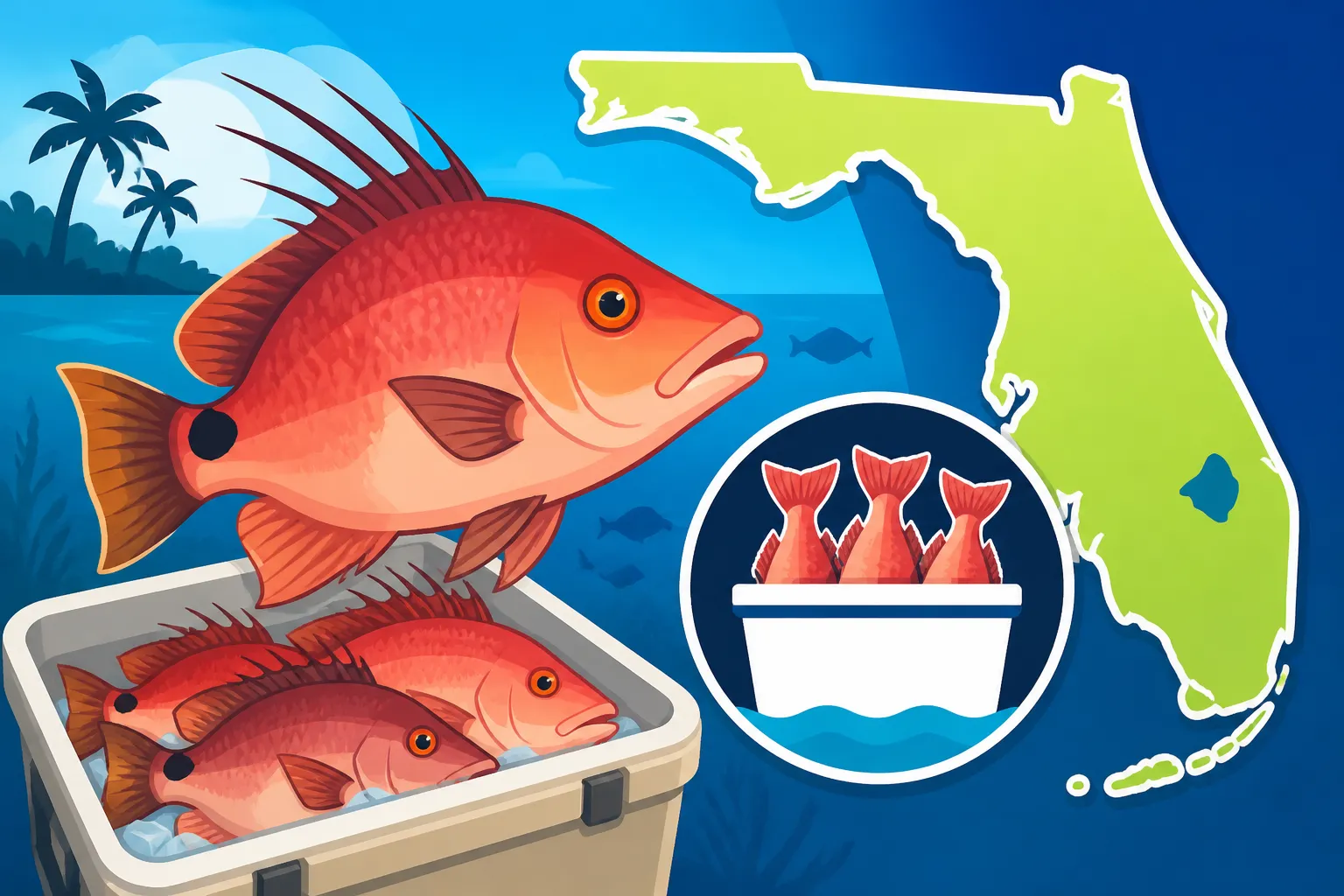
For hogfish, the general recreational bag limit across Florida is five fish per person per day, with a specific minimum size limit. This means you can't keep any hogfish smaller than 16 inches fork length. Fork length is measured from the tip of the snout to the fork in the tail, not the overall length to the end of the tail fin. It's a precise measurement, and having a reliable measuring device on hand is absolutely crucial. You can find excellent, durable fish rulers and measuring boards on platforms like Amazon that are perfect for verifying your catch.
However, there's a significant regional exception that everyone targeting hogfish needs to know. For all state and federal waters off the coast of Florida's East Coast (basically, from the waters of Monroe County (Florida Keys) north to the Georgia line) and for Florida Bay, the recreational bag limit is much stricter: one hogfish per person per day, and the minimum size limit remains 16 inches fork length. This distinction is critical and often overlooked. Anglers fishing the Gulf of Mexico side (including the Keys) have the more generous five-fish limit, while those fishing the Atlantic side have the stricter one-fish limit. Always double-check which zone you're in before you start fishing. Ignoring this can lead to penalties for violating fishing regulations.
Here’s a quick summary table to help keep it straight:
| Region | Recreational Bag Limit (per person/day) | Minimum Size Limit (Fork Length) |
|---|---|---|
| Gulf of Mexico & Florida Keys (Gulf side) | 5 | 16 inches |
| Atlantic Coast & Florida Bay | 1 | 16 inches |
Keep in mind that these regulations apply to both hook-and-line fishing and spearfishing. So, whether you're dropping a live shrimp on a jig or free-diving with a pole spear, the same limits apply to your catch. It’s also worth noting that charter boats and commercial operations often have different regulations, so if you're fishing with a guide, they will ensure compliance. For independent anglers, the onus is on you.
Why These Regulations Exist
The FWC doesn't just pull these numbers out of thin air. These regulations are the result of extensive scientific research, stock assessments, and public input, all aimed at ensuring the long-term health and sustainability of the hogfish population. Hogfish are not as prolific or fast-growing as some other species, making them particularly vulnerable to overfishing if not properly managed. The stricter limits on the Atlantic coast, for instance, reflect a more cautious approach to a population that might be less robust or more heavily pressured in that region.
These size limits, like the 16-inch minimum, are designed to allow hogfish to reach sexual maturity and reproduce at least once before being harvested. This ensures that the population can replenish itself, maintaining a healthy breeding stock. Without such measures, species can decline rapidly, leading to closures and restrictions that nobody wants to see. Think of it as an investment in the future of Florida fishing. Every fish released that is undersized or over the bag limit contributes to a healthier ecosystem for us all to enjoy down the line. It's a commitment to How Florida Fishing License Fees Fund Conservation and the responsible stewardship of our natural resources.
Tools and Techniques for Responsible Hogfish Angling
Whether you're an experienced spearfisher or prefer the traditional rod and reel, targeting hogfish effectively and responsibly requires the right gear and a thoughtful approach. It’s not just about catching fish; it’s about doing it in a way that minimizes impact and ensures the health of the species.
Essential Gear for Targeting Hogfish
For those who enjoy spearfishing, a pole spear or Hawaiian sling is often the weapon of choice for hogfish. Their tendency to hover near structure makes them excellent targets for divers. You'll also need a good dive mask, fins, and snorkel, plus potentially a wetsuit depending on water temperature. When it comes to hook-and-line fishing, light to medium tackle is usually sufficient. A spinning rod in the 7-foot range with a sensitive tip is ideal for detecting their subtle bites. Many anglers use a basic knocker rig or a small jig head with a live shrimp, fiddler crab, or sand flea. The key is to keep your bait natural and present it gently near the structure where hogfish forage.
Beyond the catching tools, having proper measuring devices is non-negotiable. A reliable fish ruler or measuring tape is vital for confirming your catch meets the 16-inch fork length requirement. Many anglers find durable, waterproof rulers that adhere to their boat or kayak to be incredibly convenient. You can easily find high-quality options on Amazon that are built to withstand saltwater environments. Additionally, a dehooking tool is essential, especially if you plan on catch and release for undersized fish. This allows for quick and efficient hook removal, minimizing stress and injury to the fish before it's returned to the water. A good pair of fishing pliers, too, can make a world of difference for removing hooks and cutting line.
Best Practices for Hogfish Catch and Release
Even with the best intentions, sometimes you’ll catch a hogfish that’s undersized or you’ve already filled your bag limit. In these situations, responsible catch and release practices are paramount. The goal is to return the fish to the water in the best possible condition, giving it the highest chance of survival. First, minimize handling time. The less time a fish is out of the water, the better. Use wet hands or a wet towel to handle the fish to protect its delicate slime coat, which is its primary defense against infection. Avoid squeezing the fish, especially around its internal organs.
Second, use appropriate dehooking tools. Long-nose pliers or a specialized dehooker are excellent for quickly removing hooks without excessive damage. If a fish is deeply hooked, especially in the gills or throat, it might be better to cut the line as close to the hook as possible rather than trying to rip it out. This can cause less trauma than a prolonged attempt at removal. Finally, when releasing the hogfish, gently place it back into the water, headfirst if possible, allowing it to swim away on its own power. Avoid simply tossing it back, as this can disorient or injure the fish. Sometimes, if a fish appears stunned or has been brought up from deeper water, holding it upright and slowly moving it back and forth to force water through its gills can aid in its recovery. These simple steps make a huge difference in ensuring the sustainability of the hogfish population.
Navigating Common Misconceptions and Staying Compliant
Fishing regulations can feel like a moving target, and it's easy to fall prey to outdated information or misunderstandings. Staying on the right side of the law isn't just about avoiding a ticket; it's about being a responsible angler who contributes to the health of Florida's marine ecosystems. Let's tackle some common pitfalls.
Dispelling Myths About Hogfish Rules
One of the most common misconceptions revolves around the regional differences in bag limits. Many anglers, especially those who primarily fish the Gulf Coast, assume the five-fish limit applies everywhere. This simply isn't true for the Atlantic coast and Florida Bay, where it drops to a single fish. Imagine planning a trip to the East Coast, catching five hogfish, and proudly taking them back to the dock, only to find you've violated the law. It’s a frustrating scenario that can easily be avoided by understanding the specific geographic zones. Always confirm the regulations for the exact location you plan to fish, not just "Florida." This is crucial for species like hogfish that have nuanced regional rules.
Another myth involves the belief that if you're on a charter boat, the captain handles everything, and you don't need to know the rules. While a reputable charter captain will certainly ensure compliance, it’s still your responsibility as an angler to be aware. Ignorance of the law is never an excuse. Furthermore, some anglers mistakenly believe that specific tackle or fishing methods change the rules. Whether you're using conventional tackle, fly fishing, or spearfishing, the recreational bag and size limits for hogfish remain the same. There isn't a "spearfishing exception" or a "light tackle allowance" for these limits. These unified rules aim for consistency and fairness across all recreational fishing methods.
How to Stay Up-to-Date on Regulations
The best way to avoid fines and contribute to conservation is to stay informed. Regulations can and do change, sometimes annually, sometimes due to environmental factors, and sometimes through legislative updates. The most authoritative source for Florida fishing regulations is the Florida Fish and Wildlife Conservation Commission (FWC). Their website, MyFWC.com, is a treasure trove of information, providing detailed breakdowns of bag limits, size limits, season closures, and regional exceptions for every species. They also offer a handy rule finder tool that can customize information based on your location and target species.
Beyond the website, the FWC frequently publishes regulatory changes through press releases and social media. Following their official channels is a smart move. Additionally, consider downloading the FWC's Fish|Hunt Florida app. This app is a fantastic resource, putting regulations, critical fishing license information, and even a calendar of seasons right in the palm of your hand. It's like having a digital copy of the rulebook that updates itself! Many local bait and tackle shops are also excellent sources of current information, as they deal with anglers daily and are often the first to hear about changes. Some anglers even prefer to carry a laminated printout of current rules, which you can easily protect with a waterproof sleeve, readily available on Amazon, ensuring you have access even without cell service. Taking these proactive steps ensures that your hogfish adventures are always within legal bounds, making them enjoyable for you and sustainable for the future. You can also find more general information by checking out our Florida Fishing Regulations and Bag Limits guide.
Important Considerations Beyond Limits
Beyond just the numbers of fish you can keep and their size, there are a few other aspects of hogfish angling that are good to keep in mind. These considerations not only promote better fishing experiences but also further emphasize responsible practices.
Regional Specifics and Seasonal Changes
While the general hogfish regulations are fairly consistent throughout the year, it's always wise to be aware of any potential seasonal changes or emergency closures that might pop up. For instance, specific areas might temporarily close to protect spawning fish or if a particular stock is deemed to be under stress. These closures are usually announced well in advance by the FWC and are critical for the species' recovery. Similarly, while the Atlantic and Florida Bay have a stricter year-round limit, always keep an eye out for any updates to the Gulf Coast regulations, as stock assessments are ongoing. These nuances underline the importance of checking current FWC guidelines before each trip, ensuring you're not caught off guard by a temporary rule adjustment. It's a bit of extra homework that pays off for both your peace of mind and the fish.
Understanding the Role of Permits and Licenses
While the bag limit addresses how many hogfish you can keep, don't forget the foundational requirement: a valid Florida fishing license. Whether you're fishing from a boat, shore, or pier, most recreational anglers need a license. There are specific exemptions, of course, such as for very young children or during designated Florida Free Fishing Days. However, for the vast majority of adult anglers pursuing hogfish, a saltwater fishing license is a must. If you're planning on using a spear, you might also need a spearfishing permit or endorsement on your license, depending on the specific regulations at the time. These licenses and permits are vital for funding the conservation efforts that protect hogfish and countless other species, ensuring that Florida remains a premier fishing destination. Taking the time to understand Who Needs a Fishing License in Florida is just as important as knowing your bag limits.
Protecting Fragile Habitats
Hogfish, as we've discussed, thrive around structure—reefs, wrecks, and rocky bottoms. These habitats are not just homes for hogfish; they are vibrant ecosystems supporting a multitude of marine life. When targeting hogfish, it's crucial to minimize your impact on these fragile environments. Avoid dropping anchors directly onto sensitive coral formations. Instead, try to anchor in sandy patches nearby or use a grappling hook on a rock or wreck if appropriate. Spearfishermen should always be mindful of their surroundings and avoid disturbing corals or other protected species. Practicing responsible boating and diving etiquette ensures that the habitats hogfish depend on remain healthy and productive for generations to come. After all, a healthy habitat means more hogfish for everyone to enjoy.
Disclaimer
This article is for general informational purposes only and does not constitute professional advice. Laws, prices and regulations vary by location and change over time. Consult a qualified professional for guidance on your specific situation.