Florida Resident Fishing License Types and Costs
Navigating the world of Florida fishing licenses can feel like trying to untangle a particularly stubborn fishing line – confusing, frustrating, and sometimes you just want to give up before you even get started. Many residents find themselves scratching their heads, wondering which license they truly need, what it costs, and if they even qualify for a resident rate. This comprehensive guide is here to untangle those knots, explaining all the different types of resident fishing licenses available in Florida, their costs, and who needs what to stay legal on the water.
Understanding the Florida Resident Fishing License Landscape
For those of us lucky enough to call the Sunshine State home, the good news is that resident fishing licenses are generally more affordable and offer broader options than those for visitors. This isn't just a perk; it's a reflection of our continuous contribution to the state's conservation efforts through taxes and other means. But even with these advantages, the system can still seem a bit like a maze. It’s crucial to grasp the foundational differences and definitions before diving into the specifics of each license type.
Why Resident Licenses are Different and More Affordable
Florida's wildlife and fisheries are incredible natural resources, attracting anglers from all over the globe. However, it's the residents who bear the primary responsibility for their long-term health and management. Because residents live here year-round and contribute to the state's economy in numerous ways, including taxes that indirectly support conservation, the state offers them more favorable licensing options. These lower costs and broader access are designed to encourage local participation in outdoor activities while still ensuring that everyone contributes a fair share to the vital work of the Florida Fish and Wildlife Conservation Commission (FWC). It's a system designed to encourage Floridians to get out and enjoy our waters, knowing that their license fees are directly reinvested into the habitats and species we all cherish. You can learn more about the broader requirements in our Florida Fishing License Guide.
When you purchase a resident license, you're not just buying permission to fish; you're directly investing in the future of Florida's diverse aquatic ecosystems. These funds go towards everything from stocking freshwater lakes to managing marine habitats, enforcing regulations, and conducting scientific research to ensure sustainable fish populations. This is why the state prioritizes its residents, offering a clear incentive for us to be active stewards of our natural environment. It’s a win-win: we get to enjoy some of the best fishing in the world, and our contributions help keep it that way for generations to come.
Defining "Resident" for Fishing License Purposes
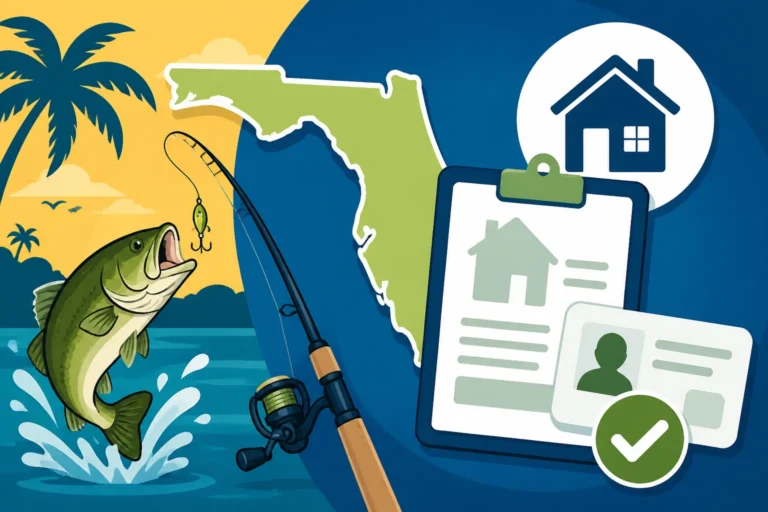
This is often where the first layer of confusion sets in. You might live here for six months of the year, or perhaps you just moved and aren't sure if you qualify yet. The FWC has a very specific definition of what constitutes a "resident" for the purpose of purchasing a fishing license, and it's essential to meet these criteria to avoid legal issues. Generally, to be considered a Florida resident, you must have established a domicile in Florida for at least six continuous months immediately preceding the application for a license. This isn't just about having a mailing address; it means Florida must be your true, fixed, and permanent home, and you must intend to return here whenever you are absent.
Proof of residency can come in various forms, and you’ll typically need to provide at least one document to substantiate your claim. Common forms of proof include a valid Florida driver's license or ID card issued at least six months prior, a Florida voter registration card, or a declaration of domicile filed with the clerk of the circuit court. For new residents, it can sometimes feel like a chicken-and-egg situation—you need to prove residency, but some proof takes time to establish. However, the FWC does provide pathways for new residents to establish their status. Understanding these specific requirements is key to securing your Florida Resident Fishing License Rules without a hitch.
Core Resident Fishing License Options and What They Cover
Once you've established your residency, the next step is figuring out which type of license you need. Florida offers a variety of options, primarily categorized by the type of water you plan to fish: freshwater, saltwater, or a combination of both. Each has its own set of rules and, of course, costs. It’s not uncommon for anglers to mistakenly purchase only a freshwater license when they also plan to hit the coast, or vice-versa, leading to potential fines down the line.
Freshwater vs. Saltwater: The Fundamental Split
Florida’s unique geography means we have an abundance of both freshwater and saltwater environments, from the vast stretches of Lake Okeechobee to the endless miles of coastline and the intricate estuaries. Consequently, the state separates its recreational fishing licenses into two primary categories: freshwater and saltwater. A Florida Freshwater Fishing License allows you to fish in any of Florida’s inland lakes, rivers, and ponds. This includes targeting species like largemouth bass, crappie, bluegill, and catfish. If your angling adventures are strictly confined to these areas, this is likely the license you’ll need.
On the other hand, the Florida Saltwater Fishing License covers all coastal waters, including the Gulf of Mexico, the Atlantic Ocean, bays, estuaries, and even some brackish areas where the two meet. This license is essential for pursuing popular species such as snook, redfish, trout, snapper, grouper, and many others. It’s important to remember that this split isn't always intuitive; some rivers near the coast can be brackish, meaning you might need both or the saltwater license depending on the exact spot you're fishing. It’s always best to err on the side of caution or check local regulations if you're unsure about the specific body of water. More details on what this covers can be found in our Florida Saltwater Fishing License Rules and Florida Freshwater Fishing License Rules guides.
The All-Inclusive Combination License
For many Florida residents, especially those who enjoy the best of both worlds – casting a line for bass in the morning and then hitting the flats for redfish in the afternoon – the most practical and cost-effective option is the Florida Resident Annual Gold Sportsman's License. While often referred to simply as the "combination license," the Gold Sportsman's goes beyond just freshwater and saltwater fishing. This comprehensive license package includes your freshwater fishing license, saltwater fishing license, and also covers hunting privileges. Additionally, it typically includes various management area permits and often specialty permits like the snook and lobster permits (though it’s always wise to confirm exactly what is included at the time of purchase, as offerings can change).
Opting for the Gold Sportsman's License simplifies your life by consolidating multiple permits into one, eliminating the need to buy separate licenses and potentially saving you money in the long run. It means less paperwork, fewer things to remember, and the freedom to pursue virtually any legal recreational hunting or fishing activity across the state. For the avid outdoors enthusiast, it’s truly the ultimate convenience and value, ensuring you’re covered whether you’re casting a lure into Lake Toho or dropping a line into Tampa Bay.
Specialty Permits: When You Need More Than Just the Basic
Even with a comprehensive freshwater, saltwater, or Gold Sportsman's license, there are certain highly sought-after species or specific activities that require additional endorsement permits. These specialty permits are designed to manage pressure on particular fish populations or to fund very specific conservation initiatives. If you plan on targeting these species, you'll need to purchase the appropriate permit in addition to your base fishing license. Forgetting these can lead to significant fines, even if you have a valid general license.
Two of the most common and important specialty permits for Florida residents are the Snook Permit and the Lobster Permit. The Florida Snook Permit Requirements are essential for anyone wishing to harvest snook, one of Florida's premier inshore game fish. Similarly, the Florida Lobster Permit Requirements are a must for those eager to participate in the recreational harvest of spiny lobster, particularly during the popular mini-season and regular season. These permits help the FWC track harvest numbers, implement conservation strategies, and ensure the sustainability of these iconic species. Always check the latest regulations for these and other specialized pursuits before heading out.
Detailed Breakdown of Resident Fishing License Costs
The cost of Florida resident fishing licenses is surprisingly affordable, especially when you consider the incredible access they provide to world-class fishing grounds. However, prices vary depending on the type of license, its duration, and any additional permits you might need. It’s helpful to see a clear breakdown so you can budget accordingly and choose the option that best fits your fishing habits.
Annual Licenses: Your Go-To for Regular Fishing
For most Florida residents, an annual license is the most practical choice. These licenses are valid for 12 months from the date of purchase, providing a full year of fishing enjoyment.
Here's a general overview of the costs for core annual resident licenses (prices are approximate and subject to change by the FWC):
| License Type | Estimated Cost | Coverage |
|---|---|---|
| Resident Freshwater Annual | $17.00 | All Florida freshwater lakes, rivers, ponds |
| Resident Saltwater Annual | $17.00 | All Florida coastal waters, bays, estuaries |
| Resident Combo (Fresh/Salt) | $32.50 | Both freshwater and saltwater fishing |
| Resident Gold Sportsman's | $100.00 | Fresh/Salt fishing, hunting, various permits |
| Snook Permit | $10.00 | Required for harvesting snook |
| Lobster Permit | $5.00 | Required for harvesting spiny lobster |
Note: These prices do not include agent fees that may be charged by third-party vendors. The Gold Sportsman's License often includes many of the common add-on permits, making it a significant value if you participate in multiple activities.
Choosing between separate annual freshwater and saltwater licenses versus the combo often comes down to personal fishing preferences. If you only fish inland lakes and never touch saltwater, then the dedicated freshwater license is your most economical choice. But if you have even occasional plans to hit the beach, a pier, or the flats, the combo license makes much more sense. The Gold Sportsman's license, while a larger upfront cost, is an unbeatable deal for truly passionate outdoor enthusiasts who enjoy both fishing and hunting.
Multi-Year Options: Saving Time and Money
For those looking for even greater convenience and potentially long-term savings, Florida also offers multi-year fishing license options for residents. These licenses remove the hassle of annual renewals and can often lock in a price for an extended period, protecting you from potential future rate increases. The most common multi-year option available to Florida residents is the 5-Year Fishing License.
A Florida 5-Year Resident Fishing License typically bundles either the freshwater, saltwater, or combination license into a five-year package. For example, a 5-Year Resident Freshwater Fishing License might cost around $79, while a 5-Year Resident Saltwater Fishing License is similarly priced. The 5-Year Resident Combination Freshwater and Saltwater License cost usually sits around $146. While these are substantial upfront costs, they provide peace of mind, knowing your license is valid for half a decade. For someone who knows they'll be fishing consistently in Florida for years to come, this option is incredibly attractive and saves you the administrative headache of yearly renewals. It’s also a great gift for the dedicated angler in your life!
Lifetime Licenses: The Ultimate Investment
For the ultimate commitment to Florida fishing, and truly a one-and-done solution, the state offers Lifetime Fishing Licenses for residents. This is an incredible investment, especially for younger anglers, as it grants you the privilege to fish in Florida for the rest of your life without any further renewals or fees. The earlier you purchase a lifetime license for a child, the more significant the financial savings over their lifetime.
Lifetime licenses come in different tiers, often starting with a basic freshwater or saltwater option, and escalating to a comprehensive Lifetime Sportsman’s License that covers all recreational freshwater and saltwater fishing, as well as hunting. The cost for a lifetime license is dependent on the age of the applicant at the time of purchase. For instance, a Lifetime Freshwater Fishing License for a child under 4 years old could be around $126, while for an adult aged 13 or older, it might be closer to $301. A Lifetime Sportsman's License for a child under 4 years old could be around $401, significantly less than for an adult. The older you are, the higher the cost, reflecting the shorter projected usage period. This makes it a fantastic gift for newborns or young children, securing their fishing future in Florida for a relatively modest sum. It truly is the ultimate way to enjoy Florida's waters without ever worrying about an expired license again.
Age-Related Exemptions and Discounts for Florida Residents
One of the great aspects of Florida's fishing license system is its recognition of certain groups that may warrant exemptions or reduced fees. This ensures that fishing remains accessible to different demographics, particularly the very young, the elderly, and those who have served our country or face disabilities. It's not about being "free," but recognizing specific contributions or circumstances.
Kids and Seniors: Who Gets to Fish for Free (or Cheaply)
Florida has long championed getting kids outdoors, and part of that commitment includes fishing license exemptions for young anglers. Generally, children under 16 years of age are not required to have a recreational fishing license to fish in Florida, whether in freshwater or saltwater. This is fantastic news for families, as it means kids can grab a rod and reel and join in the fun without any upfront cost, encouraging a lifelong love for the sport. This exemption means parents don't have to worry about adding another expense when planning a family fishing trip. You can find more details on Florida Youth Fishing License Rules.
Similarly, Florida recognizes the contributions of its senior citizens. While there isn't a blanket "free" license for all seniors, residents who are 65 years of age or older can apply for a Florida Resident Senior Citizen Hunting and Fishing Certificate. This certificate, which often has a nominal one-time processing fee, essentially serves as a lifetime license for both fishing and hunting. Once obtained, it eliminates the need for annual renewals. It's a testament to the state's appreciation for its older residents and a wonderful way to ensure they can continue to enjoy Florida's natural beauty without ongoing licensing burdens. Our guide on Florida Senior Citizen Hunting and Fishing Certificate Requirements provides further details.
Disabled Residents and Military Exemptions
Florida extends its support to other deserving groups through various exemptions and discounts. For disabled Florida residents, there are specific provisions that can significantly reduce or even eliminate the need for a fishing license. Those who meet certain criteria, often related to permanent and total disability, may be eligible for a Florida Resident Disabled Person Hunting and Fishing License. This license, much like the senior certificate, typically has a minimal processing fee but then provides lifetime fishing (and hunting) privileges. The exact requirements for eligibility can be quite specific, usually involving documentation from a physician or other authorized state agency verifying the disability. It's a compassionate program designed to ensure that physical challenges don't prevent residents from enjoying the outdoors. Further information can be found in our detailed guide on Florida Fishing License Discounts for Disabled Residents.
Furthermore, Florida deeply values its military personnel, both active duty and veterans. There are often special considerations and exemptions for military members, particularly those stationed in Florida or who are Florida residents. For example, active-duty military personnel who are residents of Florida may be eligible for specific discounts or combination licenses that include additional privileges. Additionally, disabled veterans who are Florida residents can often access similar free or reduced-cost lifetime licenses, similar to the general disabled resident provisions. These programs are a small token of gratitude for their service and sacrifice, enabling them to enjoy the peace and recreation that Florida's waters offer. Our Florida Military Fishing License Exemptions article elaborates on these benefits.
Where and How to Purchase Your Florida Resident Fishing License
Once you know which license you need, the next logical step is figuring out how and where to get it. Thankfully, Florida has made the process incredibly convenient, offering multiple avenues to purchase your license, whether you prefer the ease of online transactions or the personal touch of an in-person visit. You want to make sure you're getting a legitimate license from an authorized vendor, so knowing your options is key.
Online, In-Person, and Over the Phone Options
The most popular and often fastest way to purchase a Florida fishing license is online through the Florida Fish and Wildlife Conservation Commission (FWC) GoOutdoorsFlorida.com website. This platform allows you to quickly select your desired license type, pay with a credit card, and receive a temporary license that you can print immediately or store on your mobile device. It's available 24/7, meaning you can buy a license right before heading out the door for an impromptu fishing trip. This digital convenience is a huge time-saver and ensures you're compliant in minutes. For more detailed instructions, check out our guide on How to Buy a Fishing License Online.
If you prefer a more traditional approach, or if you need to speak with someone in person about your options, you have plenty of choices for in-person purchases. Authorized license agents are plentiful across the state and include many local bait and tackle shops, sporting goods stores (like Bass Pro Shops and some Walmart locations), and county tax collector's offices. These locations can issue licenses on the spot, and the staff often have valuable local fishing knowledge to share. This option is particularly helpful if you have specific questions about permits or need to show physical proof of residency. You can find a list of local vendors by visiting the FWC website or reading our article on Where to Buy a Florida Fishing License Near You.
Finally, for those who prefer not to use the internet or visit a physical location, licenses can also be purchased over the phone. By calling the FWC’s customer service line, you can speak directly with an agent who can guide you through the process, take your information, and issue a license. This license will then typically be mailed to you, but a confirmation number or temporary license can often be provided immediately for use. This offers flexibility for all preferences, ensuring no one is left out due to lack of access.
What You Need to Bring (or Have Ready) to Buy a License
Regardless of how you choose to purchase your Florida resident fishing license, you'll need to have certain information and documentation ready. This helps streamline the process and ensures that you qualify for resident rates.
When purchasing online or over the phone, you'll typically need:
- Your Florida Driver's License or ID Card Number: This is usually the primary piece of information used to verify your residency and age.
- Social Security Number: The FWC may require this for identification purposes.
- Date of Birth: To confirm age-related exemptions or license types.
- Payment Method: A valid credit or debit card.
For in-person purchases, you should be prepared with:
- Valid Florida Driver's License or ID Card: This is crucial for verifying residency. If you're a new resident and haven't had your Florida ID for six months, you may need additional proof, such as a Florida vehicle registration, utility bills in your name for six months, or a voter registration card.
- Proof of Residency: As mentioned above, if your driver's license isn't yet six months old, you'll need supplemental documents. A recent utility bill (not a cell phone bill), a rental agreement, or a property tax statement can often serve this purpose.
- Social Security Number: While not always explicitly requested by a physical agent for every transaction, it's good to have it on hand.
- Payment Method: Cash, credit card, or debit card are usually accepted.
Having these details ready makes the process quick and painless, getting you from "thinking about fishing" to "fishing legally" in no time. Sometimes, even if you’re buying fishing gear like a new rod and reel combo on Amazon, it's a good reminder to ensure your license is up to date before your gear even arrives!
Common Misconceptions and Important Reminders
Even with all the information available, there are still some prevalent misunderstandings about Florida fishing licenses that can trip up even experienced anglers. Clarifying these points can save you from unnecessary expenses or, more importantly, from unknowingly breaking the law. It’s always better to be informed than to face a wildlife officer without the proper documentation.
Pier Fishing and Shoreline Exemptions Clarified
A very common question among Florida residents is whether they need a license to fish from a pier or from the shoreline. The answer can be a bit nuanced, but generally, there are some beneficial exemptions that apply. Florida residents who are fishing from the shore or from a public pier that is licensed by the state (often called a "pier license") generally do not need a recreational saltwater fishing license. This is a fantastic benefit, especially for casual anglers or those who don't own a boat. Many popular fishing piers along Florida's coasts, such as those in St. Petersburg, Fort Myers Beach, or Cocoa Beach, hold a blanket license that covers everyone fishing from them.
However, it's crucial to confirm if the specific pier you're visiting holds such a license. Signs are usually posted indicating this, or you can inquire with pier management. If a pier does not hold a blanket license, then individual anglers would still need their own valid saltwater fishing license. Similarly, when fishing directly from the beach (surf fishing), Florida residents are generally covered by a free shoreline fishing license exemption. This exemption applies to those fishing with a rod and reel or by hand in saltwater from land or a structure attached to land. However, this exemption typically does not cover the harvest of certain species like snook or lobster, which still require their specific permits. Always double-check the fine print, as exceptions for species or methods often apply.
Private Ponds and Charter Boats: When a License Isn't Your Responsibility
Another area of confusion revolves around fishing in private ponds and on licensed charter boats. When fishing in a private pond that is entirely enclosed on private land and has no connection to public waters (meaning fish cannot move freely between the pond and public lakes or rivers), Florida residents generally do not need a freshwater fishing license. This is often the case for small, contained ponds on private property or within gated communities. However, if the pond is connected to public waters, even intermittently, a license would be required. It’s the connectivity to the broader ecosystem that dictates the need for a license, as fish populations can intermingle.
For those planning to fish from a licensed Florida charter boat or party boat, the good news is that individual recreational fishing licenses are typically not required for the passengers. The boat's captain, who holds a commercial saltwater fishing license (and often a federal permit for certain species), covers all passengers. This means you can simply show up, pay your charter fee, and enjoy the fishing without worrying about buying your own license. This is a huge convenience, especially for visitors or those new to fishing in Florida, and it's one of the reasons why charter fishing is such a popular option for experiencing Florida's rich fisheries. However, always confirm this policy with your specific charter captain when booking, just to be sure. This makes a great option for trying out new fishing techniques or species without the full commitment of buying all the gear or a specific license. Sometimes, even if you’ve been looking at new fishing electronics or specific rods on Amazon, a charter trip can be a great way to test out gear that’s similar to what you’re considering.
Disclaimer
The information provided in this guide is intended for general informational purposes only and is subject to change. Fishing regulations, license requirements, and costs are set by the Florida Fish and Wildlife Conservation Commission (FWC) and can be updated at any time. It is the responsibility of each individual angler to verify the most current regulations, license types, and costs directly with the FWC before engaging in any fishing activity. Fishing without the appropriate license or permit can result in significant fines and penalties.