Florida Fishing Charter Cost Guide
One of the most common questions I get from folks planning a fishing trip to the Sunshine State is, "How much does a Florida fishing charter actually cost?" It's a completely valid question, because let's be honest, fishing charters can seem like a significant investment, and nobody wants to be surprised by hidden fees or an unexpected bill at the end of an otherwise fantastic day on the water. This comprehensive guide is here to demystify the pricing behind Florida fishing charters, helping you understand what influences the cost and how to budget for your dream angling adventure.
Understanding Florida Fishing Charter Costs: The Big Picture
When you're looking at booking a Florida fishing charter, it's easy to just see a number and feel a bit overwhelmed. But that number represents so much more than just a boat ride. It encapsulates the captain's expertise, the cost of operating a professional vessel, top-tier gear, bait, and often, the peace of mind knowing all the regulatory hurdles are handled. Think of it less as a simple purchase and more as an investment in an unforgettable experience and, hopefully, a cooler full of fish.
Florida's vast and diverse waters, from the shallow flats of the Keys to the deep blue of the Gulf Stream, mean there's an incredible variety of fishing experiences available. This variety, naturally, leads to a wide range of pricing. What you pay in Destin for a bottom fishing trip might be quite different from a flats fishing excursion in Islamorada, and both will vary wildly from a deep-sea trolling adventure out of Miami. It truly depends on what kind of fishing you're envisioning for your trip.
The key to understanding the cost isn't just about the dollar figure, but about the value you receive. A reputable charter will provide a safe, well-maintained boat, a captain with extensive local knowledge, and all the necessary equipment. They're often passionate about conservation and sharing their love for Florida's aquatic ecosystems. This guide will help you break down the elements that contribute to that final price tag, so you can make an informed decision that perfectly matches your expectations and budget.
What Factors Influence Charter Prices?
So, what exactly goes into that price you see? It's a mix of several crucial elements, and understanding them will help you pinpoint why one charter might be more expensive than another. The biggest drivers are often the location, the duration of the trip, the specific type of fishing you want to do, and the kind of boat you'll be on. These elements combine to create a unique cost profile for each charter operation.
For instance, fishing in highly sought-after destinations like the Florida Keys, where demand is consistently high and the fishery is legendary, often comes with a higher price tag. Conversely, some smaller, less touristy towns might offer slightly more budget-friendly options, though the quality of the fishing can still be phenomenal. Then there's the season; peak tourist times or prime fishing seasons for popular species like tarpon or snook might see rates edge up due to increased demand.
Finally, the boat itself plays a huge role. A sleek, fast center console equipped with advanced electronics and powerful engines will naturally have higher operational costs than a smaller bay boat. Larger offshore vessels capable of handling rougher seas and carrying more passengers also demand a premium. All these factors are carefully weighed by charter captains to set their rates, ensuring they can cover their expenses, maintain their equipment, and earn a fair living.
The Value Proposition of a Fishing Charter
Many first-time anglers might balk at the upfront cost of a charter, thinking they could just rent a boat or fish from shore for less. While those are certainly options, they don't offer the same value proposition as a professional fishing charter. When you book a charter, you're not just renting a boat; you're gaining access to years, often decades, of a captain's experience, local knowledge, and specialized equipment that would cost a fortune to acquire yourself.
Think about it: the captain knows exactly where the fish are biting, what bait they prefer, and how to navigate unfamiliar waters safely. They have all the rods, reels, tackle, and even fresh live bait ready to go. Plus, they handle all the tricky stuff like boat maintenance, fuel, insurance, and the myriad of regulations. This means you can show up, relax, and focus solely on the thrill of the catch, without any of the headaches or hidden costs of owning or maintaining a vessel.
Furthermore, a good charter captain acts as a guide, an educator, and often, an entertainer. They teach you new techniques, help you fight big fish, and share stories of the local waters. For many, especially families or beginners, this guided experience is invaluable, turning what could be a frustrating day into a memorable adventure. It's about maximizing your chances of success and enjoyment, which is hard to put a price on.
Setting Your Budget: What to Expect
Before you even start browsing for charters, it's a good idea to have a rough budget in mind. Florida fishing charters can range anywhere from a few hundred dollars for a shorter, inshore trip to well over a thousand for a full-day offshore adventure targeting trophy species. Knowing your spending limit upfront will help you narrow down your options and avoid disappointment.
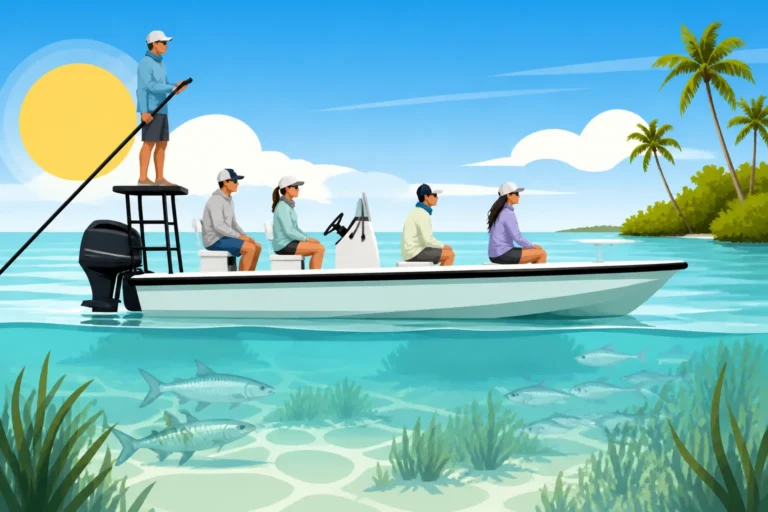
Consider how many people will be in your fishing party. Most charter prices are for the entire boat, not per person, up to a certain maximum number of passengers (typically 2-4 for smaller boats, more for larger offshore vessels). If you're splitting the cost with friends or family, a private charter can become much more affordable per individual. If you're a solo angler or a small group on a tighter budget, a shared or "party boat" might be a more cost-effective choice.
Also, factor in potential extra costs like tips for the captain and crew (which is customary and highly appreciated, typically 15-20% of the trip cost), snacks, drinks, sunscreen, and maybe even a cooler for your catch. We’ll delve more into these inclusions and exclusions later. A little planning goes a long way in ensuring your Florida fishing adventure is everything you hoped for, without any financial surprises.
Types of Charters and Their Associated Costs
Florida's unique geography offers an unparalleled range of fishing environments, each requiring different boats, gear, and expertise, which in turn affects the price. From the shallow, emerald green flats to the deep, blue canyons offshore, your chosen fishing ground will be a major determinant of your charter's cost. Understanding these categories is essential when you're trying to compare options and find the perfect trip for you.
You'll find charters specializing in everything from targeting elusive bonefish on fly in the Keys to wrestling with powerful red snapper in the Gulf. Each type of trip brings its own set of challenges and rewards, and the equipment and fuel required for these adventures vary considerably. This specialization means that a captain who's truly an expert in one area might not offer the same experience in another, and their pricing will reflect their focused expertise and gear.
When you're browsing platforms like FishingBooker, you'll see charters clearly categorized by their primary fishing style. Take the time to read the descriptions and understand what each type of trip entails. This will not only help you budget but also ensure you're booking the right experience for your angling preferences and skill level.
Inshore and Nearshore Charters
Inshore fishing generally takes place in shallower waters, such as bays, estuaries, mangrove shorelines, and grass flats, usually within a few miles of the coast. These trips often utilize smaller, nimbler boats like flats boats or bay boats, which are perfect for navigating skinny water and getting into tight spots where fish like snook, redfish, and spotted seatrout lurk. The Florida Snook Fishing Guide and Florida Redfish Fishing Guide can give you an idea of the amazing species you'll target.
Nearshore charters bridge the gap between inshore and offshore, typically fishing just outside the passes or a few miles out into the Gulf or Atlantic. Here, you might target king mackerel, Spanish mackerel, cobia, or even smaller grouper and snapper near artificial reefs or wrecks. These trips usually use slightly larger center consoles than pure flats boats, offering a bit more comfort and capability for choppier waters.
The cost for inshore and nearshore charters is generally lower than offshore trips, primarily due to less fuel consumption, smaller boats, and less specialized heavy-duty gear. You can typically expect to pay in the range of several hundred dollars for a half-day trip for 1-4 anglers. A full-day trip will naturally cost more but offers extended time to explore more spots and target more species. These trips are fantastic for families, beginners, or anyone looking for a relaxed yet exciting day on the water without a long boat ride.
Offshore and Deep-Sea Charters
If you dream of battling pelagic giants like mahi-mahi, sailfish, tuna, or hefty grouper and snapper, then an offshore or deep-sea charter is what you're after. These trips venture further from shore, often 10-50 miles or more out into the Gulf or Atlantic, seeking out productive wrecks, reefs, and the deep-water currents where big game fish roam.
Offshore boats are typically larger, more powerful vessels, ranging from 25-foot center consoles to massive sportfishing yachts. They are designed to handle rougher seas and carry larger crews and more specialized, heavy-duty tackle. These boats consume significantly more fuel and require more complex maintenance, all of which contributes to a higher charter cost.
Expect offshore and deep-sea charters to be the most expensive option, often starting in the high hundreds to over a thousand dollars for a half-day, and potentially much higher for full-day or extended trips, especially on larger, more luxurious boats. The investment is often worth it for the chance to hook into truly world-class fish and experience the vastness of the open ocean. Check out the Florida Grouper Fishing Guide and Florida Red Snapper Fishing Guide for some of the species you'd target on these trips.
Specialized Fishing Charters
Beyond the general categories, Florida also offers a plethora of specialized charters tailored to specific species, techniques, or experiences. These might include fly fishing for tarpon on the flats, targeting trophy largemouth bass on Lake Okeechobee, or even night fishing for snook under dock lights.
Examples of specialized trips:
- Fly Fishing Charters: These often involve highly specialized equipment and captains with expert casting and fish-spotting skills. Targeting species like tarpon, bonefish, or permit on the fly is an art form, and the cost reflects the guide's specific expertise and dedication to this craft.
- Tarpon Charters: The "Silver King" draws anglers from around the globe, especially during the peak Florida Tarpon Fishing Season Guide. These charters can be pricier due to the intense effort, specialized gear, and the sheer challenge of targeting these magnificent fish.
- Night Fishing Charters: Offering a unique perspective, these trips often target snook, redfish, or trout under artificial lights. The captains have specialized knowledge of nocturnal feeding patterns and can provide a thrilling, cooler experience during hot Florida summers.
- Bass Fishing Guides: While often freshwater, these guides on lakes like Okeechobee or Kissimmee offer highly focused trips for trophy largemouth bass. Their boats are custom-rigged for freshwater angling, and their knowledge of freshwater patterns is unparalleled.
These specialized charters often command a premium due to the unique skills, dedicated equipment, and specific knowledge required. For example, a dedicated fly fishing guide in the Keys might have rates at the higher end of the spectrum for a flats trip, reflecting their niche expertise. If you have a specific target species or fishing method in mind, expect to pay a bit more for that specialized experience.
Duration of Your Fishing Adventure: Half-Day vs. Full-Day
One of the most immediate choices you'll make when booking a Florida fishing charter is how long you want to be out on the water. This decision directly impacts the cost, but also significantly influences the type of experience you'll have, the distance you can travel, and the variety of fish you can target. It's not just about spending more money for more time; it's about what that extra time allows you to do.
Many captains offer standard durations: typically 4-hour (half-day), 6-hour (three-quarter day), and 8-hour (full-day) trips. Some might even offer shorter "kid-friendly" trips or longer "extended" days for the truly hardcore anglers. Your choice here should align with your group's stamina, experience level, and, of course, your budget. Consider who you're fishing with – young children or beginners might do better on a shorter trip.
Deciding between a half-day and a full-day isn't just a financial calculation; it's a strategic one. A longer trip opens up more possibilities, but a shorter one can still be incredibly productive and enjoyable. This section will help you weigh the pros and cons to pick the perfect duration for your Florida fishing getaway. For a detailed comparison, you can check out Half-Day vs Full-Day Fishing Charter Cost in Florida.
Half-Day Charter Costs and Benefits
Half-day charters, typically around 4 hours, are often the most popular and budget-friendly option, especially for families with young children, beginners, or those with limited time. You'll generally find these trips starting in the range of a few hundred dollars, making them a great entry point into the world of guided fishing.
The primary benefit of a half-day trip is its efficiency. Captains usually have their "go-to" spots nearby that are known to hold fish, minimizing travel time and maximizing fishing time. This is particularly true for inshore and nearshore charters where productive waters are often close to the dock. You can get out, catch some fish, and be back in time for lunch or other afternoon activities. It’s also a good option if you’re prone to seasickness, as you’re not out on the water for an extended period.
While shorter, a half-day trip can still be incredibly productive. You might target a specific species like redfish or trout in the flats, or hit a few close-in reefs for snapper and grouper. It’s enough time to get a feel for the local fishery, learn some new techniques from the captain, and hopefully, bring home some fresh fish for dinner. It's a fantastic choice for those looking for a taste of Florida fishing without committing to an entire day on the water.
Full-Day Charter Costs and Benefits
Full-day charters, typically 8 hours, are a significant step up in both cost and experience. These trips can range from several hundred to well over a thousand dollars, depending on the boat, location, and type of fishing. The extended time allows for much more flexibility and opportunity, making them a favorite for serious anglers or groups looking to maximize their chances of a diverse catch.
With a full day, you gain the ability to travel further, explore a wider range of fishing spots, and target multiple species. Offshore, this means reaching distant wrecks, deep-sea ledges, or the Gulf Stream for bigger game fish that simply aren't accessible on shorter trips. Inshore, it allows the captain to follow tidal movements, chase different bait schools, or move between various habitats like grass flats, mangrove islands, and oyster bars, significantly increasing your chances of finding actively feeding fish.
The extra hours also provide a more relaxed pace. You won't feel rushed, allowing for more time to learn from your captain, perfect your technique, and truly immerse yourself in the fishing experience. It's also ideal for catching a limit of multiple species, exploring a specific fishery in depth, or simply enjoying the tranquil solitude of being far out on the water. For many, a full-day charter is the ultimate Florida fishing adventure.
Extended or Multi-Day Trips
While less common for the average tourist, some specialized charters offer extended trips, sometimes 10-12 hours, or even multi-day expeditions. These are typically aimed at very serious anglers or those targeting specific, far-off offshore species that require significant travel time. Think multi-day excursions to the Dry Tortugas or deep-water overnight trips far into the Gulf for swordfish or deep-drop species.
These trips, as you might imagine, come with the highest price tags. They often include provisions, specialized overnight accommodations on the boat, and are crewed by highly experienced teams. The cost reflects the extended duration, the distance traveled, and the logistical complexity. Such trips are often booked well in advance and are an investment for a truly unique, hardcore angling experience.
For the vast majority of anglers, the half-day or full-day options will provide more than enough excitement and opportunity. However, if you're an experienced angler with a bucket list species or a desire for a truly epic adventure, an extended or multi-day trip can be the pinnacle of Florida fishing. Always discuss the itinerary, inclusions, and exact pricing in detail with the captain for these longer expeditions.
Private vs. Shared Charters: Maximizing Your Value
When you're looking at Florida fishing charters, one of the most significant decisions that impacts both your experience and your wallet is whether to opt for a private charter or a shared (often called "party boat" or "head boat") trip. Both have their distinct advantages and disadvantages, and understanding these can help you choose the best fit for your group and budget. The choice often comes down to balancing cost per person with privacy and customization.
A private charter offers an exclusive experience, where the boat, captain, and crew are entirely dedicated to your group. This means you have full control over the fishing style, target species (within reason and season), and the pace of the day. Shared charters, on the other hand, allow individual anglers or small groups to book a spot on a larger boat with other paying customers, which significantly reduces the per-person cost. This is a common point of discussion, and you can learn more in Private Charter vs Shared Charter Cost in Florida.
Your group size, budget, and desired level of personalization will heavily influence this decision. If you have a larger group, a private charter might even end up being comparable in cost per person to a shared trip, while offering a much more tailored experience. For solo anglers or couples, shared trips often provide the most economical way to get out on the water.
Private Charter Pricing and Advantages
A private charter means you have the entire boat to yourselves, along with the captain and any crew members. The price you see quoted is typically for the boat, regardless of whether you bring 1 person or the maximum allowed passengers (which can range from 2 to 6, depending on the boat's size and Coast Guard regulations). This exclusivity comes at a higher total cost but offers unparalleled advantages.
The main advantage of a private charter is customization. You can discuss your fishing goals with the captain beforehand: "We really want to target snook," or "Our kids just want to catch anything!" The captain can then tailor the trip to your preferences, skill level, and even your group's energy. Want to spend more time casting lures? Or prefer bottom fishing? It's your trip, your choice. This is especially valuable for targeting specific species like billfish offshore or elusive flats species.
For families or groups of friends, a private charter creates a more intimate and personal experience. You're not competing with strangers for casting space, and the captain's attention is entirely focused on your party. This often leads to better instruction, more fish caught per person, and a more comfortable, relaxed atmosphere. While the upfront cost is higher, when divided among several people, the per-person expense can sometimes be quite reasonable for the quality of the experience.
Shared (Party Boat) Charter Pricing and Benefits
Shared charters, often referred to as party boats or head boats, are a fantastic option for individual anglers, couples, or small groups who want to experience Florida fishing without the higher price tag of a private boat. On these larger vessels, you book a spot (or "head") per person, and you'll be fishing alongside other paying customers. Prices per person typically start from around a couple of hundred dollars, sometimes less for shorter trips, making them very accessible.
The most significant benefit of a shared charter is the cost-effectiveness. By pooling resources with other anglers, the operational expenses of the boat are spread out, making deep-sea fishing, in particular, much more affordable on a per-person basis. These boats are generally larger, very stable, and equipped to handle many passengers, often providing amenities like restrooms, shaded areas, and even galleys.
While you won't get the individualized attention of a private charter, the crew on a good party boat is still there to help you. They'll bait hooks, untangle lines, assist with fighting fish, and clean your catch. It’s a great way to meet other anglers and enjoy a social fishing experience. Party boats typically focus on bottom fishing for snapper, grouper, porgies, and other reef species, offering consistent action for a wide range of skill levels.
Considering Group Size for Cost-Effectiveness
When making your decision, really consider the size of your fishing party. This is where the numbers game comes into play for cost-effectiveness.
Small Groups (1-2 people): For solo anglers or a couple, a shared charter is usually the most economical choice. Unless you're looking for a highly specialized, private experience (like a fly fishing guide for two), the cost of a private charter might feel prohibitive for just one or two individuals.
Medium Groups (3-4 people): This is often the sweet spot where a private charter starts to become very competitive on a per-person basis. If a private half-day charter costs, say, $600 for up to 4 people, that's $150 per person. This could be very close to or even less than what you might pay per person on a premium shared trip, while offering all the benefits of privacy and customization. Many smaller inshore boats are perfectly suited for this group size.
Larger Groups (5+ people): For groups of five or more, you'll need a larger private charter boat, which will naturally have a higher total price. However, dividing that cost among more people can still make it a very attractive option, often still cheaper than booking multiple spots on a shared boat if you factor in the private experience. Alternatively, shared charters are explicitly designed for larger groups and can still be a great option for keeping costs down, though you'll be part of a larger crowd. Platforms like FishingBooker often allow you to filter by group size to find suitable options.
| Charter Type | Advantages | Disadvantages | Typical Per-Person Cost Range (Approx.) | Ideal For |
|---|---|---|---|---|
| Private | Customizable, exclusive, focused attention | Higher total cost, fewer budget options | $150 – $400+ (shared among group) | Families, serious anglers, specific targets |
| Shared/Party | Lower per-person cost, social, stable boats | Less customization, less individual attention | $75 – $250 | Solo anglers, couples, casual fishing, budget-conscious |
What's Included (and What's Not) in Your Charter Price
One of the most common sources of confusion, and sometimes frustration, for anglers booking a charter is understanding exactly what's covered by the sticker price. It's easy to assume everything is included, but that's not always the case. Knowing what to expect regarding inclusions and common exclusions can prevent unwelcome surprises and help you budget more accurately for your trip.
A good charter operator will clearly outline what comes with your booking. Don't be shy about asking questions if anything is unclear, especially when booking through online platforms or directly with a captain. This transparency ensures a smooth and enjoyable experience for everyone involved. For a comprehensive list of what to pack or expect, check out What to Bring on a Florida Fishing Charter.
Generally, the vast majority of fishing charters in Florida are "turnkey" operations, meaning they aim to provide everything you need to fish. However, personal items, food, and customary gratuities are almost always on your dime. Let's break down the typical inclusions and exclusions.
Standard Inclusions: Gear, Bait, and Licenses
For most reputable Florida fishing charters, you can expect the following to be included in the price:
- Rods, Reels, and Tackle: This is a big one! Charter captains invest heavily in high-quality, well-maintained fishing gear appropriate for the species and techniques they employ. You don't need to bring your own, though some experienced anglers might prefer to.
- Bait (Live or Artificial): Whether it's live shrimp for inshore trout, pilchards for snook, goggle-eyes for kingfish, or high-quality artificial lures for offshore trolling, the bait and tackle are supplied. This can be a significant cost if you were to buy it yourself.
- Fishing License: This is a huge convenience! When you book a for-hire fishing vessel, the boat itself typically holds a blanket recreational fishing license that covers everyone on board. This means you do not need to purchase an individual Florida fishing license for the duration of your charter. This is a common exemption and a great perk that saves you time and money. For more on this, look into Florida Fishing License Exemptions.
- Safety Equipment: All Coast Guard-mandated safety equipment, including life jackets, flares, first-aid kits, and emergency radios, will be on board and up to date.
- Fuel: The cost of fuel, which can be substantial for offshore trips, is almost always factored into the charter price.
These standard inclusions mean you can often show up with just your personal items and be ready to fish, making the experience incredibly convenient and hassle-free.
Common Exclusions: Gratuity, Food, Drinks, Sunscreen
While charters handle the fishing essentials, there are several items and considerations that are almost universally not included in the base price:
- Gratuity for the Captain and Crew: This is probably the most significant "unseen" cost. Tipping your captain and any mates is customary and highly expected, similar to tipping service staff in a restaurant. A typical gratuity ranges from 15-20% of the charter cost, depending on the service and the fishing success. If you had a phenomenal trip, felt safe, and the crew worked hard, a higher tip is always appreciated. Learn more about Tipping Etiquette for Florida Fishing Guides.
- Food and Beverages: While some high-end, full-day, or multi-day charters might provide a basic cooler with water, you should always plan to bring your own snacks, drinks, and lunch. Pack enough for your group, considering the duration of the trip and Florida's often-hot climate. Cans are often preferred over glass bottles on boats.
- Sun Protection: Florida sun is no joke! You'll need to bring your own sunscreen (reef-safe is often encouraged), polarized sunglasses, hats, and appropriate sun-protective clothing (long sleeves, fishing buffs).
- Personal Comfort Items: This includes things like Dramamine for seasickness, personal medications, cameras, and any specific comfort items you might need.
- Fish Cleaning (Sometimes): While many captains and mates are happy to fillet and bag your catch at the end of the day, some might charge a small fee for this service, especially on larger party boats where they might be cleaning dozens of fish. It's always a good idea to clarify this upfront if it's important to you.
Being prepared for these exclusions will ensure you have a comfortable day and can show your appreciation to your hard-working captain and crew without any last-minute scrambling.
Optional Extras: Fish Cleaning, Photography, Specialized Gear
Beyond the standard inclusions and common exclusions, some charters might offer additional services or specialized gear for an extra charge. These are typically optional and can enhance your experience if you choose to utilize them.
- Professional Fish Cleaning: As mentioned, while often included, some charters may offer enhanced fish cleaning services or charge a small fee, particularly for a large haul or on party boats where volume is high. If you want your fish prepped in a specific way or vac-sealed for travel, inquire if that's an option.
- Photography/Videography Packages: Some charters, especially those targeting trophy fish or offering luxury experiences, might have a professional photographer or videographer on board (or the captain is skilled with a Go-Pro) who can capture your memorable moments for an additional fee.
- Specialized Rods/Reels: While standard gear is provided, if you have a specific, high-end technique in mind (like using ultra-light tackle for a record or a specific fly rod), some charters might have premium gear available for rent. Most anglers will be perfectly happy with the provided equipment, but it's an option for the discerning few.
- Souvenirs/Apparel: Some charter operations, particularly those with a strong brand presence, might sell branded hats, shirts, or other merchandise at the dock. This is purely optional but can be a nice memento of your trip.
Always review the charter's website or discuss directly with the captain or booking agent (like those on FishingBooker) to get a clear understanding of all potential costs, both included and optional, before you commit.
Regional Cost Variations Across Florida
Florida is a massive state, stretching from the Panhandle down to the tropical Keys, and its diverse fishing regions each have their own unique charm, target species, and, predictably, pricing structures. What you pay for a charter can vary significantly depending on where in the state you cast your line. These regional differences are influenced by factors like local cost of living, demand, fishing season peaks, and the prevalence of certain types of fishing.
For instance, the bustling, high-demand tourist hubs might see slightly higher rates compared to more secluded, off-the-beaten-path destinations. Similarly, areas renowned for certain trophy fish might command a premium during their peak season. Understanding these geographical nuances can help you anticipate costs and choose a location that aligns with your budget and fishing aspirations.
Let's break down some of Florida's major fishing regions and what you can generally expect in terms of charter costs. Keep in mind these are broad generalizations, and individual charter rates will always vary.
Florida Keys Charter Pricing
The Florida Keys are a world-renowned fishing destination, famous for their shallow-water flats, extensive coral reefs, and incredible access to deep offshore waters. This popularity and the unique nature of the fishing mean that Keys charters often come with a slightly higher price tag compared to other parts of Florida.
- Flats & Backcountry Charters: These highly specialized trips, often involving technical poling boats and targeting elusive species like bonefish, permit, and tarpon, are typically among the most expensive. Expect to pay in the upper hundreds to well over a thousand dollars for a full-day trip, especially for experienced guides. The demand for these highly skilled captains, particularly during the tarpon migration, drives these costs. You can investigate Key West Flats Guide Half-Day Rate and Islamorada Backcountry Charter Half-Day Rate for examples.
- Reef & Wreck Fishing: For snapper, grouper, and other reef species, these trips are popular and can be slightly more moderate than flats fishing, though still on the higher end for Florida.
- Offshore Charters: Targeting mahi-mahi, sailfish, tuna, and wahoo from Key West, Marathon, or Islamorada can also be pricey due to fuel costs and the larger vessels required. These can easily run into the high hundreds for half-day to well over a thousand for full-day trips. Key West Fishing Charter Rates will give you more specific ideas.
The Keys offer an unparalleled fishing experience, but it's wise to budget accordingly for its premium location and world-class angling opportunities.
Gulf Coast Charter Pricing
Florida's Gulf Coast, stretching from Naples and Fort Myers up through Tampa Bay, Clearwater, and further north to Destin and Panama City Beach, offers a diverse array of fishing, from excellent inshore fisheries to productive offshore grounds. Prices here can be a bit more varied, often slightly less than the Keys but still reflecting the quality of the fishing.
- Inshore/Bay Charters (Tampa Bay, Sarasota, Charlotte Harbor): These areas are famous for snook, redfish, and trout. Charters here are generally more accessible, ranging from several hundred dollars for a half-day. Tampa Fishing Charter Rates can provide more localized data.
- Nearshore/Reef Fishing (Clearwater, Destin): Many charters here focus on snapper, grouper, and king mackerel within sight of land. These are often mid-range in price, offering excellent value.
- Deep-Sea/Offshore (Destin, Panama City Beach): The "Emerald Coast" is known for its incredible offshore fishing, including red snapper, amberjack, and various pelagics. These trips can be costly due to distance and fuel, similar to the Keys, ranging into the high hundreds and well over a thousand for full-day trips, especially if targeting highly regulated species like red snapper during their limited season. Destin Fishing Charter Rates shows this range.
The Gulf Coast offers a great balance of accessibility and quality fishing, with options for almost every budget, from family-friendly excursions to serious offshore adventures.
Atlantic Coast Charter Pricing
The Atlantic Coast of Florida, encompassing regions like Miami, Fort Lauderdale, Palm Beach, and the Space Coast (Sebastian Inlet, Port Canaveral), presents another distinct fishing landscape, characterized by its proximity to the Gulf Stream and a strong focus on pelagic species and robust inshore fisheries.
- Offshore/Deep-Sea (Miami, Fort Lauderdale): Due to their access to the Gulf Stream and a vibrant big-game fishing culture, Miami and Fort Lauderdale offer numerous offshore charters specializing in sailfish, mahi-mahi, wahoo, and tuna. These larger, faster vessels often come with a premium price, frequently in the high hundreds to over a thousand for full-day trips, reflecting the specialized gear and high operational costs. Miami Fishing Charter Rates offers more local pricing.
- Inshore/Nearshore (Indian River Lagoon, Sebastian Inlet): Areas like the Indian River Lagoon and Sebastian Inlet are renowned for their incredible inshore fishing for snook, redfish, and trout. Charters here are generally more budget-friendly, typically starting in the several hundreds for half-day trips.
- Party Boats (various locations): Many Atlantic Coast ports, particularly those in larger metropolitan areas, have a strong presence of shared party boats that offer economical bottom fishing trips for reef species, providing an affordable option for many anglers.
The Atlantic Coast is a fantastic choice for anglers seeking diverse options, from the adrenaline-pumping offshore bite to the calm waters of the lagoons, with pricing reflecting the type of adventure you seek.
Tips for Budgeting and Booking Your Florida Fishing Charter
So, you've got a handle on the different types of charters, durations, and regional variations in cost. Now comes the exciting part: actually budgeting for and booking your trip! This final section is all about practical advice to help you secure the best possible fishing experience for your money and ensure a smooth process from planning to execution. A little preparation goes a long way in turning your Florida fishing dream into a reality.
Booking a charter isn't something you want to do last minute, especially during peak seasons or for highly sought-after captains. Just like planning any other vacation activity, doing your homework and reserving in advance can save you stress, disappointment, and sometimes even money. It also gives you ample time to ask all your questions and confirm every detail.
Remember, the goal is not just to find the cheapest option, but to find the best value for what you're looking for. Sometimes paying a little more for an experienced captain, a well-maintained boat, or a more extended trip can drastically improve your chances of a successful and enjoyable day on the water.
Finding the Best Deals and Avoiding Surprises
While fishing charters aren't typically "discount" items, there are smart ways to approach booking that can help you get the most bang for your buck and avoid any unexpected expenses.
- Book Mid-Week or Off-Season: Weekends and holidays are prime time for charters, meaning higher demand and often less flexibility on price. If your schedule allows, consider booking a mid-week trip. Similarly, if you're not targeting a highly seasonal species, the shoulder seasons (just before or after peak tourist times) can sometimes offer slightly better rates or more availability.
- Communicate Clearly About Inclusions: Always, always, always confirm what's included and what's not before booking. Get it in writing if possible (an email confirmation is usually sufficient). This includes bait, tackle, licenses, and especially fish cleaning. No one wants a surprise cleaning fee at the dock.
- Factor in Gratuity from the Start: Don't let the tip be an afterthought. Incorporate that 15-20% into your budget from the moment you start looking at charter prices. This ensures you can properly reward your captain and crew for their hard work.
- Compare Across Platforms: Use reputable online booking platforms like FishingBooker to compare different captains and boats in your desired area. You can see reviews, read detailed descriptions of what's included, and sometimes even find special offers. Don't just pick the first one you see; do your research!
- Consider a Shared Charter for Budgeting: As discussed, if your group is small or you're on a tight budget, a shared charter can be a fantastic way to experience offshore fishing at a fraction of the private charter cost.
By being proactive and informed, you can secure a great charter experience without overspending or encountering any unpleasant surprises.
The Importance of Booking in Advance
This cannot be stressed enough: book your Florida fishing charter in advance! Florida is a hugely popular destination for anglers, and the best captains and boats often get booked up months ahead, especially during peak season or for popular events like the Florida Tarpon Migration Timing.
- Secure Your Spot: Booking ahead guarantees you a spot on your preferred date and with your desired captain. If you wait until the last minute, you might find all the good charters are gone, leaving you with limited (and potentially less ideal) options.
- Better Selection: By booking early, you'll have a wider selection of boats, captains, and trip types to choose from. This means you can find the perfect match for your group's size, budget, and fishing goals.
- Time for Questions and Planning: Booking in advance gives you ample time to communicate with the captain, ask any questions you have, and plan the logistics of your trip. This could include discussing target species, meeting points, what to bring, and any special requests.
- Flexibility for Weather: If you book well in advance, and the weather forecast looks bad closer to your trip date, you might have more flexibility to reschedule (contingent on the charter's cancellation policy) than if you booked just a few days out.
For highly popular times, like spring break, summer, or specific fishing seasons (e.g., Florida Red Snapper Season Dates in the Gulf), it's not uncommon for top charters to be fully booked six months to a year in advance. Plan accordingly to avoid disappointment.
Understanding Cancellation Policies
Life happens, and sometimes even the best-laid plans go awry. Before you commit to any charter, it is absolutely critical to read and understand the captain's or booking platform's cancellation policy. This is where you protect your investment in case you need to change your plans.
- Weather Is Key: Reputable captains will always prioritize safety. If the captain deems the weather or sea conditions unsafe for fishing, they will cancel the trip. In almost all cases, you will receive a full refund or have the option to reschedule without penalty. This is standard practice, but it's good to confirm.
- Client Cancellations: If you need to cancel, the policy will vary. Most charters require a certain amount of notice (e.g., 72 hours, 7 days, or even more for larger bookings) to issue a full refund. Cancellations made within that window might result in a partial refund or forfeiture of your deposit.
- No-Shows: If you don't show up for your scheduled trip without any prior notice, you will almost certainly forfeit your entire payment.
- Booking Platform Policies: If you book through an online platform like FishingBooker, they will often have their own clear cancellation policies that apply to all bookings made through their site, which typically aligns with the captain's individual policy.
Make sure you understand the terms before you put down a deposit. A clear understanding of the cancellation policy, like the detailed guidance in Cancellation Policy for Florida Fishing Charters, provides peace of mind and prevents potential financial headaches if unforeseen circumstances arise.
Disclaimer
This article is for general informational purposes only and does not constitute professional advice. Laws, prices and regulations vary by location and change over time. Consult a qualified professional for guidance on your specific situation.