Do You Need Your Own License for a Florida Charter?
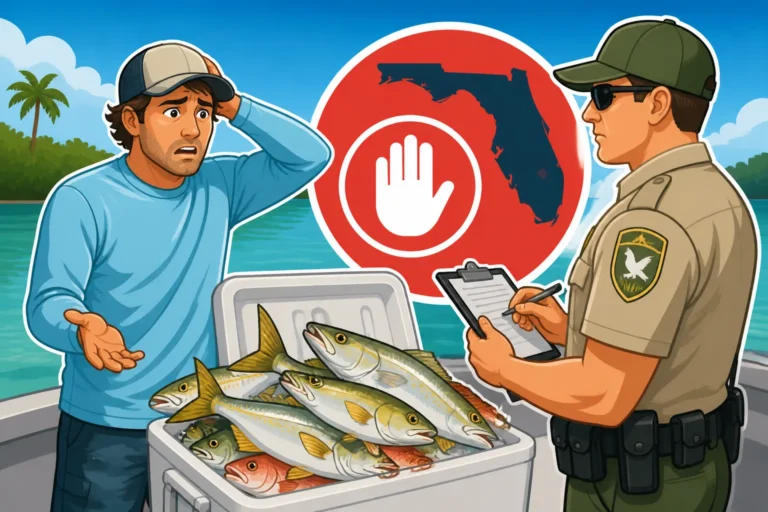
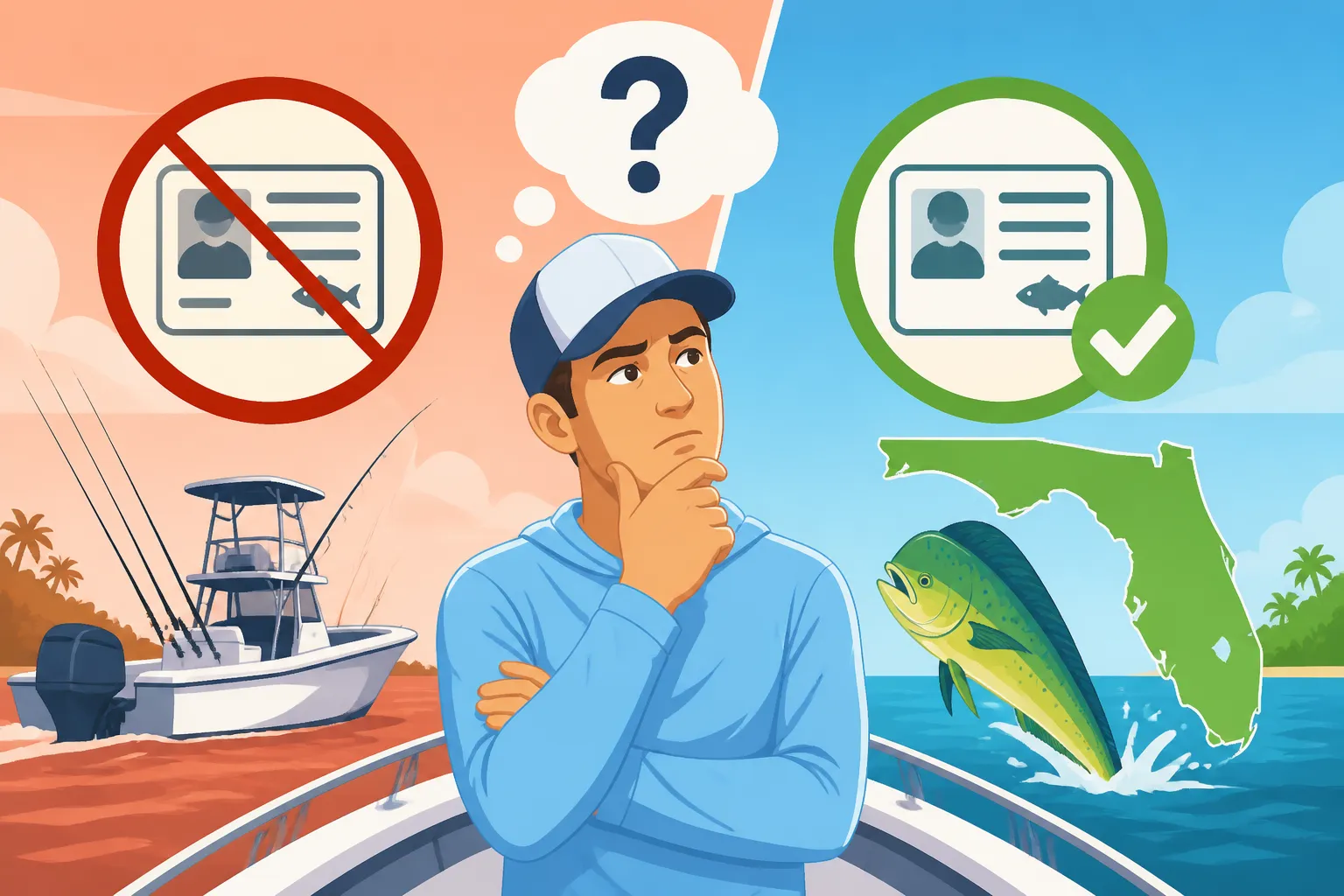
It's a really common question, and honestly, the rules around fishing licenses in Florida can feel like a tangled line sometimes, especially when you're looking to book a fun charter trip. Many anglers wonder if they need to purchase their own individual fishing license when joining a guided expedition, assuming the captain's permit covers everyone. This guide will untangle that confusion, explain when you're covered, and when you'll definitely need your own license to avoid any unwelcome surprises or fines.
Understanding Fishing Licenses on Florida Charter Boats
When you book a fishing charter in Florida, it's easy to assume that everything is handled – bait, tackle, and especially the pesky fishing license. And for the most part, you're absolutely right! However, there are nuances that every angler, from seasoned pros to first-timers, should understand to ensure a smooth and legal fishing adventure. Florida's fishing regulations are designed to protect its incredible marine and freshwater ecosystems, and understanding your responsibilities is part of being a good steward of these resources.
The Charter Boat's Blanket License
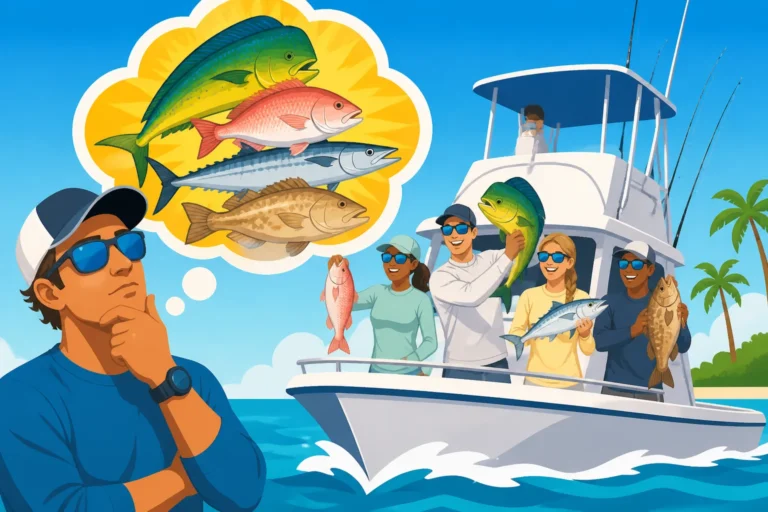
Most legitimate, state-licensed fishing charter boats and guides in Florida operate under a specific vessel license that covers all passengers. This is often referred to as a "blanket license" or a "vessel-wide recreational fishing license." This means that when you step aboard a registered for-hire charter, you, as a paying customer, are typically covered by the captain's license for the general recreational fishing of most common species. This is a huge convenience for visitors and locals alike, as it eliminates the need for each individual to purchase a separate license. It's one of the big perks of booking a charter – fewer administrative hurdles for you! Think of it as the charter captain having all the necessary paperwork in order so you can just focus on reeling in that trophy fish. This blanket coverage is designed for the standard recreational catch of fish like redfish, trout, snapper, and grouper, provided they are in season and meet size and bag limits.
When Individual Licenses ARE Required
While the blanket license is fantastic, it doesn't cover absolutely everything, and this is where many people get tripped up. There are specific situations where you will need to purchase your own individual license or additional permits, even when fishing on a charter. The most common scenario involves specialized permits for certain high-demand or highly regulated species. For instance, if you plan to target Snook or Lobster, you will almost certainly need to purchase a separate "Snook Permit" or "Lobster Permit" in addition to the vessel's general license. These permits help manage the populations of these popular species and ensure their sustainability. Always confirm with your charter captain if you plan to target these species, as they can advise you on what additional permits might be necessary. Some guides might even require you to have your own regular fishing license if you're, for example, strictly sight fishing for highly sensitive species where direct angler accountability is preferred, though this is less common for typical charters. For comprehensive details on what these cost and entail, you can check out Florida Snook Permit Requirements or Florida Lobster Permit Requirements.
Another important point to consider is if your trip involves fishing outside the direct scope of the charter. For example, if you charter a boat for a day of fishing but also plan to do some independent fishing from a pier or the shoreline before or after your trip, you will need your own personal Florida fishing license for that independent activity. The charter's license only covers you while you are a passenger on their vessel, engaged in fishing as part of their for-hire operation. If you're a keen angler planning a multi-faceted trip, it's often simpler to just get an annual license to cover all your bases.
When Individual Licenses Are NOT Required
For the vast majority of recreational anglers joining a standard fishing charter, an individual license is not required. As mentioned, the vessel's for-hire license usually covers all passengers for general recreational fishing. This applies whether you're heading out into the Gulf of Mexico for some offshore action, cruising the flats of the Florida Keys for inshore species, or even exploring the brackish waters of estuaries like Tampa Bay. This policy is incredibly convenient for tourists and occasional anglers who just want to enjoy a day on the water without getting bogged down in license applications.
This non-requirement also extends to party boats, head boats, and guide services that are properly licensed by the state. When you book one of these trips, the fees you pay often contribute to the blanket license cost, and your participation as a customer is covered. It’s always a good idea, however, to quickly confirm this with the charter operator when you book, just to be absolutely sure. Reputable charter services, like those you can find on platforms such as FishingBooker, are usually very clear about what is and isn't included in their service, including licensing. They want you to have a great time and focus on fishing, not paperwork!
Types of Florida Fishing Licenses and Permits
Florida's licensing system is designed to manage its diverse fisheries, distinguishing between various types of fishing and anglers. Understanding these categories is crucial, even when fishing on a charter, especially if you plan any independent fishing.
Resident vs. Non-Resident Licenses
Florida offers different pricing tiers for residents and non-residents. A "resident" typically means someone who has resided in Florida continuously for six months or more and can provide proof of residency. Non-residents, on the other hand, are visitors from other states or countries. While a charter's blanket license generally covers both residents and non-residents, if you ever fish independently, you'll need to purchase the appropriate license for your residency status. Florida Resident Fishing License Rules and Florida Nonresident Fishing License Rules dive deeper into these distinctions.
The cost difference between resident and non-resident licenses can be significant, especially for annual options. For non-residents, Florida often provides short-term licenses (3-day or 7-day options) which can be ideal if you're just visiting for a quick fishing trip. However, these short-term options are generally not necessary when fishing on a licensed charter boat that carries a blanket vessel license. The key is knowing when you're fishing independently versus when you're a passenger on a licensed for-hire vessel.
Saltwater vs. Freshwater Designations
Florida famously offers both incredible saltwater and freshwater fishing opportunities, and the state separates its fishing licenses accordingly. You can get a saltwater license, a freshwater license, or a combination license that covers both. Again, when you're on a licensed charter, the vessel's blanket license will specify whether it covers saltwater or freshwater, or both, depending on the type of charter you've booked. If you book a saltwater charter, the blanket license covers saltwater fishing. If you book a bass fishing guide on Lake Okeechobee, their license would cover freshwater fishing.
The importance of this distinction comes into play if you plan to fish on your own. For example, if you spend a day on a saltwater charter off Destin but then want to try your hand at bass fishing in a local lake near Orlando the next day, you would need either a freshwater license or a combination license for your personal freshwater excursion. It's rare for a single charter to offer both saltwater and freshwater fishing on the same trip in a way that would confuse the vessel's licensing, but it's important to be aware of the distinction for any personal fishing plans you might have. Florida Saltwater vs Freshwater Fishing License explains this in more detail.
Special Permits (Snook, Lobster, etc.)
This is perhaps the most crucial point where anglers often mistakenly believe the charter's blanket license covers them. While the standard recreational fishing license on a charter boat typically covers a wide array of species, it does not usually cover special permits for specific, highly regulated fish or invertebrate species. As mentioned earlier, Snook and Lobster are the two primary examples where an individual angler will need to purchase an additional permit, even when fishing on a licensed charter.
These special permits are typically inexpensive but mandatory. They serve to gather data on angler participation for these specific species and contribute directly to their management and conservation efforts. If you're heading out on a tarpon trip, for example, while Tarpon are largely catch-and-release, if you intend to harvest one (which is extremely rare and highly regulated), you might also encounter specific tag requirements. Always, always ask your captain about any special permits required if you plan to target these species. Most reputable charters will inform you upfront, and some platforms like FishingBooker allow captains to list these requirements clearly.
Common Scenarios and Clarifications
Let's dive into some common situations that often lead to questions about fishing licenses on Florida charter boats. Clarity here can save you a lot of hassle and ensure your trip is nothing but fun.
Children and Age Exemptions
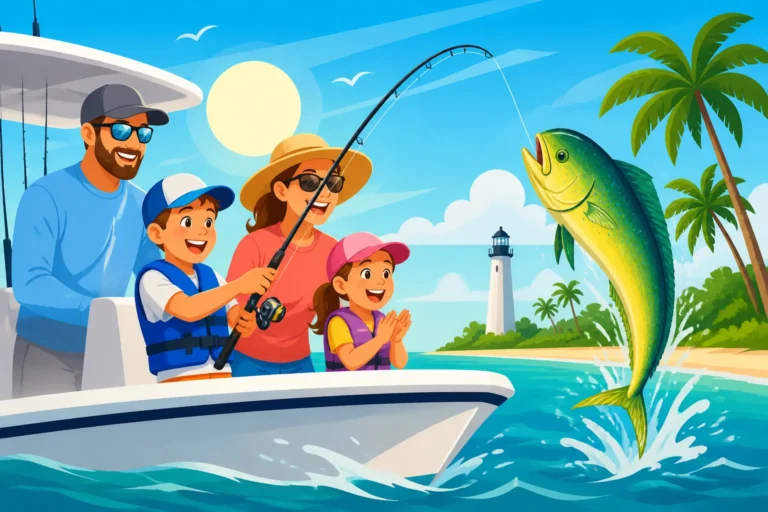
Florida has age exemptions for fishing licenses, meaning that certain age groups are not required to have one, even when fishing independently. Generally, children under 16 years of age are exempt from needing a Florida fishing license. This rule applies whether they are fishing from the shore, a private boat, or on a licensed charter. So, if you're bringing your kids or grandkids along for a family fishing trip on a charter, they typically won't need their own license, nor will the charter's blanket license be their primary coverage, as they are simply exempt by age.
This exemption is wonderful for encouraging youth participation in fishing and makes family outings much simpler. However, it's still essential that any fish caught by a child adhere to all other regulations, such as size limits, bag limits, and season closures. The charter captain will, of course, be responsible for ensuring everyone on board follows these rules. For a detailed look at youth fishing regulations, see Do Kids Need a Florida Fishing License?.
Shoreline vs. Charter Fishing
This distinction is fundamental. As we've covered, when you are a paying customer on a state-licensed Florida fishing charter boat, you are generally covered by the vessel's blanket recreational fishing license. This coverage is strictly for the time you are on that specific charter vessel, engaged in fishing activities.
However, if you decide to extend your fishing adventure by casting a line from a public pier, bridge, or the beach (what we call "shoreline fishing"), then the charter's license provides absolutely no coverage. For any form of independent shoreline fishing, you must have your own valid Florida fishing license. There is a specific Florida Shoreline Fishing License Explained which some residents may qualify for free of charge, but this is a personal license, not related to a charter. Tourists and non-residents would need to purchase a standard non-resident saltwater fishing license if they plan to fish from the shore. Always remember: if you're not on the charter boat, you need your own license unless otherwise exempt.
Out-of-State Visitors and Short-Term Options
Florida is a huge draw for tourists, and many out-of-state visitors come specifically for the fishing. The convenience of a charter boat covering your license needs is a major benefit for these travelers. If your entire fishing plan revolves around booking a charter or two, then you likely won't need to purchase a separate Florida fishing license. This is a common point of relief for those planning a vacation!
However, if you're a visitor who loves to explore and wants the flexibility to fish on your own, perhaps trying some pier fishing in Clearwater, surf fishing on the Atlantic coast, or even renting a small boat to explore an inland lake, then purchasing a non-resident license is essential. Florida offers Short-Term Fishing License Options like 3-day or 7-day non-resident licenses, which are perfect for covering a few days of independent fishing without committing to an annual license. You can find many charters on FishingBooker that welcome out-of-state visitors and can guide you on any additional requirements. Just make sure to clarify with your captain what their vessel's license covers before your trip.
Where to Get a Florida Fishing License
Even if you're primarily fishing on a charter, understanding how and where to get a Florida fishing license is important for those times when you might want to fish independently or need those special species permits. The process is straightforward, designed to be accessible to everyone.
Online and App Options
The easiest and most common way to purchase a Florida fishing license is online through the Florida Fish and Wildlife Conservation Commission (FWC) website. Their GoOutdoorsFlorida.com portal is user-friendly and allows you to quickly purchase the license or permits you need. You can print your license or save a digital copy on your phone, making it incredibly convenient. This is often the preferred method for many, as it can be done from the comfort of your home before you even arrive in Florida. You can even use the Florida GoOutdoors App Fishing License to manage your licenses right from your mobile device.
When purchasing online, you'll need to provide some personal information, and if you're claiming Florida residency, you'll need to confirm your eligibility. The process is usually quick and hassle-free, taking just a few minutes. It's definitely the recommended route if you're looking to grab a Snook Permit or a short-term non-resident license for independent fishing during your visit.
In-Person Locations
For those who prefer a more traditional approach, or who find themselves needing a license on short notice, Florida fishing licenses can be purchased in person at a variety of locations across the state. These include:
- County Tax Collector's Offices: Many county tax collector offices handle fishing license sales. These are official state agencies, so you can be confident in the transaction.
- Retail Sporting Goods Stores: Major retailers like Walmart and Bass Pro Shops, as well as many local bait and tackle shops, are authorized vendors for Florida fishing licenses. This is often a convenient option, as these stores are widely available and typically have knowledgeable staff who can assist you. You can literally walk into a Florida Fishing License at Walmart or Florida Fishing License at Bass Pro Shops and walk out ready to fish.
- Fish and Wildlife Conservation Commission (FWC) Offices: While less numerous than retail locations, you can also purchase licenses directly from FWC regional offices.
Purchasing in person can be a good option if you have specific questions or prefer to handle the transaction face-to-face. Just remember to bring a valid ID and, if applicable, proof of Florida residency.
Comparing License Needs on Charter vs. Independent Fishing
To help clarify everything, here's a quick comparison table outlining common scenarios and whether an individual fishing license is typically required.
| Scenario | Individual License Required? | Notes |
|---|---|---|
| Fishing on a Licensed Charter Boat | No (Generally) | The vessel's blanket license covers passengers for most recreational species. Always confirm with the captain. |
| Targeting Snook on a Charter | Yes | Requires a separate Snook Permit in addition to the vessel's license. |
| Targeting Lobster on a Charter | Yes | Requires a separate Lobster Permit (and often a FWC Recreational Harvester permit). |
| Fishing from a Public Pier | Yes | The charter's license does NOT cover independent pier fishing. Residents might qualify for a free shoreline license; non-residents need a paid one. |
| Fishing from the Beach (Surf Fishing) | Yes | Similar to pier fishing, independent shoreline fishing requires your own license. |
| Fishing from a Kayak (on your own) | Yes | Any independent fishing from your own vessel (kayak, private boat) requires your own license. |
| Child Under 16 on a Charter | No | Children under 16 are generally exempt from license requirements in Florida. |
| Child Under 16 Fishing Independently | No | Same exemption applies; children under 16 don't need a license for independent fishing either. |
| Fishing a Private Pond | No (Usually) | If the pond is entirely enclosed on private land and does not connect to public waters, a license is generally not required. |
Ultimately, the best advice is always to ask your charter captain directly when you book your trip. They are the experts on their specific operation and the regulations that apply to their vessel and the type of fishing they offer. Most captains are happy to clarify this information and want you to be fully prepared for a fantastic day on the water. Reputable charters listed on platforms like FishingBooker provide detailed descriptions of what's included, often mentioning license coverage. So go ahead, cast your worries aside, and get ready for some incredible Florida fishing!
Disclaimer
This article is for general informational purposes only and does not constitute professional advice. Laws, prices and regulations vary by location and change over time. Consult a qualified professional for guidance on your specific situation.