Best Season to Book a Snook Charter in Florida
Deciding when to book a snook charter in Florida can feel like trying to solve a puzzle with a constantly shifting landscape. One minute you hear about a hot bite, the next the season's closed, or a cold front rolls in and shuts everything down. It's frustrating when you're planning a trip, especially if you're traveling a long way, and you just want to know the absolute best time to hit the water for these elusive, hard-fighting fish. This guide will help you understand the nuances of snook behavior throughout the year, navigate the seasonal changes, and ultimately choose the prime window to maximize your chances of a successful snook charter experience in the Sunshine State.
Understanding Snook Seasons in Florida
Snook are one of Florida's most iconic and sought-after inshore species, known for their powerful strikes and acrobatic fights. However, they're also highly sensitive to environmental changes, particularly temperature, which means their activity patterns shift significantly throughout the year. Understanding these patterns is key to timing your charter right.
Snook Life Cycle and Behavior
Snook are estuarine-dependent fish, meaning they spend significant parts of their lives in both saltwater and brackish environments, often moving between different habitats depending on their life stage and the season. They're particularly sensitive to cold water, which is why you'll often hear about snook "wintering over" in deeper canals, residential basins, or around warm-water discharges from power plants. During warmer months, they spread out into shallow grass flats, mangrove-lined shorelines, and around oyster bars, always on the hunt for baitfish, shrimp, and crabs.
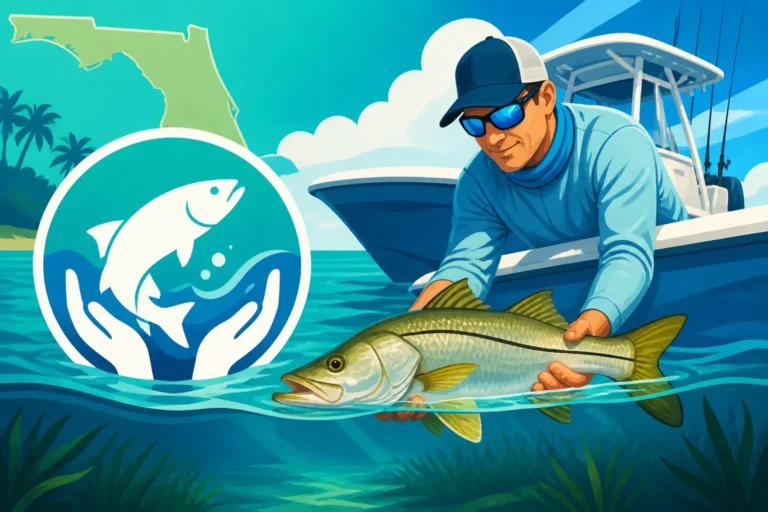
Their spawning season is a major driver of their behavior and aggregations. Snook typically spawn in coastal passes and nearshore waters during the warmer months, making these areas prime targets for anglers during specific times. After spawning, they disperse to recuperate and feed aggressively before the cooler temperatures send them seeking refuge once again. Keeping track of the snook season guides, which include their regulatory closures, is essential for responsible fishing and making sure you're planning your trip when they're legal to keep (if you choose to do so). Many anglers, however, prefer to target snook purely for the thrill of the fight, practicing strict catch and release. You can learn more about these rules in our comprehensive Florida Snook Fishing Guide.
Regional Differences in Snook Seasons
Florida is a big state, and the snook fishing experience can vary considerably from north to south, and between the Gulf and Atlantic coasts. While snook are present throughout most of the peninsula, their populations are more prevalent and their activity peaks can be more pronounced in the southern and central regions.
For instance, in Southwest Florida, areas like the Ten Thousand Islands, Charlotte Harbor, and the backcountry around Naples and Fort Myers boast extensive mangrove systems that provide ideal habitat year-round. Here, snook might move less dramatically than those in northern parts of the state where cold fronts can be more severe. On the Atlantic side, places like the Indian River Lagoon and the Mosquito Lagoon also hold robust snook populations, but their seasonal movements might be influenced by factors like freshwater discharge and unique tidal flows. These regional differences mean that while there might be general "best seasons," a local guide in the Florida Keys might tell you something different from a guide in Tampa Bay, so always consider your specific destination.
Key Factors Influencing Snook Activity
Three main environmental factors dictate when and where snook will be most active and, consequently, when your snook charter is most likely to be successful:
- Water Temperature: This is perhaps the most critical factor. Snook thrive in warmer waters, generally between 70-85°F (21-29°C). When water temperatures drop below 60°F (15°C), snook become lethargic, seek out warm-water refuges, and are very difficult to catch. Conversely, extremely hot water can also make them sluggish.
- Tides: Snook are highly tide-dependent feeders, especially in inshore areas. Moving water, whether incoming or outgoing, stimulates feeding activity by carrying baitfish and nutrients through their ambush points. Strong tidal flows around inlets, points, and passes are often prime areas. Understanding What Tide Is Best for Snook Fishing? can greatly enhance your chances.
- Baitfish Presence: Like all predators, snook follow their food. When schools of baitfish like mullet, pilchards, or sardines are abundant, snook will be right there with them, actively feeding. Seasonal bait migrations often coincide with peak snook activity. A good snook charter captain will always be keyed into the local bait situation.
Prime Times for Booking a Snook Charter
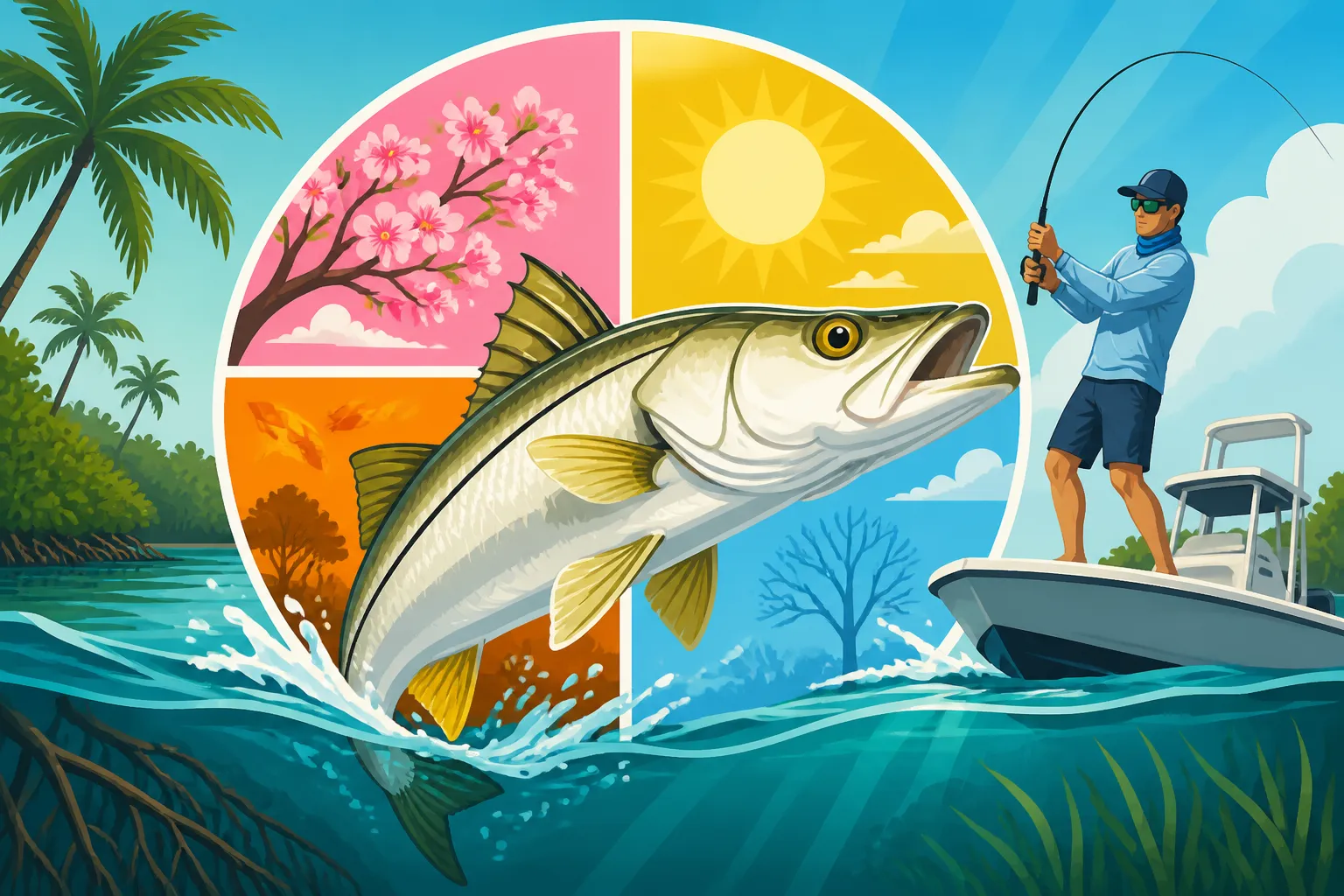
When it comes to the "best" season to book a snook charter, most experienced anglers and guides will tell you that while snook can be caught year-round in certain areas, the spring, summer, and fall offer the most consistent and exciting action. Each season presents its own unique opportunities and challenges.
Spring (March – May): Pre-Spawn Aggression
Spring is often hailed as one of the absolute best times to target snook. As water temperatures begin to steadily rise after the cooler winter months, snook shake off their winter lethargy and start moving out of their cold-weather refuges. They begin to feed aggressively to build up energy for the upcoming spawning season.
During this period, you'll find snook migrating towards the passes, inlets, and nearshore Gulf or Atlantic waters where they will eventually spawn. They'll stage in these areas, often in large schools, making them more predictable targets. Charter captains will often focus on mangrove shorelines, oyster bars, and deeper grass flats where snook are ambushing bait. The fish are typically very active and willing to strike a variety of baits and lures. It's a fantastic time for anglers seeking quantity and quality before the summer heat truly kicks in. Plus, the weather is usually gorgeous, with fewer afternoon thunderstorms than summer.
Summer (June – August): Spawning Frenzy
Summer marks the snook spawning season, and for many, this is the pinnacle of snook fishing. As water temperatures soar, typically between June and August, large numbers of snook aggregate in the passes, inlets, and along the beaches. This is when they gather to breed, and while they're focused on reproduction, they can still be incredibly aggressive feeders, especially during certain tides.
Fishing charters during the summer often target these spawning aggregations. Early mornings or late evenings are particularly productive as the fish move in and out with the tides. Topwater action can be explosive at dawn, and fishing live bait in the strong currents of a pass can yield some truly massive snook. However, it's crucial to remember that during portions of the summer, snook seasons are often closed to harvesting to protect the spawning fish. This means it's strictly Catch and Release Best Practices for Snook during these times, which is a common practice for many dedicated snook anglers anyway. The heat can be intense, and afternoon thunderstorms are a daily occurrence, so planning your trip with a flexible schedule or opting for early morning departures is wise. You can find many guides specializing in summer snook on platforms like FishingBooker.
Fall (September – November): Post-Spawn Feast
As summer transitions into fall, and water temperatures begin to gradually cool, snook move away from their spawning grounds and disperse back into the inshore estuaries. This post-spawn period is another excellent time for snook fishing. The fish are often hungry, having expended a lot of energy during the spawn, and they'll feed ravenously on the abundant baitfish that are typically migrating through the estuaries.
This is a prime time for sight fishing on the flats, casting along mangrove shorelines, and targeting creek mouths and river bends. The fish are often more spread out than during the spring or summer aggregations, but they are generally very willing to eat. Many anglers consider fall to be a truly fantastic time because the weather is usually more stable, the humidity drops, and the fishing pressure can sometimes lessen after the peak summer season. It’s also often a time when big "linesiders" are looking to bulk up before the chill of winter, so opportunities for trophy fish are high. Many guides found on FishingBooker have deep knowledge of these fall patterns.
Winter (December – February): Cold Weather Challenges
Winter presents the most challenging conditions for snook fishing in Florida. As cold fronts push through the state, water temperatures plummet, forcing snook to seek refuge in warm-water areas. They become very sluggish, often grouping up in deep canals, residential marinas, brackish creeks, or areas with discharge from power plants.
While it's still possible to catch snook in winter, it requires a different approach. Charters will typically focus on these specific warm-water sanctuaries. The bite can be slow, and the fish are often much more finicky, requiring lighter tackle and a slower presentation of baits or lures. It's not the season for aggressive topwater blowups, but rather a more patient, methodical approach. Why Florida Closes Snook Season in Winter is directly related to their vulnerability during these cold snaps, as large numbers can be stressed or even die from prolonged exposure to cold. If you're planning a winter snook charter, be prepared for more limited action and potentially fewer fish, but the reward of catching a snook in these conditions can be particularly satisfying for dedicated anglers.
Maximizing Your Snook Charter Experience
Beyond simply picking a season, there are other crucial elements that will significantly impact your snook charter's success. Thinking about these factors beforehand can make all the difference.
The Role of Weather and Water Temperature
We’ve already touched on water temperature, but it's worth reiterating its immense importance. A cold front sweeping through Florida, even in early spring or late fall, can send water temperatures crashing and shut down the snook bite instantly. Conversely, a prolonged heat wave in summer can make the fish lethargic during the hottest parts of the day.
When booking your charter, especially during transition seasons (early spring, late fall), keep an eye on the extended weather forecast. If a major cold front is predicted, you might want to consider rescheduling if your guide offers that flexibility. Pay attention to how the captain plans to address the weather – for example, fishing shallower grass flats on a warming trend or targeting deeper troughs if it's exceptionally hot. A skilled guide will adapt their strategy to the prevailing conditions, making sure to hit those spots where snook are most likely to be active. Don't be surprised if your guide contacts you a few days before your trip to discuss conditions; it's all part of ensuring a great experience.
| Season | Typical Snook Activity | Best Fishing Strategy | Weather Considerations | Ideal for |
|---|---|---|---|---|
| Spring | High (pre-spawn feeding) | Flats, mangroves, passes; live bait, artificials | Warming, generally stable | Quantity & Quality |
| Summer | High (spawning aggregations) | Passes, inlets, beaches; live bait, topwater | Hot, humid, afternoon thunderstorms common | Large Fish, Thrills |
| Fall | High (post-spawn feeding) | Estuaries, flats, rivers; variety of baits & lures | Stable, cooling, less humid | Consistent Action, Comfort |
| Winter | Low (seek warm water) | Deep canals, warm-water discharges; slow presentation | Cold fronts, potential for shut-downs | Patient Anglers, Specific Spot Fishing |
Tides and Their Impact on Snook Fishing
Tides are the lifeblood of inshore snook fishing. Strong tidal movement flushes bait from the mangroves, moves water through passes, and creates current seams where snook love to ambush prey. Many guides will plan their trips around specific tides that they know produce the best snook bites for their particular fishing grounds.
An incoming tide often pushes baitfish into mangrove roots and shallow flats, while an outgoing tide can pull bait out of these areas, funneling them past ambush points. The "slack tide," when the water is barely moving, is generally considered the slowest time for snook. When you're talking to your potential charter captain, feel free to ask them about their philosophy on tides. Do they prefer a strong outgoing tide from a specific creek? Or are they more keen on a rising tide pushing into a certain flat? Their answers will give you insight into their expertise and local knowledge. Understanding the tide charts for your chosen fishing location can also give you a leg up in anticipating the bite.
Choosing the Right Charter and Guide
No matter the season, the success of your snook charter largely hinges on the guide you choose. An experienced Florida fishing guide specializing in snook will have an intimate knowledge of the local waters, understand snook behavior, and know how to adapt to changing conditions. When you're looking for a charter, consider these points:
- Specialization: Does the guide primarily target snook, or are they a general inshore guide? While many are versatile, a snook specialist will often have a deeper understanding of these specific fish.
- Boat and Gear: Ensure their boat is suitable for the type of snook fishing you want to do (e.g., a flats boat for shallow water, a bay boat for open bays and passes). Most reputable charters, including many found on FishingBooker, will provide high-quality rods, reels, and tackle appropriate for snook. You can also explore Best Rod and Reel Setup for Florida Inshore Fishing.
- Communication: A good guide will communicate clearly about what to expect, what to bring, and their approach to fishing. Don't hesitate to ask questions before booking.
- Reviews and Reputation: Check online reviews and testimonials. A guide with a consistent track record of happy clients, particularly those targeting snook, is a strong indicator of quality.
- Regulations Knowledge: Ensure your guide is fully aware of and compliant with all current Florida Snook Season Guide and bag limit regulations, as these can change by region. They should be advocates for conservation.
Ultimately, while the spring and fall often offer the most consistent and comfortable conditions for snook fishing, the "best" season really depends on what you're looking for. Summer can provide incredible action with large fish if you can handle the heat, and even winter offers opportunities for patient anglers to land a cold-weather linesider. By understanding the factors at play and choosing a knowledgeable guide, you're setting yourself up for an unforgettable snook fishing adventure in Florida, whenever you decide to go. You can find many excellent snook guides through platforms like FishingBooker, offering options to suit every season and angler preference.
Disclaimer
This article is for general informational purposes only and does not constitute professional advice. Laws, prices and regulations vary by location and change over time. Consult a qualified professional for guidance on your specific situation.