Why Flats Guides Charge More Than Bay Boat Guides
It's a common question that pops up when you're planning a fishing trip in the Sunshine State: "Why do some fishing charters seem to cost a lot more than others, especially when the boats don't look that different?" If you've been looking at booking a guide, you've probably noticed a significant price difference between a flats guide and a bay boat guide. It can feel a bit confusing, even frustrating, trying to understand where those extra dollars go. This comprehensive guide will break down the distinct reasons behind the pricing disparity, helping you understand the value and specialization that comes with each type of Florida fishing experience.
The Specialized World of Flats Fishing: Expertise and Knowledge
When you're comparing the cost of a flats guide versus a bay boat guide, one of the biggest factors that contributes to the higher price tag for flats fishing is the sheer level of specialized expertise required. Flats fishing isn't just about dropping a line in the water; it's an intricate dance with nature that demands a profound understanding of the environment and its inhabitants.
The Guide's Deep Local Knowledge
A top-notch flats guide isn't just a boat driver; they are an oracle of the shallow water ecosystem. They spend countless hours, often over decades, studying the subtle nuances of specific flats, oyster bars, mangrove shorelines, and grass beds. This isn't just knowing where the fish might be, but why they're there at a particular moment. They understand how factors like moon phase, tide direction, water temperature, wind speed, and even cloud cover influence the behavior of elusive species like Florida Tarpon Fishing Guide, Florida Snook Fishing Guide, and especially the ghost of the flats, the bonefish.
Think about it: stalking a wary bonefish or a colossal tarpon on crystal-clear flats requires an eagle eye, stealthy boat handling, and the ability to anticipate fish movements before they happen. This isn't something you learn overnight or from a quick online search. It's an accumulated wisdom passed down through generations or painstakingly acquired through years of trial and error on the water. This intimate knowledge allows them to put you in the best position for a shot, often making the difference between a memorable catch and a frustrating day of seeing nothing but empty water. They've paid their dues, and that invaluable education is reflected in their rates.
Advanced Angling Techniques
Flats fishing often involves more advanced angling techniques, particularly sight fishing. This means spotting the fish before you cast to them, which is exhilarating but incredibly challenging. The guide isn't just telling you where to cast; they're coaching you on angles, speed of retrieve, and how to "read" the fish's body language. For instance, fly fishing for certain species on the flats is a highly refined skill that only a specialized guide can effectively teach and facilitate.
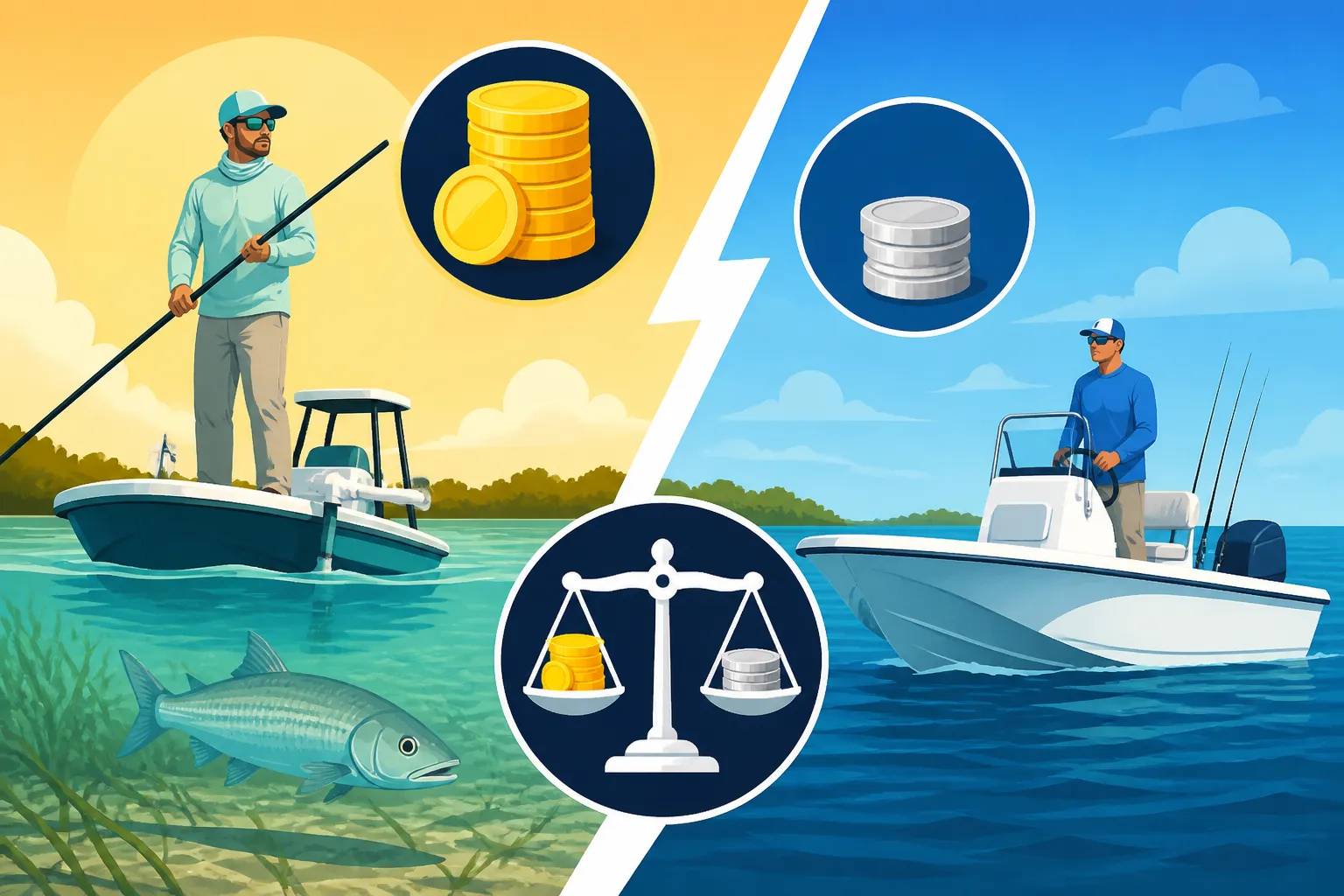
A flats guide typically operates with a heightened sense of stealth. They might use a poling skiff, quietly pushing the boat across mere inches of water, rather than relying on a noisy trolling motor. This allows for a silent approach that won't spook the incredibly sensitive fish found in these clear, shallow environments. The ability to pole a boat for hours, spotting fish in challenging light conditions, and directing an angler to make a precise cast is a physical and mental art form. This level of engagement and specialized instruction is a significant component of the higher cost. How to Choose a Florida Fishing Guide emphasizes the importance of a guide's expertise, and it's particularly true for flats fishing.
The Tools of the Trade: Comparing Flats Boats and Bay Boats
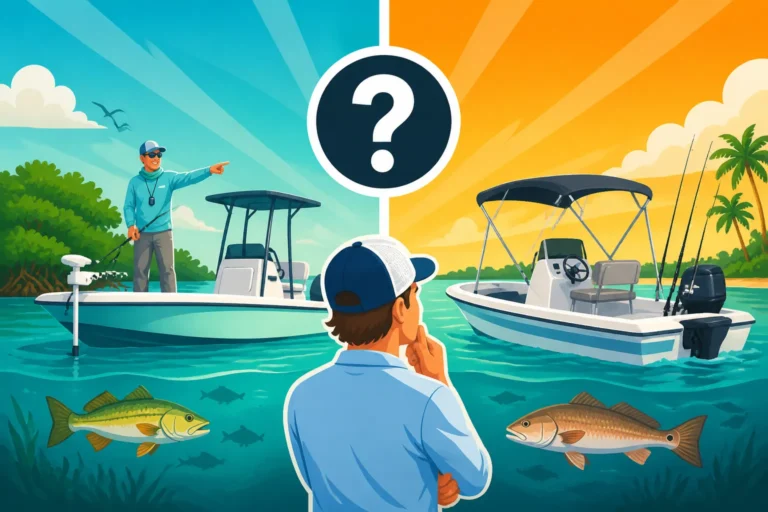
Beyond the guide's expertise, the vessels themselves play a huge role in the differing price points. Flats boats and bay boats, while both designed for inshore fishing, are built for vastly different purposes and, consequently, come with vastly different costs and capabilities.
Flats Boats: The Precision Instruments
Flats boats are truly precision instruments, engineered to glide silently across extremely shallow water, often just inches deep. They are typically smaller, lighter, and have a much shallower draft than bay boats. This specialized design allows them to access remote, undisturbed areas of the flats where larger boats simply cannot go. This stealth and access are paramount when targeting wary fish in clear, skinny water. Imagine trying to sneak up on a deer in a noisy bulldozer; it just wouldn't work. The same principle applies here.
These boats are often custom-built or semi-custom, featuring minimalist designs focused on functionality and stealth. They might have poling platforms for the guide to stand on and quietly propel the boat, vast open decks for unobstructed casting, and specialized storage for fly rods and other delicate equipment. The materials used are often lightweight and durable, designed to withstand the rigors of shallow water environments. All of these specialized features and high-performance demands translate directly into a higher purchase price, increased insurance costs, and more specialized maintenance requirements. What Size Boat Is Used for Florida Flats Fishing? gives a great overview of these unique vessels.
Bay Boats: The Versatile Workhorses
Bay boats, on the other hand, are the versatile workhorses of the inshore fishing world. They are generally larger, heavier, and have a deeper draft than flats boats. This design allows them to handle a wider range of water conditions, from calm, protected bays to slightly choppier open water, and even some nearshore reefs or wrecks. They can comfortably carry more passengers and gear, and often have more creature comforts like seating, storage compartments, and sometimes even small head compartments.
While bay boats are excellent for fishing larger areas of a bay, estuaries, or intercoastal waterways, their deeper draft and larger size prevent them from accessing the really skinny water that flats boats excel in. They are fantastic for chasing redfish, trout, and snook in slightly deeper grass flats or around mangroves, but they can't get into those truly remote, undisturbed "backcountry" areas. Their broader capabilities make them a popular choice for a wider range of anglers and fishing styles, and their manufacturing costs, while substantial, are generally lower than highly specialized flats skiffs.
Here's a quick comparison of the two boat types:
| Feature | Flats Boat | Bay Boat |
|---|---|---|
| Primary Use | Shallow water sight fishing, stealth | Versatile bay/inshore, nearshore fishing |
| Draft | Very shallow (4-8 inches) | Moderate (10-18 inches) |
| Size | Typically 16-19 feet | Typically 18-24 feet |
| Engine | Smaller, lighter outboard | Larger, more powerful outboard |
| Key Features | Poling platform, open deck, minimalist | More seating, storage, deeper V-hull |
| Access | Extreme shallow flats, remote areas | Bays, estuaries, intercoastal, nearshore |
| Target Species | Bonefish, Permit, Tarpon, Redfish, Snook | Redfish, Snook, Trout, Mackerel, Cobia |
| Stealth | High (poling, quiet motor) | Moderate (trolling motor, sometimes louder) |
| Cost Implication | Higher initial cost, specialized maintenance | Moderate initial cost, standard maintenance |
Targeting Prized Species: Why Niche Fishing Commands a Premium
The types of fish you're typically pursuing also play a significant role in charter pricing. Flats guides often focus on some of the most sought-after and challenging game fish in Florida, while bay boat guides tend to offer a broader, more accessible range of species.
The Challenge of Elusive Flats Fish
Flats fishing is synonymous with targeting the "Grand Slam" species: tarpon, bonefish, and permit. These fish are renowned for their incredible fighting ability, their intelligence, and their extreme wariness in shallow, clear water. Catching a bonefish on a fly rod, for example, is considered a pinnacle achievement for many anglers. These fish often require a patient stalk, a delicate presentation, and precise casting, especially with light tackle or fly gear. This isn't a numbers game; it's about the quality of the encounter and the challenge of the hunt.
Guiding for these species requires intense focus, the ability to put the angler on a single fish, and often a higher degree of coaching. The satisfaction of spotting a tailing redfish, or a cruising permit, and then successfully landing it, is an unparalleled experience that many anglers are willing to pay a premium for. The guide's skill in finding these specific fish, understanding their feeding patterns, and guiding you through the often difficult process of hooking and landing them is a massive part of their value. Florida Tarpon Fishing Season Guide and Florida Snook Season Guide detail just how targeted these fisheries can be.
Bay Boat Versatility
Bay boats, while certainly capable of targeting the same inshore species like redfish, snook, and trout, often provide a more diverse fishing experience. A bay boat guide might start your day casting for trout on a grass flat, then move to a mangrove shoreline for snook, and later try some deeper channels for black drum or even venture just offshore for Spanish mackerel or small cobia. This versatility is fantastic for families, beginners, or anglers who simply want to bend a rod and catch a variety of fish.
The techniques used on a bay boat can also be more varied and sometimes less technically demanding than pure sight fishing on the flats. You might be casting artificial lures, soaking live bait under a popping cork, or drifting with a shrimp on the bottom. The objective is often more about consistent action and catching a good number of fish, rather than the singular pursuit of a specific, highly challenging species. This broader appeal and range of experiences typically come at a more accessible price point. If you're looking for a general fun day on the water with a good chance of catching several different species, a bay boat is an excellent choice.
The Hidden Costs: Maintenance, Insurance, and Operating Expenses
Beyond the obvious differences in boats and target species, there are a host of less visible operational costs that contribute to the higher rates of flats guides. Running any charter business is expensive, but the specialized nature of flats fishing amplifies these costs.
Specialized Maintenance and Gear
Flats boats operate in some of the harshest environments for a vessel: extremely shallow water with oyster beds, sand bars, and occasional submerged debris. This means they are prone to more frequent wear and tear on their hulls, lower units of their engines, and props. Repairs can be specialized and expensive. Imagine constantly bumping a delicate instrument against unforgiving surfaces; it requires constant vigilance and skilled maintenance.
Furthermore, the gear used for flats fishing, especially for fly fishing or ultra-light tackle, is often top-of-the-line. High-performance fly rods, reels, and specialized lines are not cheap, and they require meticulous care and frequent replacement. The guide is often providing this high-end gear, which represents a significant investment. Contrast this with a bay boat, where sturdy, general-purpose spinning gear might be more common and less prone to damage from the environment. Do Florida Fishing Charters Provide Rods and Reels? often depends on the type of charter and the quality of gear provided.
Insurance and Licensing
Every legitimate charter operation in Florida needs comprehensive insurance to cover passengers, the vessel, and any potential liabilities. For a specialized flats operation, particularly one venturing into remote areas or targeting high-value species, insurance premiums can be higher. This is also true for the various licenses and permits required to operate a commercial fishing guide service. These aren't just one-time fees; they are ongoing costs that must be factored into the daily rate.
The guide's experience and reputation, often built over many years, also play into these costs. A highly sought-after guide, perhaps found easily through platforms like FishingBooker, with a strong track record of success and safety, can command a higher rate. Their reputation itself is a form of value that anglers are willing to invest in, especially when pursuing a once-in-a-lifetime trophy fish.
Time Investment Beyond the Trip
A significant portion of a guide's work happens long before you step on the boat and long after you've left. For a flats guide, this "off-the-water" time is often more extensive. It includes:
- Pre-trip Scouting: Many flats guides will spend hours scouting the day before a trip, looking for bait schools, fish activity, and favorable water conditions. They're not just showing up hoping for the best; they're actively researching to maximize your chances.
- Gear Preparation: Rigging rods, tying leaders, sharpening hooks, checking reels, and ensuring all specialized tackle is in perfect order.
- Boat Maintenance: Cleaning, fueling, performing routine checks, and addressing any minor issues from the previous trip.
- Communication: Answering inquiries, booking trips, and coordinating logistics, often facilitated through platforms like FishingBooker, which streamline this process but still require the guide's time.
When you factor in the extensive time investment, the specialized equipment, the higher maintenance, and the overall dedication required to consistently deliver a high-quality flats fishing experience, the higher price for a flats guide starts to make a lot more sense. You're not just paying for a few hours on the water; you're paying for a lifetime of knowledge, dedicated preparation, and a meticulously maintained, specialized vessel. For a deeper look into what goes into charter pricing, check out What's Included in a Florida Fishing Charter Price.
Booking Your Adventure: Finding the Right Guide for Your Budget
Understanding the differences between flats guides and bay boat guides can help you make an informed decision when planning your Florida fishing adventure. It’s not about one being "better" than the other, but rather about choosing the right experience for your goals, skill level, and budget.
When a Flats Guide is Worth the Investment
If your dream is to pursue a specific, challenging trophy fish like a Tarpon, Permit, or Bonefish in their natural, pristine shallow-water habitat, especially with fly fishing or ultra-light tackle, then a flats guide is almost certainly the way to go. You're paying for an unparalleled level of specialized knowledge, stealth, and an intimate encounter with nature. It's an immersive experience that prioritizes the hunt and the challenge, often resulting in fewer, but incredibly memorable, catches.
You'll get personalized instruction, access to remote and beautiful locations, and the quiet satisfaction of stalking truly wild fish. While the upfront cost is higher, the memories and the learning experience can be priceless. When exploring options, consider platforms like FishingBooker, which allows you to filter by guide specialty and see detailed profiles, helping you find that perfect match for your flats fishing aspirations. Keep in mind that Florida Flats Fishing Guide Rates can vary significantly based on location and the guide's reputation.
When a Bay Boat Guide is a Great Choice
For anglers looking for a more versatile, action-packed day with a good chance of catching a variety of inshore species like redfish, snook, and spotted seatrout, or even venturing just offshore, a bay boat guide offers excellent value. Bay boat charters are often more accommodating for larger groups, families with children, or beginners who are just looking to enjoy a relaxing day on the water and experience Florida fishing without the intensity of a flats stalking mission.
You'll still get a professional guide, quality equipment, and access to fantastic fishing grounds within the bays and estuaries. It's a fantastic option for a fun day out with consistent rod bending opportunities. The cost is generally more accessible, making it a popular choice for many visitors and locals alike. You can easily compare options and availability for bay boat guides through online booking platforms like FishingBooker, making it simple to find a reputable captain who fits your needs. Many guides also offer Half-Day vs Full-Day Fishing Charter Cost in Florida options, allowing you to tailor the trip length to your budget and schedule.
Ultimately, the choice comes down to your personal preferences and what kind of fishing adventure you envision. Both flats guides and bay boat guides offer incredible opportunities to explore Florida's rich aquatic environments. Understanding why they charge what they do helps you appreciate the distinct value each brings to the table, ensuring you pick the perfect captain for your next unforgettable day on the water.
Disclaimer
This article is for general informational purposes only and does not constitute professional advice. Laws, prices and regulations vary by location and change over time. Consult a qualified professional for guidance on your specific situation.