Best Charters for Catch and Release Only Trips
Let's be honest, for many of us, fishing isn't just about putting dinner on the table. It's about the thrill of the chase, the perfect cast, the adrenaline rush of a screaming drag, and the sheer joy of connecting with nature. If you're an angler who finds immense satisfaction in the fight but prefers to let your finned adversaries swim away to fight another day, then finding the right charter for a catch-and-release-only trip in Florida can feel like a quest. This guide is here to demystify that process, helping you pinpoint the best captains and trips dedicated to the art of ethical, sustainable catch-and-release fishing.
The Heart of the Angler: Why Catch and Release Resonates
The decision to focus on catch-and-release fishing is a personal one, but it often stems from a deep respect for the resource and a love for the sport itself. In Florida's vibrant, yet sometimes fragile, ecosystems, this approach plays a crucial role.
Conservation and Sustainability for Future Generations
Think about it: every fish released is an opportunity for that fish to spawn, grow larger, and contribute to a healthy, thriving population. This is especially vital for iconic Florida species that face fishing pressure and environmental changes. When you explicitly seek out a catch-and-release-only charter, you're signaling to the captain that conservation is a priority, and they'll often be even more meticulous about proper fish handling and reducing stress.
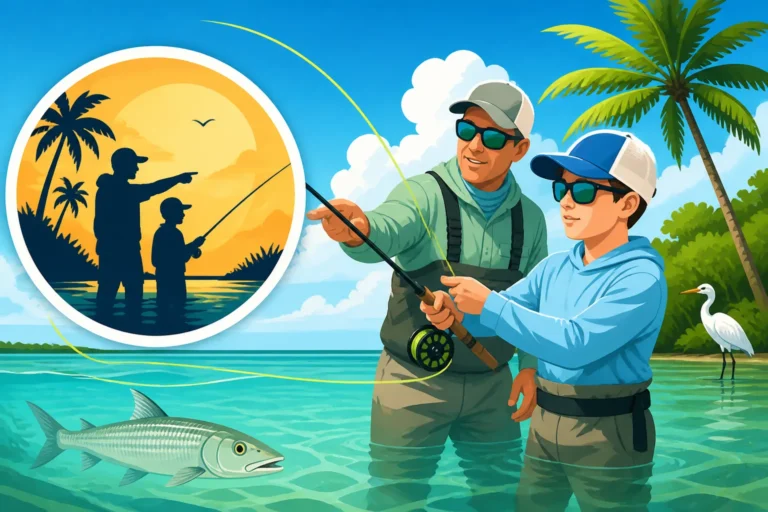
For species like the majestic tarpon, which are often catch-and-release only by law due to their protected status, or the highly sought-after snook with their specific slot limits and closed seasons, a C&R mindset ensures these incredible fish remain abundant for years to come. It’s about being a steward of the waters, leaving them better than we found them, so that our kids and grandkids can experience the same incredible battles. It's a way of giving back to the sport that gives us so much joy, ensuring the future of Florida's legendary fisheries.
The Undiluted Thrill of the Fight
Let's be frank: for many of us, the actual act of catching a fish is the peak experience. The anticipation, the strike, the battle, the moment you finally get it boat-side – these are the memories that stick. For a true sport angler, the size, strength, and fight of a fish are often more important than its culinary potential. A catch-and-release-only trip allows you to fully immerse yourself in this aspect of fishing without the added pressure or consideration of whether a fish is "keeper size" or if you have enough ice in the cooler.
Imagine hooking into a massive redfish on a shallow flat, feeling its powerful runs, and watching it disappear back into the clear water after a quick, healthy release. Or the acrobatic display of a tarpon as it leaps from the water, shaking its head, every muscle straining against your line. These moments are purely about the interaction with the fish and the challenge of the sport. It's a testament to your skill and the fish's raw power, culminating in a respectful parting that lets both sides emerge victorious.
Ethical Angling Practices and Fish Welfare
Choosing a catch-and-release charter often means choosing a captain who is deeply committed to ethical angling. They understand the nuances of fish physiology and stress, and they employ specific techniques and tools designed to ensure the highest survival rates for released fish. This isn't just about throwing a fish back; it's about doing it correctly.
A truly dedicated catch-and-release guide will prioritize quick fights, minimize air exposure, use appropriate dehooking tools, and handle fish gently. They understand that a fish's health post-release is paramount. This attention to detail isn't just good for the fish; it’s good for your peace of mind, knowing that your passion isn't coming at an undue cost to the environment. It transforms fishing from a simple recreational activity into a mindful, responsible interaction with wildlife.
What to Look For in a Catch and Release Charter
Not all fishing charters are created equal, especially when your primary goal is catch and release. To ensure a successful and ethical experience, you need to know what questions to ask and what qualities to prioritize.
Captain's Expertise, Specialized Gear, and Approach
The captain is the cornerstone of any great fishing trip, but for catch-and-release, their expertise takes on an even greater significance. You want a captain who not only knows where the fish are but also intimately understands their behavior and how to minimize stress during the encounter. Look for guides who:
- Prioritize quick, efficient fights: They'll encourage you to use appropriate tackle for the target species, avoiding overly light gear that prolongs the fight and exhausts the fish unnecessarily.
- Employ specific techniques for C&R: This might include specific retrieval methods or strategies to bring the fish boat-side quickly and safely.
- Carry specialized dehooking tools: Long-nosed pliers, dehookers, and bolt cutters for hooks are standard. Some even carry specialized tools for specific fish anatomies.
- Have a C&R-focused mindset: A captain who genuinely believes in and practices catch and release will be more inclined to teach you proper techniques and ensure every fish has the best chance of survival. Their entire operation, from the boat layout to their guiding philosophy, will reflect this commitment. When you search on platforms like FishingBooker, many guides explicitly state their C&R focus.
Ideal Species for Catch and Release Trips
While you can technically catch and release almost any fish, some species are particularly well-suited for C&R-only trips due to their fighting prowess, protected status, or delicate nature.
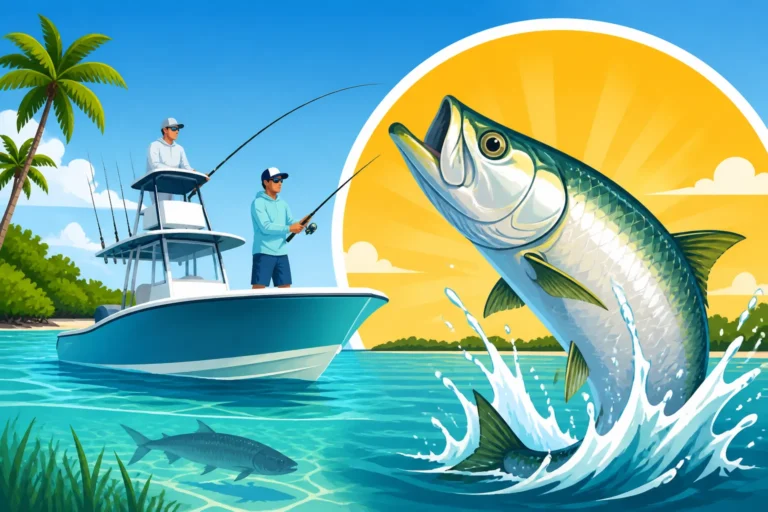
- Tarpon: Often referred to as the "Silver King," tarpon are almost exclusively catch-and-release in Florida due to their protected status. They offer incredible aerial displays and powerful runs, making them a prime target for C&R anglers. Learning about Florida Tarpon Fishing Guide will highlight why they are such a C&R staple.
- Snook: Another highly sought-after inshore species, snook are known for their explosive strikes and brutal fights. While there are harvest seasons and slot limits, many anglers choose to release snook, especially the larger breeder fish. Florida Snook Fishing Guide goes into depth on this.
- Bonefish and Permit: Found on shallow flats in places like the Florida Keys and Biscayne Bay, these "ghosts of the flats" are incredibly wary and provide a thrilling sight-fishing challenge. They are almost universally released.
- Redfish: These powerful inshore species fight hard and are common targets. Many anglers choose to release them, particularly the large "bull" reds, to conserve breeding stock, even if they fall within slot limits. You might want to brush up on How to Handle a Redfish for Release.
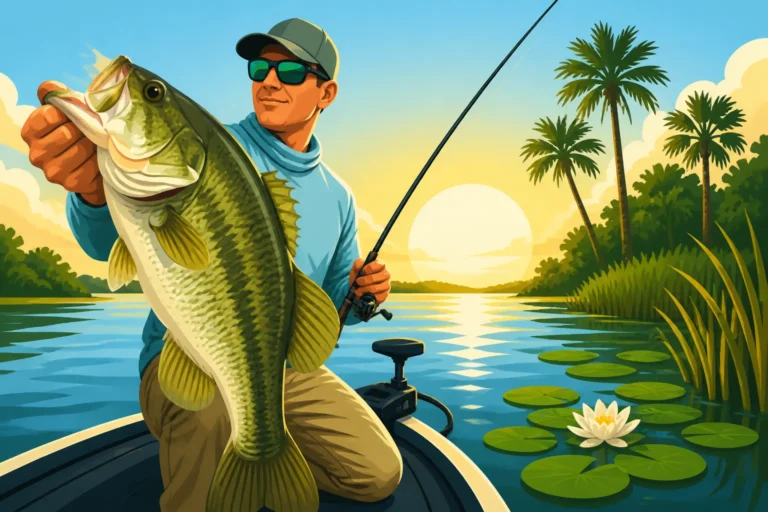
- Largemouth Bass: In freshwater, trophy bass anglers often practice catch and release to preserve the genetics of large fish and ensure sustainable populations in lakes like Okeechobee. A deep dive into Florida Largemouth Bass Fishing Guide will show the C&R culture around this species.
These species provide exceptional sport without necessarily needing to be harvested, aligning perfectly with a C&R ethos.
Proper Fish Handling Practices from Hook-Up to Release
This is where a dedicated C&R charter truly shines. It's not just about letting the fish go; it's about minimizing harm at every stage. A good C&R captain will ensure:
- Minimal fight time: Using appropriately sized gear to land the fish as quickly as possible, reducing exhaustion.
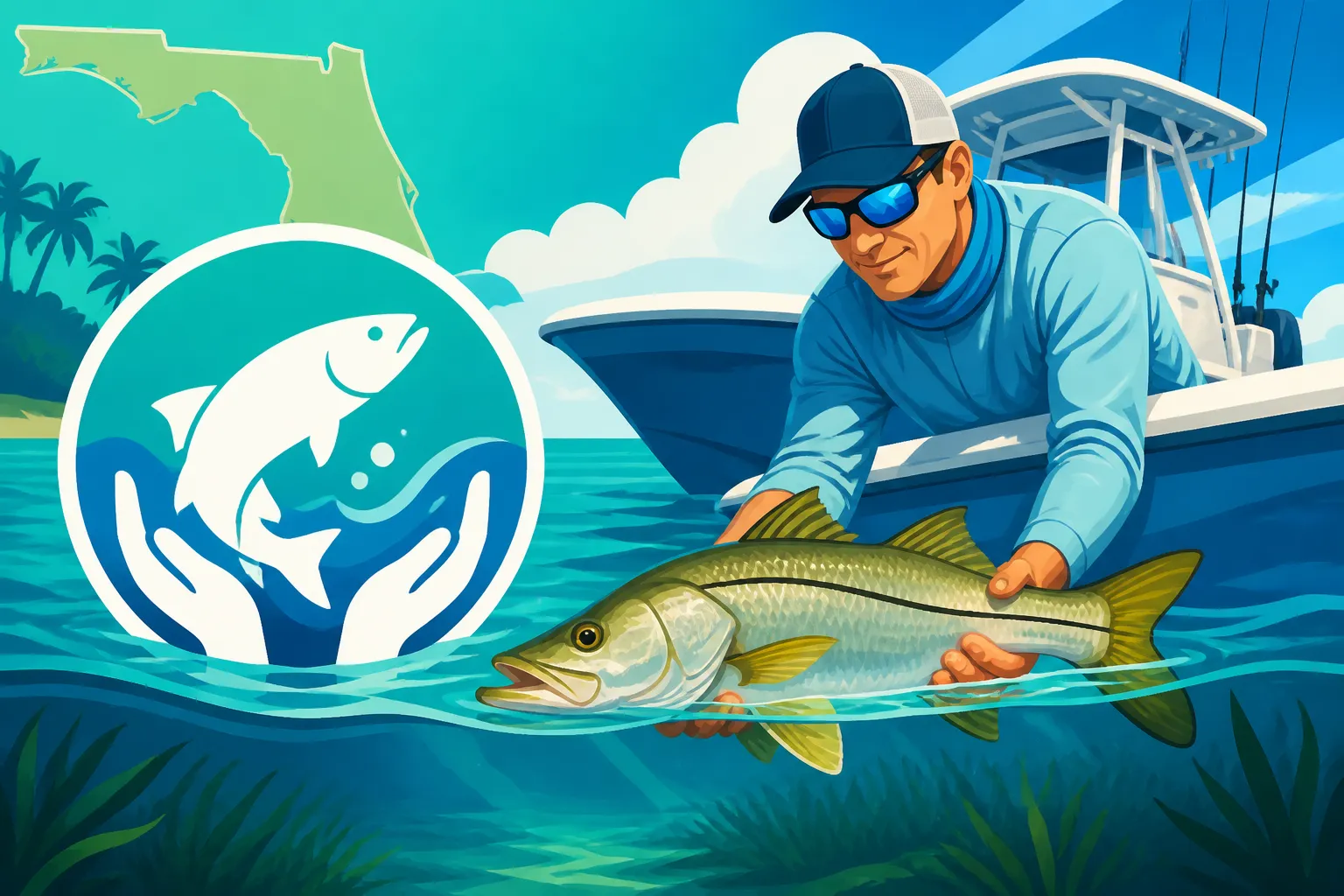
- Careful handling: Avoiding touching fish with dry hands (which can remove their protective slime coat) and never holding a fish by its gills or eyes. Large fish should be supported horizontally, especially by the belly.
- Quick dehooking: Using specialized tools to remove hooks efficiently, ideally while the fish is still in the water or with minimal air exposure. Barbless hooks can make this even easier.
- Proper revival: For larger, exhausted fish, the captain will guide the boat forward or hold the fish gently in the current to allow water to flow over its gills until it's strong enough to swim away on its own. This process, often called "venting" or "fizzing" for certain species caught from deeper water, ensures maximum survival. You'll find a lot of great advice in Catch and Release Best Practices for Snook for specific species.
Finding and Booking Your Ideal Catch and Release Trip
So, you're ready to embrace the C&R lifestyle on the water. How do you go about finding that perfect charter? It's easier than you might think if you know where to look and what questions to ask.
Researching Charters Dedicated to C&R
The first step is always research. You'll want to find captains who actively promote catch-and-release fishing as a core part of their service, not just an option.
- Online Platforms: Websites like FishingBooker are fantastic resources. You can filter by location, species, and even read detailed descriptions of what each captain offers. Many guides will explicitly state their commitment to catch and release in their profiles or list specific C&R-focused trips (like tarpon or bonefish charters). Pay close attention to reviews, as past clients often comment on how fish were handled.
- Guide Websites and Social Media: Once you've identified a few potential captains, visit their personal websites and social media pages. Look for photos and videos that show proper fish handling, healthy releases, and descriptions of their conservation ethics. If their gallery is full of fish on ice, they might not be the right fit for a purely C&R trip.
- Local Tackle Shops: These are goldmines of local knowledge. Chat with the staff, tell them you're looking for a C&R-focused guide, and they'll often recommend captains who share that ethos. They know who the conservation-minded captains are in their area.
- Fishing Forums and Groups: Online communities for Florida fishing can offer invaluable recommendations and personal experiences. Ask for suggestions for C&R-specific guides in your target region.
When you're looking for a Florida Fishing Charter Guide, ensure you're screening for these specific C&R elements.
Essential Questions to Ask Before Booking
Once you've narrowed down your choices, it's crucial to have a direct conversation with the captain before you commit. Here are some key questions:
- "Do you offer dedicated catch-and-release trips?" This immediately sets the expectation.
- "What are your specific fish handling practices for released fish?" Listen for details about minimal air exposure, specific dehooking tools, and revival techniques.
- "What tackle do you use for [target species] to ensure a quick fight and healthy release?" This confirms they're using appropriate, not undersized, gear.
- "Do you use barbless hooks, or are you open to it if I bring my own?" While not always necessary, some C&R purists prefer barbless.
- "What is your philosophy on conservation and the future of the fishery?" A passionate captain will light up when you ask this question, revealing their true commitment.
- "How do you educate your clients on proper catch-and-release techniques during the trip?" A good C&R guide will be a teacher, not just a driver.
This due diligence helps you How to Choose a Florida Fishing Guide that aligns with your values.
Popular Florida Regions and Species for C&R
Florida is a vast state with diverse fisheries, and some regions are particularly renowned for their catch-and-release opportunities.
| Region | Primary C&R Species Focus | Notable C&R Features |
|---|---|---|
| Florida Keys | Tarpon, Bonefish, Permit, Snook | World-class flats fishing; many guides specialize in fly/light tackle C&R. Florida Keys Fishing Guide is key here. |
| Boca Grande | Tarpon (seasonal) | Known as the "Tarpon Capital of the World" with intense tarpon migrations, almost entirely C&R. |
| Everglades National Park / Ten Thousand Islands | Snook, Redfish, Tarpon, Seatrout | Pristine backcountry, strong emphasis on conservation and C&R due to sensitive habitats. See Everglades Fishing Guide. |
| Indian River Lagoon / Mosquito Lagoon | Redfish, Snook, Spotted Seatrout | Known for trophy redfish; many guides focus on sight-fishing and C&R. |
| Southwest Florida (Naples, Fort Myers, Charlotte Harbor) | Snook, Tarpon, Redfish | Excellent inshore fisheries with strong C&R ethics, especially for large snook and tarpon. |
| Lake Okeechobee / Central Florida Lakes | Largemouth Bass | Premier bass fishing, with many guides promoting catch and release for trophy bass. |
Booking a Florida Flats Fishing Guide Rates trip in the Keys or Everglades will almost certainly put you on a C&R mission for bonefish and permit. When using a platform like FishingBooker, you can often narrow your search to these regions to find specialized C&R captains more easily.
Preparing for Your Catch and Release Adventure
Your role in a successful catch-and-release trip doesn't end with booking the charter. Being prepared and understanding your responsibilities helps ensure the best outcome for the fish and a fantastic experience for you.
Essential Gear, Clothing, and Personal Items
While the charter captain provides the fishing gear, you still have some personal responsibilities.
- Sun Protection: Florida sun is no joke! Bring a wide-brimmed hat, polarized sunglasses, long-sleeved UPF clothing, neck gaiters, and plenty of reef-safe sunscreen. Protecting yourself means you can focus on the fishing.
- Appropriate Footwear: Non-marking, comfortable shoes that can get wet are ideal. Think deck shoes, boat sandals, or Crocs.
- Rain Gear: Florida weather can be unpredictable. A lightweight rain jacket or poncho is always a good idea, even if the forecast looks clear.
- Snacks and Drinks: Most charters provide water, but bringing your own favorite drinks and snacks can make a long day on the water more enjoyable.
- Camera: To capture those memorable moments (of the fish in the water before release, of course!). Ensure it's waterproof or in a waterproof case.
- Medications: If you have any seasickness concerns, take preventative measures before the trip.
Remember, the goal is comfort and safety, allowing you to concentrate fully on the fishing action and the careful release of your catch.
Understanding Florida's C&R Regulations
Even when you're committed to catch and release, it's vital to be aware of Florida's fishing regulations. Florida Fishing Regulations and Bag Limits still apply, as some species may have closed seasons, specific gear restrictions, or even require special permits (like a snook or lobster permit) even if you intend to release them. This is because the act of targeting these species falls under regulatory oversight, regardless of whether you keep them.
Your captain will be the ultimate authority on current regulations, but having a basic understanding yourself is always a good practice. For example, some species, particularly those in federal waters, might have specific descent device requirements if caught from certain depths, even if they are immediately released. Staying informed means you're an even better steward of the fishery.
Best Practices for Anglers on the Water
As the angler, you play a critical role in the success of a catch-and-release trip. Your actions directly impact the fish's survival rate.
- Listen to Your Captain: They are the expert on the water and know the specific conditions and best practices for that day and species. Follow their instructions closely regarding fighting the fish, bringing it to the boat, and handling it.
- Minimize Fight Time: When a fish takes your bait, apply appropriate pressure to bring it in as quickly as possible without breaking your line. A prolonged fight can exhaust the fish, making it more vulnerable after release.
- Avoid Overhandling: If the fish needs to come out of the water for a quick photo, keep it brief (seconds, not minutes), support its body horizontally, and avoid placing fingers in gills or squeezing its belly. Get that photo quickly and then prepare for release.
- Use Circle Hooks When Possible: These hooks often catch fish in the corner of the mouth, making dehooking easier and reducing gut hooking, which is often fatal. Many C&R charters will exclusively use circle hooks.
- Observe the Release: Watch the fish swim away strongly. If it appears disoriented, alert your captain, who may assist in further revival. The satisfaction of seeing a healthy fish swim off is the ultimate reward of a catch-and-release trip.
By actively participating in these best practices, you contribute to the sustainability of Florida's incredible fishing opportunities and ensure that your catch-and-release-only trip is not just an experience, but a positive impact on the environment.
Disclaimer
This article is for general informational purposes only and does not constitute professional advice. Laws, prices and regulations vary by location and change over time. Consult a qualified professional for guidance on your specific situation.