Florida Fishing License Age Cutoff for Adults
It’s a common question that pops up in bait shops, around docks, and pretty much anywhere anglers gather: "Do I actually need a fishing license, or am I still considered a 'kid'?" The rules about who needs a Florida fishing license can feel a bit murky, especially when you're transitioning between age groups or just trying to understand the baseline for adults. This guide aims to clear up all that confusion, giving you a crystal-clear understanding of Florida's fishing license age cutoff for adults so you can hit the water with confidence.
The Official Age Cutoff for an Adult Florida Fishing License
One of the most fundamental questions for any angler in the Sunshine State is at what age you officially become an "adult" in the eyes of the Florida Fish and Wildlife Conservation Commission (FWC) when it comes to fishing licenses. It's a critical detail because missing it can lead to unnecessary fines and a spoiled day out on the water.
When You Become an "Adult" in the Eyes of Florida FWC
Let's cut right to the chase: in Florida, you are considered an adult for fishing license purposes once you turn 16 years old. This means that on your 16th birthday, the exemption you enjoyed as a minor officially ends, and you are legally required to possess a valid Florida fishing license if you intend to fish in public waters. This age applies universally, whether you're a long-time Florida resident or just visiting the state for a vacation. There's no gray area here; once that 16th candle is blown out, the clock starts ticking on your responsibility to get licensed.
It's a common point of confusion, especially for teenagers who might feel like they're still kids but are suddenly faced with adult responsibilities on the water. Many parents or guardians, used to their children fishing freely, might also overlook this crucial age change. It’s always best to check the exact regulations, which you can explore further in our comprehensive Florida Fishing License Guide. Remember, this is the foundational rule for anyone planning to cast a line in Florida's abundant freshwater or saltwater environments.
Why the Age of 16 Matters So Much
The age of 16 isn't just an arbitrary number chosen by the FWC; it's a specific benchmark that marks your official entry into contributing to the state's vital conservation efforts. The funds generated from fishing license sales directly support the management of Florida's fish populations, habitat restoration, and enforcement of fishing laws, ensuring that future generations can enjoy the same incredible fishing opportunities we have today. When you purchase your license, you're not just buying a permit; you're investing in the future of Florida's natural resources.
For those under 16, the FWC provides an exemption to encourage youth participation in outdoor activities without financial barriers. However, once you hit 16, you're expected to contribute your part. Failing to do so can result in serious consequences. An FWC officer can issue a citation for fishing without a license, which can carry significant fines and administrative fees, potentially turning a fun day into a costly headache. It’s a stark reminder that while the fishing might feel relaxed, the rules are serious. Understanding these Florida Fishing License Age Requirements is key to a responsible and enjoyable experience.
Navigating License Requirements Across Different Age Groups
Florida's fishing license system isn't a one-size-fits-all model. While 16 is the magic number for becoming an adult angler, there are distinct rules for those younger and, perhaps surprisingly, for those who are a bit older, too. Understanding these nuances can save you time, money, and potential legal headaches.
Fishing License Rules for Florida's Youth Under 16
For the youngest anglers, Florida makes it wonderfully simple: if you are under 16 years old, you do not need a recreational fishing license to fish in Florida's freshwater or saltwater. This exemption is a fantastic way for families to introduce children to the joys of fishing without an added cost or bureaucratic step. It truly encourages youth involvement in the outdoors, fostering a love for nature and angling from an early age.
However, it's absolutely crucial to remember that while the license requirement is waived for youth, all other fishing regulations still apply. This includes bag limits, size limits, and season closures for specific species. A child might not need a license, but they still can't keep an undersized snook or exceed the daily bag limit for speckled trout. Responsible adult supervision is paramount to ensure that youth anglers are following all rules and practicing ethical fishing. It's not a free-for-all; it's an opportunity to learn and respect the resource. You can delve deeper into this topic in our article Do Kids Need a Florida Fishing License?.
Special Considerations for Senior Anglers 65 and Older
Here's where it gets a little more interesting and often causes confusion: Florida residents who are 65 years of age or older have a special exemption from needing to purchase a paid recreational fishing license. This is a wonderful benefit for our senior community, acknowledging their years of contribution to the state. However, it's not a blanket exemption, and there are important details to grasp.
While Florida residents 65 and older don't need to buy a license, they still need to carry proof of age and residency when fishing, such as a Florida Driver's License or ID card. Many seniors also opt to obtain a Florida Resident Senior Citizen Hunting and Fishing Certificate. This free certificate serves as official documentation of their exemption and can be easily presented to an FWC officer. It's a fantastic, hassle-free way to confirm your eligibility. Non-resident seniors, however, are not afforded the same courtesy; if you're visiting Florida and are 65 or older, you will still need to purchase a non-resident fishing license. Don't fall into the trap of assuming your age exemption from your home state carries over! For comprehensive details, check out Do Seniors Need a Fishing License in Florida? and Florida Resident Senior Citizen Hunting and Fishing Certificate.
Common Scenarios and Avoiding Pitfalls
Understanding the basic age cutoff is a great start, but Florida fishing can throw some curveballs. There are specific situations where the rules might seem different or where common misconceptions lead anglers astray. Let's break down some of these scenarios to help you navigate them smoothly.
What If You're Just Visiting? Non-Resident Adult Anglers
Florida is a world-renowned destination for anglers, drawing visitors from across the globe to its incredible fisheries. If you're an adult (16 years or older) visiting from another state or country, you absolutely must purchase a Florida non-resident fishing license to legally fish in public waters. There's no reciprocity with other states, and your license from Georgia, Alabama, or anywhere else won't count here. This is a common pitfall for "snowbirds" or tourists who assume their home state's license is sufficient.
The good news is that Florida offers flexible options for non-residents. You can choose from short-term licenses, like a 3-day or 7-day option, which are perfect for a quick trip, or opt for an annual license if you plan on extended stays or multiple visits throughout the year. These can be easily purchased online before you even arrive. It’s always best to secure your license proactively rather than risking a fine. To learn more about your options, consult our detailed guides on Florida Nonresident Fishing License Rules and Florida Fishing License for Out-of-State Visitors. Remember, even if you’re fishing with a Floridian resident who is licensed, you still need your own license if you’re an adult non-resident.
When an Adult Might Not Need a License: Exemptions
While the 16-and-up rule is the general standard, there are a few specific, carefully defined scenarios where even an adult might be exempt from needing a personal recreational fishing license. It's important to understand these are exceptions, not the rule, and they come with their own set of conditions.
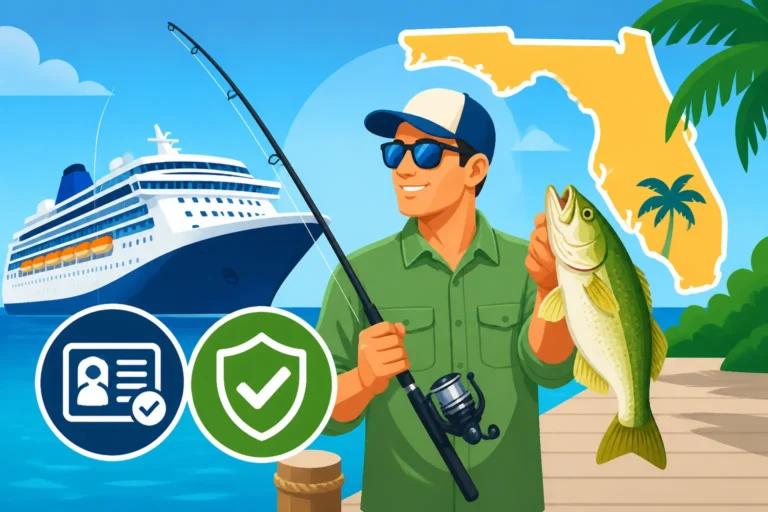
One of the most common exemptions is when you're fishing from a licensed pier or a vessel that holds a valid recreational fishing charter license. If you're on a public fishing pier that has purchased a pier-wide license, or if you've booked a trip with a professional charter captain, your individual license requirement is typically covered by their commercial license. This is fantastic news for tourists or those just looking for a hassle-free fishing experience. However, always confirm with the pier operator or charter captain that their license covers all individuals on board or fishing from the structure.
Additionally, Florida offers a few "Free Fishing Days" each year, usually in April and June, where residents and non-residents alike can fish without a license. These days are designed to encourage participation and allow new anglers to try out the sport. Lastly, if you are fishing in a private pond entirely enclosed on private land and not connected to other public waterways, you might also be exempt. But be careful here, as many "private" ponds do have connections or are part of larger canal systems, which would then require a license. Always double-check! For more in-depth information on these specific cases, check out Florida Fishing License Exemptions, Florida Charter Boat Fishing License Rules, Florida Free Fishing Days, and Do You Need a License to Fish a Private Pond in Florida?.
Here’s a quick overview of the age-related license requirements in Florida:
Age Group Florida Resident Fishing License Required? Florida Nonresident Fishing License Required? Key Notes and Exemptions
: Okay, this is a topic that comes up all the time, and honestly, the confusion around who needs a fishing license in Florida, especially regarding the age cutoffs, is completely understandable. You want to make sure you're doing things by the book, but sometimes it feels like you need a law degree just to figure it out! Whether you're a seasoned angler, a visiting family, or someone just picking up a rod for the first time, understanding the nuances of Florida's fishing license age requirements is crucial. This guide will clarify the exact age cutoff for adults needing a fishing license in Florida, helping you stay compliant, avoid unnecessary fines, and simply enjoy your precious time out on the beautiful Florida waters without a worry.
The Age When You Officially Need a Florida Fishing License
Let's dive right into the core of the matter: at what precise age does the Florida Fish and Wildlife Conservation Commission (FWC) consider you an "adult" who needs to purchase a recreational fishing license? This isn't just a minor detail; it's a legal requirement that everyone who enjoys casting a line in Florida's abundant waterways needs to be aware of.
The Big 16: Florida's Adult Angler Age Cutoff
The straightforward answer is that in Florida, you become an "adult" for fishing license purposes when you turn 16 years old. This means that from the day you celebrate your 16th birthday, you are legally required to possess a valid Florida fishing license if you plan to engage in recreational fishing in any public freshwater or saltwater body. Before this age, you're generally exempt, but that exemption vanishes once you hit the sweet sixteen mark. It's a critical transition point that many young anglers and their families sometimes overlook, leading to unexpected encounters with wildlife officers.
This age cutoff applies uniformly to everyone, whether you've called Florida home your entire life or you're just visiting for a week of sunshine and fishing. It doesn't matter if you're fishing from shore, a boat, a kayak, or a pier; if you're 16 or older, a license is mandatory unless you fall under a specific, limited exemption (which we'll get into later!). Understanding this fundamental rule is the first step to ensuring you have a legal and enjoyable fishing experience. For a broader overview of all the rules, our Florida Fishing License Guide is an excellent resource.
Why This Age is So Important for Conservation
The FWC's decision to set the adult fishing license age at 16 isn't arbitrary; it's deeply rooted in the economics of conservation. Every fishing license purchased contributes directly to the vital work of managing Florida's diverse fisheries. These funds are used for everything from restocking fish populations and protecting crucial habitats to conducting research, enforcing regulations, and educating the public about sustainable fishing practices. Essentially, your license fee is an investment in the health and future of Florida's natural aquatic resources.
For those under 16, the exemption serves as an encouragement, removing a potential barrier for youth to discover the joys of fishing. It's a way to foster a connection with nature and promote outdoor recreation from a young age. However, once you reach 16, you're expected to step up and contribute to the ongoing efforts that make Florida a premier fishing destination. Failure to comply can result in fines and legal penalties, turning a day of relaxation into a stressful situation. It’s not just about avoiding a ticket; it's about being a responsible steward of our incredible environment. Our article on Florida Fishing License Age Requirements further elaborates on these crucial details.
Fishing License Requirements for All Age Brackets
While 16 is the benchmark for adult licensing, Florida’s regulations are thoughtfully structured to cover all age groups, from the youngest aspiring angler to seasoned senior citizens. Each group has its own set of rules, and knowing them ensures everyone can enjoy Florida's waters legally and responsibly.
Fishing License Rules for Florida's Youth Under 16
For kids and young teens, Florida offers a fantastic incentive to get them hooked on fishing: if you are under 16 years old, you do not need a recreational fishing license to fish in either freshwater or saltwater. This exemption is a huge win for families, making it incredibly easy to introduce children to fishing without the added cost or administrative steps of purchasing a license. Imagine taking your son or daughter out to a local pond, a bustling pier, or on a family boat trip, knowing they can cast away freely. This policy directly supports getting more kids outdoors and connected with Florida's natural beauty.
It's vital, however, to impress upon young anglers and their supervising adults that while the license itself isn't required, all other fishing regulations still apply. This includes strict adherence to bag limits (how many fish you can keep), size limits (how big or small a fish must be to be kept), and species-specific season closures. An enthusiastic 10-year-old might reel in a trophy snook, but if it's out of season or outside the slot limit, it must be released. Adult supervision is key to teaching these responsible practices and ensuring compliance. To fully understand these guidelines, be sure to read Do Kids Need a Florida Fishing License?.
Special Considerations for Florida Residents 65 and Older
Florida has a generous provision for its long-term residents who have reached their golden years. If you are a Florida resident and are 65 years of age or older, you are exempt from needing to purchase a paid recreational fishing license. This is a wonderful benefit that recognizes the contributions of our senior community and encourages them to continue enjoying the state's natural resources. It’s a small way the state says "thank you" for their dedication.
However, this isn't a completely "free" pass in the sense of needing no documentation. While you won't pay for a license, you still need to be able to demonstrate your age and Florida residency if requested by an FWC officer. This usually means carrying a valid Florida Driver's License, a Florida Identification Card, or a voter's registration card. Many senior resident anglers also opt to obtain a Florida Resident Senior Citizen Hunting and Fishing Certificate. This free document officially confirms your exemption and can be easily acquired from the FWC or authorized license agents. It acts as a clear, official verification of your status, making interactions with FWC officers smooth and quick. It's important to remember that this exemption applies only to Florida residents. If you're a non-resident senior, you will still need to purchase a license. Our articles Do Seniors Need a Fishing License in Florida? and Florida Resident Senior Citizen Hunting and Fishing Certificate provide all the specifics.
Key Scenarios and Essential Exemptions for Adults
While the age of 16 is the standard for adult fishing license requirements, there are several situations and specific exemptions that can affect whether an adult needs a license. Understanding these can prevent confusion and ensure you're always fishing legally.
Non-Resident Adult Anglers: Understanding Your Obligations
Florida's breathtaking coastlines and abundant inland waters are huge draws for visitors, making it a top fishing destination worldwide. If you're an adult (16 years or older) visiting Florida from another state or country and plan to fish, it's a non-negotiable fact: you must purchase a Florida non-resident fishing license. This is one of the most common areas of misunderstanding, especially for those accustomed to different regulations in their home state. A fishing license from Georgia, New York, or anywhere else simply isn't valid in Florida waters.
The good news is that Florida makes it relatively easy for non-residents to comply. You have flexible options to choose from, depending on the length of your stay and your fishing plans. For shorter trips, you can purchase a 3-day or 7-day non-resident license, which covers a specific period. If you're a frequent visitor, or plan an extended stay, an annual non-resident license might be more cost-effective. These can typically be purchased online before you even arrive in the state, through the FWC website, or at authorized vendors like Walmart or Bass Pro Shops. Don't risk a fine that could put a damper on your vacation; get licensed! For more detailed information, be sure to check out Florida Nonresident Fishing License Rules and Florida Fishing License for Out-of-State Visitors.
Common Exemptions That Apply to Adults
Even for adults aged 16 to 64, there are specific, limited circumstances where a personal recreational fishing license might not be required. These are important to know, but always remember they are exceptions to the general rule and come with their own set of conditions.
One of the most widely utilized exemptions is when fishing from a licensed fishing pier that has obtained a valid pier-wide fishing license. If the pier you're on holds such a license, all anglers fishing from that structure are covered. This is particularly convenient for casual visitors or those who enjoy the social atmosphere of pier fishing without the need for their own boat. Similarly, if you're fishing aboard a for-hire vessel (a charter boat or head boat) that possesses a valid recreational fishing charter license, your individual license is typically covered by the boat's permit. This means you can just show up, fish, and let the captain handle the licensing bureaucracy. It's one of the perks of booking a professional guide! To explore these options further, refer to Florida Fishing License Exemptions and Florida Charter Boat Fishing License Rules.
Another popular exemption comes during Florida's Free Fishing Days. A few times a year, the FWC designates specific days where both residents and non-residents can fish in designated freshwater or saltwater areas without needing a license. These are fantastic opportunities to introduce new people to the sport or just enjoy a day out without the usual formalities. Keep an eye on the FWC calendar for these dates, as outlined in Florida Free Fishing Days. Lastly, if you're fishing in a completely private pond that is entirely contained on private land and has no connection to public waterways, you are generally exempt from needing a license. However, the definition of "private pond" can sometimes be tricky, so if there's any doubt about connectivity to public waters (like canals, rivers, or lakes), it's always safer to get a license. Our article Do You Need a License to Fish a Private Pond in Florida? offers more clarification on this.
How to Secure Your Florida Adult Fishing License
Once you've determined that you, as an adult, need a Florida fishing license, the next step is actually getting one. Thankfully, the FWC has made the process incredibly convenient, offering multiple ways to purchase your license quickly and efficiently.
Online, In-Person, or By Phone: Your Options
In today's digital age, obtaining your Florida fishing license is easier than ever. The most popular method is to purchase it online through the official Florida FWC website. The GoOutdoorsFlorida.com platform is user-friendly and allows you to buy your license from the comfort of your home, 24/7. Once purchased, you'll receive immediate confirmation, and you can often print a temporary license or save a digital copy to your phone. This means no waiting and no last-minute scrambling!
If you prefer a more traditional approach, you can purchase your license in person at numerous authorized license agents throughout the state. These typically include sporting goods stores like Bass Pro Shops and Cabela's, major retailers such as Walmart, and local bait and tackle shops. Many county tax collector's offices also serve as license agents. Buying in person allows you to ask any questions you might have and receive a physical copy of your license right away. For a convenient list of locations, check out Where to Buy a Florida Fishing License Near You. Finally, you can also purchase a license by phone by calling the FWC's toll-free license sales number. This is a great option if you don't have internet access or prefer speaking to a representative.
What Information You'll Need and How to Carry Your License
Regardless of how you choose to purchase your license, you'll need to provide some basic personal information. For Florida residents, this typically includes your Florida Driver's License number or other proof of residency, your date of birth, and contact information. Non-residents will need similar identification from their home state or country. The FWC uses your date of birth to verify your age and ensure you're getting the correct license type or exemption. Always double-check that all information provided is accurate to avoid any issues down the line.
Once you have your license, it's essential to carry it with you while fishing. While a physical license card is still available, Florida embraces technology. You can often carry a digital version of your license on your smartphone, accessible through the FWC's Go Outdoors Florida app or by saving a screenshot of your online purchase confirmation. Many anglers find this incredibly convenient. Just make sure your phone is charged! If you prefer a physical copy, consider investing in a waterproof license holder or a durable lanyard for your wallet or tackle box—you can find excellent options for these practical accessories on platforms like Amazon. This ensures your license is protected from the elements and easily accessible for inspection. To learn more about digital options, see Can You Use a Digital Fishing License on Your Phone in Florida?. Always be prepared, and you'll always be ready to fish.
Disclaimer
Please remember that fishing regulations, including licensing requirements, can change. While every effort has been made to provide accurate and up-to-date information, it is always your responsibility to verify the most current rules and regulations with the Florida Fish and Wildlife Conservation Commission (FWC) before engaging in any fishing activities. This guide is for informational purposes only and should not be considered legal advice.